If you own a Jeep Wrangler, seeing the P0128 code pop up on your dashboard can be confusing and a bit worrying. This code means your engine coolant temperature is running below the thermostat’s regulating temperature.
In simple terms, your Jeep isn’t warming up the way it should, which can affect performance and fuel efficiency. But don’t stress—this issue is common and fixable. You’ll discover what causes the P0128 code, how to spot the symptoms, and step-by-step ways to fix it yourself.
By the end, you’ll know exactly how to get your Jeep Wrangler back to running smoothly and confidently. Keep reading to take control of your Jeep’s health today!
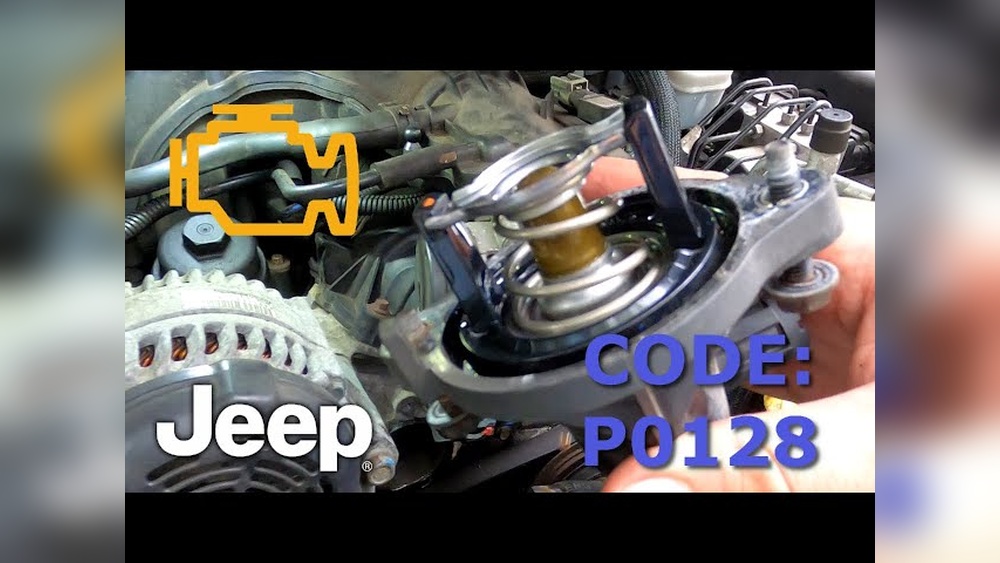

P0128 Code Basics
The P0128 code is a common issue for Jeep Wrangler owners. It signals a problem with the engine reaching its proper temperature. This code often points to the cooling system or thermostat.
Understanding the basics of P0128 helps you spot problems early. It prevents further damage and keeps your Wrangler running smoothly. Here is a clear look at what this code means and how it affects your vehicle.
What P0128 Means
The P0128 code means the engine coolant temperature is below the required level. The thermostat is not closing properly. This stops the engine from warming up fast enough. The engine control module (ECM) notices this and triggers the code.
It usually happens when the thermostat is stuck open. This causes coolant to flow constantly and cools the engine too much. The result is poor engine efficiency and higher emissions.
How It Affects Your Wrangler
A P0128 code can cause your Wrangler to run poorly. The engine may take longer to warm up. Fuel consumption can rise because the engine runs in a cold state. You might notice the heater blowing cool air on cold days.
Ignoring this code can lead to bigger issues. The engine may suffer from increased wear. Fuel economy drops, and emissions rise. Fixing the problem early keeps your Wrangler healthy and saves money on repairs.
Common Causes
The P0128 code in a Jeep Wrangler signals the engine is running cooler than usual. This means the engine coolant temperature is below the thermostat regulating temperature. Several common issues cause this problem. Identifying the right cause helps fix it faster and keeps your Jeep running smoothly.
Faulty Coolant Temperature Sensor
The coolant temperature sensor (CTS) measures the engine’s heat level. A faulty sensor sends wrong data to the engine control unit (ECU). This confuses the ECU and triggers the P0128 code. Symptoms include the check engine light and poor fuel economy. Replacing the sensor often solves the issue.
Stuck Open Thermostat
The thermostat controls coolant flow to keep the engine warm. If it sticks open, coolant flows constantly, preventing the engine from warming up. This causes the P0128 code. A stuck open thermostat also reduces cabin heat. Replacing the thermostat usually fixes this problem.
Coolant Leaks
Leaks in the cooling system lower the coolant level. Low coolant stops the engine from reaching the correct temperature. Common leak points include hoses, radiator, and water pump. Look for wet spots or crusty coolant around these parts. Fixing leaks and refilling coolant clears the code.
Malfunctioning Cooling Fan
The cooling fan helps cool the engine when running hot. If the fan runs too often or fails to stop, it can keep the engine too cool. This unbalanced cooling triggers the P0128 code. Checking the fan relay, motor, and temperature switch helps find the problem. Repairing or replacing faulty parts restores normal operation.
Symptoms To Watch For
Recognizing the symptoms of the P0128 code in your Jeep Wrangler helps prevent bigger problems. This code means the engine is not reaching its proper temperature. Watch for signs that show this issue early. Spotting these symptoms saves time and money on repairs.
Check Engine Light
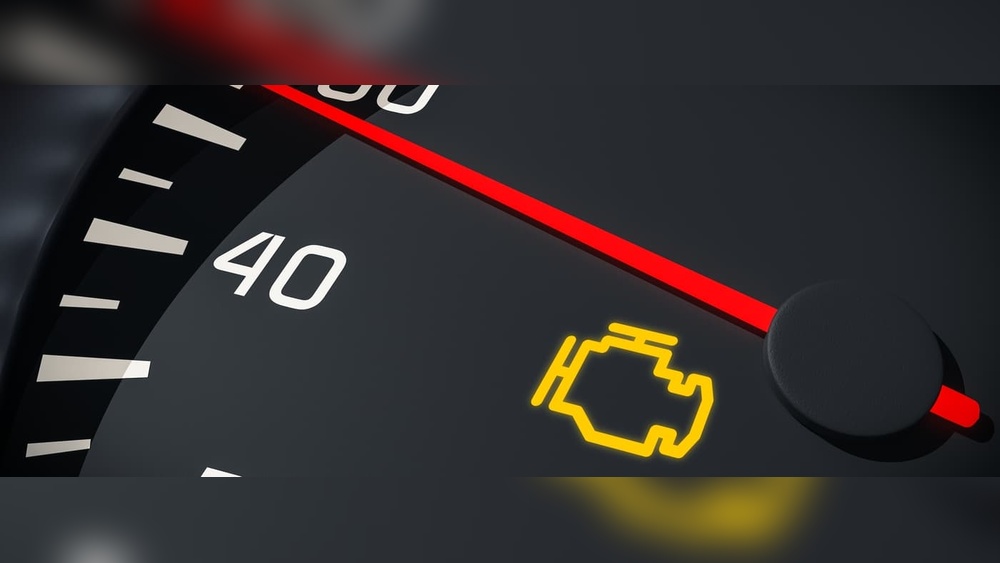
The check engine light often turns on first. It signals a problem with the engine’s temperature. This light may stay on or flash. Ignoring it can lead to engine damage. A diagnostic scan can confirm the P0128 code.
Cold Heater Air
If the heater blows cold or lukewarm air, it means the engine is not warming up. This happens because the thermostat may be stuck open. The heater depends on hot coolant to warm the air inside the cabin. Cold air inside suggests a cooling system issue.
Reduced Fuel Economy
Your Jeep may use more fuel than usual. The engine runs rich when it stays cold too long. This wastes fuel and lowers mileage. Noticeable drops in fuel economy often point to the P0128 trouble code. Addressing it improves your Jeep’s efficiency.

Quick Inspection Tips
Quick inspection helps identify issues causing the P0128 code in your Jeep Wrangler. This code signals the engine is not reaching the proper temperature. Acting fast can prevent bigger problems and save repair costs. Use these simple steps to spot common faults.
Checking For Coolant Leaks
Look under the Jeep for any puddles or wet spots. Examine hoses and connections for cracks or looseness. Check around the radiator and thermostat housing for dried coolant residue. A small leak can cause engine temperature problems quickly.
Testing The Temperature Sensor
Locate the coolant temperature sensor on the engine block. Use a multimeter to check its electrical resistance. Compare readings to the Jeep’s service manual values. A faulty sensor sends wrong signals, causing the engine computer to misread temperatures.
Inspecting The Thermostat
Remove the thermostat housing carefully after cooling the engine. Check if the thermostat sticks open or closed. Replace it if it does not move smoothly or is corroded. A bad thermostat prevents the engine from warming up properly.
Fixing The Thermostat
Fixing the thermostat in your Jeep Wrangler is key to solving a P0128 code. This code means the engine is not reaching the right temperature quickly enough. A bad thermostat can cause this problem. Fixing it restores proper engine heat and saves fuel. The process is simple with basic tools and some care.
Removing The Old Thermostat
Start by letting the engine cool down completely. Locate the thermostat housing, usually near the top radiator hose. Use a wrench to remove the bolts holding the housing. Carefully lift the housing off. Take out the old thermostat and note its position. Clean the housing surface to remove old gasket material.
Installing A New Thermostat
Place the new thermostat in the same position as the old one. Make sure the spring side faces the engine. Apply a new gasket or sealant to the housing. Reattach the housing and tighten the bolts evenly. Avoid over-tightening to prevent damage. Reconnect any hoses or clamps removed earlier.
Bleeding Air From The Coolant System
Air trapped in the cooling system can cause overheating. Open the radiator cap or a bleed valve if your Jeep has one. Start the engine and let it reach operating temperature. Watch for bubbles escaping from the open point. Close the cap or valve once no more air appears. Check the coolant level and top off if needed.
Replacing The Coolant Temperature Sensor
Replacing the coolant temperature sensor on a Jeep Wrangler is a smart way to fix the P0128 trouble code. This sensor measures the engine’s coolant temperature and sends the data to the engine control unit (ECU). A faulty sensor can cause the engine to run inefficiently and trigger the check engine light.
This guide helps you find and replace the sensor with simple steps. It also covers resetting the check engine light after the replacement. Basic tools and a little patience are all you need.
Locating The Sensor
The coolant temperature sensor is usually near the thermostat housing. On a Jeep Wrangler, it is often found on the engine block or cylinder head. Look for a small sensor with an electrical connector attached.
Check near the upper radiator hose connection. The sensor might be tucked in but still accessible without removing many parts.
Sensor Removal And Installation
Start by disconnecting the negative battery cable to avoid electrical shorts. Unplug the sensor’s electrical connector gently. Use a wrench or socket to unscrew the old sensor.
Apply a small amount of thread sealant on the new sensor’s threads. Screw it into place by hand, then tighten with a wrench. Reconnect the electrical plug securely.
Resetting The Check Engine Light
After replacing the sensor, the check engine light may stay on. Use an OBD-II scanner to clear the trouble codes. Plug it into the Jeep’s diagnostic port and follow the instructions to reset the light.
If no scanner is available, disconnect the battery for about 15 minutes. Reconnect it to reset the ECU and clear the code. Start the engine and check that the light is off.
Additional Cooling System Checks
The P0128 code on a Jeep Wrangler often points to cooling system issues. To solve this properly, extra checks on the cooling system are important. These checks help find hidden problems that a simple scan might miss.
Each part of the cooling system must work well to keep the engine at the right temperature. This part of the blog covers key steps to inspect the cooling system deeply. Small faults here can cause the P0128 code to appear again.
Inspecting The Radiator And Hoses
Start by examining the radiator closely. Look for any cracks or leaks on its surface. A damaged radiator cannot cool the engine efficiently.
Next, check the hoses connected to the radiator. Feel them for any soft spots or bulges. These signs show the hoses may fail soon and cause coolant loss.
Make sure the hose clamps are tight. Loose clamps let coolant leak and reduce cooling power. Replace any hose that looks worn or weak.
Checking The Cooling Fan Operation
The cooling fan helps keep the engine cool by blowing air through the radiator. Test the fan by running the engine until it warms up.
Watch if the fan turns on at the right temperature. If it stays off or runs constantly, the fan motor or relay might be faulty.
Also check the wiring to the fan for any damage. Faulty wiring can stop the fan from working properly. Fixing fan issues ensures proper cooling and stops overheating.
Coolant Quality And Level
Check the coolant level in the reservoir. It should be between the minimum and maximum marks. Low coolant causes poor heat transfer and triggers error codes.
Look at the coolant’s color and clarity. Old or dirty coolant loses its ability to cool the engine effectively. If it looks rusty or cloudy, flush and replace it.
Use the correct coolant type recommended for your Jeep Wrangler. Using the wrong coolant can damage the cooling system parts over time.
Preventive Maintenance Tips
Preventive maintenance helps keep your Jeep Wrangler running smoothly. It reduces the chance of engine issues like the P0128 code. Simple steps can protect your engine and save money. Follow these tips to avoid problems and enjoy a reliable ride.
Regular Coolant Flushes
Coolant flushes remove old fluid and dirt from the cooling system. Clean coolant keeps the engine temperature stable. Replace coolant every 30,000 miles or as your manual suggests. This stops corrosion and blockages that cause overheating. A clean system helps the thermostat work properly.
Monitoring Engine Temperature
Watch your engine temperature gauge while driving. It shows if the engine runs too hot or cold. A steady, normal temperature means the cooling system works well. Sudden changes or a low reading can signal thermostat problems. Early detection helps you fix issues before they get worse.
Using Quality Replacement Parts
Choose high-quality parts when replacing the thermostat or coolant sensor. Cheap parts may fail quickly and cause the P0128 code. Original equipment manufacturer (OEM) parts fit better and last longer. They ensure your Jeep’s engine stays within the right temperature range. Investing in good parts protects your vehicle’s health.
Frequently Asked Questions
How To Fix P0128 Code Jeep Wrangler?
Fix P0128 code on a Jeep Wrangler by inspecting and replacing the thermostat and coolant temperature sensor. Check for coolant leaks. Ensure the thermostat closes properly to reach operating temperature. Replace faulty sensors to restore accurate temperature readings and clear the code.
Is It Safe To Drive A Jeep With A P0128 Code?
Driving a Jeep with a P0128 code is generally safe short-term. It indicates the engine runs below optimal temperature. Fix the thermostat or sensor soon to prevent poor fuel economy and engine damage.
How Do You Fix The Code P0128?
Fix code P0128 by replacing a faulty thermostat or engine coolant temperature sensor. Check for coolant leaks and ensure proper thermostat operation.
Does P0128 Mean I Need A New Thermostat?
P0128 indicates your engine isn’t reaching the proper temperature. It often means a faulty thermostat needs replacing, but check the coolant temperature sensor too.
Conclusion
The P0128 code on your Jeep Wrangler signals a cooling system issue. Addressing it quickly helps prevent engine damage. Check the thermostat and coolant temperature sensor first. Regular maintenance keeps your Jeep running smoothly. Don’t ignore warning signs like the check engine light.
Small repairs save money and stress later. Stay safe and enjoy your Jeep’s performance on every adventure.