If your Jeep Wrangler’s check engine light just came on, you might be wondering what’s going on under the hood—and how to find out without spending a fortune. The good news is, you don’t always need a fancy scanner to check engine codes on your Jeep.
In fact, many Jeep Wranglers let you retrieve Diagnostic Trouble Codes (DTCs) right from the dashboard with a simple key-turn trick. Understanding these codes can save you time, money, and stress by pinpointing what’s wrong before you take it to a mechanic.
You’ll learn how to quickly check your Jeep Wrangler’s engine codes, what some of the most common codes mean, and when it’s safe to keep driving versus when you should get professional help. Keep reading to take control of your Jeep’s health and avoid surprises on the road!
Manual Code Retrieval
Retrieving check engine codes manually on a Jeep Wrangler is simple and requires no special tools. This method helps you find Diagnostic Trouble Codes (DTCs) quickly. You can view these codes right on the odometer display. This process saves time and gives you an early insight into your Jeep’s health.
Key Cycle Method
Sit in the driver’s seat and close all doors. Insert the key into the ignition. Turn the key from OFF to ON three times in a row, ending in the ON position. The pattern is OFF-ON-OFF-ON-OFF-ON. Do not start the engine. This key cycle triggers the code display on the odometer.
Reading Codes On Odometer
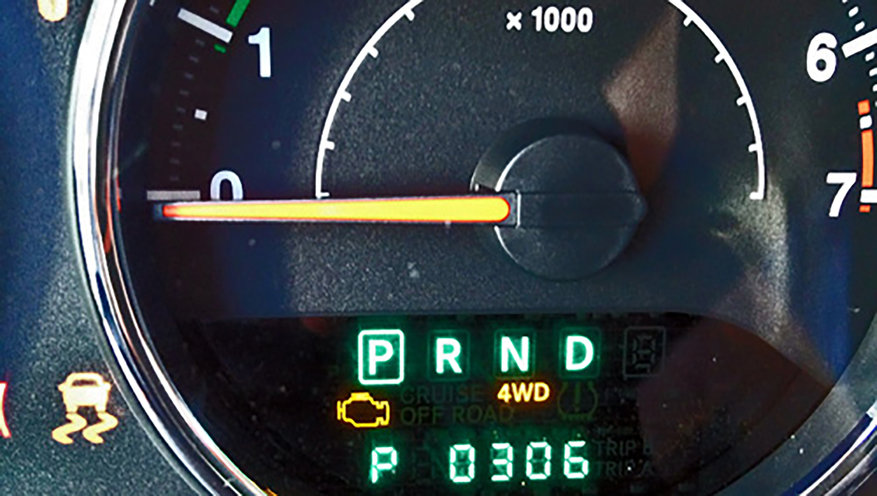
Once you complete the key cycle, the odometer shows the error codes. Each code appears as a sequence of numbers. Codes may flash or display steadily. Take note of all the codes shown. These numbers point to specific issues in your Jeep’s system.
Interpreting ‘-done-‘ Message
After displaying all codes, the odometer shows “-done-”. This message means the scan is complete. If you see “-done-” without any code, no trouble codes are stored. This signals your Jeep’s system found no active problems. Use this message as confirmation of a clean bill of health.
Common Jeep Wrangler Codes
Jeep Wrangler owners often encounter check engine codes during regular use. These codes help identify specific issues within the vehicle. Knowing common codes can save time and money. They point to problems ranging from minor sensor faults to serious engine issues. Understanding these codes helps maintain your Jeep’s performance and reliability.
Engine Misfire Codes
Engine misfire codes usually start with P0300. These codes show which cylinder is misfiring. For example, P0301 means cylinder 1 is misfiring. Misfires cause rough running and loss of power. Common causes include bad spark plugs, faulty ignition coils, or fuel delivery problems.
Sensor Malfunction Codes
Sensor malfunction codes often begin with P01xx or P02xx. They point to problems with sensors like the oxygen sensor or mass airflow sensor. A faulty sensor can cause poor fuel efficiency and engine hesitation. Replacing a bad sensor often clears the code and fixes the issue.
Emission System Codes
Emission system codes usually start with P04xx or P044x. These codes relate to the vehicle’s emission control system. Common issues include leaks in the evaporative emission system or problems with the catalytic converter. Fixing emission problems helps pass inspections and reduces pollution.
Using An Obd-ii Scanner
Using an OBD-II scanner is a simple and effective way to check engine codes on your Jeep Wrangler. This tool helps identify issues quickly. It saves time and money by showing exact problems. You do not need to visit a mechanic first. Just plug the scanner into your Jeep and start diagnosing.
OBD-II scanners are easy to use. They give clear codes and explanations. These codes point to specific parts or systems causing trouble. Understanding these codes helps you decide what to fix. It also helps when you talk to a mechanic.
Choosing The Right Scanner
Select a scanner that works with Jeep Wranglers. Some scanners only read basic codes. Others provide detailed information and live data. A simple scanner is fine for most users. Look for one with a clear screen and easy menus. Make sure it supports OBD-II protocols used by your Jeep. Check customer reviews for reliability and accuracy.
Connecting To Your Jeep
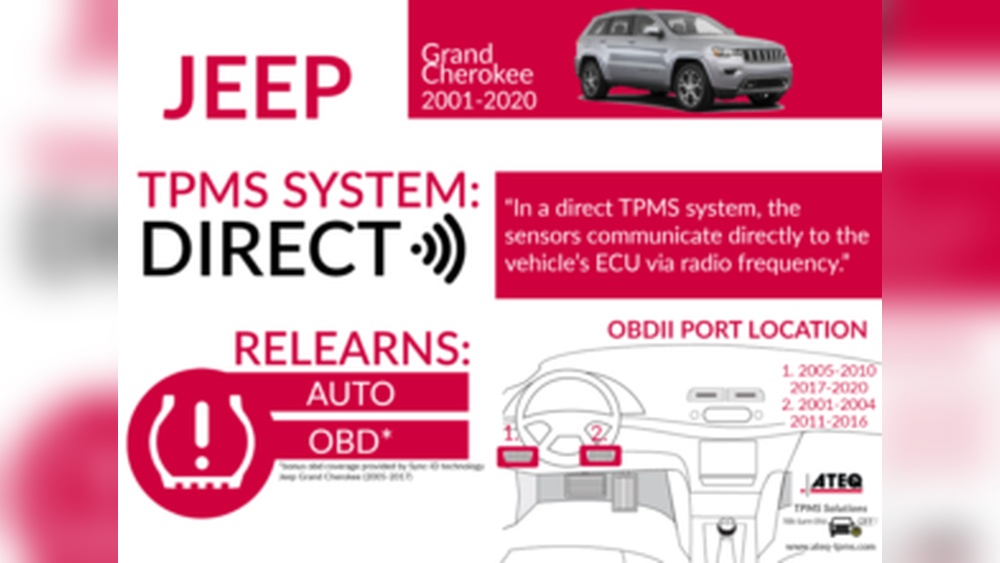
Find the OBD-II port under your dashboard. Usually, it is near the steering column. Turn your Jeep’s ignition to the ON position but do not start the engine. Plug the scanner into the port firmly. The scanner will power up and connect to your Jeep’s computer. Wait for the scanner to establish communication. Follow the on-screen prompts to proceed.
Reading And Clearing Codes
Use the scanner to read stored trouble codes. The scanner shows codes with brief descriptions. Write down or save the codes for reference. Research or ask a mechanic about the codes if needed. After repairs, you can clear the codes with the scanner. Clearing turns off the check engine light. If the problem is fixed, the light stays off. If not, the codes will return.

When To Drive Or Tow
Knowing when to drive your Jeep Wrangler or tow it after a check engine light comes on is crucial. The light signals a problem, but not all issues require immediate towing. Understanding the type of check engine light and the vehicle’s performance helps you decide. This section explains how to respond to different check engine light scenarios.
Steady Check Engine Light
A steady check engine light means a minor issue or an emissions problem. It is usually safe to drive your Jeep to a mechanic. Watch for any unusual noises or smells. Avoid long trips and high speeds until the problem is fixed. Driving calmly reduces the risk of worsening the issue.
Flashing Check Engine Light
A flashing check engine light shows a serious problem. It often means the engine is misfiring. Driving can cause damage to the catalytic converter or engine parts. Stop driving immediately to prevent costly repairs. Arrange for your Jeep to be towed to a repair shop. Do not ignore a flashing light.
Severe Performance Issues
If your Jeep has trouble accelerating or stalls often, do not drive it. Severe performance problems can be dangerous on the road. The engine may shut down unexpectedly, risking accidents. Call for towing service to take your Jeep to a trusted mechanic. Fixing these issues quickly protects your safety and your vehicle.
Common Dashboard Symbols
The dashboard of a Jeep Wrangler shows various symbols to alert drivers. These symbols help identify issues early. Understanding common dashboard symbols is key to maintaining your vehicle. Each symbol has a specific meaning and urgency level. Recognizing them can prevent further damage and costly repairs.
Squiggly Lines Meaning
The squiggly lines symbol usually relates to traction control or stability systems. It indicates that the system is active or there is a fault. When this light flashes, it means the system is working to keep traction. If it stays on, there may be a sensor or system problem. This symbol is important for safe driving on slippery surfaces.
Other Warning Lights
Other warning lights include the engine, oil, battery, and brake symbols. The engine light shows engine or emissions issues. The oil light warns of low oil pressure or levels. The battery light indicates charging system problems. The brake light alerts to brake system faults or low brake fluid. Each light demands attention but varies in urgency.
Prioritizing Repairs
Not all warning lights require immediate action. A steady check engine light usually means you can drive carefully to a mechanic. A flashing check engine light signals a serious problem that needs urgent repair. Oil and brake lights often require prompt attention to avoid damage or safety risks. Prioritize repairs based on the symbol and your vehicle’s behavior.
Tips For Quick Diagnosis
Quick diagnosis of check engine codes on your Jeep Wrangler saves time and reduces hassle. Knowing simple tips helps you identify issues faster. Focus on easy methods before spending on repairs. This section covers practical approaches to diagnose codes efficiently.
Using Free Resources
Many websites and forums offer free information on Jeep Wrangler codes. You can find lists of common codes and their meanings online. Some Jeep owner communities share tips and solutions for specific codes. Checking these resources first often helps clarify the problem. You can also use YouTube videos showing step-by-step code retrieval.
Diy Troubleshooting
Start by reading the codes displayed on your dashboard or odometer. Many Jeep Wranglers allow you to retrieve codes without a scanner by cycling the ignition key. Write down the codes shown and look them up in your Jeep’s manual or online. Simple fixes like tightening gas caps or checking fuses can clear some codes. Always reset the codes after fixing the issue to see if the problem remains.
When To Seek Professional Help
If the check engine light stays on after basic fixes, visit a mechanic. Complex problems like sensor failures or engine misfires need expert tools. Also, if your Jeep shows poor performance or strange noises, do not delay. Professionals have advanced scanners that read detailed codes. They can accurately diagnose and repair issues to keep your Jeep running smoothly.

Frequently Asked Questions
How To Check Jeep Wrangler Engine Codes?
To check Jeep Wrangler engine codes, turn the key OFF-ON three times, ending ON without starting. Codes appear on the odometer. If no codes exist, it shows “-done-“. Use an OBD-II scanner for detailed diagnostics.
How Do I Check My Jeep Code Without A Scanner?
Turn the ignition key off and on three times, ending in the on position. Watch the odometer for the flashing Jeep code.
What Does A Car With Squiggly Lines Mean On A Jeep?
A car with squiggly lines on a Jeep indicates the traction control or stability control system is active or detecting slip.
What Is The Most Common Check Engine Light On A Jeep Wrangler?
The most common check engine light on a Jeep Wrangler often indicates an oxygen sensor or catalytic converter issue. These parts affect emissions and fuel efficiency.
Conclusion
Checking engine codes on your Jeep Wrangler helps spot problems early. You can read codes without special tools using the ignition key method. OBD-II scanners offer a quick, detailed way to get codes. Knowing common codes helps you understand what needs fixing.
Pay attention to warning lights and act accordingly. Catching issues early can save time and money. Regular code checks keep your Jeep running smoothly and safely. Stay informed and maintain your vehicle with simple steps.