If your 2017 Jeep Wrangler’s check engine light just came on, you’re probably wondering what it means and what you should do next. That little warning can cause a lot of stress, but don’t panic.
This light is your Jeep’s way of telling you that something needs attention—whether it’s a simple fix or a sign of a bigger issue. You’ll learn how to quickly understand why the check engine light is on, how to check the trouble codes without expensive tools, and when it’s safe to keep driving.
Keep reading to take control of the situation and protect your Jeep before a small problem turns into a costly repair.
Common Causes
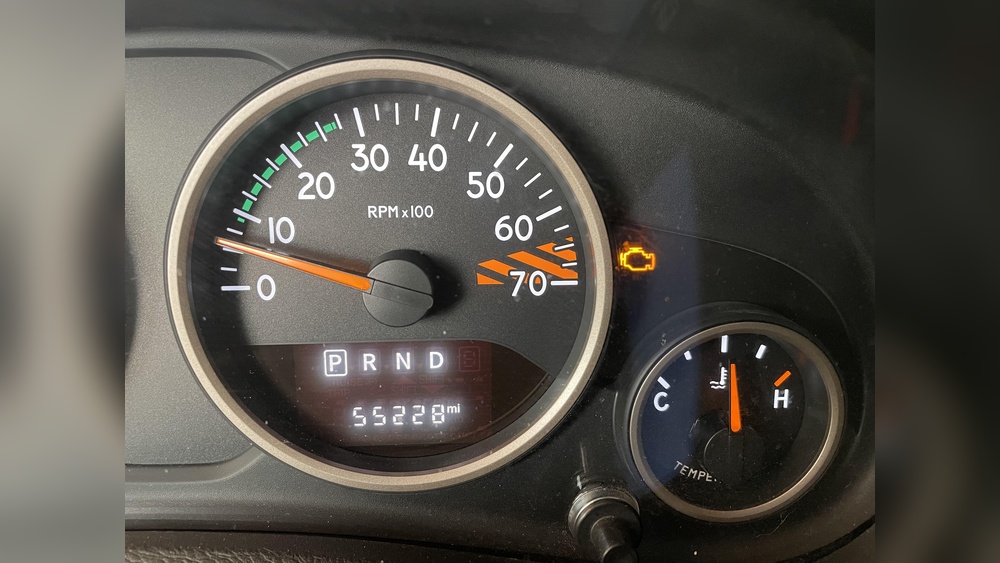
The check engine light on a 2017 Jeep Wrangler can turn on for many reasons. It signals a problem detected by the engine’s computer. Knowing the common causes helps you understand what might be wrong. This knowledge can save time and money on repairs.
Here are the frequent issues that trigger the check engine light in your Jeep Wrangler. Each one affects the engine or emissions system in different ways. Checking these causes can guide you to the right fix.
Loose Gas Cap
A loose or missing gas cap is a simple cause of the check engine light. It lets fuel vapors escape, which the computer detects as a leak. Tightening the gas cap often turns the light off quickly. Always check the cap first before any other repair.
Faulty Oxygen Sensor
The oxygen sensor measures the amount of oxygen in the exhaust. A bad sensor sends wrong data to the engine control unit. This causes poor fuel economy and more emissions. Replacing the faulty sensor usually clears the check engine light.
Bad Catalytic Converter
The catalytic converter reduces harmful gases from the exhaust. A failing converter can cause the check engine light to turn on. Symptoms include low engine power and bad smells. Repair or replacement is needed to fix this problem.
Malfunctioning Spark Plugs
Spark plugs ignite the fuel-air mixture in the engine. Worn or damaged plugs cause misfires and rough running. This triggers the check engine light and reduces engine efficiency. Changing spark plugs often resolves the issue.
Engine Misfire Issues
Engine misfires happen when combustion is incomplete or uneven. Misfires cause shaking, loss of power, and increased emissions. The check engine light alerts you to this condition. Diagnosing the cause of misfires is important for engine health.
Damaged Hoses And Connectors
Hoses and connectors carry air and fluids to the engine parts. Cracks or leaks in these components cause performance problems. The engine computer detects these faults and lights up the check engine light. Inspecting and replacing damaged parts fixes the issue.

Reading Engine Codes
The check engine light on a 2017 Jeep Wrangler signals a problem in the engine or emissions system. Reading the engine codes helps identify the exact issue. These codes tell you what part of the vehicle needs attention. Understanding how to read these codes can save time and money on repairs.
There are several methods to read engine codes. Each method suits different levels of experience and available tools. Choose the one that fits your situation best.
Using Obd-ii Scanner
An OBD-II scanner is a device that plugs into your Jeep’s diagnostic port. It reads the error codes stored in the vehicle’s computer. These scanners range from simple to advanced models. After connecting, the scanner displays the trouble codes. You can then look up these codes to find out what they mean.
Manual Code Retrieval
You can retrieve codes manually without a scanner. Turn the ignition key on and off three times quickly. Watch the odometer or dashboard for blinking numbers. These flashes represent the engine trouble codes. Write them down carefully to check later. This method works well for basic code reading.
Bluetooth Scanner Apps
Bluetooth scanners connect to your Jeep and pair with your smartphone. Use an app to read and clear engine codes easily. These apps offer real-time data and detailed code explanations. They are user-friendly and cost-effective. This option is great for those who want quick access to vehicle health on their phone.
Safety Tips
When the 2017 Jeep Wrangler’s check engine light comes on, safety should be your top priority. Understanding how to react keeps you, your passengers, and others safe on the road. This section covers important safety tips related to the check engine light.
When To Stop Driving
Stop driving immediately if the check engine light is flashing. A flashing light signals a serious engine problem. Continuing to drive may cause damage or lead to an accident. If the light is steady, monitor your vehicle’s performance closely. Pull over safely if you notice strange noises or smells.
Risks Of Ignoring The Light
Ignoring the check engine light can cause costly damage. Engine problems may worsen, leading to breakdowns. Emissions may increase, harming the environment. Ignoring the light also raises the risk of reduced fuel efficiency. Safety systems might fail, putting you at risk.
Handling A Flashing Check Engine Light
A flashing check engine light means urgent action is needed. Slow down and find a safe place to stop. Turn off the engine and wait a few minutes. Restart the vehicle to see if the light stays on. Avoid driving to prevent severe engine damage. Call for roadside assistance if unsure.
Quick Fixes
The 2017 Jeep Wrangler’s check engine light can turn on for many reasons. Some are easy to fix at home. Quick fixes can save time and money. They often solve the problem without a mechanic.
Try these simple steps first. They address common issues that trigger the check engine light. These fixes help keep your Jeep running smoothly and safely.
Tightening The Gas Cap
A loose gas cap is a common cause of the check engine light. It can cause fuel vapors to leak. This triggers the warning light. Turn off the engine and open the gas cap. Turn it clockwise until it clicks firmly. Check if the light turns off after driving for a while.
Replacing Faulty Sensors
Sensors like the oxygen sensor or mass airflow sensor can fail. Faulty sensors send wrong data to the engine computer. This causes the check engine light to come on. Replacement sensors are affordable and easy to install. Swap the old sensor with a new one. This often clears the light and improves engine performance.
Resetting The Check Engine Light
Sometimes the check engine light stays on after a fix. Resetting the light can help. Disconnect the Jeep’s battery for about 15 minutes. Reconnect it and start the engine. The light may turn off if the problem is solved. Use an OBD-II scanner for a faster reset. This tool reads and clears engine codes safely.
Fixing Snapped Hoses
Check under the hood for broken or cracked hoses. Snapped vacuum or emission hoses cause engine errors. Replace damaged hoses with new ones of the same size. Secure them tightly to avoid leaks. Fixing hoses often stops the check engine light and restores engine function.
When To Seek Professional Help
The check engine light on your 2017 Jeep Wrangler signals that something needs attention. Sometimes, the issue is simple and fixable at home. Other times, the problem is more serious and requires expert care. Knowing when to seek professional help can save you time and money. It also keeps your Jeep running safely and smoothly.
Complex Engine Problems
Some engine issues are too complex for basic tools. Problems like misfires, sensor failures, or internal engine damage need expert diagnosis. Mechanics have special tools to read detailed error codes. They can also perform tests that reveal hidden faults. Ignoring complex engine problems can lead to bigger repairs.
Transmission And Emission Issues
The check engine light may point to transmission or emission system troubles. Transmission problems affect shifting and vehicle control. Emission issues can cause your Jeep to fail safety tests. These systems are linked to many sensors and parts. A trained technician can pinpoint the exact cause and fix it properly.
Diagnostic Service Recommendations
Professional diagnostic services use advanced scanners and software. They read all stored codes and live data from your Jeep. This helps find the root of the check engine light. After diagnosis, the mechanic will explain the problem and suggest repairs. Getting a professional check ensures your Jeep stays reliable and safe.

Preventive Maintenance
Preventive maintenance plays a key role in keeping your 2017 Jeep Wrangler running smoothly. It helps avoid unexpected check engine light alerts and costly repairs. Regular care improves engine health and extends vehicle life. Simple steps can prevent most engine problems.
By staying proactive, you catch small issues early. This reduces the chances of serious faults. Your Jeep performs better with less wear and tear. Preventive maintenance saves time and money over the long run.
Regular Inspections
Check your Jeep often for any visible signs of trouble. Look under the hood for loose or damaged parts. Inspect hoses and belts for cracks or leaks. Listen for unusual noises while the engine runs. Early detection of problems helps prevent the check engine light from turning on.
Keeping Sensors Clean
Sensors send important data to the engine control system. Dirt or grime can block sensor signals and cause errors. Clean sensors gently using a soft cloth or sensor cleaner. Focus on oxygen sensors, mass airflow sensors, and throttle position sensors. Clean sensors help the engine run efficiently and avoid warning lights.
Scheduled Tune-ups
Follow the manufacturer’s schedule for tune-ups and maintenance. Replace spark plugs, air filters, and fuel filters as recommended. Tune-ups ensure proper combustion and fuel delivery. They improve engine performance and reduce emissions. Staying on schedule keeps your Jeep reliable and prevents check engine light issues.
Frequently Asked Questions
Why Is My Check Engine Light On In My 2017 Jeep Wrangler?
The check engine light on your 2017 Jeep Wrangler signals a detected fault in the engine, transmission, or emissions system. Common causes include a loose gas cap, faulty sensors, or engine issues. Use an OBD-II scanner to read codes and identify the exact problem quickly.
What Is The Most Common Check Engine Light On A Jeep Wrangler?
The most common check engine light on a Jeep Wrangler signals a loose or faulty gas cap. This issue often triggers the warning.
Can I Drive My Jeep With The Engine Light On?
You can drive your Jeep with the engine light on briefly. Check the issue quickly to avoid serious damage. If the light flashes, stop immediately and get service.
How Serious Is A Solid Check Engine Light?
A solid check engine light signals a detected fault in your vehicle’s engine or emissions system. It requires prompt diagnosis to avoid serious damage. Driving with it on may cause further issues, so check the code and address the problem quickly.
Conclusion
The 2017 Jeep Wrangler’s check engine light warns of engine or emission issues. Always check the trouble codes to understand the problem quickly. Driving with the light on can be risky, so act promptly. Use a simple OBD scanner or follow easy steps to find the code.
Staying calm and informed helps you handle the situation better. Keep your Wrangler running smoothly by addressing issues early. This approach saves money and prevents bigger repairs down the road.