If you drive a Jeep, you rely on its Forward Collision Warning (FCW) system to keep you safe on the road. But what happens when your Jeep starts showing FCW problems?
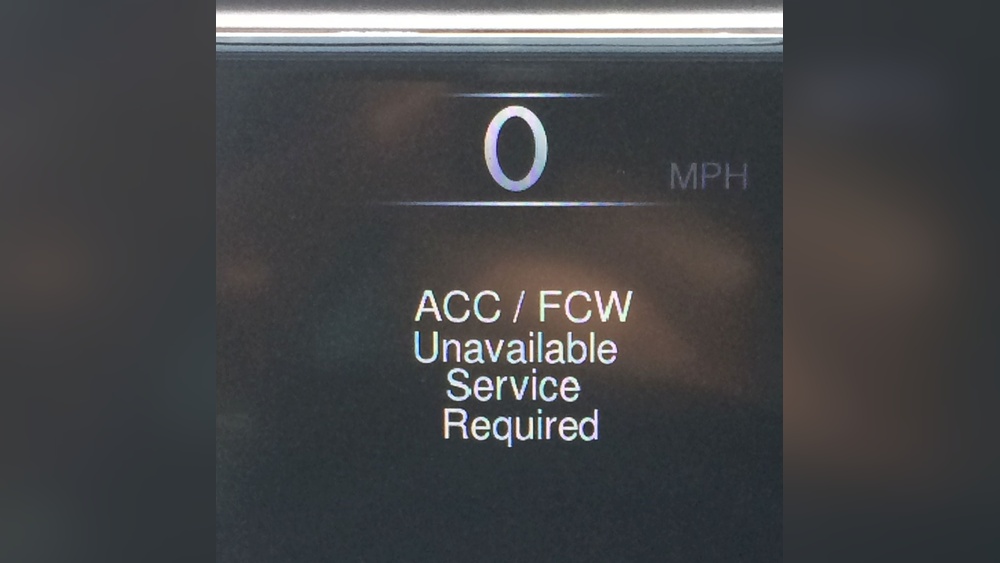
You might see warning messages like “FCW unavailable” or “Service forward collision warning,” leaving you unsure if your safety features are working properly. These issues can be frustrating and even dangerous if left unchecked. You’ll learn why these FCW problems happen, how to spot the signs early, and what simple steps you can take to fix them.
Keep reading to protect yourself, your passengers, and your Jeep before a small glitch turns into a big problem.
Jeep Fcw System Basics
The Forward Collision Warning (FCW) system in Jeep vehicles helps prevent accidents. It alerts drivers about potential collisions ahead. The system uses sensors and cameras to detect obstacles.
Understanding how FCW works can help identify common problems. This knowledge aids in troubleshooting and keeping the system functional.
How Fcw Works
The FCW system scans the road ahead continuously. It tracks the distance between your Jeep and other vehicles. If the system detects a risk of collision, it warns the driver.
Warnings come as audible alerts or dashboard lights. Some models even pre-charge the brakes for quicker response. The system aims to give the driver time to react safely.
Key Components
The FCW system depends on several main parts. A forward-facing radar sensor monitors the road. It detects vehicles and obstacles in your path.
A front camera helps identify objects and lane markings. The system’s computer processes data from sensors and cameras. It decides when to alert the driver about danger.
Warning signals include sounds, flashing lights, and visual messages. Proper sensor alignment and cleanliness are essential for FCW to work well.
Common Fcw Problems
Forward Collision Warning (FCW) systems in Jeep vehicles enhance safety by alerting drivers to possible crashes. Despite their benefits, FCW systems can face issues that affect performance. Understanding common FCW problems helps in quick diagnosis and repair. Below are frequent causes that Jeep owners report.
Sensor Blockages
Sensors must have a clear view to detect obstacles correctly. Dirt, mud, snow, or ice can block the sensors. This blockage causes false warnings or system failure. Regular cleaning of sensors behind the grille and windshield keeps FCW working well.
Radar Misalignment
Radar sensors must align precisely to measure distances accurately. Bumps, accidents, or rough roads can shift the radar out of place. Misalignment leads to warning errors or the system turning off. A professional check can realign the radar to factory settings.
Electrical Faults
Wiring issues or loose connections can disrupt FCW function. Electrical faults trigger warning messages or system malfunctions. Corrosion or damaged wires behind sensors also cause problems. Inspecting and repairing electrical components restores proper operation.
Software Glitches
FCW relies on software to process sensor data. Bugs or outdated software affect system reliability. Jeep occasionally releases updates to fix bugs and improve performance. Updating the vehicle’s software can resolve many FCW errors.
Battery Health Issues
Low battery voltage impacts electronic systems including FCW. A weak battery can cause system resets or warnings. Checking battery health and replacing old batteries prevents FCW interruptions. Good battery power ensures stable sensor and system functions.
Warning Messages And Indicators
Warning messages and indicators in Jeep vehicles alert drivers to issues with the Forward Collision Warning (FCW) system. These alerts help maintain safety by signaling when the system is not working properly. Understanding these messages is important to address problems quickly and avoid risks on the road.
The “FCW Unavailable” alert means the system cannot operate. This alert often appears due to sensor blockage or damage. Dirt, snow, or debris can cover the radar sensor, causing this message. Sometimes, electrical faults or sensor misalignment also trigger it. Drivers should inspect and clean the sensor area and seek professional help if needed.
“service Forward Collision Warning”
This warning signals a problem with the FCW system’s hardware or software. It may mean a camera or radar sensor is malfunctioning. The system could need recalibration or repair. Ignoring this message might disable the safety features. Timely service helps restore proper function and keeps driving safe.
Unexpected Brake Activation
Some Jeep owners report sudden brake activation from the FCW system. This happens when the system wrongly detects a collision risk. Faulty sensors or software glitches cause this issue. Sudden braking is dangerous, especially in traffic. Immediate vehicle inspection is crucial to fix this problem and prevent accidents.
Stuck Warning Lights
Warning lights that stay on continuously can confuse drivers. A stuck FCW light means the system may be stuck in a warning state. This could result from electrical issues or sensor errors. Resetting the system or professional diagnostics are required. Clear warning lights ensure the driver knows the system status accurately.
Diy Fixes For Fcw Issues
Forward Collision Warning (FCW) issues on Jeep vehicles can often be fixed at home. Many common problems come from simple causes. A few quick checks and maintenance steps can restore your system’s function. These DIY fixes save time and money before seeking professional help.
Cleaning Sensors
FCW sensors work best when clean. Dirt, mud, or snow can block them. Use a soft cloth and mild cleaner to wipe the sensor areas. Avoid harsh chemicals that may damage the sensors. Regular cleaning helps keep your system accurate and reliable.
Checking Radar Alignment
Misaligned radar sensors cause FCW errors. Check if the sensor behind the grille is loose or tilted. Gently adjust it back to the proper position if needed. Proper alignment ensures the system detects obstacles correctly and warns you in time.
Restarting The System
Sometimes, the FCW system needs a simple reset. Turn off your Jeep and remove the key. Wait a few minutes before restarting the engine. This action can clear minor software glitches and restore system function without extra tools.
Battery Maintenance
Weak or low car batteries affect FCW performance. Test your battery voltage regularly. Clean battery terminals from corrosion. Replace the battery if it shows signs of weakness. A strong battery keeps electronic systems running smoothly and prevents errors.
When To Seek Professional Help
Knowing when to seek professional help for Jeep FCW problems is crucial. Forward Collision Warning issues affect your vehicle’s safety features. Some problems need expert diagnosis and repair. Acting quickly can prevent further damage and keep you safe on the road.
Persistent Warning Messages
Warning messages that stay on indicate a deeper problem. Cleaning sensors might not fix it. Persistent alerts require a professional to inspect the system. Experts can use diagnostic tools to find exact issues. Ignoring these messages could lead to system failure.
Sensor Replacement
Faulty sensors cause many FCW problems. Replacing sensors is not always simple. A trained technician ensures proper installation and compatibility. Wrong installation can cause system errors or malfunctions. Professionals have the right tools to replace sensors safely and accurately.
Software Updates
Software controls how the FCW system works. Outdated software may cause errors or reduce system performance. Professionals can update the vehicle’s software to the latest version. Updates often fix bugs and improve safety features. This keeps your Jeep’s FCW system running smoothly.
Calibration Services
Calibration aligns sensors for accurate detection. After sensor replacement or windshield changes, calibration is necessary. Improper calibration leads to false warnings or system failure. Experts use special equipment to calibrate sensors correctly. Proper calibration ensures the FCW system works as designed.
Fcw System And Vehicle Safety
The Forward Collision Warning (FCW) system plays a key role in Jeep vehicle safety. It alerts drivers to potential front-end collisions. This early warning helps prevent accidents and reduces injury risks. The FCW system uses sensors and cameras to monitor the road ahead. These technologies detect obstacles or sudden stops by other vehicles. When the system detects danger, it warns the driver with sounds or visual alerts. This gives the driver time to slow down or stop safely. A properly working FCW system adds an extra layer of protection on the road.
Driving With Fcw Failures
Driving a Jeep with FCW system issues can be unsafe. Without the warning alerts, drivers might miss critical collision risks. This can lead to delayed reactions in emergencies. Some drivers may not notice FCW problems right away. Faulty sensors or camera errors can disable the system silently. It is best to address any FCW warning messages immediately. Ignoring these problems increases the chance of accidents. Regular system checks keep the FCW functioning correctly for safer driving.
Risks Of Ignoring Warnings
Ignoring FCW warning lights or messages puts drivers at risk. The system alerts warn about sensor failures or blocked views. Failure to fix these issues reduces the vehicle’s safety features. A non-functioning FCW system means no advance notice of collisions. This can lead to severe crashes or injuries. Some FCW failures also affect other safety systems. Ignoring warnings may result in higher repair costs later. Fixing problems early keeps the Jeep’s safety systems reliable.
Legal And Warranty Considerations
Operating a Jeep with a faulty FCW system can have legal consequences. Some states require all vehicle safety systems to be active. Driving with disabled FCW may violate traffic laws. It can also affect insurance claims after an accident. Manufacturers often cover FCW repairs under warranty. Delaying repairs might void warranty protections. Jeep owners should review their warranty terms for FCW coverage. Prompt repairs ensure compliance with laws and warranty rules.
Preventive Maintenance Tips
Proper care keeps your Jeep’s Forward Collision Warning (FCW) system working well. Small steps avoid common FCW problems and costly repairs. Regular maintenance helps sensors stay clean and systems stay reliable. Follow these tips to keep your Jeep safe on the road.
Regular Sensor Cleaning
FCW sensors work best when clean and clear of dirt. Dust, mud, or snow can block the sensors. Gently wipe the front grille and camera lenses often. Use a soft cloth and mild cleaner. Avoid harsh chemicals or rough scrubbing. Clean sensors prevent false alerts and system errors.
Routine System Checks
Run system diagnostics to catch issues early. Many Jeep models allow quick system scans using the dashboard or an OBD-II scanner. Check for warning messages or error codes regularly. Have your technician inspect radar alignment and software updates. Early detection stops minor faults from becoming major problems.
Battery Health Monitoring
The FCW system depends on stable power supply. Weak or dying batteries cause system failures or false warnings. Test your battery with a multimeter monthly. Replace the battery if voltage drops below 12.4 volts. Healthy batteries support consistent FCW operation and safer driving.
Jeep Fcw Issues In Austin, Texas
Jeep drivers in Austin, Texas face unique challenges with Forward Collision Warning (FCW) systems. The hot climate and urban traffic patterns affect sensor performance. Owners often report error messages and system failures more frequently here than in other areas. Understanding local factors helps in managing these issues effectively.
Local Repair Resources
Austin offers several specialized repair shops familiar with Jeep FCW problems. Many technicians have experience with sensor calibration and radar alignment. Dealership service centers provide official diagnostics and repairs. Independent garages sometimes offer quicker service at lower costs. Access to knowledgeable mechanics is vital for timely FCW system fixes.
Common Regional Factors
High temperatures in Austin can affect sensor electronics and wiring. Dust and pollen buildup on sensors cause false warnings or system shutdowns. Frequent stop-and-go traffic increases the chance of sensor misalignment. Road construction and uneven surfaces may also impact sensor calibration. These regional conditions require regular sensor cleaning and checks.
Frequently Asked Questions
What Are The Common Causes Of Fcw System Failure?
Common causes of FCW system failure include sensor blockage, misaligned radar, camera faults, electrical issues, and software glitches. Regularly clean sensors and check for damage or wiring problems.
Can I Drive With A Fcw System Failed?
Driving with a failed FCW system is unsafe. The system warns of collisions, so rely on extra caution and manual braking. Get the FCW repaired promptly to ensure safety and avoid accidents.
How Do You Fix Fcw Failure?
Fix FCW failure by cleaning the front radar and camera sensors thoroughly. Check for sensor misalignment or electrical faults. Restart the vehicle and inspect battery health. Replace faulty sensors if issues persist. Visit a certified mechanic for advanced diagnostics and repairs.
How Do I Fix My Forward Collision Warning Light?
Clean the front radar and camera sensors carefully. Check for sensor misalignment or electrical faults. Restart your vehicle. Consult a dealer if the light stays on.
Conclusion
Jeep FCW problems often stem from sensor issues or electrical faults. Regularly clean sensors and check for blockages to help maintain system function. If warnings appear, inspect sensor alignment or battery health. Addressing these issues early can improve your vehicle’s safety features.
Stay aware and keep your Jeep’s FCW system in good condition for safer driving.