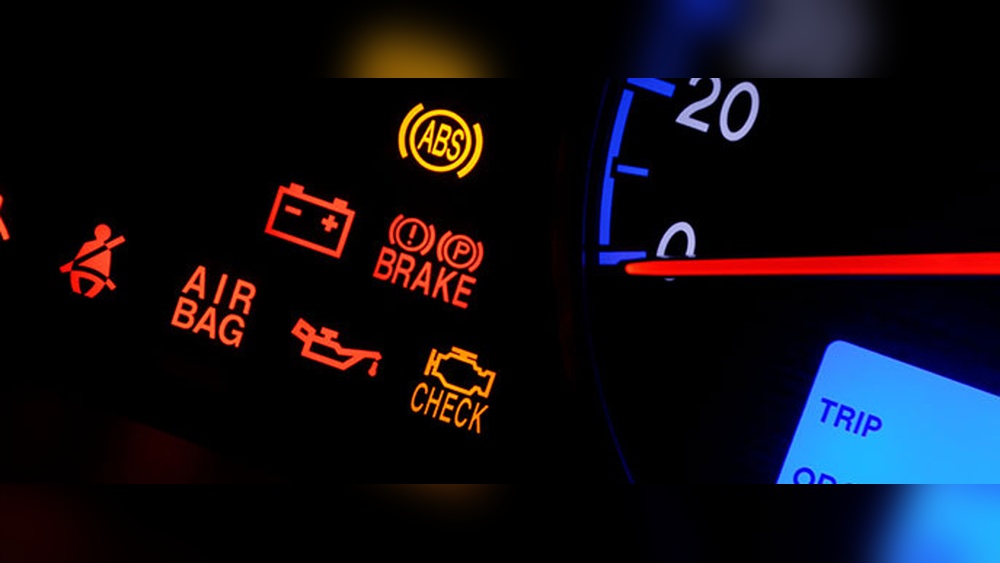
If you’ve ever seen the gas cap light come on in your Jeep Wrangler, you know how confusing—and a little worrying—it can be. You might wonder, “Is it just the gas cap, or is something more serious going on?” That little warning light isn’t just a random alert; it’s your Jeep telling you there could be a problem with your fuel system.
Ignoring it might seem easy, but it could lead to bigger issues down the road. You’ll discover why your gas cap light is on, the most common causes, and simple steps you can take to fix it quickly. Stick with me, and you’ll know exactly what to do the next time that light flickers on your dashboard.
Gas Cap Light Causes
The gas cap light on your Jeep Wrangler signals a problem in the fuel system. It often means the vehicle detects a leak or pressure loss in the evaporative emission system. Understanding the common causes helps you diagnose the issue quickly. Here are some frequent reasons why the gas cap light turns on.
Loose Or Damaged Gas Cap
A gas cap that is loose or damaged is the most common cause of the warning light. The cap must seal tightly to keep fuel vapors from escaping. Dirt, cracks, or worn-out seals can break the seal. Check the cap for damage and tighten it until it clicks. Replacing a faulty gas cap often clears the light.
Evaporative Emission System Issues
The evaporative emission (EVAP) system captures fuel vapors to reduce pollution. A leak or fault in this system triggers the gas cap light. Components like the charcoal canister or purge valve may fail or clog. These problems cause the system to lose pressure, which your Jeep’s sensors detect immediately.
Cracked Or Disconnected Hoses
Plastic and rubber hoses connect the fuel tank to the EVAP system. These hoses can crack, break, or become disconnected over time. A broken hose lets fuel vapors escape, setting off the warning light. Inspect these lines carefully, especially near the gas tank fitting. Replace any damaged hoses to restore the system’s integrity.
Faulty Esim Valve
The ESIM (Evaporative System Integrity Module) valve controls vapor flow in the EVAP system. It sits on the vapor canister near the rear axle. A faulty ESIM valve can cause leaks or improper sealing. This malfunction trips the gas cap light. If the light stays on after checking the gas cap and hoses, the ESIM valve may need testing or replacement.
Quick Gas Cap Fixes
Fixing the gas cap issue on your Jeep Wrangler can be quick. Many times, the gas cap light appears due to simple problems. These quick fixes help avoid trips to the mechanic and get you back on the road fast.
Tightening The Gas Cap Properly
Start by removing the gas cap. Twist it firmly until you hear clicks. This means the cap is sealed tight. A loose cap often triggers the gas cap light. Check for dirt or debris on the cap or filler neck. Clean these areas before reattaching the cap. Drive a short distance and see if the light goes off.
Replacing A Damaged Gas Cap
Look for cracks or worn seals on the gas cap. Damage can cause air leaks and set off the warning light. Buy a new gas cap designed for your Jeep Wrangler model. Replace the old cap with the new one and tighten it securely. A fresh cap ensures a proper seal and stops the light from flashing.
Inspecting And Securing Hoses
Check hoses connected to the gas tank and EVAP system. Look for cracks, breaks, or loose connections. These hoses carry fuel vapors and must be intact. Secure any loose hoses with clamps or replace damaged ones. Faulty hoses can cause pressure loss and turn on the gas cap light. After fixing hoses, clear the error by driving normally.
Advanced Troubleshooting
Advanced troubleshooting for the gas cap light on your Jeep Wrangler digs deeper into the issue. The light often points to a leak or pressure loss in the EVAP system. This system prevents fuel vapors from escaping into the air.
If the gas cap is tight and the light stays on, the problem may lie beyond the cap. Several components could be faulty. This section guides you through key checks and tests to find the root cause.
Performing An Evap Smoke Test
An EVAP smoke test helps locate leaks in the system. A special machine pumps smoke into the EVAP lines. The smoke escapes from any cracks or holes. This shows where the system loses pressure.
Mechanics use this test when visual checks find no obvious damage. The test is safe and non-invasive. It quickly finds leaks in hoses, valves, or the vapor canister.
Checking The Vapor Canister
The vapor canister stores fuel vapors. It uses charcoal to absorb these vapors until the engine burns them. A damaged or clogged canister can trigger the gas cap light.
Inspect the canister for cracks, dents, or loose fittings. Check the hoses connected to it for wear or breaks. The canister sits near the rear axle on most Jeep Wranglers.
When To Visit A Mechanic
Some EVAP system problems need professional tools and skills. Smoke tests and electronic valve checks require special equipment. Persistent gas cap light warnings often mean a deeper issue.
Visit a mechanic if you cannot find or fix the leak. They can diagnose and repair complex EVAP faults. Early repair saves fuel and prevents emissions problems.
Driving With The Gas Cap Light On
The gas cap light on your Jeep Wrangler signals an issue in the fuel system. Driving with this light on needs careful attention. It may seem minor but can affect your vehicle’s performance and safety.
Ignoring the gas cap light might lead to bigger problems. Understanding the risks helps you keep your Jeep running smoothly and safely on the road.
Safety Considerations
Driving with the gas cap light on can cause fuel vapors to leak. These vapors are flammable and pose a fire risk. A loose or damaged gas cap may allow harmful fumes to escape. It also increases the chance of triggering the check engine light. Always check the gas cap tightness before driving. If the light stays on, get your Jeep inspected quickly.
Potential Impact On Fuel Efficiency
A faulty or loose gas cap affects the fuel system’s pressure. This can cause fuel to evaporate faster than normal. As a result, your Jeep may use more gas than usual. This reduces fuel efficiency and increases costs. Fixing the gas cap issue can help save gas and money. Keep the fuel system sealed to maintain optimal performance.
Avoiding Long-term Damage
Ignoring the gas cap light for too long can harm the evaporative emissions system. This system prevents harmful gases from escaping into the air. A damaged system can lead to costly repairs down the road. Continuous leaks may also affect engine performance. Promptly addressing the gas cap light prevents further damage. Regularly check and replace the gas cap if needed.
Preventive Tips
Preventive tips help keep the gas cap light off your Jeep Wrangler. Simple steps stop most issues before they start. Checking parts often saves time and money. Follow these easy practices to maintain your vehicle’s fuel system. Your Wrangler will run smoother with fewer warning lights.
Regular Gas Cap Inspections
Check your gas cap every time you refuel. Look for cracks, damage, or dirt on the seal. A worn or loose gas cap causes the light to turn on. Tighten the cap until it clicks firmly. Replace the cap if it no longer seals properly. Clean the threads and seal to ensure a good fit.
Proper Refueling Habits
Always stop fueling when the pump clicks off. Avoid topping off your tank. Overfilling can damage the EVAP system. Close the gas cap tightly after refueling. Make sure you hear the click sound. This prevents fuel vapors from escaping and triggering the warning light.
Routine Evap System Checks
Inspect EVAP hoses and connections regularly. Look for cracks, loose fittings, or worn parts. Replace any damaged hoses to prevent leaks. Keep the vapor canister clean and free of debris. Have a mechanic perform smoke tests if the light stays on. Early detection stops bigger problems with your fuel system.
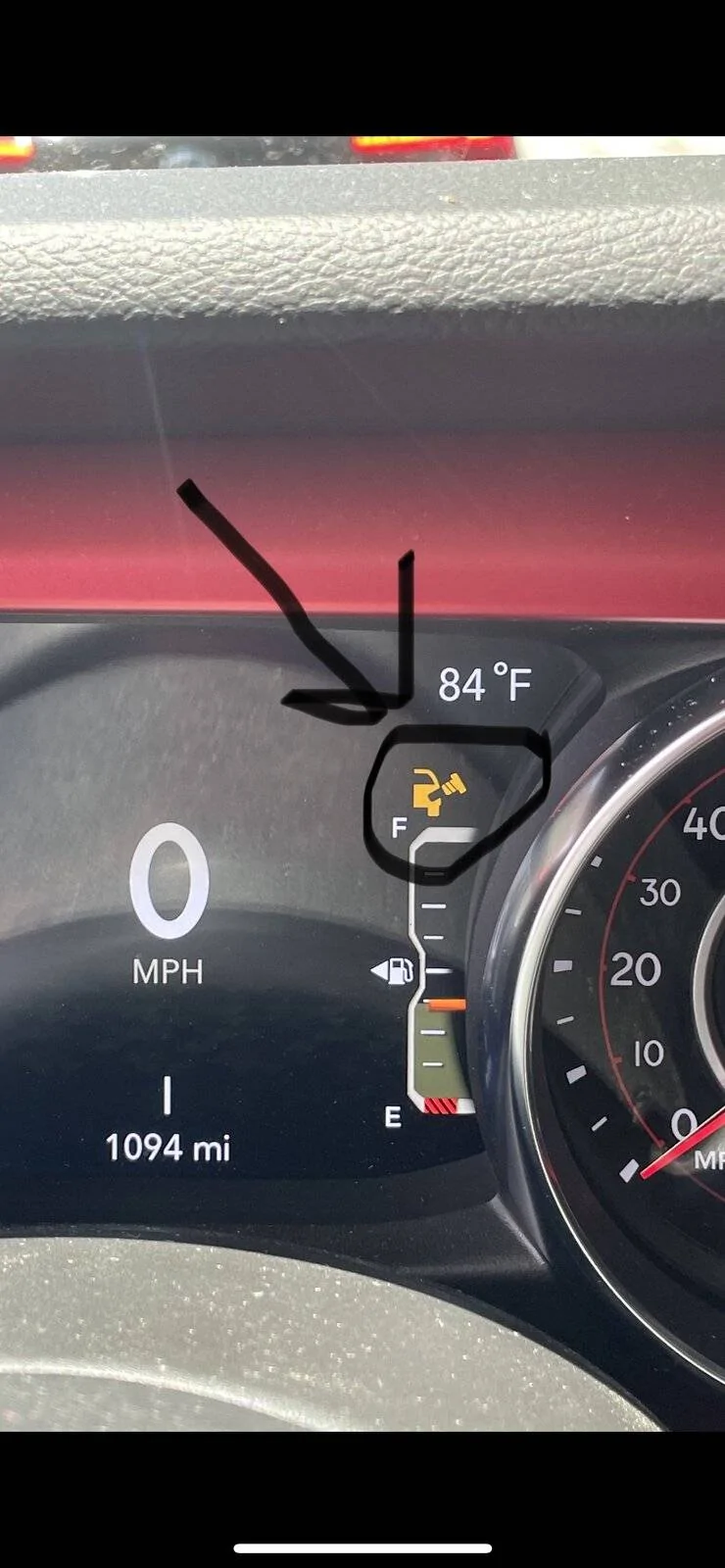
Cost-saving Benefits
The gas cap light on your Jeep Wrangler can save you money if handled correctly. Addressing this warning early avoids bigger problems. Small fixes stop minor issues from growing costly. Saving money starts with knowing what to do.
Avoiding Expensive Repairs
Ignoring the gas cap light can lead to serious engine troubles. A loose or damaged gas cap causes fuel vapor leaks. These leaks harm your Jeep’s evaporative emissions system. Repairing this system costs much more than fixing a gas cap. Fixing the gas cap early avoids costly mechanic bills.
Diy Fixes To Save Money
Many gas cap light problems you can fix yourself. Start by tightening or replacing the gas cap. A new gas cap for a Jeep Wrangler is affordable and easy to install. Cleaning the gas cap area also helps. These simple steps can turn off the warning light fast.
Using Forums And Online Resources
Jeep Wrangler owners share helpful tips online. Forums offer advice on solving gas cap light issues. You can learn from others’ experiences and avoid mistakes. Video tutorials show easy repairs step-by-step. Using these resources saves money on professional repairs.

Frequently Asked Questions
How To Clear Gas Cap Light Jeep?
Tighten the gas cap until it clicks to clear the gas cap light on a Jeep. Drive for a few miles to reset the system. If the light stays on, inspect for leaks or damaged EVAP system parts. Replace the gas cap if faulty.
Why Does It Say Check Fuel Cap But The Cap Is There?
The “check fuel cap” message appears if the cap is loose, damaged, or if the EVAP system leaks. Inspect and tighten the cap. If the warning continues, check hoses or EVAP components for leaks.
Is It Okay To Drive With The Gas Cap Light On?
Driving with the gas cap light on is generally safe briefly. Tighten or replace the gas cap to prevent fuel vapor leaks and check engine issues. Prolonged driving may cause emissions problems or trigger the check engine light. Get the gas cap checked promptly to avoid further damage.
What Else Can Cause A Gas Cap Light To Come On?
A gas cap light can also indicate EVAP system leaks, faulty ESIM valve, cracked hoses, or a damaged vapor canister. A mechanic may need to perform a smoke test to find hidden leaks.
Conclusion
The gas cap light on your Jeep Wrangler serves as a helpful alert. It usually means the gas cap is loose or damaged. Tightening or replacing the cap often fixes the issue quickly. If the light stays on, check for leaks in the EVAP system.
Cracked hoses or faulty valves can cause problems. A smoke test by a mechanic may find hidden leaks. Keeping your EVAP system in good shape saves fuel and reduces emissions. Pay attention to this light to keep your Jeep running smoothly and safely.