If your Jeep Wrangler is showing the P0016 error code, you’re probably wondering what it means and how it affects your ride. This code points to a problem with the timing between your engine’s camshaft and crankshaft sensors.
When these sensors get out of sync, your engine won’t run smoothly, and you could face serious performance issues. But don’t worry—understanding this code is the first step to fixing it and getting your Wrangler back on the road. Keep reading to learn what causes P0016, how to diagnose it, and what you can do to solve the problem quickly and effectively.
Your Jeep deserves the best care, and so do you.
P0016 Code Explained
The P0016 code signals a problem with your Jeep Wrangler’s engine timing. It means the crankshaft and camshaft sensors are out of sync. This misalignment can affect engine performance and fuel efficiency.
The engine relies on precise timing between these parts to run smoothly. The P0016 code helps identify when this timing goes wrong. Understanding what triggers this code is key to fixing the issue.
What Triggers P0016
The P0016 code triggers when the Engine Control Module detects mismatch. It compares signals from the crankshaft and camshaft position sensors. If the signals do not match the expected timing, the code appears.
Common causes include worn timing chains or belts, faulty sensors, and poor oil quality. Low or dirty engine oil can block the Variable Valve Timing system. This system needs clean oil to adjust timing correctly.
Other triggers are loose or damaged wiring to sensors. Timing chain guides and tensioners can also wear out. These parts keep the timing chain tight and aligned.
Impact On Jeep Wrangler Engine
A P0016 code can lead to rough idling and engine stalling. The engine may lose power or hesitate during acceleration. Fuel consumption can increase as the engine runs inefficiently.
Long-term driving with this code can cause severe engine damage. Timing issues can lead to valve and piston collisions. Repair should be prompt to avoid costly fixes.
Engine warning lights will stay on until the issue clears. The Jeep’s performance may feel sluggish or unstable. Proper diagnosis and repair restore engine health and reliability.
Common Causes
The P0016 code in a Jeep Wrangler points to a problem with the engine’s timing. This code means the camshaft and crankshaft are out of sync. Several common issues cause this code to appear. Identifying the root cause helps fix the problem quickly. Below are the most frequent reasons behind the P0016 code.
Low Or Dirty Engine Oil
Engine oil plays a key role in timing systems. Dirty or low oil can reduce pressure. This affects the Variable Valve Timing (VVT) system’s performance. The timing components may not adjust correctly without clean oil. Using the right oil type and changing it regularly can prevent this issue.
Faulty Camshaft Or Crankshaft Sensors
Sensors monitor the camshaft and crankshaft positions. If either sensor fails, the engine control unit gets wrong data. This leads to timing errors and triggers the P0016 code. Wiring problems or sensor damage often cause sensor failure. Replacing faulty sensors usually clears the code.
Timing Chain Issues
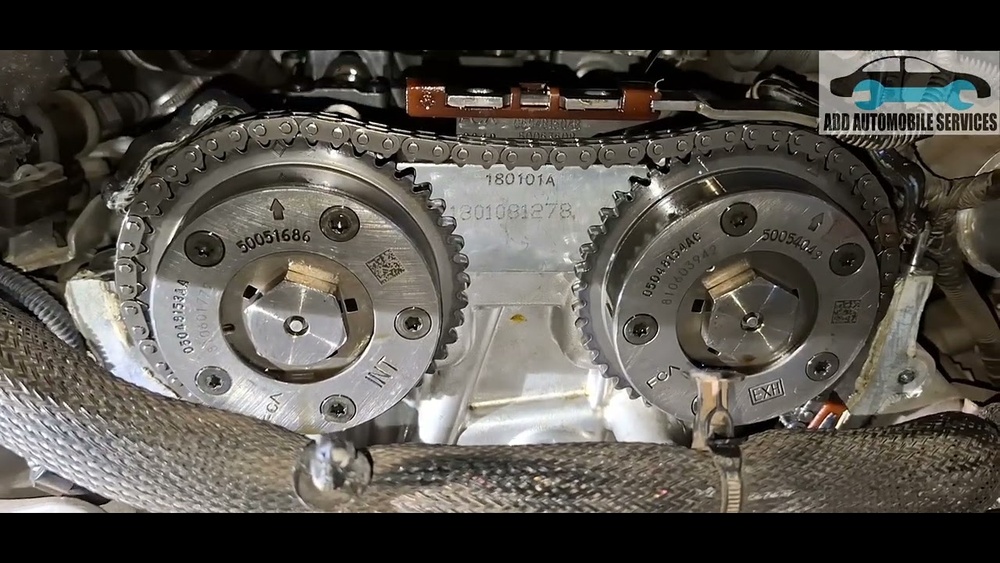
The timing chain connects the camshaft and crankshaft. Over time, it can stretch or wear out. A loose or damaged timing chain causes poor synchronization. This misalignment triggers the P0016 code. Inspecting and replacing the chain or tensioners fixes the problem.
Vvt Solenoid And Phaser Failures
The VVT solenoid controls oil flow to the phaser. The phaser adjusts camshaft timing. A stuck or faulty solenoid disrupts this process. Phaser failure also causes timing errors. Cleaning or replacing the solenoid and phaser restores proper timing function.
Diagnostic Steps
Diagnosing the P0016 code on a Jeep Wrangler requires careful inspection of several key engine components. This code points to a misalignment between the camshaft and crankshaft. Proper diagnosis helps avoid costly repairs and ensures the engine runs smoothly. The following steps outline a clear path to identify the root cause.
Checking Engine Oil Condition
Engine oil plays a vital role in timing components and the VVT system. Dirty or low oil can cause poor oil pressure, leading to timing errors. Start by checking the oil level and quality. Use the dipstick to inspect oil color and thickness. If oil appears dark or gritty, change it immediately. Also, verify the oil viscosity matches manufacturer recommendations.
Testing Camshaft And Crankshaft Sensors
Camshaft and crankshaft sensors send position data to the engine control module. Faulty sensors can cause incorrect timing signals and trigger the P0016 code. Use a diagnostic scanner to check sensor output and error codes. Inspect the sensor wiring and connectors for damage or corrosion. Replace sensors if they do not respond correctly or show intermittent signals.
Inspecting Timing Chain And Tensioners
The timing chain links the camshaft and crankshaft, keeping them synchronized. Over time, the chain can stretch or the tensioners can wear out. This causes timing misalignment and engine performance issues. Remove the timing cover to inspect the chain for slack or damage. Check the tensioners for proper pressure and smooth operation. Replace worn or loose components to restore correct timing.
Evaluating Vvt System Components
The Variable Valve Timing (VVT) system adjusts valve timing based on engine conditions. It relies on clean oil and functioning solenoids. Test the VVT solenoids for electrical continuity and correct response. Inspect the oil control valves for clogging or sticking. Clean or replace faulty parts to ensure the VVT system operates smoothly. Proper VVT function improves engine efficiency and prevents timing errors.
Fixing Low Oil And Vvt Problems
Fixing low oil and VVT (Variable Valve Timing) problems in a Jeep Wrangler is crucial for smooth engine performance. Low oil levels or dirty oil can cause the VVT system to malfunction. This leads to timing issues and triggers the P0016 code. Addressing these problems quickly prevents engine damage and costly repairs.
Proper maintenance and timely repairs help keep the VVT system working well. The following steps focus on oil care and VVT component checks. These fixes improve engine timing and overall vehicle health.
Oil Change And Maintenance Tips
Start with an oil change using the right oil type. Use oil that meets Jeep’s specifications. Check oil level regularly and top up if needed. Replace oil filters during every oil change. Clean oil ensures proper VVT system function. Avoid extended intervals between oil changes. Dirty or low oil causes low pressure in VVT parts. This leads to timing errors and engine warning lights.
Cleaning Or Replacing Vvt Solenoids
VVT solenoids control oil flow to camshaft phasers. Dirt or sludge can block solenoids, causing poor timing. Remove solenoids and clean them with a suitable cleaner. If cleaning does not improve function, replace the solenoids. New solenoids restore correct oil flow and timing control. This reduces the risk of the P0016 code returning.
Replacing Camshaft Phasers
Camshaft phasers adjust the camshaft timing. Worn or damaged phasers cause timing misalignment. Inspect phasers for wear or damage during repairs. Replace faulty camshaft phasers with OEM parts. Properly working phasers keep engine timing accurate. This prevents rough running and warning light issues.
Sensor Replacement Guide
Replacing faulty sensors is key to fixing the P0016 code on your Jeep Wrangler. This guide helps you pick the right parts and replace them safely. Follow these simple steps to restore your vehicle’s timing and performance.
Choosing The Right Sensors
Select sensors that match your Jeep’s make and model. Use OEM parts for best results. Check product reviews to ensure reliability. Avoid cheap, generic sensors that may fail quickly. Confirm the sensor’s connector fits your wiring harness precisely.
Step-by-step Sensor Replacement
Disconnect the battery before starting any work. Locate the faulty camshaft or crankshaft sensor. Remove any covers blocking access to the sensor. Unplug the sensor’s electrical connector carefully. Unscrew the sensor using the correct tools. Install the new sensor in the same position. Tighten screws to the manufacturer’s recommended torque. Reconnect the electrical connector securely. Replace any removed covers and reconnect the battery.
Post-replacement Testing
Start the engine and observe its behavior. Check for warning lights on the dashboard. Use an OBD-II scanner to clear the code. Drive your Jeep for a short distance. Monitor for any return of the P0016 error. Listen for unusual noises or engine hesitation. Confirm the timing is now operating smoothly.
Timing Chain Repairs
The timing chain in a Jeep Wrangler plays a crucial role in synchronizing the engine’s camshaft and crankshaft. Proper timing ensures smooth engine operation and prevents damage. Timing chain repairs become necessary when the chain stretches or the guides wear out. Neglecting these repairs can lead to engine misfires, poor performance, and costly damage.
Signs Of Timing Chain Slack
Timing chain slack happens when the chain becomes loose. You might hear rattling noises from the engine, especially during startup. The engine may misfire or run rough at idle. A check engine light can also indicate timing chain issues. Early detection helps prevent severe engine problems.
Replacing Timing Chains And Guides
Replacing a worn timing chain involves removing the engine cover and inspecting the chain and guides. Both the chain and guides should be replaced if wear is found. New chains restore proper tension and timing. This repair requires precision to avoid engine damage. Use only quality parts designed for Jeep Wrangler engines.
Professional Inspection Recommendations
A professional mechanic should inspect the timing chain if you notice symptoms. They can measure chain slack and check guide wear accurately. Regular inspections during oil changes help catch issues early. Trust certified technicians with experience on Jeep Wranglers. Proper diagnosis ensures the right repairs and keeps your engine running smoothly.
Preventive Maintenance
Preventive maintenance plays a key role in avoiding the P0016 error code on your Jeep Wrangler. This code often signals timing issues between the crankshaft and camshaft sensors. Keeping your vehicle well-maintained reduces the risk of timing problems and costly repairs. Small regular efforts can keep your engine running smoothly and extend its life.
Regular Oil Checks And Changes
Clean engine oil is crucial for proper timing system function. The oil lubricates the timing chain and sensors. Dirty or low oil can cause sensor errors and timing misalignment. Check the oil level every month. Change the oil as recommended by Jeep, usually every 5,000 miles. Use the correct oil type and viscosity for your Wrangler model.
Keeping Sensors And Components Clean
Dirt and grime can block sensor signals. Clean the crankshaft and camshaft sensors during routine service. Use a soft cloth and proper cleaning spray to avoid damage. Inspect wiring and connectors for corrosion or loose connections. Clean sensors ensure accurate data for the engine control module, reducing error codes.
Routine Timing Chain Inspections
The timing chain links the crankshaft and camshaft movements. Over time, the chain can stretch or wear out. This causes the P0016 code and poor engine performance. Have a mechanic check the timing chain, guides, and tensioners every 30,000 miles. Early detection prevents chain failure and expensive repairs. Replace worn parts promptly to maintain correct timing.

Helpful Resources
Finding reliable resources for diagnosing and fixing the P0016 code on your Jeep Wrangler can save time and money. Trusted guides and expert advice help you understand the problem clearly. Here are some helpful resources to assist you in this process.
Jeep Wrangler Forums
Jeep Wrangler forums bring together owners and mechanics who share real experiences. You can ask questions about P0016 and read detailed discussions. These communities often provide step-by-step tips and solutions. Forums are great for learning from others who faced similar issues.
Video Tutorials
Video tutorials show clear, visual instructions for diagnosing and repairing P0016 problems. Watching these helps you grasp complex steps easily. Many videos focus specifically on Jeep Wrangler models. They cover sensor checks, timing chain inspection, and oil system maintenance.
Expert Repair Services
Professional repair services offer thorough diagnostics and precise fixes for P0016 codes. Certified mechanics use specialized tools to identify the root cause quickly. Choosing experts ensures your Jeep’s engine timing is accurately restored. They also provide warranties for peace of mind.
Frequently Asked Questions
How Do I Fix Error Code P0016?
Fix error code P0016 by checking and replacing faulty camshaft or crankshaft sensors. Inspect timing chain and tensioners for wear. Use clean, correct viscosity engine oil to ensure proper VVT system function.
What Is The Most Common Cause Of P0016?
The most common cause of P0016 is low or dirty engine oil affecting the Variable Valve Timing (VVT) system’s oil pressure.
Is It Bad To Drive With A P0016 Code?
Driving with a P0016 code can cause engine performance issues and potential damage. Fix it promptly to avoid costly repairs.
How Much Does It Cost To Fix P0016?
Fixing code P0016 typically costs between $150 and $600, depending on parts and labor. Sensor replacement costs less, while timing chain repairs cost more.
Conclusion
The P0016 code in a Jeep Wrangler points to timing issues between the crankshaft and camshaft. Clean engine oil and proper sensor function keep the system running smoothly. Ignoring this code may lead to engine performance problems or damage. Simple checks like replacing sensors or inspecting the timing chain can help fix the issue.
Regular maintenance prevents many timing-related problems. Stay alert to warning signs and address them quickly for a reliable Jeep Wrangler.