Seeing your Jeep’s check engine light come on can be stressful, but you don’t have to panic or rush to the mechanic right away. You can actually find out what’s going on by checking the engine light code yourself.
Knowing how to check the code gives you a clear picture of what might be wrong and helps you decide the next steps. Whether you have a scanner or want to try a simple method without one, this guide will walk you through how to check your Jeep’s engine light code easily and quickly.
Keep reading to take control of your Jeep’s health and avoid unnecessary repairs!
Locating The Obd-ii Port
Locating the OBD-II port is the first step to checking the check engine light code on a Jeep. This port connects your vehicle to a diagnostic scanner. Finding it quickly makes reading error codes easier. Most modern Jeeps have the OBD-II port in similar spots.
Common Port Locations In Jeeps
The OBD-II port in Jeeps is usually under the dashboard. Look near the steering column. Sometimes it hides behind a small cover or panel. In Jeep Wranglers and Cherokees, it often sits just below the driver’s side dash. Check around the fuse box area too. The port is a trapezoid shape with 16 pins inside.
Tools Needed To Access The Port
No special tools are required to access the OBD-II port. In most cases, your hands are enough to find and reach it. A flashlight can help in dark spaces under the dash. If a panel covers the port, a flathead screwdriver or trim tool may be useful to remove it carefully. After locating the port, you can plug in an OBD-II scanner to read the codes.

Using An Obd-ii Scanner
An OBD-II scanner is a tool that helps you find out why your Jeep’s check engine light is on. It connects to your Jeep’s computer and reads error codes. These codes tell you what needs fixing. Using a scanner saves time and money. It helps you understand your Jeep’s problems quickly.
Choosing The Right Scanner
Select a scanner that works with your Jeep model. Basic scanners show error codes and clear them. Advanced scanners give detailed info and live data. Choose one with a clear screen and easy controls. Check if it supports wireless connection for convenience. Affordable and reliable scanners work best for most users.
Connecting The Scanner To Your Jeep
Locate the OBD-II port under the dashboard on the driver’s side. Plug the scanner’s connector into the port firmly. Turn your Jeep’s ignition to the “on” position without starting the engine. Wait for the scanner to power up and communicate with the vehicle. Follow any on-screen prompts to start the scan.
Reading And Interpreting Codes
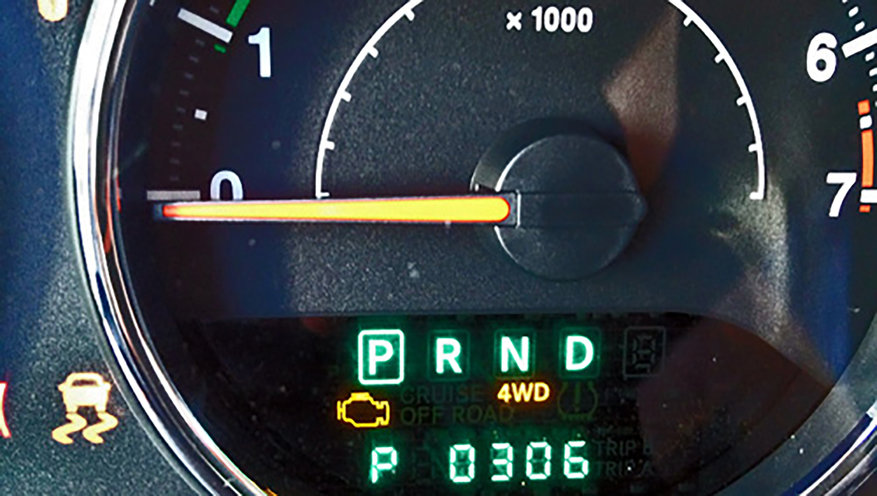
After scanning, the tool shows one or more trouble codes. Codes start with a letter followed by numbers, like P0301 or C1234. Write down the codes or take a photo for reference. Use the scanner’s guide or an online database to learn what each code means. Some codes indicate minor issues, others need urgent repair.
Checking Codes Without A Scanner
Checking engine light codes without a scanner is possible on many Jeep models. This helps identify problems fast, without special tools. The method uses built-in vehicle features to show codes. These codes explain why the engine light is on. Two common ways include using the ignition key and reading codes from the odometer. Both ways are easy and free.
Ignition Key Method For Jeep Models
Start by inserting your key into the ignition. Turn the key to the “on” position but do not start the engine. Then, turn the key back to “off.” Repeat this on-off cycle three times quickly. End by turning the key to the “on” position again. The check engine light will begin to flash. Count the flashes carefully. Each group of flashes shows a code number. Pause between each group to separate codes. Write down these numbers. This method works on many Jeep models made before 2008. The codes can be looked up online or in your Jeep’s manual.
Reading Codes From The Odometer Display
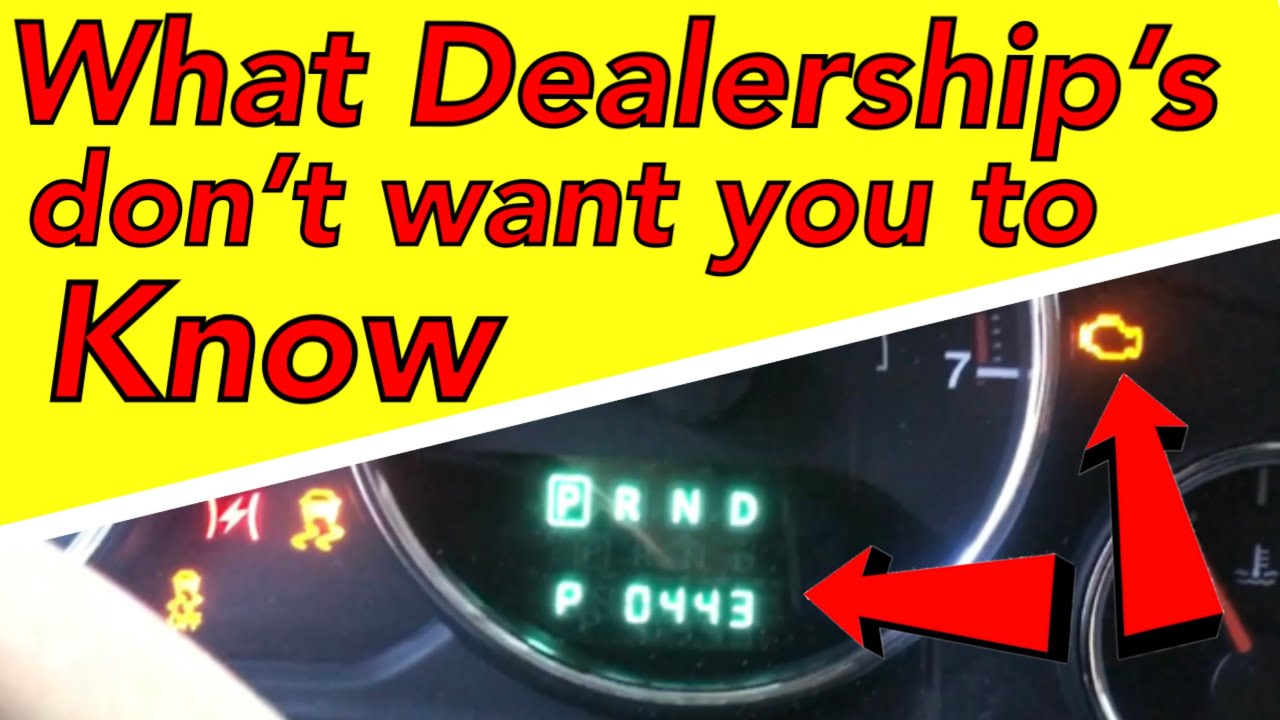
Some newer Jeep models show engine codes on the odometer screen. To check, turn the ignition to the “on” position. Watch the odometer display carefully. The screen will start to show a sequence of numbers. These numbers are your diagnostic trouble codes. Each code appears for a few seconds. Note down the codes as they appear. This method is simple and does not require any tools. Use these codes to find the cause of the engine light. This feature is available on select Jeep models with digital odometers.
Frequently Asked Questions
How Do I Check My Jeep Code Without A Scanner?
Turn the ignition key to the “ON” position without starting the engine. Watch the odometer display for flashing codes. Count flashes to read your Jeep’s error codes.
Does Autozone Still Scan Codes For Free?
Yes, AutoZone still offers free code scanning for most vehicles using their OBD-II scanner at their stores.
How Do I Check My Engine Light Code?
Insert the key, turn it to the “ON” position without starting the engine. Use an OBD-II scanner on the data port to read the engine light code. The scanner displays the diagnostic trouble code (DTC) stored in your vehicle’s computer.
What Does A Car With Squiggly Lines Mean On A Jeep?
A car with squiggly lines on a Jeep indicates the traction control or stability system is active. It helps maintain vehicle stability.
Conclusion
Knowing how to check your Jeep’s engine light code saves time and money. It helps identify problems early and keeps your vehicle running smoothly. Using simple steps or a scanner makes the process easy for anyone. Stay calm and follow instructions carefully to get accurate codes.
Regular checks can prevent bigger issues on the road. Keep this guide handy for quick reference anytime your engine light comes on. Your Jeep will thank you for the care and attention.