Seeing the check engine light come on in your Jeep Wrangler can be stressful. You might wonder if it’s safe to keep driving or how to turn that warning off quickly.
The good news is, you don’t always need a costly mechanic visit to clear this light. You’ll learn simple, effective ways to check and clear your Jeep Wrangler’s check engine light yourself. Whether it’s a loose gas cap or a quick reset using a scanner, we’ll guide you step-by-step so you can get back on the road with confidence.
Keep reading to discover how easy it can be to handle this common Jeep issue and avoid unnecessary worry.

Common Causes
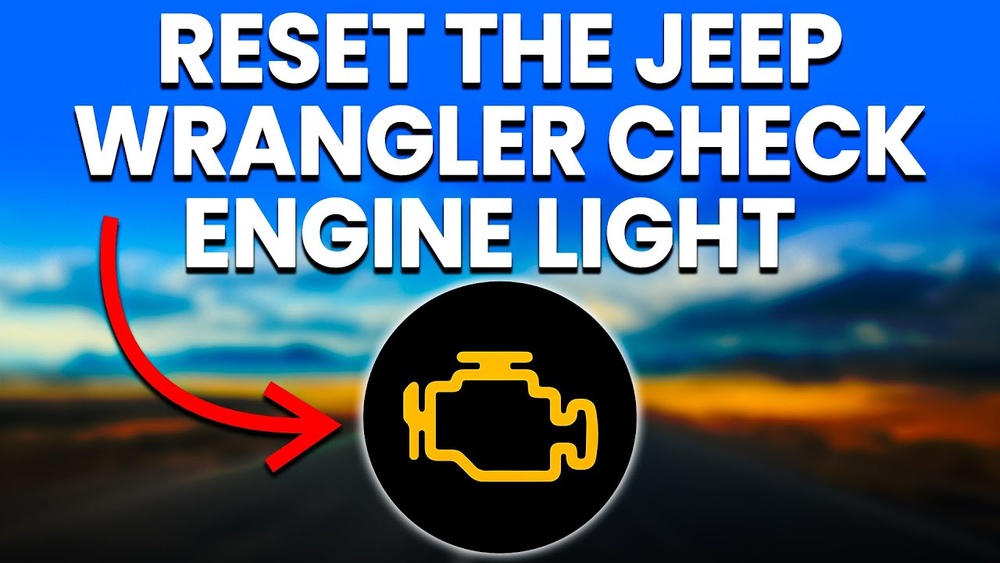
The check engine light on your Jeep Wrangler signals something needs attention. Understanding common causes helps you fix the issue faster. Often, the problem is simple but triggers the warning light.
Below are typical reasons why this light turns on. Knowing these helps you decide the next steps for your Jeep.
Loose Gas Cap
A loose or damaged gas cap can cause the check engine light to come on. It lets fuel vapors escape, upsetting the emission system. Tighten the cap until you hear a click. Replace it if cracked or broken. This fix often clears the light quickly.
Faulty Sensors
Jeep Wranglers rely on sensors to monitor engine performance. A bad oxygen sensor or mass airflow sensor can trigger the light. Sensors send wrong data to the computer, causing errors. Replacing faulty sensors can restore proper engine function and turn off the warning.
Engine Misfires
Misfires happen when fuel does not burn correctly in the engine cylinders. Causes include bad spark plugs, ignition coils, or fuel injectors. Misfires reduce engine power and increase emissions. Repairing the misfire source stops the engine light and improves driving.
Emissions Issues
Problems with the emissions system often cause the check engine light. A clogged catalytic converter or faulty EGR valve can trigger alerts. These parts reduce harmful gases from your Jeep’s exhaust. Fixing emissions parts helps pass inspections and clears the warning light.
Check Engine Codes
The check engine light on your Jeep Wrangler signals a problem detected by the vehicle’s computer. To fix the issue, you must first understand the check engine codes. These codes reveal the exact cause of the warning light. Reading these codes helps you decide the next steps for repair or reset.
Each code corresponds to a specific fault. Using the right tools, you can access these codes and clear the light safely.
Locate The Obd-ii Port
The OBD-II port is the gateway to your Jeep’s diagnostic system. It is usually under the dashboard on the driver’s side. Look near the steering column or above the pedals. The port is a 16-pin connector, easy to spot once you know where to look. Finding this port is the first step to reading your check engine codes.
Use A Scanner Tool
Connect a scanner tool to the OBD-II port. Turn the ignition key to the “ON” position without starting the engine. The scanner powers up and communicates with the vehicle’s computer. Follow the scanner’s instructions to retrieve the error codes. Many scanner tools are affordable and user-friendly, making them great for beginners.
Read And Interpret Codes
Once the scanner displays the codes, write them down. Each code starts with a letter followed by numbers, like P0300. Look up these codes online or in the scanner’s manual. The codes tell you what part or system is causing the problem. Understanding the codes helps you decide if you can fix the issue or need professional help.
Clear Codes With Scanner
Clearing the check engine light on your Jeep Wrangler is easier with a scanner tool. This method reads and erases error codes stored in your vehicle’s computer. Using a scanner saves time and ensures you know exactly what caused the warning light. Follow these simple steps to clear codes with a scanner and turn off the check engine light quickly.
Connect Scanner To Jeep
Locate the OBD-II port under the dashboard on the driver’s side. It is near the steering column. Plug your scanner’s connector into this port firmly. Turn your Jeep’s ignition to the “ON” position without starting the engine. This powers the scanner and allows it to communicate with your vehicle’s system.
Use the scanner’s buttons or touchscreen to access the main menu. Select the option to “Read Codes” or “Scan.” The scanner will retrieve all trouble codes stored in your Jeep’s computer. Write down or save these codes. They help identify the problem causing the check engine light.
Erase Trouble Codes
After reviewing the codes, find the “Erase Codes” or “Clear Codes” option in the menu. Confirm your choice to delete the stored error codes. This action resets your Jeep’s computer and turns off the check engine light. Remember, if the issue is not fixed, the light may come back on.

Manual Reset Methods
Preventing the check engine light from turning on keeps your Jeep Wrangler running smoothly. Simple habits help avoid frequent warnings. These preventive tips reduce engine issues and keep repairs low. Follow these steps to maintain your Jeep’s health.
Regular Maintenance
Keep your Jeep’s engine in top shape with regular checkups. Change oil and filters on schedule. Inspect spark plugs and belts often. Clean or replace air filters to ensure good airflow. Regular maintenance prevents many engine problems that trigger the warning light.
Check Gas Cap Regularly
A loose or damaged gas cap can cause the check engine light. Make sure the cap is tight after every fill-up. Replace the cap if it shows cracks or wear. This small step stops fuel vapors from escaping, avoiding false alerts from your Jeep’s system.
Use Quality Fuel
Fill your Jeep with good quality fuel from trusted stations. Low-quality fuel may contain impurities that harm the engine. Poor fuel can cause rough idling and misfires. Clean fuel helps the engine run efficiently and lowers the chance of check engine warnings.

Frequently Asked Questions
How Do I Turn Off The Check Engine Light In A Jeep Wrangler?
Tighten the gas cap first. Use an OBD-II scanner to read and clear codes. Alternatively, disconnect the negative battery terminal for 15 minutes to reset the light. Ensure the issue is fixed before resetting to prevent recurrence.
How To Clear A Jeep Check Engine Light Without A Scanner?
Tighten the gas cap firmly, then disconnect the negative battery cable for 15 minutes. Reconnect it to reset the check engine light.
Can I Clear My Check Engine Light Myself?
Yes, you can clear your check engine light yourself using an OBD-II scanner or by disconnecting the car battery briefly. Ensure you fix the underlying issue first. Tighten the gas cap before trying to reset the light, as a loose cap often triggers it.
Can I Drive My Jeep With The Engine Light On?
Driving your Jeep with the engine light on is possible but not recommended. It may indicate serious issues needing immediate attention. Visit a mechanic promptly to diagnose and fix the problem to avoid further damage or breakdown.
Conclusion
Clearing the check engine light on your Jeep Wrangler helps keep your vehicle running smoothly. Always start by checking the gas cap, as it often causes the warning light. Using an OBD-II scanner is an easy way to read and erase codes yourself.
Disconnecting the battery temporarily can also reset the system. Remember, if the light stays on, visit a mechanic to avoid bigger problems. Taking quick action saves time and money while keeping your Jeep safe on the road.