If you’ve noticed your Jeep Grand Cherokee’s check engine light flickering on, or worse, felt your engine suddenly lose power while driving uphill, you might be dealing with the P0349 trouble code. This code points to an issue with your camshaft position sensor circuit, a key player in keeping your engine running smoothly.
Ignoring it could mean more than just a warning light—it can lead to sluggish acceleration or your Jeep going into “limp mode,” leaving you stuck and frustrated. You’ll discover exactly what triggers the P0349 code, how to spot the signs early, and simple steps you can take to diagnose and fix the problem before it gets worse.
Keep reading to protect your Jeep and get back on the road with confidence.

P0349 Code Basics
The P0349 code is a common issue for Jeep Grand Cherokee owners. It points to a problem with the camshaft position sensor circuit. Understanding this code helps in diagnosing the problem quickly. This section explains the basics of the P0349 code clearly and simply.
What P0349 Means
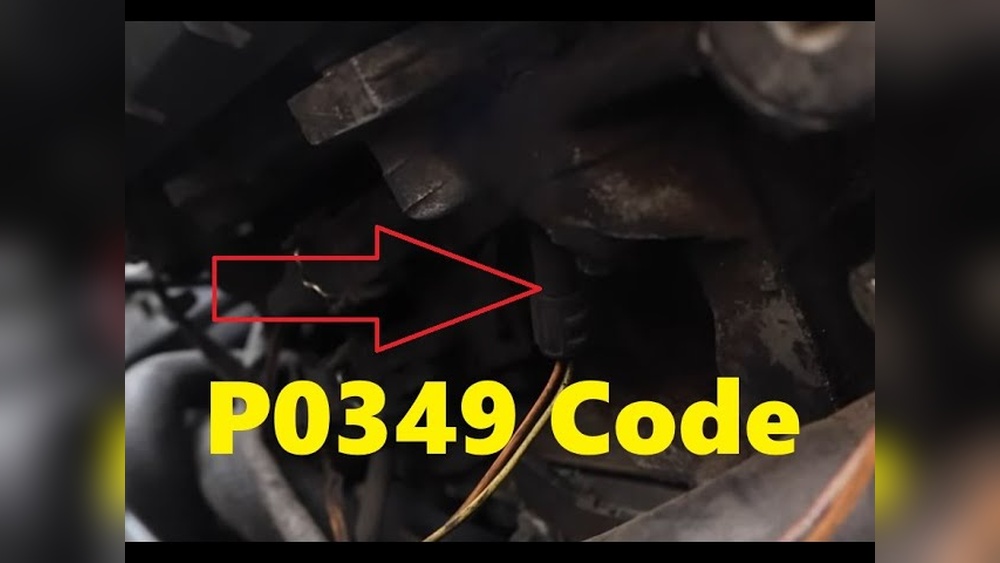
The P0349 code signals a malfunction in the camshaft position sensor circuit. This sensor tracks the position of the camshaft. It sends data to the engine control unit. The data helps control fuel injection and ignition timing. A P0349 code means there is an intermittent signal or no signal from the sensor. This can affect engine performance and cause warning lights to turn on.
Affected Jeep Models
Many Jeep models can show the P0349 code. The Jeep Grand Cherokee is one of the most common. Other models include the Jeep Wrangler and Jeep Liberty. The issue may appear in vehicles from different years. Older and newer models can experience sensor circuit problems. It’s important to check your specific Jeep’s manual for details.
Common Causes
Several factors can cause the P0349 code to appear. A damaged camshaft position sensor is one cause. Wiring issues like frayed wires or loose connections are frequent problems. Corrosion in the sensor connector can block signals. Sometimes, debris or metal flakes on the sensor cause errors. Less often, a faulty engine control unit causes this trouble. Identifying the exact cause saves time and money on repairs.
Signs Of P0349 Engine Misfire
The P0349 code signals a problem with the camshaft position sensor circuit in your Jeep Grand Cherokee. This issue often causes engine misfire symptoms. Recognizing these signs early helps prevent further damage and costly repairs.
Watch for changes in how your vehicle performs. Notice any dashboard alerts or strange engine behavior. These clues indicate the P0349 code may be active.
Check Engine Light Behavior
The check engine light usually turns on when the P0349 code appears. It may flash or stay solid depending on the severity of the misfire. A flashing light means the engine misfire is severe and needs quick attention. A steady light signals a less urgent but still important issue.
Impact On Vehicle Performance
Engine misfire from P0349 causes rough idling and poor acceleration. You might feel the engine hesitate during acceleration or hear unusual noises. Fuel efficiency drops as the engine runs inefficiently. These problems reduce driving comfort and safety.
Esc And Limp Mode Activation
The Electronic Stability Control (ESC) system may trigger due to engine misfire. This warning light appears alongside the check engine light. The vehicle may enter limp mode, limiting speed and power to protect the engine. Limp mode helps avoid severe damage but restricts driving until the issue is fixed.
Camshaft Position Sensor Role
The camshaft position sensor plays a key role in your Jeep Grand Cherokee’s engine. It monitors the camshaft’s position and speed. This data helps the engine control unit (ECU) adjust fuel injection and ignition timing. Accurate timing ensures smooth engine performance and better fuel efficiency.
If the sensor fails, the engine may run poorly or not start at all. The P0349 code indicates a problem with the camshaft sensor circuit. Understanding the sensor’s role can help you diagnose and fix the issue quickly.
Sensor A And Intake Camshaft
Sensor A refers to the intake camshaft position sensor. It tracks the position of the intake camshaft. This sensor sends signals to the ECU about the camshaft’s rotation. The ECU uses this info to control the intake valves.
The intake camshaft controls air flow into the engine. Sensor A helps the ECU time valve opening and closing. Without accurate data, engine performance drops and emissions rise.
How The Sensor Affects Engine Timing
Sensor A’s signal guides the engine’s timing system. The ECU adjusts fuel injection and spark timing based on this input. Proper timing improves power, fuel economy, and reduces emissions.
If Sensor A fails or sends incorrect signals, the ECU may misfire or delay ignition. This can cause rough idling, poor acceleration, or the engine to stall. Detecting and fixing Sensor A issues keeps your Jeep running smoothly.
Step-by-step Diagnosis
Diagnosing the P0349 code on a Jeep Grand Cherokee requires careful steps. This code points to a camshaft position sensor circuit issue. Follow each step closely to find the root cause. Proper diagnosis saves time and money. It also prevents unnecessary part replacements.
Inspecting Wiring And Connectors
Start by checking the wiring harness and connectors near the camshaft sensor. Look for signs of damage, corrosion, or loose pins. Broken or frayed wires can interrupt the sensor signal. Clean any dirty connectors gently. Secure loose connections by pushing them back firmly. This step often solves the problem without further testing.
Testing Sensor Voltage And Ground
Use a multimeter to measure voltage and ground at the sensor connector. Turn the ignition on but do not start the engine. Check if the sensor receives the correct voltage, usually around 5 volts. Confirm a solid ground connection as well. If voltage or ground is missing, the wiring or ECU might be faulty. Proper voltage ensures the sensor can send accurate signals.
Wiggling Wires To Find Loose Connections
With the engine running, gently wiggle the wiring near the sensor. Observe if the engine stumbles or the check engine light flickers. This indicates a loose or broken wire inside the harness. Wiggling helps locate hidden faults that visual checks miss. Repair or replace damaged wiring to restore a steady signal. This simple trick can quickly identify intermittent connection issues.
Sensor Cleaning Tips
Keeping the crankshaft sensor clean helps prevent the P0349 code in your Jeep Grand Cherokee. Dirt and metal flakes often cause sensor errors. Proper cleaning can improve sensor performance and engine response. Follow these sensor cleaning tips to maintain your vehicle’s health.
Removing The Crankshaft Sensor
First, disconnect the battery to avoid electrical issues. Locate the crankshaft sensor near the engine block. Carefully unplug the sensor connector. Remove the mounting bolt using the correct wrench size. Gently pull the sensor out without forcing it. Keep the sensor on a clean surface for cleaning.
Cleaning Electro-magnetic Parts
The crankshaft sensor has an electro-magnetic tip sensitive to dirt. Use a soft cloth or a small brush to remove dust. Avoid using water or harsh chemicals that can damage the sensor. A specialized electronic cleaner spray works best. Spray lightly and let the sensor air dry before reinstalling.
Dealing With Metal Flakes
Metal flakes often stick to the sensor tip from the flywheel. Use a magnet or tape to lift metal bits off gently. Avoid scratching the sensor surface while cleaning. Check the flywheel area for excessive metal debris and clean if needed. Removing flakes improves sensor accuracy and reduces error codes.
Sensor Replacement Guidelines
Replacing the camshaft position sensor on a Jeep Grand Cherokee requires careful attention. Following proper sensor replacement guidelines ensures your vehicle runs smoothly. A faulty sensor can cause engine issues and warning lights. Knowing when and how to replace the sensor saves time and money.
When To Replace The Sensor
Replace the sensor if the check engine light stays on. Limp mode or poor acceleration also signals sensor problems. If you detect rough idling or stalling, the sensor may be failing. Testing the sensor with a multimeter helps confirm the issue. Avoid driving long with a bad sensor to prevent engine damage.
Choosing The Right Replacement Part
Select a sensor designed specifically for your Jeep Grand Cherokee model. Using OEM (original equipment manufacturer) parts guarantees compatibility and reliability. Avoid cheap aftermarket sensors that may fail quickly. Check the part number and vehicle year before purchasing. Quality sensors improve engine performance and reduce future repairs.
Resetting The Ecu
Resetting the ECU (Engine Control Unit) can sometimes clear the P0349 error code on your Jeep Grand Cherokee. The ECU controls many engine functions and stores error codes when it detects a problem. Resetting it removes stored codes and may help the engine run better. This process does not fix the root cause but can clear temporary faults.
There are simple ways to reset the ECU at home. One common method is disconnecting the battery cables. This cuts power to the ECU, forcing it to reset. After reconnecting, the system starts fresh. This may turn off the check engine light and stop the P0349 code from showing. Remember, resetting the ECU is just a step in diagnosing deeper issues.
Battery Cable Disconnect Method
To reset the ECU, first turn off your Jeep. Locate the battery under the hood. Use a wrench to disconnect the negative battery cable. Leave it disconnected for about 15 minutes. This pause helps clear the ECU’s memory. After waiting, reconnect the cable tightly. Start the engine and check if the error light is gone.
Be cautious when disconnecting the battery. Some settings like radio presets may reset. Also, the engine may run rough for a few minutes after reset. This is normal as the ECU relearns engine data. If the P0349 code returns, further diagnosis is needed.
Temporary Vs Permanent Fixes
Resetting the ECU is a temporary fix for the P0349 code. It clears error codes but does not fix the sensor or wiring problem. The camshaft position sensor or its wiring may still be faulty. If the root cause is not repaired, the code will come back.
Permanent fixes involve checking the camshaft sensor, wiring, and connectors. Cleaning or replacing the sensor may be required. Repairing damaged wires or loose connections helps too. A proper fix stops the P0349 code from returning. Use ECU reset only to clear codes after repairs or for troubleshooting.

Fuel And Ignition System Checks
Fuel and ignition system checks play a vital role in diagnosing the P0349 code on a Jeep Grand Cherokee. This code points to issues with the camshaft position sensor circuit, which affects engine timing. Problems in fuel delivery or ignition can worsen the situation, causing poor engine performance. Careful inspection of these systems helps pinpoint the root cause and ensures smooth running.
Symptoms Linked To Hot Engine Conditions
When the engine heats up, symptoms often become more obvious. The check engine light may turn on and stay lit. The Jeep might enter limp mode, reducing power to protect the engine. You may notice rough idling or hesitation during acceleration. These signs suggest a sensor or circuit issue worsened by heat.
Fuel Delivery Inspection
Start by checking the fuel system for blockages or leaks. Inspect the fuel pump and fuel filter for proper operation. Low fuel pressure can cause the engine to misfire or stall. Ensure fuel injectors are clean and working correctly. Faulty fuel delivery can trigger the P0349 code by affecting sensor signals.
Ignition System Testing
Test the ignition coils and spark plugs for wear or damage. Faulty coils can cause weak or no spark, leading to engine misfires. Check wiring connections for corrosion or loose contacts. Measure voltage and resistance using a multimeter to confirm functionality. A healthy ignition system supports accurate camshaft sensor readings.
Driving With P0349 Code
Driving with the P0349 code in your Jeep Grand Cherokee means the camshaft position sensor signal is unreliable. This sensor helps the engine’s computer control timing. When faulty, it can cause engine problems. Knowing how to manage your vehicle during this issue is important. It helps prevent further damage and keeps you safe on the road.
Risks Of Continuing To Drive
Driving with the P0349 code can harm your engine. The timing may be off, causing rough idling and poor acceleration. Your Jeep could stall unexpectedly. Fuel efficiency drops, wasting gas. Engine damage can become severe over time. Repair costs may increase if ignored. Safety risks rise due to sudden power loss. Avoid long trips without fixing the problem first.
Handling Limp Mode Safely
Your Jeep may enter limp mode to protect the engine. This limits speed and power output. Drive slowly and smoothly to avoid stress on the engine. Use lower gears on hills to reduce strain. Find a safe place to stop and assess the issue. Avoid heavy traffic or highways if possible. Have the sensor checked and repaired as soon as you can. Limp mode helps you reach a service center safely.
Preventive Maintenance Tips
Preventive maintenance helps avoid the P0349 error in your Jeep Grand Cherokee. This code relates to the camshaft position sensor circuit. Keeping parts clean and checking wiring early prevents sensor failure. Simple routines can save you time and money on repairs. Focus on sensor health, wiring, and engine cleanliness to keep your vehicle running smoothly.
Regular Sensor Inspections
Check the camshaft position sensor often for signs of wear or damage. Look for cracks, dirt, or oil buildup on the sensor surface. Use a clean cloth to wipe the sensor gently. Inspect the connector pins for corrosion or bending. Replace the sensor if it shows any defects. Regular checks reduce the chance of sudden sensor failure.
Wiring Harness Care
Examine the wiring harness connected to the sensor carefully. Look for frayed wires, loose connections, or broken insulation. Secure any loose wires to avoid vibration damage. Avoid pulling on wires during maintenance to prevent disconnection. Use dielectric grease on connectors to prevent corrosion. Well-maintained wiring ensures stable sensor signals.
Keeping Engine Components Clean
Keep the engine bay free of dirt, grease, and metal flakes. Clean the sensor mounting area regularly to avoid contamination. Use a mild cleaner and soft brush for engine components. Metal flakes can interfere with the sensor’s magnetic readings. Regular cleaning helps maintain sensor accuracy and engine performance.
Conclusion
The P0349 code signals an issue with the camshaft position sensor. This problem can cause your Jeep Grand Cherokee to lose power and enter limp mode. Simple checks like inspecting wiring and testing the sensor can help find the cause.
Sometimes, cleaning the sensor or replacing a faulty part resolves the issue. Staying alert to warning lights can prevent bigger engine troubles. Regular maintenance keeps your Jeep running smoothly and safely on every drive.