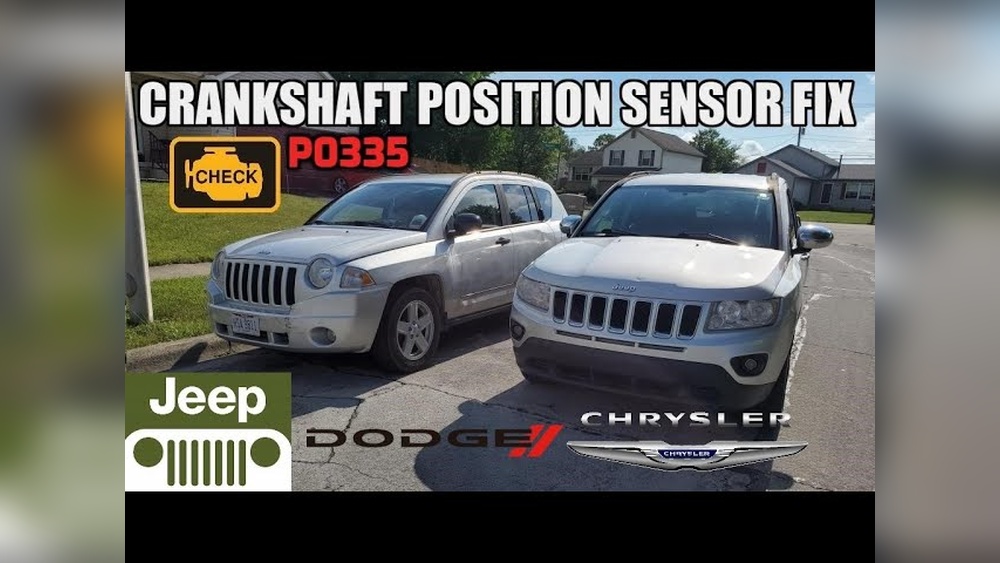
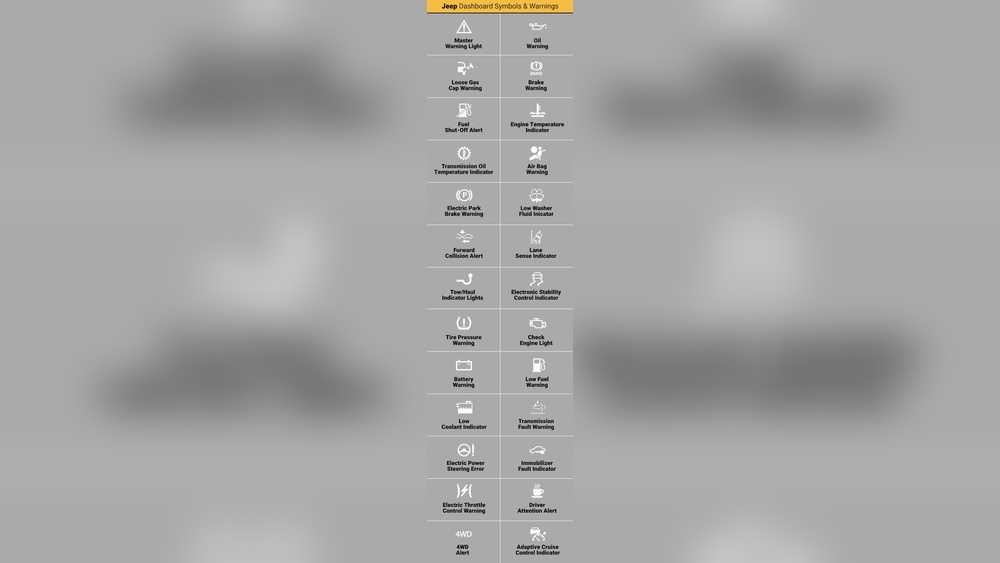
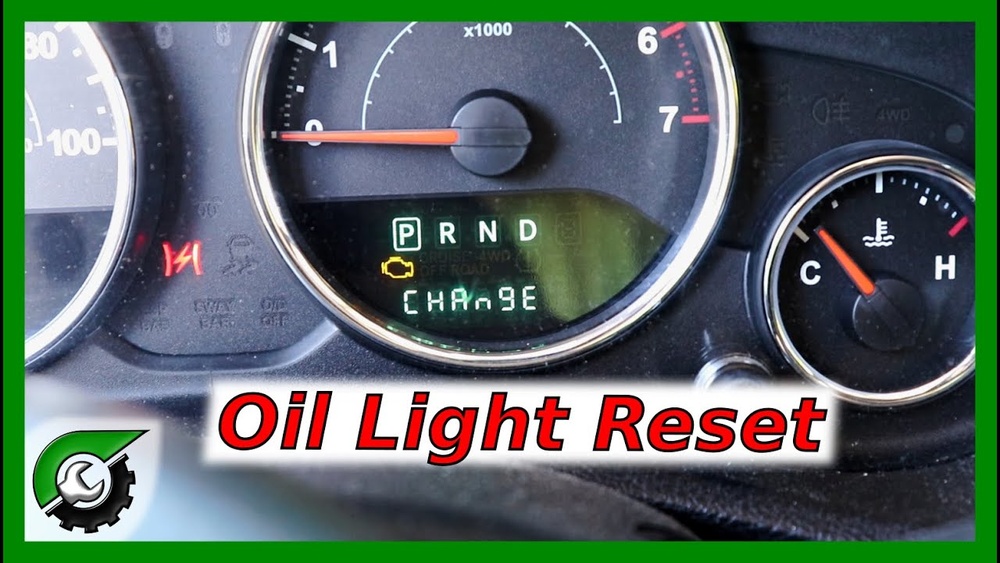
If you drive a Jeep and see the P1495 code pop up, it means your vehicle’s Leak Detection Pump (LDP) system has a problem. You might be wondering what this code actually means and how it affects your Jeep’s performance.
Ignoring it could lead to fuel leaks, decreased efficiency, or even a failed emissions test. You’ll discover what causes the P1495 code, how to diagnose it, and what steps you can take to fix it. Keep reading to protect your Jeep and keep it running smoothly on every adventure.
P1495 Code Basics
The P1495 code is a common trouble code for Jeep vehicles. It relates to the evaporative emission system. This system prevents fuel vapors from escaping into the air. Understanding this code helps you know what might be wrong. It points to a problem with the Leak Detection Pump (LDP).
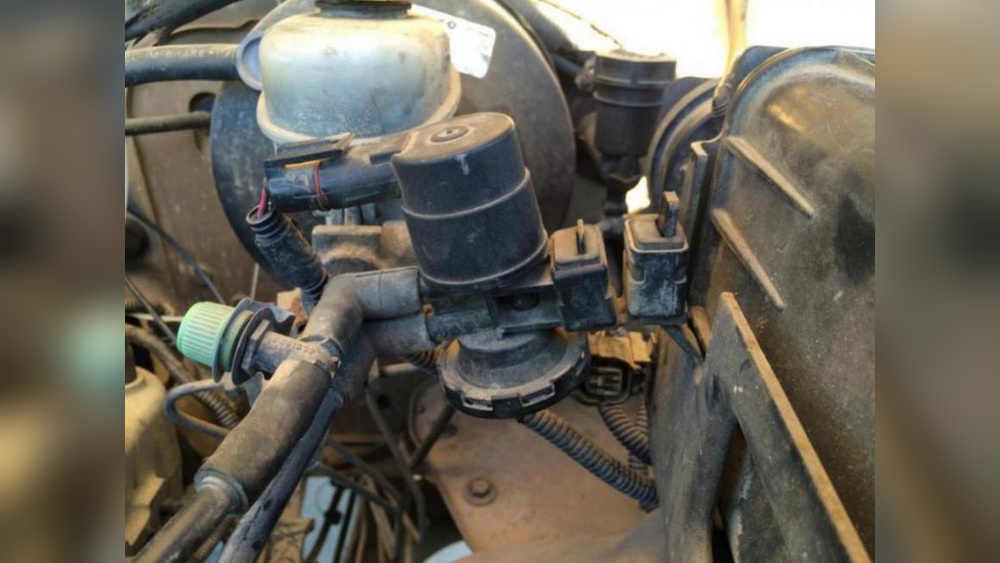
This code often means the LDP is not working as it should. The LDP plays a key role in keeping the emissions system sealed. When the LDP or its circuit fails, the P1495 code appears. Knowing the basics helps with quick diagnosis and repair.
What Triggers P1495
The P1495 code triggers when the engine control module detects a fault. It senses an issue with the Leak Detection Pump’s electrical circuit. This could be a short, open, or low voltage problem. Wiring problems or a bad pump often cause this code.
Other triggers include damaged vacuum lines or connectors. Corrosion or loose connections in the wiring harness can also set off the code. The system runs tests to check if the pump works correctly. Failure in these tests leads to P1495.
Role Of The Leak Detection Pump
The Leak Detection Pump is part of the evaporative emission system. It pressurizes the system to check for leaks. The pump helps the vehicle meet emission standards. It sends signals to the engine control module about system status.
The LDP has an electric solenoid that controls air flow. When working properly, it helps detect tiny leaks in fuel lines or tanks. If the pump fails, fuel vapors may escape. This causes higher emissions and triggers the P1495 code.
Common Causes
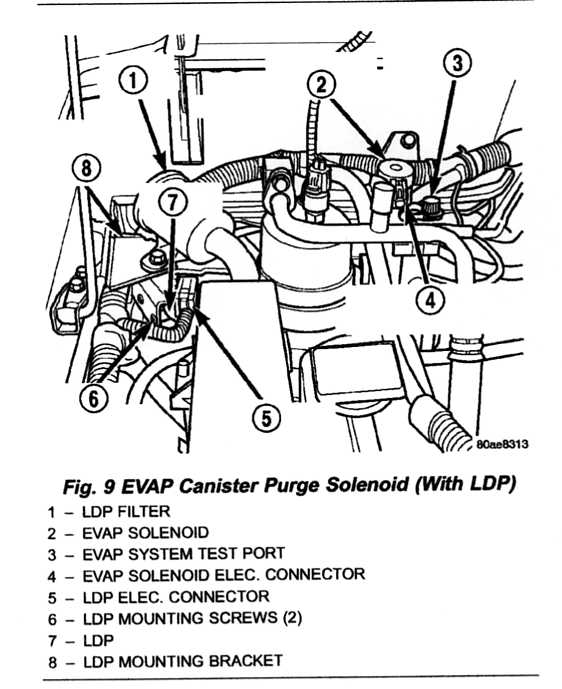
The P1495 Jeep code signals an issue with the vehicle’s EVAP system. This code often appears because of problems in the Leak Detection Pump (LDP) circuit. Understanding common causes can help you identify the problem faster. Here are the main reasons behind the P1495 code.
Faulty Leak Detection Pump
The Leak Detection Pump may fail internally. Its solenoid or switch can stop working. This failure prevents the pump from detecting leaks properly. Replacing the pump usually fixes the issue.
Damaged Wiring And Connections
Wiring to the Leak Detection Pump can get damaged or corroded. Broken wires or loose connectors stop the pump from receiving power. Checking and repairing wiring restores proper function.
Vacuum Line Problems
Vacuum hoses linked to the pump can crack or disconnect. These hoses are small and made of rubber or plastic. Damage causes leaks or loss of pressure in the EVAP system. Inspecting and replacing hoses is essential.
Battery And Power Issues
Low battery power affects the pump’s operation. Weak or corroded battery cables also cause power loss. Charging or replacing the battery and fixing cables often solves the problem.
Locating The Leak Detection Pump
Locating the Leak Detection Pump (LDP) in your Jeep is key to diagnosing P1495 error codes. The LDP plays a crucial role in the EVAP system, helping detect fuel vapors that escape into the atmosphere. Knowing where this pump sits saves time and effort during repairs. Jeep models vary, so the pump’s position is not always the same.
Jeep Model Variations
Different Jeep models place the Leak Detection Pump in unique spots. For example, the Jeep Wrangler often houses the LDP near the fuel tank or rear wheel well. The Jeep Grand Cherokee might have it closer to the engine bay or inside the rear quarter panel. Model year changes can also affect the pump’s location.
Check your Jeep’s service manual for exact details. Some models use integrated systems where the LDP is combined with other EVAP components. Others have a standalone pump that is easier to spot. Understanding your Jeep’s design helps find the pump faster.
Typical Pump Locations
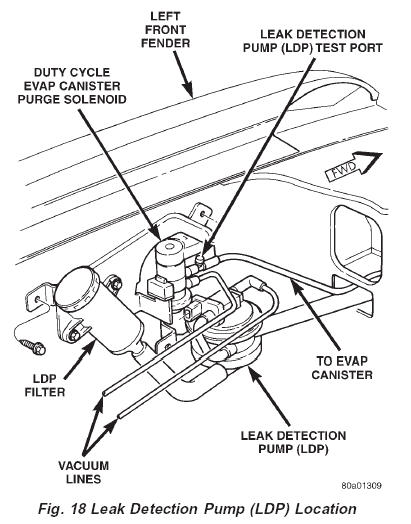
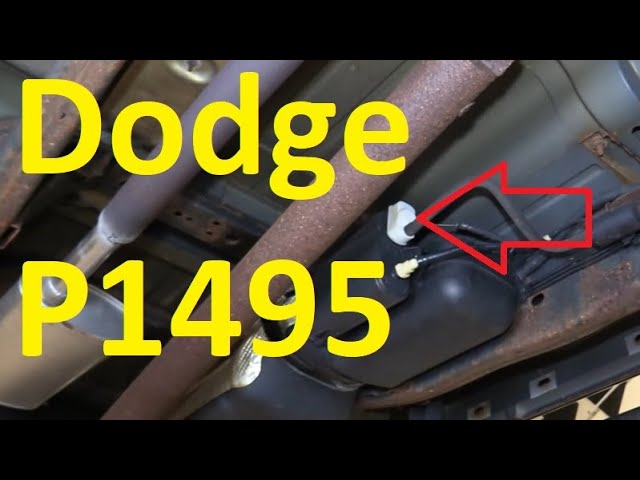
The Leak Detection Pump usually sits near the EVAP canister or fuel tank area. Common places include behind the rear bumper, inside the wheel well, or under the vehicle near the fuel tank. Some Jeeps place it inside the engine compartment, close to the firewall.
Look for a small, round or rectangular component with electrical connectors and vacuum hoses attached. The pump is often secured with clips or bolts. Dirt and grime can cover it, so cleaning the area may help reveal the pump.
Diagnosing P1495 Fast
Diagnosing the P1495 code on a Jeep requires quick, precise steps. This code relates to the EVAP Leak Detection Pump (LDP) solenoid circuit. Identifying the problem fast helps avoid further damage and keeps your Jeep running smoothly. Start with simple checks before moving to advanced tests. The following tips will guide you through efficient diagnosis.
Visual Inspection Tips
Begin by visually inspecting the LDP and its wiring. Look for broken, corroded, or loose wires near the pump. Check the electrical connector pins for corrosion or dirt. Ensure the wiring harness is intact and free from damage. Also, inspect the LDP itself for cracks or signs of wear. A quick visual check can reveal many common issues.
Using A Multimeter
Use a multimeter to test the LDP solenoid circuit. Set the multimeter to measure voltage and continuity. Check for proper voltage at the connector while the ignition is on. Test continuity between the wiring and the pump to find any breaks. A faulty solenoid or wiring will show abnormal readings. This tool helps pinpoint electrical faults fast.
Checking Vacuum Hoses
Inspect all vacuum hoses connected to the EVAP system. Look for cracks, brittleness, or disconnections. Damaged hoses can cause pressure loss and trigger the P1495 code. Gently squeeze the hoses to detect soft spots or leaks. Replace any hose that looks weak or broken. Proper vacuum hose condition is essential for the leak detection pump to work right.
Quick Fixes To Try
The P1495 Jeep code signals an issue with the EVAP system’s Leak Detection Pump. This problem often affects engine performance and emissions. Quick fixes can save time and money before visiting a mechanic. Simple checks and repairs might solve the problem fast. Below are easy steps you can try yourself.
Repairing Or Replacing Wiring
Check the wiring connected to the Leak Detection Pump carefully. Look for broken or corroded wires that cause a poor connection. Repair any damaged wires by splicing or replacing them. Use electrical tape or heat shrink tubing to protect repairs. If wires are severely damaged, replace the entire wiring harness. Secure all connections firmly to prevent loose contacts.
Replacing The Leak Detection Pump
The Leak Detection Pump can fail internally and stop working. Remove the old pump by unplugging the electrical connector and hoses. Install a new pump in the same position and reconnect all parts. Test the system after replacement to confirm the problem is fixed. This fix often clears the P1495 code quickly.
Fixing Vacuum Hose Issues
Inspect all vacuum hoses linked to the EVAP system. Look for cracks, holes, or disconnections that cause leaks. Replace any dry-rotted or brittle hoses with new ones. Make sure hoses fit tightly on all fittings. A good vacuum seal is essential for the pump to work properly.
Battery Maintenance And Charging
Low battery power can trigger the P1495 code due to weak pump voltage. Check the battery voltage with a multimeter. Charge the battery if voltage is low. Clean battery terminals and cable ends to remove corrosion. Replace the battery if it cannot hold a charge. Reliable battery power ensures the Leak Detection Pump runs correctly.
Preventative Steps
Taking preventative steps helps avoid the P1495 Jeep error code. This code signals issues in the EVAP system’s leak detection pump. Simple maintenance tasks keep your Jeep running smoothly and prevent costly repairs. Focus on key areas to maintain system health and avoid malfunctions.
Regular Evap System Checks
Inspect the EVAP system regularly for leaks or damage. Check hoses for cracks or loose connections. Replace any worn or brittle vacuum lines immediately. Keep the gas cap sealed tightly to prevent vapor leaks. Use a smoke test to detect hidden leaks in the system. Early detection helps avoid P1495 code triggers.
Battery Care Tips
Maintain a healthy battery to support the EVAP system. Check battery voltage often and recharge if low. Replace the battery if it shows signs of weakness. Avoid letting the battery drain completely. A strong battery ensures the leak detection pump receives enough power. This prevents low power malfunctions and error codes.
Keeping Electrical Connections Clean
Clean all electrical connectors linked to the leak detection pump. Remove dirt, corrosion, and moisture from terminals and plugs. Use electrical contact cleaner for best results. Secure loose wires and check for damaged insulation. Clean connections maintain proper current flow and signal strength. This reduces electrical faults causing the P1495 code.
Conclusion
The P1495 code signals an issue with your Jeep’s Leak Detection Pump. Check the pump, wiring, and vacuum hoses carefully. Fixing or replacing faulty parts can restore your vehicle’s performance. Regular inspection helps avoid bigger problems later. Stay attentive to any warning signs your Jeep shows.
Proper maintenance keeps your Jeep running smoothly and safely.