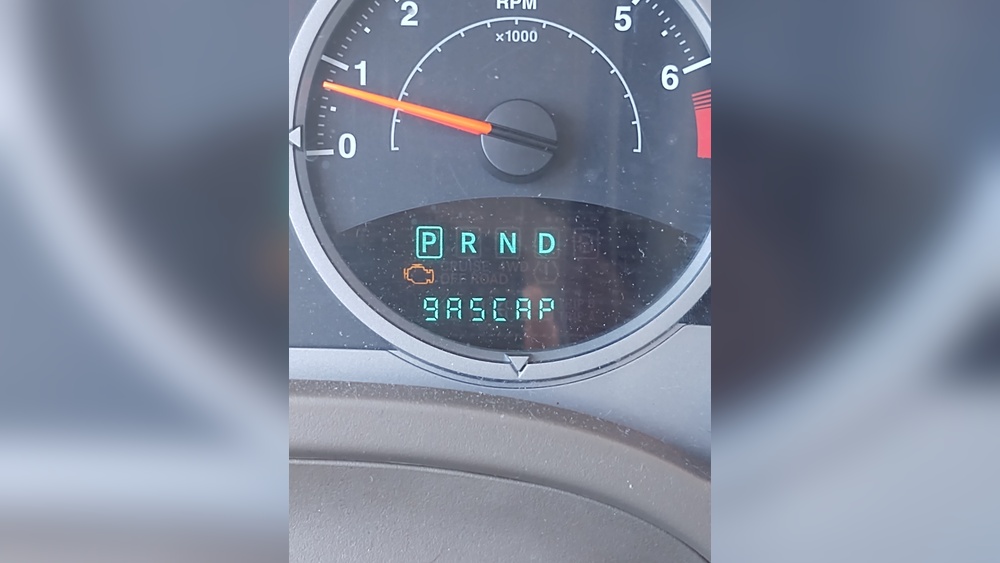
If your Jeep’s check engine light just popped on with the code P2302, you might be wondering what it means and how it affects your ride. This code points to a problem in the ignition coil’s secondary circuit—basically, the part that helps spark your engine to life.
When this circuit doesn’t work right, your Jeep can struggle to start, run rough, or lose power. But don’t worry—you’re in the right place. You’ll learn exactly what causes the P2302 code, how to spot the signs, and what steps you can take to fix it.
Keep reading to get your Jeep back on the road smoothly and confidently.
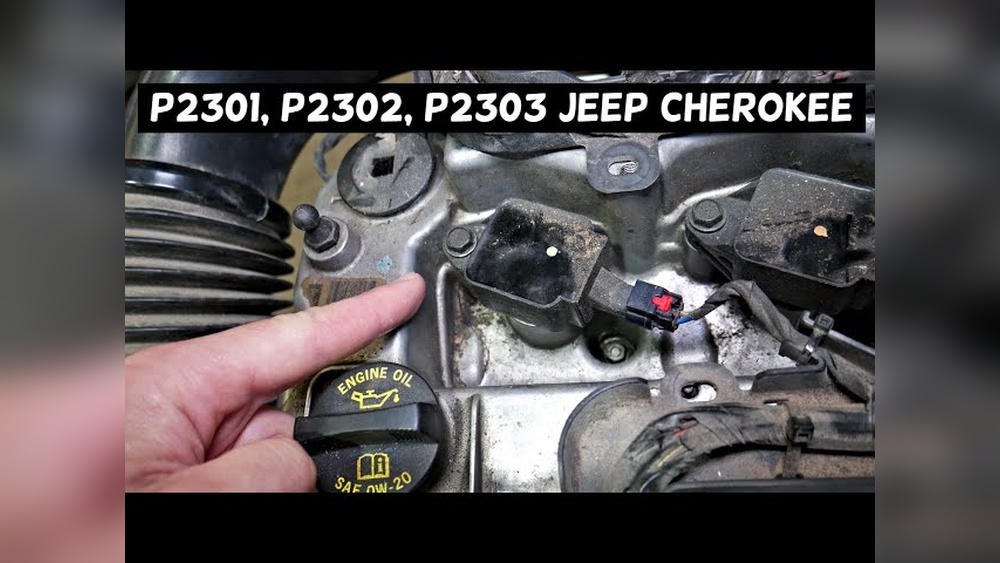

P2302 Code Basics
The ignition coil secondary circuit plays a vital role in your Jeep’s engine. It delivers the high voltage needed to create a spark at the spark plugs. This spark ignites the fuel-air mixture inside the engine cylinders. Without a properly working secondary circuit, the engine will misfire or fail to start.
Many Jeep owners encounter the P2302 trouble code, which points to a problem in the ignition coil ‘A’ secondary circuit. Understanding this circuit helps diagnose and fix the issue faster.
Role In Engine Performance
The secondary circuit sends high voltage from the ignition coil to the spark plug. This voltage is strong enough to jump the spark plug gap. This spark ignites the fuel mixture, powering the engine. A healthy secondary circuit ensures smooth engine running and good fuel efficiency. Faults here cause misfires and rough idling.
Common Failure Points
Ignition coil failure is the most frequent issue. The coil can wear out or break down over time. Spark plugs and wires also face damage or wear. Dirty or damaged plugs reduce spark quality. Frayed wiring and loose connectors in the coil harness cause weak signals. Sometimes, the engine computer (PCM) driver fails to send the right signal to fire the coil. This failure is common in older Jeep models.
Ignition Coil Secondary Circuit
Testing and diagnosing the Jeep P2302 code requires a clear and careful approach. This code points to an issue in the ignition coil’s secondary circuit. Pinpointing the exact problem saves time and money. Follow these key steps to inspect and test the system effectively.
Swap-testing Ignition Components
Start by swap-testing the ignition coil and spark plug. Move the coil and plug from the affected cylinder to a different one. Check if the error code appears on the new cylinder. If the code follows the part, replace the faulty coil or plug. This method quickly isolates bad ignition parts.
Inspecting Wiring And Connectors
Next, inspect the wiring and connectors in the coil harness. Look for frayed wires, corrosion, or loose connections. Damaged wiring can cause poor signals or no spark. Clean connectors and repair or replace damaged wires. Proper wiring ensures the coil receives the correct power and ground.
Checking Pcm Signals
Finally, check the Powertrain Control Module (PCM) signals. Use a scan tool or multimeter to verify the PCM sends the grounding pulse to fire the coil. No pulse usually means a PCM fault. This issue is common in older Jeep Wranglers and Libertys. Replace the PCM if all wiring and ignition parts check out.
Conclusion
The Jeep P2302 code points to an ignition coil issue. Fixing it helps your engine run smooth and steady. Check the coil, spark plugs, and wiring first. Swap parts to find the faulty piece quickly. Sometimes, the engine computer may cause the problem.
Staying on top of this code avoids bigger troubles later. Keep your Jeep’s ignition system healthy for better performance. Simple checks can save time and money on repairs. Don’t ignore the P2302 code; act early and drive safely.