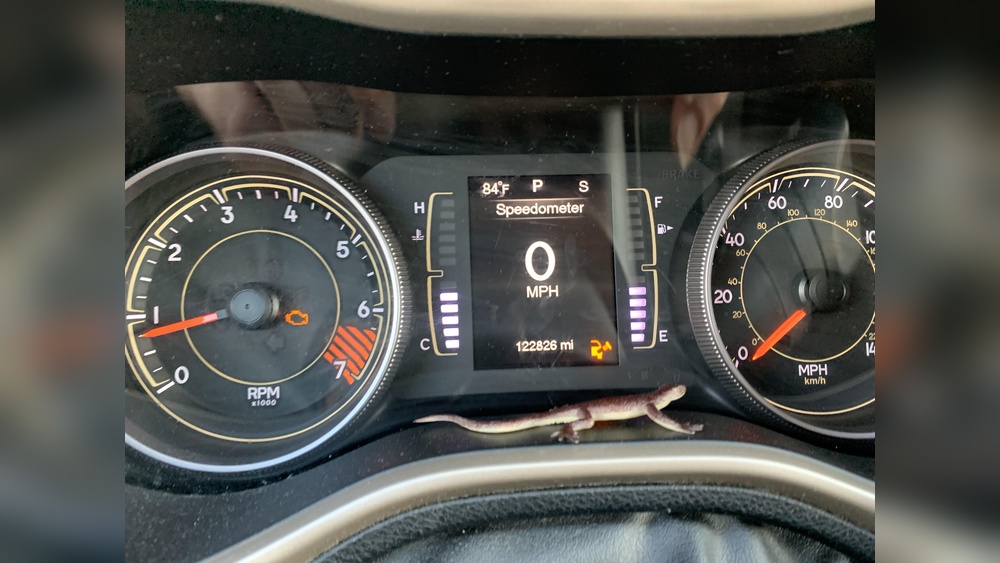
If your Jeep’s check engine light just came on, you’re probably wondering what it means and what to do next. Those blinking warning lights can be confusing and even a little scary, but understanding your Jeep check engine codes can save you time, money, and hassle.
Whether you own a Jeep Wrangler, Grand Cherokee, or any other model, knowing how to read these codes gives you the power to diagnose issues early and avoid costly repairs. In this guide, you’ll learn the most common Jeep check engine codes, how to pull codes yourself—even without a scanner—and what steps to take to fix the problem.
Keep reading to take control of your Jeep’s health and get back on the road with confidence.
Jeep Check Engine Codes Basics
Jeep check engine codes help identify car problems fast. These codes tell you what part of the engine or system needs attention. Knowing these codes helps save time and money on repairs.
Each code follows a set pattern. It starts with a letter, followed by numbers. This pattern gives clues about the problem type and location. Understanding the basics makes reading codes easier.
Standard Obd-ii Codes Explained
OBD-II codes are standard across most vehicles made after 1996. They use a letter and four numbers to describe issues. The first letter shows the system affected: P for powertrain, B for body, C for chassis, and U for network.
The first number tells if the code is generic or manufacturer-specific. Numbers 0 and 1 mean generic codes. Numbers 2 to 9 mean codes made by the vehicle maker. This helps narrow down the cause.
The last three numbers point to the exact problem. For example, P0300 means random engine misfire. P0456 signals a small fuel system leak. These details guide mechanics on what to fix.
How Jeep Codes Differ
Jeep uses the same OBD-II system but adds unique codes. These codes match Jeep’s specific parts and systems. They provide more detailed information on Jeep models.
Some Jeep codes cover unique features like 4×4 systems and off-road components. These may not appear in other brands. Jeep codes help diagnose issues that affect performance in rough conditions.
Older Jeep models may show codes differently. Some let drivers read codes using the ignition key. This can save the cost of a scanner for basic checks. Knowing these differences helps Jeep owners manage repairs better.

Reading Codes Without A Scanner
The diagnostic code table is a key tool for Jeep owners. It helps identify the exact problem causing the check engine light. Each code points to a specific system or part that needs attention. Knowing these codes saves time and money on repairs.
This table breaks down common trouble codes by system. It covers engine cylinder issues, cooling system faults, emission problems, exhaust failures, air and fuel mixture errors, and electrical system data errors. Understanding these categories makes diagnosing easier.
Engine Cylinder Issues
Codes in this group show problems with engine cylinders. They often mean misfires caused by bad spark plugs or coils. Misfires reduce engine power and fuel efficiency. Early detection prevents serious engine damage.
Cooling System Faults
These codes indicate issues with the cooling system. A common fault is a coolant temperature that is too low. This usually points to a failing thermostat. Proper cooling prevents engine overheating and costly repairs.
Evap Emission Problems
EVAP codes reveal leaks or faults in the evaporative emission system. A loose gas cap often triggers these codes. The system controls fuel vapors and keeps emissions low. Fixing EVAP faults helps pass emissions tests.
Exhaust System Failures
Exhaust system codes focus on the catalytic converter’s efficiency. A failing converter will lower system performance and increase emissions. Addressing exhaust issues improves air quality and vehicle performance.
Air/fuel Mixture Errors
These codes show when the engine runs too lean. This means too much air and not enough fuel. It can cause rough running and damage over time. Correcting air/fuel mixture keeps the engine running smoothly.
Electrical System Data Errors
Electrical system codes reveal invalid or missing data from the engine control module. This can disrupt engine operation and diagnostics. Fixing electrical faults ensures accurate system monitoring and better engine control.

Conclusion
Understanding Jeep check engine codes helps you spot issues early. You can read many codes without special tools. Simple steps reveal common problems like misfires or leaks. Fixing these can save money and prevent bigger damage. Regular checks keep your Jeep running smoothly and safely.
Stay informed and act quickly when codes appear. Your Jeep will thank you with better performance and reliability.