If you’re seeing the P0330 code pop up on your Jeep’s dashboard, you probably want to know what’s going on—and how to fix it fast. This code points to a problem with your knock sensor, a small but crucial part that keeps your engine running smoothly and prevents costly damage.
Ignoring it could lead to poor performance or even more serious engine trouble. You’ll learn what triggers the P0330 code, the common causes behind it, and clear steps you can take to diagnose and fix the issue yourself. By the end, you’ll feel confident tackling this problem and getting your Jeep back on the road without a hitch.
Keep reading to save time, money, and stress!

What Triggers P0330 Code
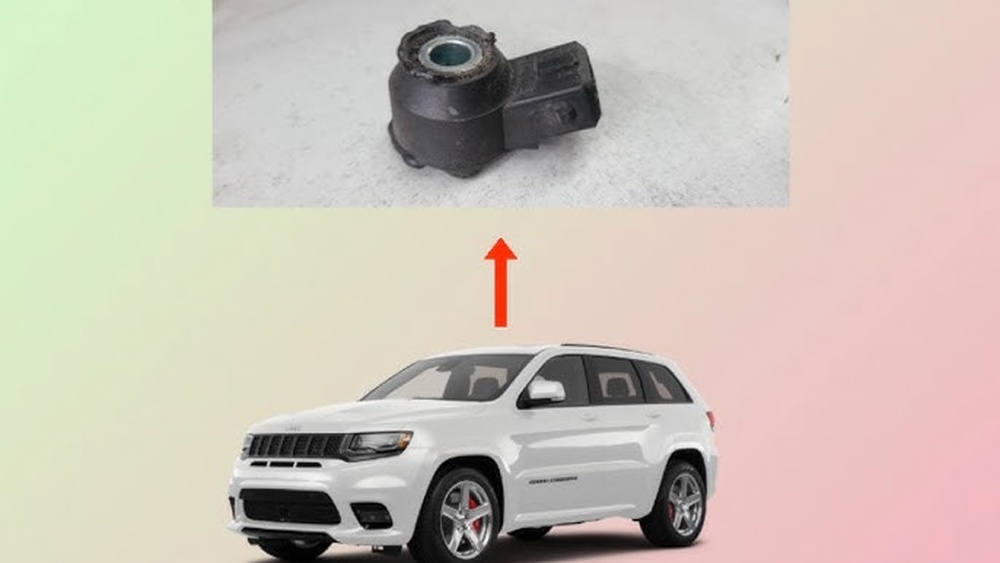
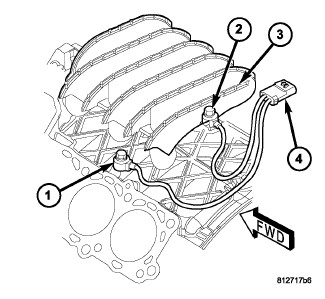
The P0330 code in a Jeep signals an issue with the knock sensor circuit. This sensor plays a key role in monitoring engine performance. Detecting what triggers this code helps in effective diagnosis and repair. Understanding the causes can save time and money.
Role Of Knock Sensor
The knock sensor detects engine knocking or pinging sounds. It sends signals to the engine control unit (ECU). The ECU then adjusts the ignition timing to prevent damage. This sensor protects the engine from harmful vibrations and misfires. A faulty sensor can cause poor engine performance and increased emissions.
Common Fault Signals
Loose or damaged wiring is a frequent cause of the P0330 code. Corrosion or heat damage affects the sensor’s electrical connection. A worn-out or failed knock sensor also triggers this code. Aftermarket engine tuning can confuse the sensor circuit. These faults stop the sensor from sending accurate signals to the ECU.
Impact Of Engine Vibrations
Engine vibrations can loosen or damage the knock sensor wiring. Continuous vibrations may cause wires to rub against hot engine parts. This can melt or fray the wiring insulation. Damaged wiring interrupts the sensor’s signal to the ECU. Proper securing of wires helps avoid these vibration-related issues.
Conclusion
The P0330 code in your Jeep points to knock sensor troubles. Checking wiring and sensor condition helps find the root cause. Fixing or replacing faulty parts restores engine performance and smooth driving. Paying attention to this issue prevents bigger engine problems later.
Regular maintenance keeps your Jeep running strong and safe. Understanding this code makes repairs easier and less stressful. Stay alert to warning signs to protect your vehicle’s health.