Have you ever noticed the “FCW Off” message light up on your Jeep’s dashboard and wondered what it means? If you’re driving around Austin or anywhere else, seeing this alert can be confusing and even a little concerning.
Understanding what “FCW Off” stands for is important because it relates directly to your vehicle’s safety system designed to help prevent collisions. You’ll learn exactly what the Forward Collision Warning system does, why it might turn off, and what steps you can take to keep yourself and your Jeep safe on the road.
Keep reading to make sure you’re fully in control of your Jeep’s safety features.
Forward Collision Warning Basics
Forward Collision Warning (FCW) is a key safety feature in many Jeep models. It helps drivers avoid accidents by alerting them to possible crashes ahead. Understanding the basics of FCW can improve your driving safety and awareness.
The system uses sensors and cameras to monitor the road ahead. If it detects a slower or stopped vehicle in front, it warns the driver quickly. This early warning gives the driver time to react and avoid a collision.
What Fcw Does In Jeep
FCW in Jeep uses radar and cameras placed at the front. These devices scan the road for obstacles and other vehicles. When a risk of collision is detected, the system sends alerts.
Alerts include sounds, dashboard lights, and sometimes vibrations. These warnings prompt the driver to slow down or stop. The system does not brake the car automatically but supports safer driving decisions.
How Fcw Enhances Safety
FCW reduces the chance of front-end crashes by warning early. It helps drivers focus on the road and react faster to sudden stops. This feature is especially useful in heavy traffic or poor visibility.
The system also lowers stress by giving clear alerts before danger gets too close. It supports safer driving habits and can prevent costly repairs and injuries. Overall, FCW makes Jeep driving safer and more confident.
Meaning Of Fcw Off On Jeep Dashboard
The Forward Collision Warning (FCW) system in Jeep vehicles relies on various sensors. These sensors work together to detect potential dangers ahead. Understanding these sensors helps explain what happens when the FCW is off.
These sensors constantly scan the road and surroundings. They collect data to alert the driver about possible collisions. The system uses different types of sensors to cover various angles and distances.
Types Of Sensors Used
Jeep FCW systems typically use radar sensors. These sensors send out radio waves to detect objects ahead. Cameras also play a key role by visually identifying vehicles and obstacles. Ultrasonic sensors can measure close distances during low-speed driving. Sometimes, lidar sensors are included for precise depth detection.
Each sensor type adds a layer of safety. Radar works well in poor weather. Cameras provide detailed images. Ultrasonic sensors help in parking and slow traffic. Together, they create a comprehensive safety net.
How Sensors Detect Potential Collisions
Sensors scan the road ahead continuously. Radar measures the speed and distance of objects. Cameras analyze the shape and movement of vehicles or pedestrians. Ultrasonic sensors detect objects very close to the vehicle.
The system compares this data to your Jeep’s speed. It calculates the time to impact if no action is taken. If the risk is high, the FCW alerts the driver immediately. Alerts can be sounds, lights, or brake warnings. This early warning helps drivers react faster and avoid accidents.
Sensors Involved In Fcw System
Jeep vehicles use Forward Collision Warning (FCW) to help prevent crashes. The system alerts drivers about possible front-end collisions. Several warning lights on the dashboard relate to FCW. These lights help drivers understand the system’s status or issues.
Recognizing these lights is important for safe driving. Each light has a specific meaning and indicates different problems or statuses. Learning about common FCW-related warning lights can keep you informed and ready to act.
Brake And Fcw Sensor Indicators
Brake and sensor indicators often appear together. The FCW system uses sensors near the front of your Jeep. These sensors monitor the distance to vehicles ahead. If the sensors detect a problem, a warning light may appear.
Brake indicator lights can also signal issues with your vehicle’s braking system. Since FCW sometimes applies brakes to avoid collisions, these lights are connected. A brake warning might mean low brake fluid or worn brake pads.
When these indicators turn on, the FCW system may stop working correctly. It is best to have a professional check the sensors and brakes. Ignoring these lights can reduce your Jeep’s safety features.
Interpreting Dash Alerts
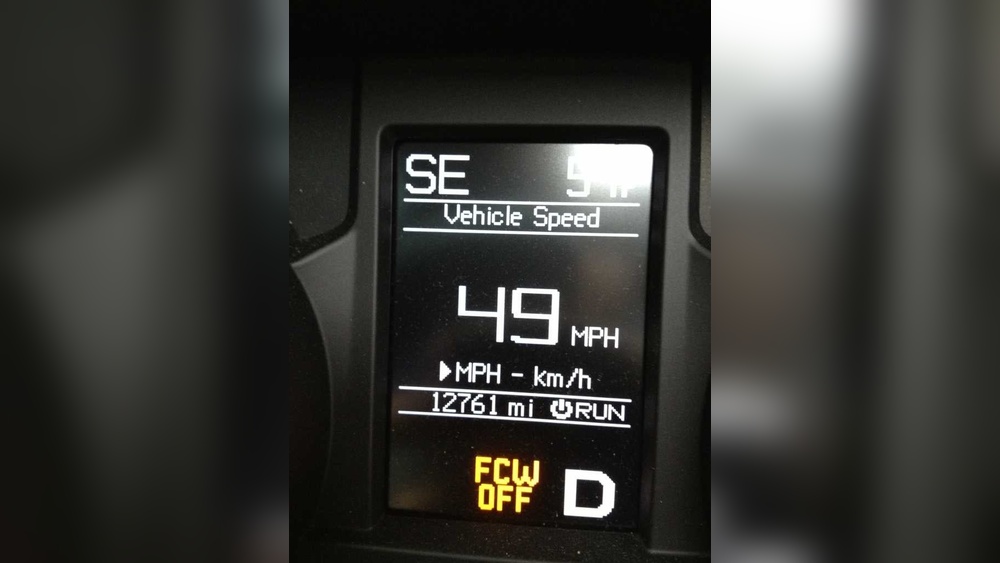
Dash alerts for FCW come in many forms. The “FCW Off” light shows the system is turned off or malfunctioning. This alert means the system won’t warn you about front collisions.
Other alerts include icons of a car with lines in front. These lines represent the forward detection by the sensors. Flashing or solid lights indicate different issues or statuses. Some alerts come with sounds or messages on the screen.
Always pay attention to these alerts. They tell you when the system needs attention or repair. Proper response ensures your Jeep’s safety systems work as designed.
Conclusion
The “FCW Off” message on your Jeep shows the Forward Collision Warning system is not active. This system helps warn you about possible crashes ahead. When off, you lose that extra safety alert. Fixing it may need checking sensors or system settings.
Staying aware while driving keeps you and others safe. Always address warning lights quickly to ensure your Jeep works well. Understanding “FCW Off” helps you drive with confidence and care.