If you’ve noticed your Jeep’s check engine light flashing or your temperature gauge acting strangely, the P2181 trouble code might be the culprit. This code points to an issue with your engine’s temperature sensor or thermostat, and ignoring it can lead to poor engine performance or even costly damage.
But don’t worry—you’re in the right place to understand exactly what P2181 means, why it happens, and how to fix it. Keep reading to learn how to protect your Jeep and keep it running smoothly no matter where the road takes you.
Symptoms Of P2181 Code
The Jeep P2181 code signals a problem with the engine’s cooling system. This code appears when the engine temperature reading is lower than expected. Several issues can cause this error. Understanding the common causes helps in diagnosing the problem quickly.
Faulty Thermostat
The thermostat controls the engine’s temperature by regulating coolant flow. A stuck-open thermostat lets coolant flow constantly. This prevents the engine from reaching the right temperature. As a result, the P2181 code may appear.
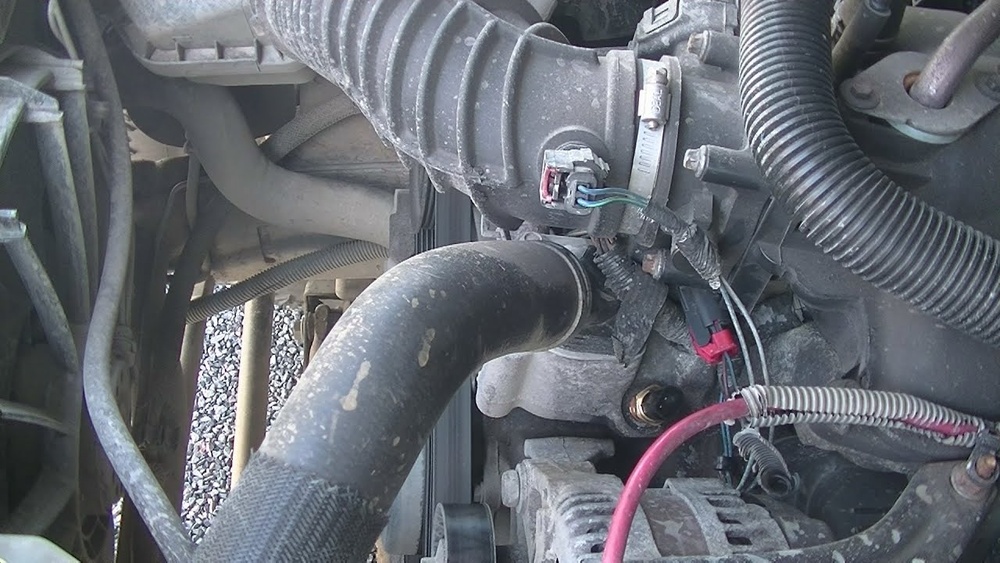
Coolant Temperature Sensor Issues
The coolant temperature sensor measures the engine’s heat. If the sensor is damaged or faulty, it sends wrong data to the engine control unit. This leads to incorrect temperature readings and triggers the P2181 code.
Low Coolant Level
Coolant keeps the engine at a safe temperature. Low coolant levels reduce the system’s efficiency. This may cause the engine to run cooler than normal and cause the P2181 code to activate.
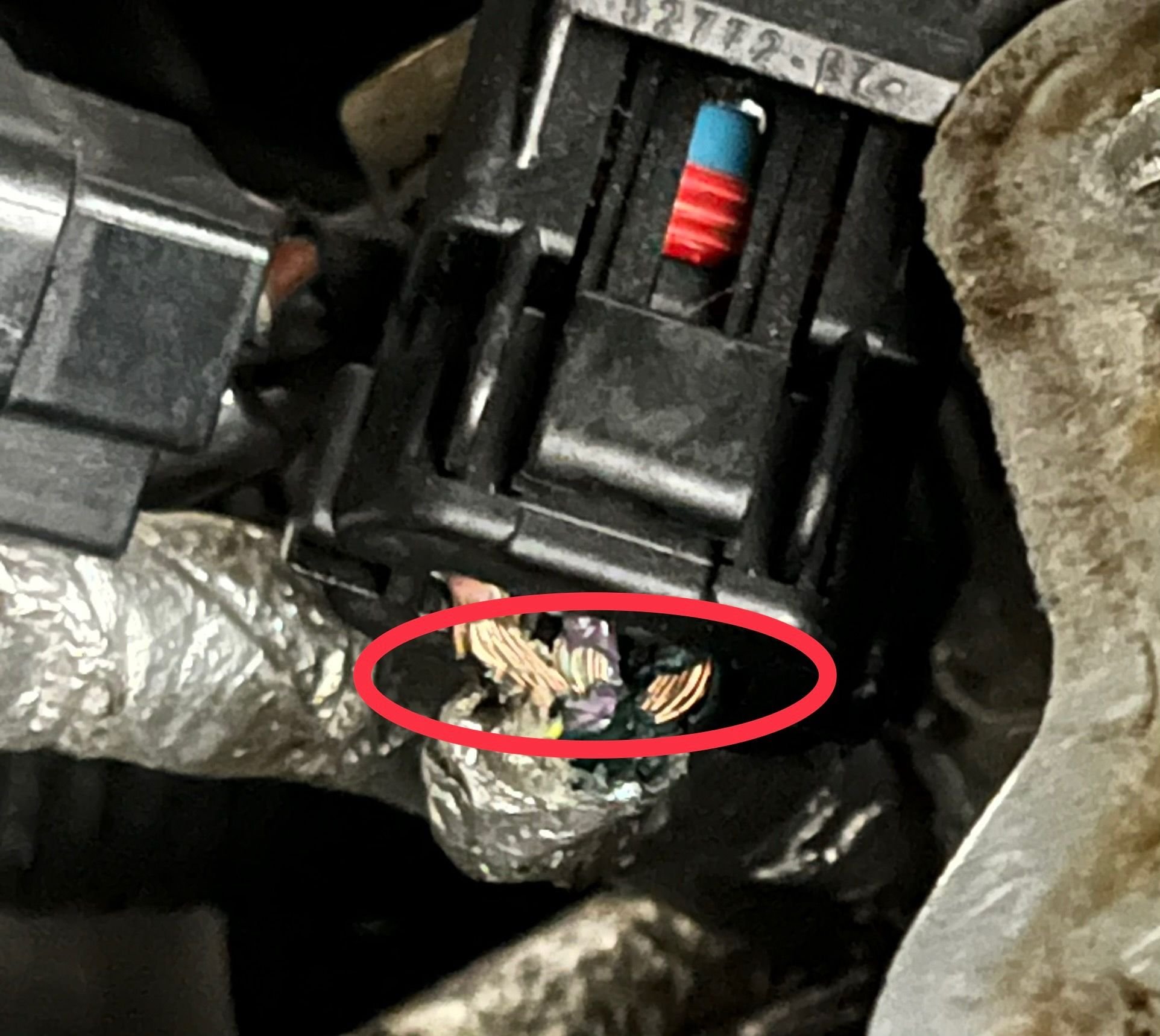
Wiring And Connector Problems
Damaged wires or loose connectors can disrupt signals from the coolant temperature sensor. This causes erratic or false temperature readings. As a result, the P2181 code may appear on the dashboard.
Common Causes
Diagnosing the P2181 code on a Jeep requires a careful approach. This code points to issues with the engine running too cold or the temperature sensor giving wrong data. Identifying the root cause saves time and money on repairs.
Start by checking the engine’s temperature data and cooling system parts. Follow clear steps to find the problem quickly and safely.
Using A Diagnostic Scanner
A diagnostic scanner reads trouble codes from the Jeep’s computer. Connect the scanner to the OBD-II port under the dashboard. This tool shows the P2181 code and related data.
Look at live temperature readings while the engine runs. If the readings are too low, it confirms the code’s issue. The scanner helps monitor sensor signals and engine conditions.
Testing The Coolant Temperature Sensor
The coolant temperature sensor tells the engine how hot the coolant is. A faulty sensor may cause the P2181 code. Remove the sensor and test it with a multimeter.
Check the sensor’s resistance at different temperatures. Compare these values to the factory specifications. Replace the sensor if readings are out of range or inconsistent.
Checking Thermostat Operation
The thermostat controls coolant flow to keep engine temperature steady. A stuck-open thermostat causes the engine to run too cold. Remove the thermostat and test it in hot water.
Watch if it opens at the right temperature. Replace the thermostat if it stays open or does not open on time. A good thermostat helps the engine reach normal operating temperature.
Inspecting Coolant Levels And Leaks
Low coolant levels cause poor temperature control. Check the coolant reservoir and radiator for proper levels. Look closely for leaks under the Jeep and around hoses.
Leaks reduce coolant and cause engine temperature problems. Fix leaks and refill coolant to the correct level. Ensure the cooling system is sealed and working well.

Conclusion
The Jeep P2181 code points to a coolant temperature sensor issue. This sensor helps the engine run at the right temperature. Ignoring this problem can cause poor fuel economy and engine performance. Fixing it early saves money and trouble later.
Check your sensor and thermostat to keep your Jeep running smoothly. Regular maintenance helps avoid unexpected breakdowns on the road. Stay alert to warning signs like fluctuating temperature or engine lights. Taking quick action ensures your Jeep stays reliable and safe to drive.