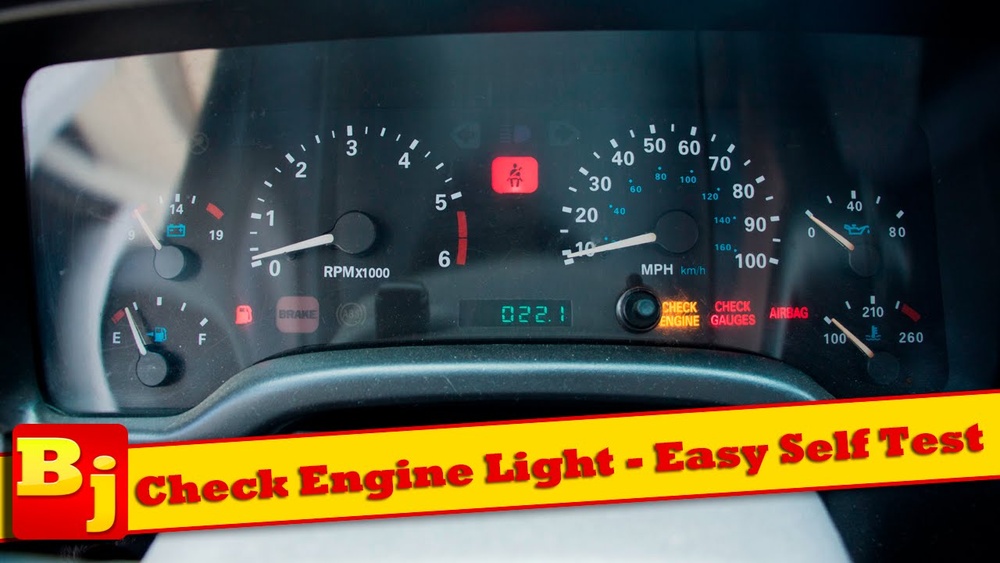
If your Jeep’s check engine light just came on with the P0455 code, you might be wondering what it means and how serious it is. This code points to a large leak detected in your vehicle’s EVAP system, which controls fuel vapors to reduce pollution.
You could be dealing with something as simple as a loose gas cap or a more involved issue like cracked hoses or a faulty valve. Ignoring this problem won’t just risk your Jeep failing emissions tests—it could also affect your fuel efficiency and overall performance.
Keep reading to find out exactly what causes the P0455 Jeep code, how you can spot the problem, and what steps you should take to fix it quickly and affordably.

P0455 Jeep Code Basics
The P0455 Jeep code signals a large leak in the evaporative emission system. This system controls fuel vapors and prevents harmful gases from escaping into the air. When the system detects a big leak, it triggers the P0455 code.
Understanding the basics of this code helps Jeep owners identify and fix the problem quickly. The code points to issues in the EVAP system that affect performance and emissions. Early attention can save time and money on repairs.
What The Code Means
P0455 means the EVAP system has a large leak. The system checks for fuel vapor leaks. A leak lets vapors escape, causing pollution and fuel loss. The vehicle’s computer monitors pressure and flow. When it finds a big leak, it sets the P0455 code. This code usually triggers the check engine light.
Common Symptoms
A few signs show the P0455 code is active. The check engine light will turn on. You may notice a strong fuel smell near the vehicle. The gas cap might feel loose or damaged. Sometimes, the engine runs rough or stalls. Fuel economy can drop slightly. The Jeep may fail emissions tests due to the leak.
Frequent Causes
Inspecting the EVAP system is a key step to diagnose the P0455 Jeep code. This code signals a large leak in the evaporative emission control system. The EVAP system traps fuel vapors and prevents them from escaping into the air. Finding the source of the leak helps restore proper function and reduce pollution.
Start your inspection by checking simple parts. Then move to more complex components. Use a careful approach to avoid missing small but critical issues. Here are three important areas to focus on during your EVAP system inspection.
Checking Gas Cap Seal
The gas cap seal is often the cause of EVAP leaks. Inspect the rubber gasket on the gas cap for cracks or damage. A loose or missing seal lets vapors escape. Tighten the gas cap until it clicks. Replace the cap if the seal looks worn or broken. A good seal keeps the system airtight and prevents code P0455.
Tracing Vacuum Lines
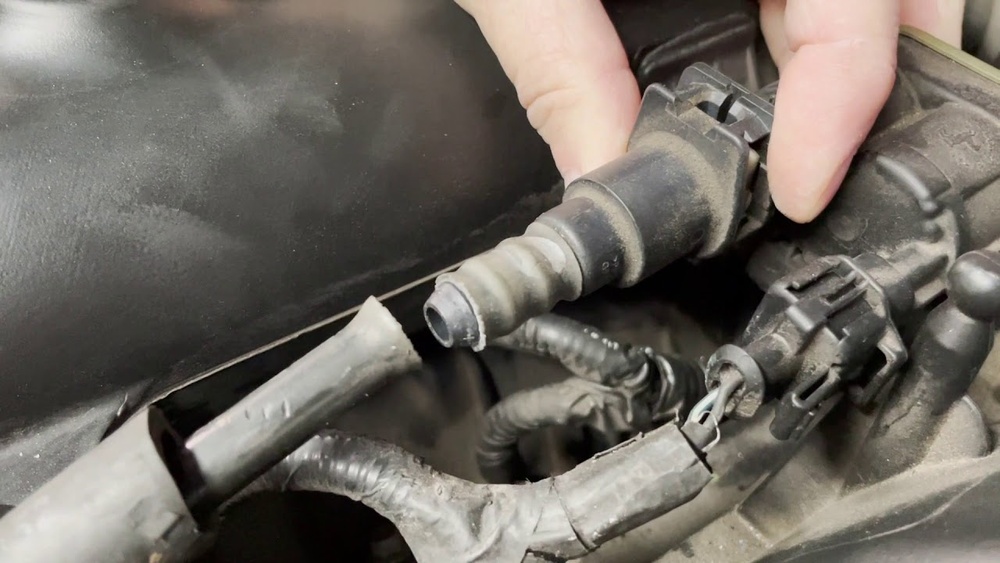
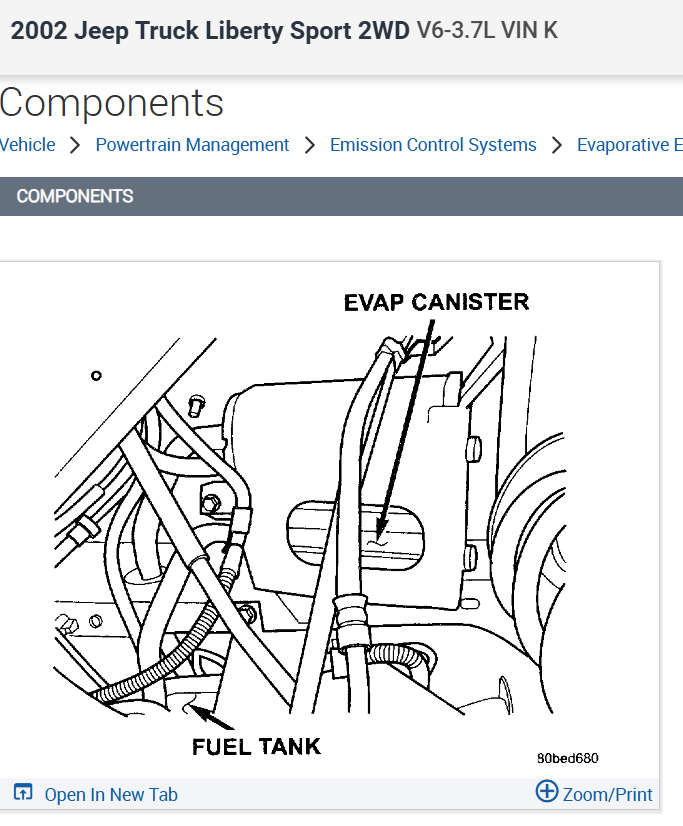
Vacuum lines connect various EVAP parts. Check each hose for cracks, splits, or disconnections. Rubbery hoses can dry out and crack over time. Follow each line from the fuel tank to the purge valve and charcoal canister. Secure any loose hoses and replace damaged ones. Even small cracks cause large leaks, triggering the error code.
Testing The Purge Valve
The purge valve controls vapor flow from the charcoal canister to the engine. Disconnect the electrical connector and vacuum lines. Remove the valve and inspect for dirt or damage. Test the valve by applying voltage to see if it opens and closes. Replace the valve if it fails to operate correctly. A faulty purge valve often causes a P0455 code.
Inspecting The Evap System
Knowing when to seek professional help for a P0455 Jeep code saves time and avoids further damage. Some issues are easy to fix, but others need expert attention. Watch for signs that show the problem is more serious.
Persistent Check Engine Light
If the check engine light stays on after basic fixes, see a mechanic. The P0455 code means a large leak in the EVAP system. A loose gas cap is a common cause, but if tightening it doesn’t help, the problem may be bigger. Persistent warning lights signal that the system needs a detailed inspection.
Complex Evap System Issues
The EVAP system has many parts like valves, hoses, and the charcoal canister. Finding the exact leak can be tricky. Professionals have tools to test the system pressure and find hidden leaks. Complex problems like a faulty vent valve or cracked canister require expert repair to prevent engine damage and emissions failure.
Conclusion
The P0455 Jeep code points to a large EVAP system leak. Checking hoses, the gas cap, and the purge valve helps find the problem. Fixing these parts is usually affordable and straightforward. Driving with this code won’t harm your Jeep immediately but may affect emissions and fuel economy.
Addressing the issue early keeps your vehicle running clean and saves money. Regular inspections prevent bigger problems down the road. Stay alert to warning signs and act quickly for the best results.