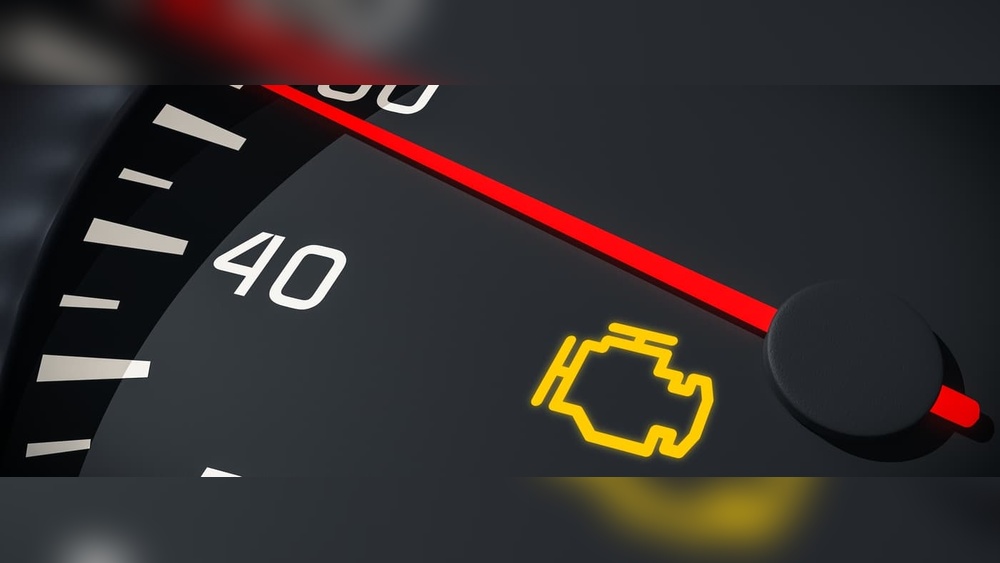
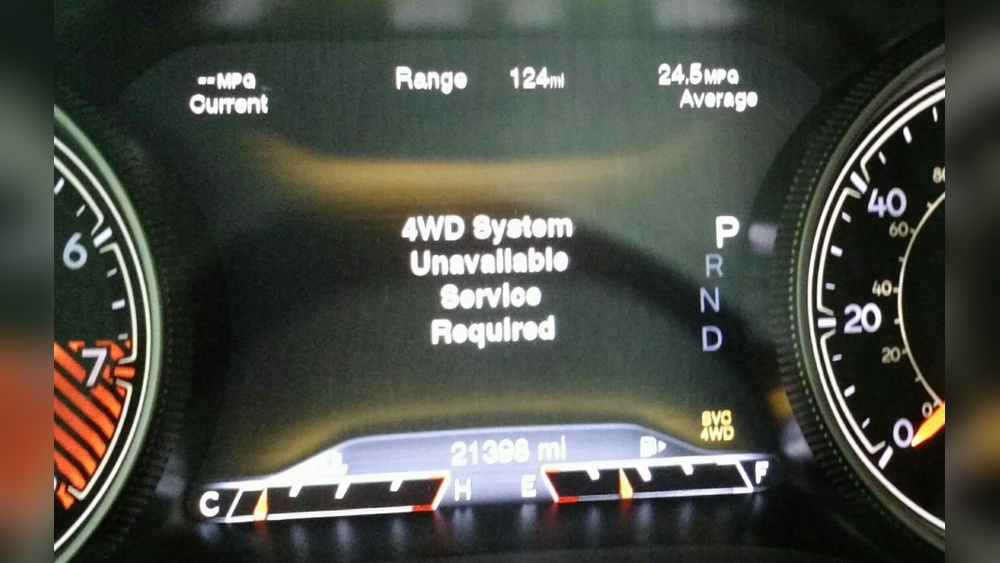
Seeing your Jeep’s check engine light come on can be unsettling. You might wonder, “Is it something serious?
Can I keep driving? ” That little light is your Jeep’s way of telling you that something needs attention—whether it’s a simple fix like a loose gas cap or a more critical engine issue. Ignoring it could lead to bigger problems and costly repairs down the road.
But don’t worry—you’re in the right place. This article will help you understand what your Jeep’s check engine light really means, how to quickly check the trouble codes yourself, and what steps to take next. Keep reading to take control of your Jeep’s health and avoid surprises on the road.
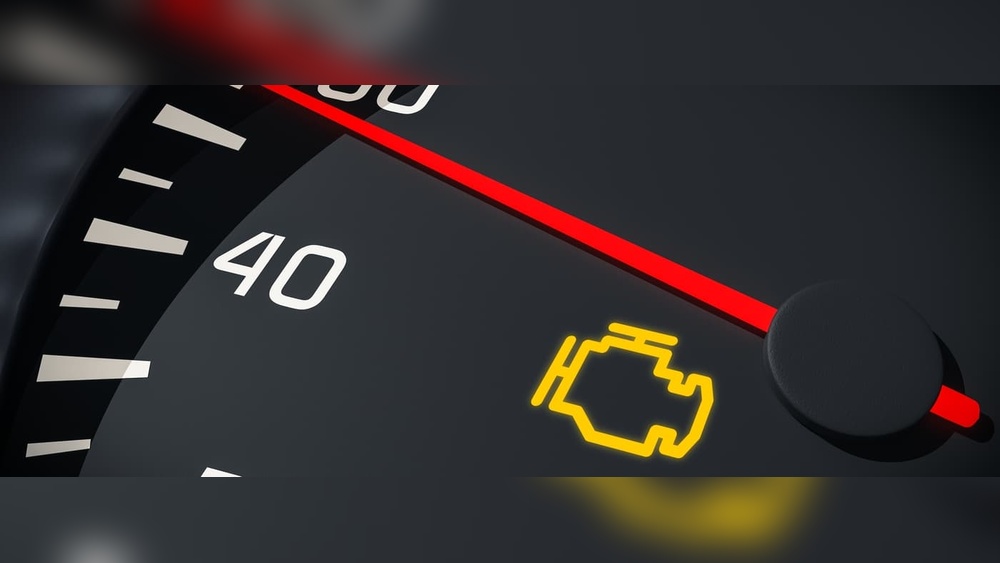
Check Engine Light Basics
Reading trouble codes is the first step in understanding why your Jeep’s check engine light is on. These codes reveal specific problems detected by your vehicle’s diagnostic system. Knowing how to read these codes helps you decide whether to fix the issue yourself or visit a mechanic.
There are two common methods to access trouble codes. One uses the Jeep’s dashboard without extra tools. The other uses an OBD-II scanner, which provides detailed information. Both ways are easy to use and save time.
Using The Dashboard Method
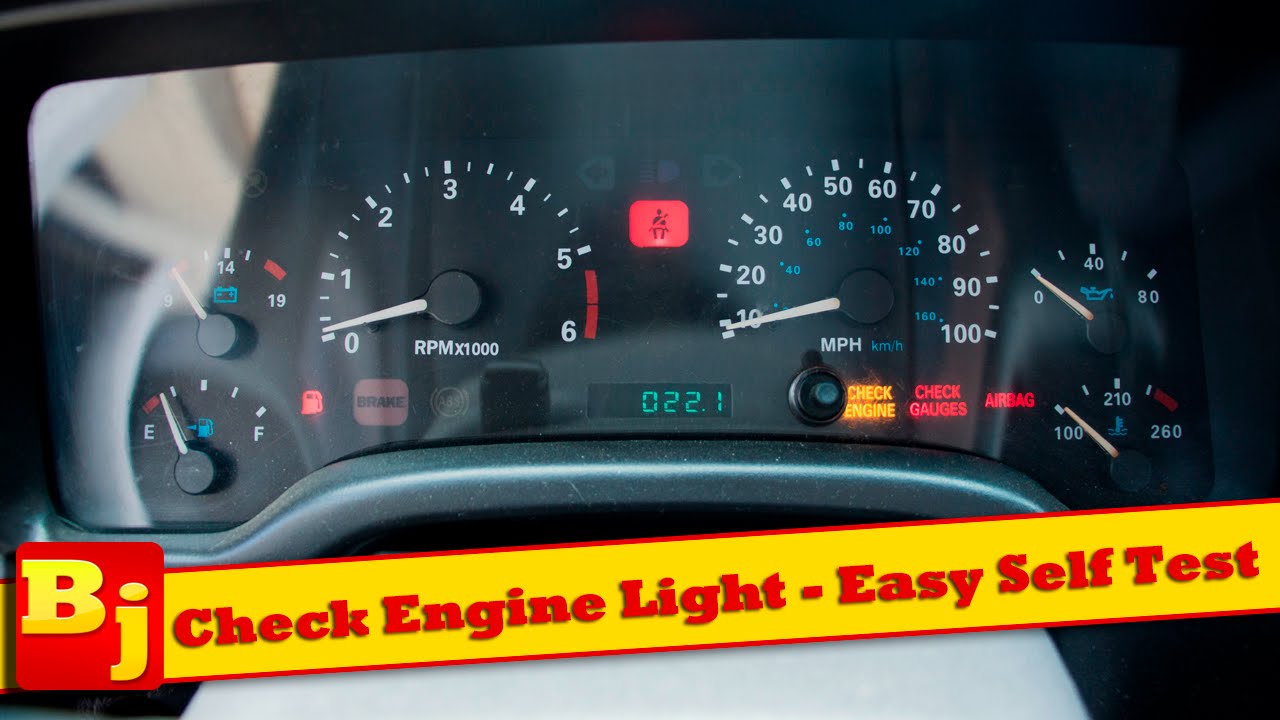
This method works on many Jeep models without special equipment. Start by closing all doors and turning the ignition off. Insert the key and quickly switch it from OFF to RUN three times. End with the key in the RUN position but do not start the engine.
The odometer or dashboard screen will flash a series of numbers. These numbers are the trouble codes. Write them down carefully. Each code corresponds to a specific issue in your Jeep. Check the owner’s manual or online resources to understand what the codes mean.
Obd-ii Scanner Options
OBD-II scanners plug into a port under the dashboard. They read trouble codes directly from the Jeep’s computer. Some scanners display the code on their screen. Others connect to a smartphone app for easy reading.
Basic scanners show the code and a brief description. Advanced models provide more details and suggested fixes. Buying a scanner is a good idea if you want to check codes often. It helps you track problems before they get worse.
Both methods help you learn more about your Jeep’s health. Reading trouble codes early can save money and prevent bigger repairs.
Common Causes
The Jeep check engine light signals a problem detected by your vehicle’s system. It can turn on for many reasons, from minor to serious. Knowing when it is safe to drive with the light on helps protect your Jeep and your safety. Understanding the difference between safe and urgent situations is key.
Safe To Drive Situations
A steady check engine light usually means a non-urgent issue. You can drive your Jeep for a short time in this case. Common causes include a loose gas cap or minor emissions problems. These issues do not cause immediate damage.
Watch for other symptoms like strange noises or poor performance. If none appear, you can drive carefully to a repair shop. Still, schedule a check-up soon to avoid bigger problems.
When Immediate Attention Is Needed
A flashing check engine light means a serious problem. It often signals engine misfire or damage to the catalytic converter. Driving with a flashing light can harm your Jeep and increase repair costs.
Stop driving as soon as it is safe. Call for roadside assistance or tow your Jeep to a mechanic. Ignoring this warning can lead to engine failure or unsafe driving conditions.
Also, if you notice smoke, strange smells, or loss of power, seek help immediately. These signs mean your Jeep needs urgent care.
Reading Trouble Codes
Preventive maintenance helps keep your Jeep running smoothly and prevents unexpected check engine light alerts. Simple routine care stops small problems from becoming costly repairs. Regular upkeep improves engine performance and fuel efficiency. Follow these easy tips to maintain your Jeep’s health and avoid engine light issues.
Regular Engine Checks
Check your engine oil level and quality often. Low or dirty oil can cause engine damage and trigger the check engine light. Inspect belts and hoses for cracks or wear. Replace them if needed to avoid breakdowns. Listen for unusual noises or vibrations during driving. These can signal early engine troubles. Keep your air filter clean to ensure proper airflow. A clogged filter reduces engine power and increases emissions.
Keeping Emissions Systems Healthy
Ensure your gas cap fits tightly and seals well. A loose cap can cause fuel vapor leaks and light up the check engine warning. Have your catalytic converter checked regularly. It reduces harmful emissions and keeps your Jeep environmentally friendly. Replace oxygen sensors as recommended by the manufacturer. Faulty sensors can cause poor fuel economy and engine light alerts. Avoid skipping scheduled emissions inspections to catch issues early.


Conclusion
A Jeep’s check engine light signals a problem needing attention. It may be something simple, like a loose gas cap, or more serious issues. Driving with the light on is possible but not recommended for long. Always check the trouble code to understand the cause.
Early diagnosis helps avoid costly repairs and keeps your Jeep running smoothly. Stay alert to your vehicle’s warnings for safe and reliable driving.