If you own a 1990 Jeep Wrangler, you might have wondered: does this classic ride come with a check engine light? Understanding whether your Jeep has this warning system can save you time and money when diagnosing engine troubles.
Without that familiar light, spotting problems early can be tricky, leaving you guessing what’s wrong under the hood. You’ll discover the truth about the 1990 Wrangler’s check engine light, how to identify engine issues without it, and simple steps you can take to keep your Jeep running smoothly.
Keep reading to learn what every Wrangler owner should know about engine diagnostics and maintenance.
Check Engine Light On 1990 Jeep Wrangler
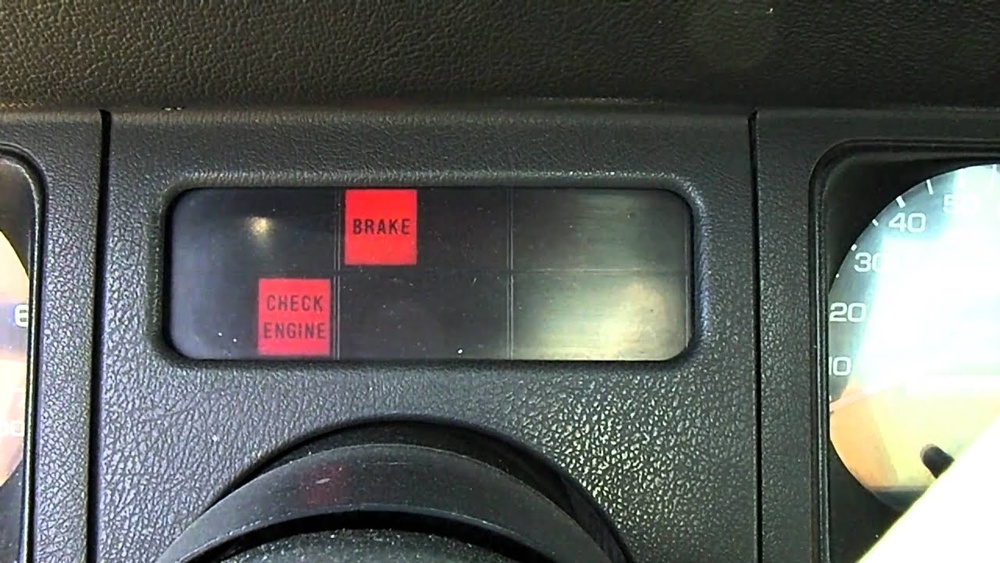
Diagnosing engine problems in a 1990 Jeep Wrangler can be tricky. This model often lacks a traditional check engine light. Without this warning, you must rely on other methods to find engine issues. Careful observation and manual checks become essential. Understanding how to spot problems early keeps your Jeep running smoothly.
Manual Trouble Code Retrieval
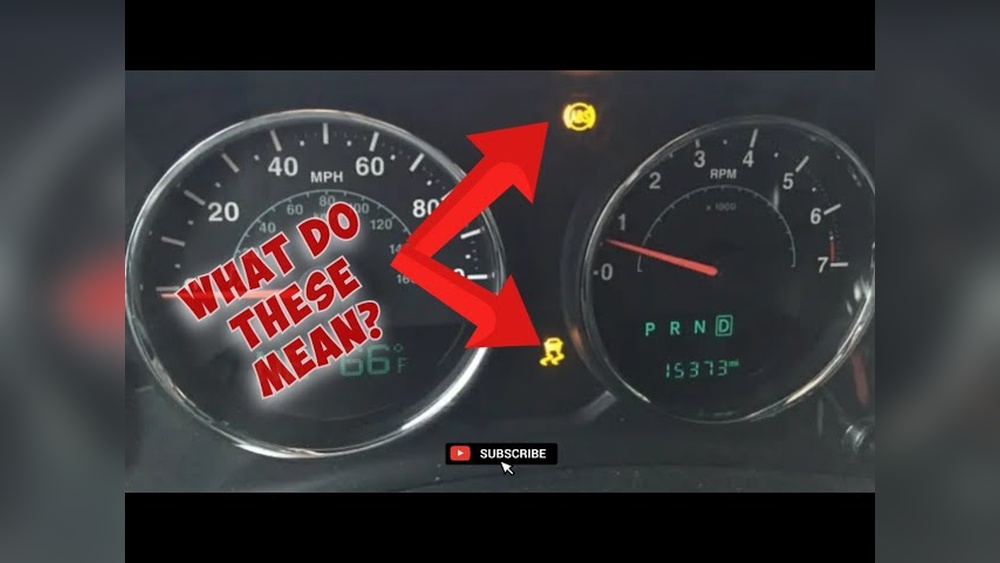
The 1990 Jeep Wrangler uses a simple system to show trouble codes. Codes appear as flashes on the check engine light if it works. Many Wranglers from this year do not have a functional light. To get codes manually, turn the ignition on and off three times. Watch the dashboard for flashes. Count the flashes to decode the problem. This method helps read engine faults without a scan tool.
Common Symptoms To Watch For
Look for signs like rough idling, stalling, or poor acceleration. Strange noises or smells can also indicate engine trouble. Check for smoke from the exhaust or difficulty starting the engine. A drop in fuel efficiency is another warning sign. These symptoms mean the engine needs attention even if no light appears.
Tools For Diagnosis
Basic tools help detect engine problems without a light. A code reader or scanner works if your Wrangler supports it. A multimeter checks sensors and electrical parts. Listening carefully with a mechanic’s stethoscope can find unusual noises. Pressure gauges test fuel and compression levels. These tools give clues to hidden engine faults.

Diagnosing Engine Issues Without A Light
The 1990 Jeep Wrangler is known for its rugged design and off-road capability. Yet, like many older vehicles, it faces common engine problems. These issues can affect performance and fuel efficiency. Understanding these problems helps with maintenance and repairs.
Many owners report recurring engine troubles that do not always trigger a check engine light. This makes diagnosing issues more challenging. Below are common engine problems found in the 1990 Jeep Wrangler.
Sensor Failures
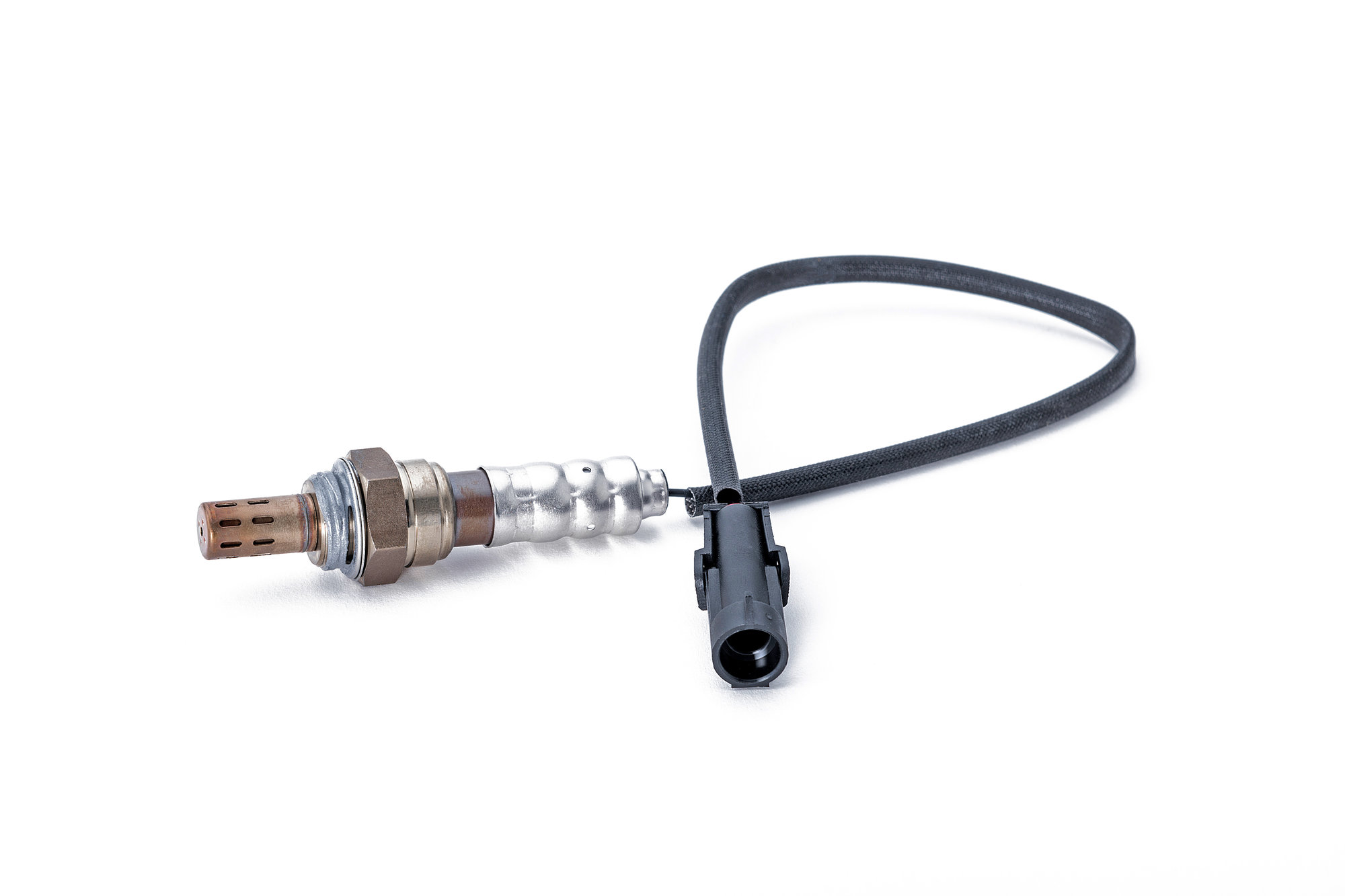
Sensor failures are frequent in this model. Oxygen sensors and coolant temperature sensors often wear out. Faulty sensors can cause poor fuel economy and rough idling. Sometimes, these failures do not activate the check engine light, leaving problems unnoticed.
Wiring Issues
Wiring problems are another common concern. The wiring harness may develop cracks or corrosion over time. These faults can disrupt signals from sensors to the engine control unit. As a result, engine performance suffers, and error codes may not appear on the dashboard.
Idle And Throttle Problems
The 1990 Jeep Wrangler often experiences idle and throttle issues. A dirty or malfunctioning throttle body can cause rough or unstable idling. This leads to stalling or hesitation when accelerating. These symptoms usually happen without triggering the check engine light.
Common Engine Problems In 1990 Jeep Wrangler
The 1990 Jeep Wrangler uses OBD-I codes to diagnose engine issues. Unlike modern vehicles, it does not have a standard check engine light. Instead, it uses a flashing light to communicate trouble codes. These codes help identify problems with sensors and engine components. Understanding how to read and reset these codes is essential for maintenance and repairs.
How To Read Flashing Codes
To read the codes, turn the ignition key on and off three times quickly. The check engine light will begin to flash in a pattern. Each flash represents a number. Count the flashes to get the code digits. For example, two flashes followed by three flashes means code 23. Pause between numbers to separate them clearly.
Code Reference Guide
Each code corresponds to a specific engine issue. Code 12 usually means the system is ready and no faults exist. Codes in the 20s and 30s refer to sensors and ignition problems. A code 41 might indicate a faulty oxygen sensor. Use a Jeep service manual or online guide to find the full list of codes. This helps diagnose and fix issues quickly.
Resetting Codes
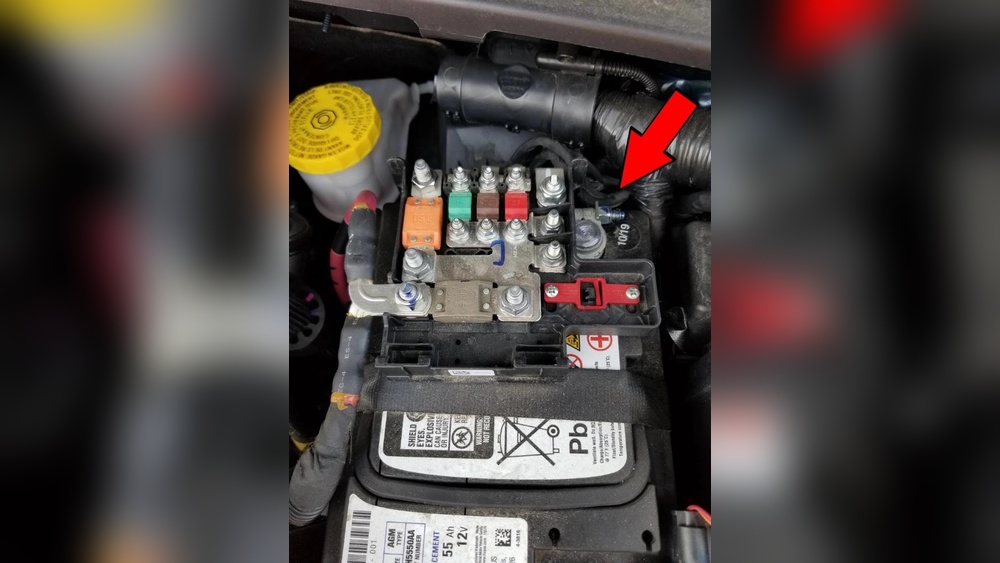
After fixing the problem, reset the codes by disconnecting the battery for a few minutes. This clears stored error codes from the computer. Reconnect the battery and turn the ignition on to check if the light still flashes. If the light stays off, the issue is resolved. If it flashes again, further diagnosis is needed.
Using Obd-i Codes With The 1990 Wrangler
The 1990 Jeep Wrangler does not come with a built-in check engine light. This absence can make it hard to know when the engine has a problem. Aftermarket solutions help by adding engine monitoring features. These options improve vehicle safety and performance without needing a full system upgrade.
Several products and kits allow you to add a check engine light. Others offer more advanced diagnostics through modern systems. These upgrades make it easier to detect issues early and avoid costly repairs.
Installing A Check Engine Light
Installing a check engine light in a 1990 Jeep Wrangler is possible with aftermarket kits. These kits usually include a light and a sensor to detect engine faults. Installation often requires basic wiring and connecting to the engine control unit. This solution provides a simple warning light similar to newer vehicles.
This option is affordable and does not require major vehicle changes. It helps drivers spot engine problems before they become severe.
Upgrading To Obd-ii Systems
The original 1990 Jeep Wrangler uses an OBD-I system, which lacks many modern features. Upgrading to an OBD-II system gives access to better diagnostics and real-time data. This upgrade may involve replacing the engine control module and wiring harness.
OBD-II systems support a check engine light and standardized trouble codes. These codes help mechanics quickly identify and fix engine problems. While more complex, this upgrade adds significant value and convenience.
Benefits Of Modern Diagnostic Tools
Modern diagnostic tools connect to the Jeep’s OBD port or aftermarket sensors. They provide detailed information about engine health and performance. Many tools offer mobile app integration for easy monitoring on the go.
These devices save time and money by pinpointing specific issues. They improve vehicle reliability and help maintain optimal engine function. Using modern diagnostics is a smart choice for Jeep owners seeking better engine care.
Aftermarket Solutions For Engine Monitoring
Keeping your 1990 Jeep Wrangler running smoothly depends on good maintenance. Regular care helps avoid engine problems. Early attention prevents costly repairs and keeps your Jeep reliable. Below are some simple tips to maintain your engine health.
Regular Sensor Checks
Sensors in your Jeep monitor engine performance. Dirt or damage can cause false readings. Check sensors regularly for signs of wear or dirt buildup. Clean or replace faulty sensors quickly. This helps the engine run efficiently and may prevent the check engine light from turning on.
Wiring Inspection
Engine wiring carries signals from sensors to the computer. Over time, wires can wear out or get loose. Inspect wiring for cracks, corrosion, or loose connections. Repair damaged wiring to avoid engine misfires or sensor errors. Good wiring keeps communication clear between parts.
Preventive Tune-ups
Perform tune-ups at set intervals to keep the engine in top shape. Replace spark plugs, check fuel filters, and adjust timing. Tune-ups improve fuel efficiency and reduce engine strain. Regular tune-ups help avoid unexpected breakdowns and keep the Jeep’s engine running strong.
Frequently Asked Questions
How Much Is A 1990 Jeep Wrangler Yj Worth?
A 1990 Jeep Wrangler YJ’s value ranges from $5,000 to $15,000. Condition, mileage, and modifications affect price. Well-maintained models fetch higher prices. Rare editions or restored Wranglers may exceed typical values. Check current listings for accurate market prices.
What Is The Most Common Check Engine Light On A Jeep Wrangler?
The most common check engine light on a Jeep Wrangler indicates an oxygen sensor or catalytic converter issue. These affect emissions and engine performance.
Was 1990 A Good Year For Jeep Wrangler?
The 1990 Jeep Wrangler YJ offered rugged off-road capability and classic design. It had reliable performance but lacked modern features. Overall, it remains a popular choice among enthusiasts for its durability and iconic style.
What Is Special About A Yj Wrangler?
The YJ Wrangler features square headlights, classic design, and rugged off-road capability, making it unique among Jeep models.
Conclusion
The 1990 Jeep Wrangler does not have a traditional check engine light. Instead, it uses a blinking code system to show engine issues. This means the light won’t always turn on like newer cars. Knowing how to read these codes helps with quick diagnosis.
Keep an eye on unusual engine behavior to catch problems early. Understanding this system keeps your Jeep running smoothly and saves repair costs.