If your Jeep Gladiator’s check engine light just came on, you’re probably wondering how to reset it quickly and safely. Ignoring that little warning could lead to bigger problems down the road, but rushing to reset it without fixing the cause won’t help either.
You need a clear, simple guide to get your Jeep back on the road without stress. You’ll learn exactly how to reset the check engine light on your Jeep Gladiator—whether you have an OBD-II scanner or not—and what steps to take before you hit the reset button.
Keep reading, and you’ll save time, avoid costly repairs, and drive with confidence again.
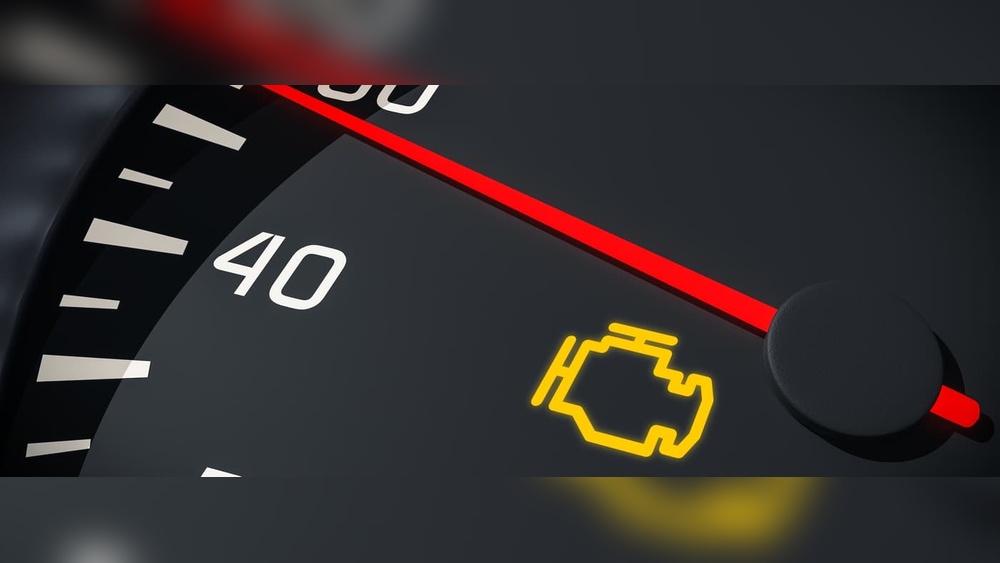

Common Causes For Check Engine Light
The check engine light on your Jeep Gladiator signals a problem in the engine or related systems. Understanding common causes helps you address issues quickly. This knowledge can save time and prevent costly repairs. The light often comes on for simple reasons. Some problems are more serious and require immediate attention. Here are typical causes to consider.
Loose Or Damaged Gas Cap
A loose or damaged gas cap is a frequent cause of the check engine light. It can allow fuel vapors to escape, triggering the warning. Check your gas cap by unscrewing and tightening it until it clicks three times. Replace the cap if it is cracked or worn. This quick fix often turns off the light.
Faulty Sensors And Components
Sensors monitor various engine functions. A faulty oxygen sensor, mass airflow sensor, or other components can cause the light to come on. These sensors send incorrect data to the engine control unit. This can affect fuel efficiency and emissions. Replacing bad sensors usually resolves the issue.
Severe Engine Misfires
A flashing check engine light means a severe engine misfire. This is a serious condition that can damage the catalytic converter. Misfires occur when fuel does not burn properly in the engine cylinders. Causes include bad spark plugs, ignition coils, or fuel injectors. Stop driving and have your Jeep towed for repair immediately.

Using An Obd-ii Scanner
Using an OBD-II scanner is a reliable method to reset the check engine light on your Jeep Gladiator. This device reads the error codes stored in your vehicle’s computer. It shows exactly what caused the light to turn on. After fixing the issue, the scanner can clear the codes and turn off the light.
OBD-II scanners are easy to use and affordable. They provide valuable information to keep your Jeep running smoothly. Follow the steps below to use an OBD-II scanner effectively.
Locating The Obd-ii Port
The OBD-II port is usually under the dashboard on the driver’s side. In the Jeep Gladiator, look near the left knee area. It is a small, trapezoid-shaped connector. You may need to crouch or use a flashlight to see it clearly. This port allows the scanner to connect to your vehicle’s computer.
Reading Trouble Codes
Plug the OBD-II scanner into the port. Turn the ignition to the “ON” position, but do not start the engine. The scanner will power up and communicate with your Jeep. Follow the on-screen menu to read the trouble codes stored in the system. These codes indicate the exact problem triggering the check engine light.
Clearing Codes With The Scanner
After reading the codes, you can clear them using the scanner. Select the option to erase or clear codes on the device. This action resets the check engine light. The light should turn off immediately if the issue is resolved. If the problem persists, the light will come back on, indicating further repair is needed.
Resetting Without A Scanner
Resetting the check engine light on a Jeep Gladiator without a scanner is possible with simple steps. This method uses the vehicle’s battery to clear the error codes stored in the computer. It is a quick fix but only works if the issue triggering the light is resolved. The process involves disconnecting the battery to reset the system.
Disconnecting The Battery
First, park your Jeep Gladiator on a flat surface and turn off the engine. Open the hood and locate the battery, usually near the front of the engine bay. Find the negative terminal, marked with a minus (-) sign or black cover.
Use a wrench to loosen the nut on the negative terminal clamp. Carefully remove the clamp from the battery post. Leave it disconnected for about 15 minutes. This pause allows the vehicle’s computer to reset and clear stored codes.
After the wait, reconnect the negative terminal and tighten the nut securely. Close the hood and start your Jeep. The check engine light should turn off if the problem is fixed. If it remains, further diagnosis is needed.
Precautions Before Battery Reset
Disconnecting the battery can erase saved settings like radio presets and clock time. Be prepared to reset these after reconnecting. Avoid touching both battery terminals at the same time to prevent short circuits.
Do not reset the battery if the check engine light is flashing rapidly. This signals a serious engine problem. Resetting under these conditions may cause damage to your Jeep. Always ensure the underlying issue is repaired first.
Removing the battery power may also disable airbags temporarily. Drive carefully until the system fully resets. If unsure, consult a professional mechanic before attempting a battery reset.
Fixing The Issue Before Reset
Before resetting the check engine light on your Jeep Gladiator, fix the root cause first. Simply clearing the light without repair can cause more problems later. Address the issue to ensure your vehicle runs smoothly and safely.
Checking And Tightening The Gas Cap
A loose or damaged gas cap often triggers the check engine light. Remove the gas cap and inspect it for cracks or wear. Screw it back on firmly until you hear three clicks. This simple step can save time and money. If the light stays on after tightening, the issue may be elsewhere.
Replacing Faulty Sensors
Sensors like the oxygen sensor or mass airflow sensor can fail and cause the warning light. Faulty sensors affect engine performance and fuel efficiency. Use an OBD-II scanner to identify sensor problems. Replace any sensor that shows errors or poor performance. Clear the codes after replacement and test drive your Jeep.
When To Seek Professional Help
Some engine problems need expert diagnosis and repair. Persistent check engine lights after basic fixes require a mechanic’s attention. A flashing light means a serious issue like engine misfire. Avoid driving with a flashing light to protect your engine. Professionals have tools and knowledge to fix complex faults safely.
Automatic Reset After Repairs
After you repair the problem causing the check engine light, the Jeep Gladiator has a built-in system that resets the light automatically. It does not clear instantly. The vehicle’s computer needs time to confirm the issue is resolved. This process helps ensure the repair was successful before turning the light off.
During normal driving, the onboard computer performs tests called drive cycles. These cycles check various systems to see if they function properly. Once the computer completes enough successful drive cycles without detecting a problem, it will turn off the check engine light on its own.
Drive Cycles Needed For Reset
The Jeep Gladiator requires several drive cycles to reset the check engine light automatically. A drive cycle means starting the engine and driving under different conditions. This includes city driving, highway speeds, and idling.
On average, it may take three to five drive cycles for the system to complete its checks. Each cycle can take 20 minutes or more of driving. Patience is key because the light will stay on until the computer confirms the repair.
Monitoring The Light After Repair
Keep an eye on the check engine light after fixing the issue. If the light turns off after some driving, the repair was likely successful. If the light stays on or comes back on, the problem might still exist.
Watch for any unusual engine behavior or sounds. In case the light flashes, stop driving and seek help. A flashing light signals a serious issue that could harm your Jeep’s engine.
Frequently Asked Questions
How To Clear A Jeep Check Engine Light?
Fix the issue causing the light, then use an OBD-II scanner to read and clear codes. Alternatively, disconnect the battery for a reset. The light may also turn off automatically after several drive cycles if the problem is resolved.
Can I Clear My Check Engine Light Myself?
Yes, you can clear your check engine light yourself by fixing the issue and using an OBD-II scanner. Alternatively, disconnect the battery to reset codes. The light may also turn off after several drive cycles once the problem is resolved.
Avoid resetting if the light flashes continuously.
Can You Clear A Check Engine Light Without A Code Reader?
Yes, you can clear a check engine light without a code reader by disconnecting the battery for 15 minutes. Fix the underlying issue first to prevent the light from returning. The light may also reset after several drive cycles once the problem is resolved.
Will The Jeep Check Engine Light Reset Itself?
The Jeep check engine light often resets itself after fixing the issue and completing several drive cycles.
Conclusion
Resetting the check engine light on your Jeep Gladiator is simple once you fix the problem. Use an OBD-II scanner for an accurate reset. Without a scanner, disconnecting the battery can also clear the light. Remember, a loose gas cap often triggers the warning.
Drive your vehicle normally after repairs to let the system reset itself. Never ignore a flashing check engine light—it signals a serious issue. Follow these steps carefully to keep your Jeep running smoothly and avoid costly repairs.