If you’ve noticed the ABS light glowing on your Jeep’s dashboard, you’re probably wondering what it means and whether you should be worried. That little warning light isn’t just a random flicker—it’s your Jeep’s way of telling you there’s a problem with the Anti-lock Braking System.
Ignoring it could affect your vehicle’s safety and performance, especially when you need to stop quickly or drive on slippery roads. You’ll learn the common reasons why the ABS light comes on in a Jeep, how serious each issue might be, and what steps you can take to fix it.
Keep reading to make sure your Jeep stays safe and reliable on every adventure.
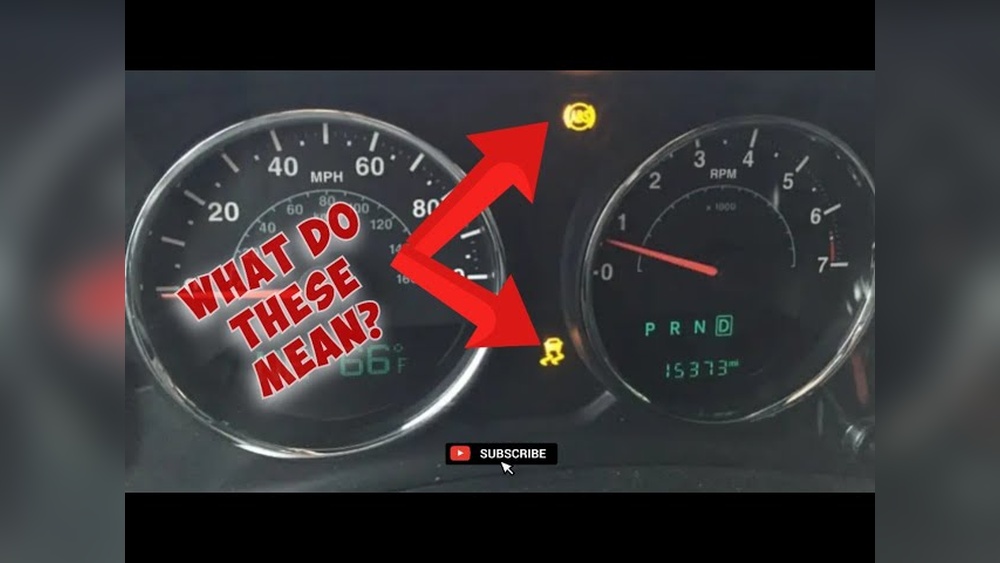

Abs Light Basics
The ABS light on your Jeep is a small warning with a big job. It alerts you when the Anti-lock Braking System has an issue. The ABS helps stop your vehicle safely. Understanding this light can keep you safe on the road.
The light usually appears on your dashboard as “ABS.” It turns on briefly when you start the Jeep. This is normal. If it stays on, your ABS needs attention. Knowing why it lights up helps you decide what to do next.
What The Abs Light Means
The ABS light means the system is not working properly. The system uses sensors to check wheel speed. If a sensor fails, the ABS light will turn on. It can also mean a problem with the ABS module or wiring. The light warns you that the system may be disabled.
Sometimes, dirt or damage from off-roading can cause the sensors to fail. This is common for Jeep owners who drive on rough terrain. The ABS light helps you catch problems early before they get worse.
Impact On Vehicle Safety
When the ABS light is on, your brakes still work, but without ABS help. The system stops the wheels from locking during hard braking. Without it, your Jeep may skid or slide on slippery roads. This increases the risk of accidents.
Driving with the ABS light on means you should be more careful. Avoid sudden stops and drive slower in wet or icy conditions. Fixing the ABS system restores full brake control and improves safety.
Common Wheel Sensor Issues
The ABS light on a Jeep often signals an issue with the wheel sensors. These sensors play a key role in the anti-lock braking system. They monitor the speed of each wheel to prevent locking during braking. Problems with these sensors can cause the ABS light to turn on.
Common wheel sensor issues include sensor failure, wiring problems, and the effects of using oversized tires. Each issue affects the sensor’s ability to send accurate data to the ABS control module. Understanding these issues helps diagnose why the ABS light is on.
Faulty Wheel Speed Sensors
Wheel speed sensors can fail due to dirt, damage, or wear. Faulty sensors send incorrect signals or no signal at all. The ABS system then detects this fault and lights up the ABS warning. Replacing bad sensors often fixes the problem quickly.
Sensor Wiring Problems
Wiring issues like broken wires or loose connections disrupt sensor signals. Corrosion or physical damage to wires is common in Jeeps driven off-road. These problems block the sensor’s data from reaching the ABS system. Repairing or replacing damaged wiring restores proper function.
Effects Of Oversized Tires
Oversized tires change the wheel speed sensor readings. The sensors expect a certain wheel size for accurate data. Larger tires make the wheels rotate slower at the same speed. This mismatch triggers the ABS light due to sensor confusion. Calibrating the ABS system or adjusting sensors can help.
Brake System Problems
The ABS light on your Jeep can indicate several brake system problems. These issues affect how well your brakes work. It is important to address them quickly for safe driving.
Brake system problems often trigger the ABS warning light. This light alerts you that the anti-lock braking system may not function properly. Understanding common causes helps you identify what needs fixing.
Low Brake Fluid Levels
Brake fluid is essential for your Jeep’s braking system. Low fluid levels reduce braking power and can cause the ABS light to turn on. Leaks in the brake lines or worn brake pads often lead to low fluid. Check the brake fluid reservoir regularly and refill it to the recommended level. Ignoring low brake fluid can cause serious brake failure.
Worn Brake Components
Brake pads and rotors wear down over time. Worn brake parts affect the braking system’s efficiency. The ABS light may come on to warn you about this issue. Driving with worn brakes increases stopping distance and risks accidents. Regular inspections and timely replacement keep your Jeep safe on the road.
Abs Module Malfunctions
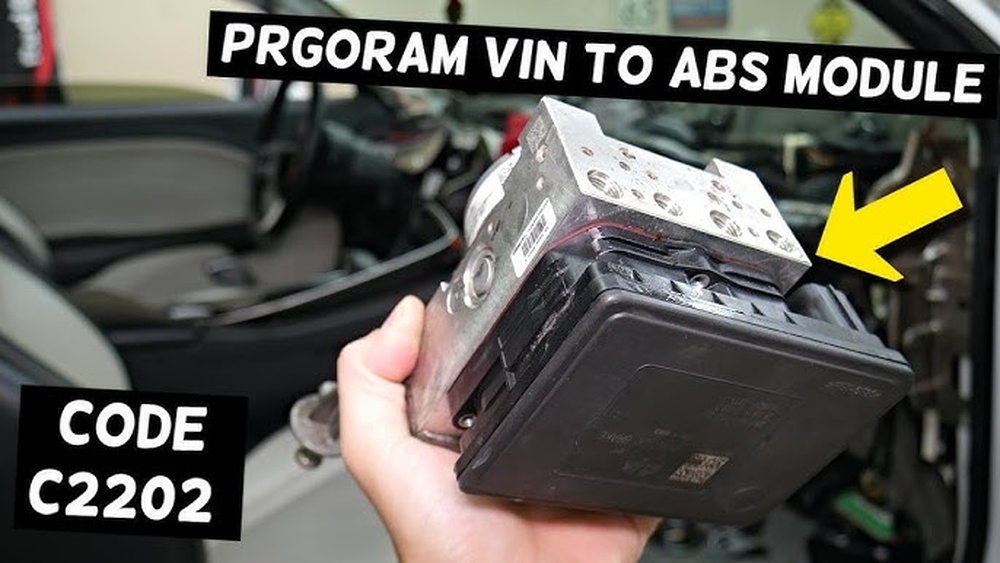
The ABS module controls the anti-lock braking system in your Jeep. If the module malfunctions, the ABS light will illuminate. Faulty wiring or damaged sensors can cause the module to fail. This problem stops the ABS from working correctly, increasing the chance of wheel lock-up. A professional scan tool can detect ABS module issues for repair or replacement.
Electrical And Sensor Faults
The ABS light on a Jeep can turn on due to electrical or sensor faults. These issues affect the system that controls your brakes. Sensors and wiring play a big role in keeping the ABS running smoothly. Problems here can cause the light to appear on the dashboard. Understanding these faults helps in finding the right fix quickly.
Electrical faults often disrupt the signals between the ABS sensors and the control module. Sensors might fail to send accurate data. Wiring problems can cause breaks or shorts. These faults confuse the system and trigger the ABS warning light.
Battery And Terminal Issues
A weak or dead battery can cause electrical faults in the ABS system. Corroded or loose battery terminals affect power flow. This can stop sensors from working properly. The ABS light may come on due to these power interruptions. Regular battery checks help avoid unexpected ABS warnings.
Damaged Abs Wiring Harness
The wiring harness connects ABS sensors to the control unit. Damage from wear, road debris, or repairs can break wires inside. Broken wires cause sensor signals to be lost or incorrect. The ABS light will illuminate to warn of this problem. Inspecting the wiring harness is key to fixing this fault.
Traction Control Module Errors
The traction control module works with the ABS system to keep the Jeep stable. Faults in this module can trigger the ABS light. Software glitches or hardware failures in the module stop it from working right. The system then flags an error, turning on the ABS warning. Resetting or repairing the module can clear the issue.
Environmental And Mechanical Causes
The ABS light on a Jeep can turn on due to various environmental and mechanical factors. These causes often affect the sensors and components that monitor wheel speed and braking performance. Dirt, wear, and leaks can interfere with the ABS system’s ability to work correctly. Understanding these causes helps in diagnosing and fixing the problem early.
Leaking Rear Axle Seals
Rear axle seals can leak grease or oil onto ABS sensors. This contamination stops the sensor from reading wheel speed properly. The ABS light turns on as a warning. Leaking seals also risk damaging the axle and braking system over time. Regular inspection prevents this issue and keeps the ABS functioning.
Wheel Bearing Wear
Worn wheel bearings cause irregular wheel rotation. This disrupts the ABS sensor signals. The system detects these errors and lights up the ABS warning. Driving with bad bearings can lead to poor handling and braking. Replacing worn bearings restores sensor accuracy and clears the ABS light.
Sensor Contamination
Dirt, mud, and road grime can cover ABS sensors. This blocks the sensor from detecting wheel speed changes. Sensor contamination triggers the ABS light to alert the driver. Cleaning sensors regularly keeps them free from buildup. This simple step helps maintain the ABS system’s reliability and safety.
Diagnostics And Repair
The ABS light on a Jeep signals a problem with the anti-lock braking system. Diagnosing and repairing this issue is crucial for safe driving. The process starts with proper diagnostics to find the root cause. Following that, repair steps target the specific problem to restore system function.
Understanding how to use diagnostic tools and interpret fault codes can save time and money. Common repairs often involve sensor checks, wiring fixes, or part replacements. This section breaks down the diagnostic and repair steps clearly.
Using Scan Tools
Scan tools read the Jeep’s computer system for errors. Connect the tool to the OBD-II port under the dashboard. It communicates with the ABS control module to find issues. The scan tool shows live data and fault codes. This helps pinpoint the problem quickly.
Identifying Fault Codes
Fault codes reveal the exact ABS system error. Codes may indicate sensor failure, wiring problems, or module faults. Write down the codes for reference. Use a manual or online database to understand each code. This step guides the repair process precisely.
Common Fixes And Replacements
Wheel speed sensors often cause the ABS light to turn on. Replacing a faulty sensor usually solves the issue. Inspect sensor wiring for damage or loose connections. Clean any dirt or grease on the sensor area. Sometimes, replacing the ABS module or pump is necessary. Regular brake system checks prevent future ABS problems.
Driving With The Abs Light On
Driving with the ABS light on in your Jeep signals a problem with the Anti-lock Braking System. This system helps prevent wheel lock-up during hard braking. Without it, stopping may become harder, especially on slippery roads. Understanding the risks can keep you safer on the road.
Risks And Safety Concerns
The ABS light means the system is not working properly. Your brakes may lock during sudden stops. This can cause loss of control or skidding. Wet or icy roads increase the danger. Normal brakes still work, but without ABS, stopping distance may increase. You may feel vibrations or hear noises when braking. These signs suggest you should drive carefully and avoid high speeds. Avoid sudden braking and sharp turns to stay safe.
When To Seek Immediate Help
Turn the ABS light on is a warning, not a reason to panic. But some signs need quick action. If the brake warning light also appears, stop driving immediately. If the brake pedal feels soft or sinks to the floor, get help fast. Strange noises or smells near brakes require urgent checks. Visit a mechanic as soon as possible to diagnose the problem. Delaying repairs risks brake failure and accidents.

Frequently Asked Questions
Can I Drive My Jeep With The Abs Light On?
You can drive your Jeep with the ABS light on, but the ABS system may not work properly. Brake carefully and get it checked soon.
Is It Expensive To Fix An Abs Light?
Fixing an ABS light usually costs between $100 and $300. Sensor replacement is common and affordable. Complex issues may raise costs.
What Is The Most Common Cause Of The Abs Light To Come On?
The most common cause of the ABS light is a faulty wheel speed sensor. It detects wheel rotation and can fail due to damage or dirt. This sensor issue triggers the ABS warning light to alert you of potential braking problems.
Can I Drive When The Abs Light Is On?
You can drive with the ABS light on, but your anti-lock braking system may not work properly. Brake carefully and get it checked soon.
Conclusion
The ABS light on a Jeep signals a problem with the braking system. Common causes include faulty wheel speed sensors or damaged wiring. Driving with the ABS light on can reduce braking safety. It’s best to have a mechanic inspect and fix the issue quickly.
Regular maintenance helps prevent ABS problems. Stay alert to warning lights to keep your Jeep safe on the road.