If your Jeep’s dashboard just flashed the P1391 code, you might be wondering what it means and how it affects your ride. This code points to an issue with the camshaft position sensor, a small but crucial part that helps your engine run smoothly.
Ignoring it can lead to rough starts, misfires, or even your Jeep refusing to start at all. But don’t worry—you’re in the right place. You’ll learn exactly what the P1391 Jeep code means, why it happens, and what you can do to fix it quickly.
Keep reading to get your Jeep back on the road with confidence.
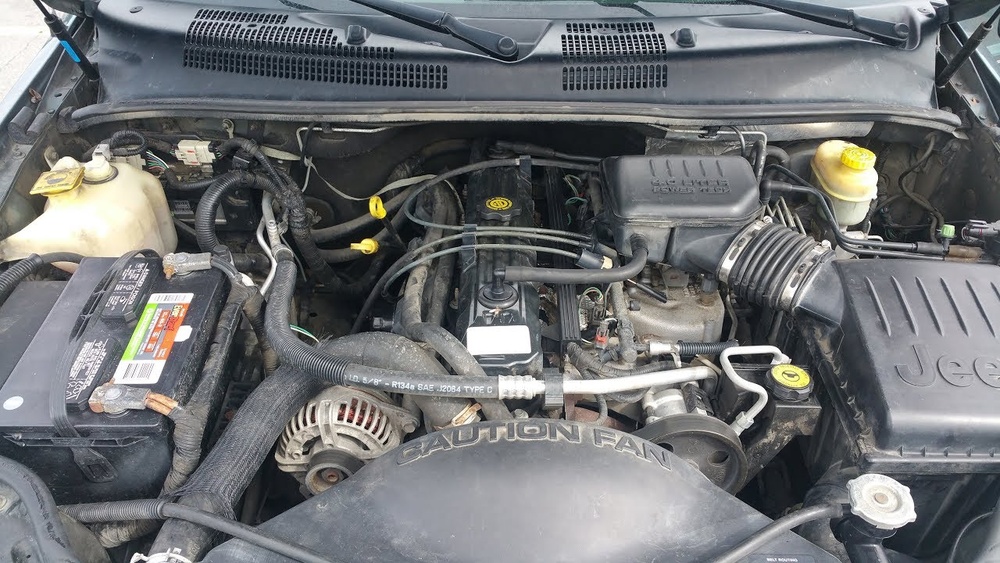
What P1391 Code Means
The P1391 Jeep code points to problems with the crankshaft or camshaft sensor signals. Fixing this issue fast helps your Jeep run smoothly again. Several quick fixes can solve this trouble without big costs. These fixes focus on cleaning, replacing, or repairing parts linked to the sensors and the flywheel.
Sensor Cleaning And Reconnection
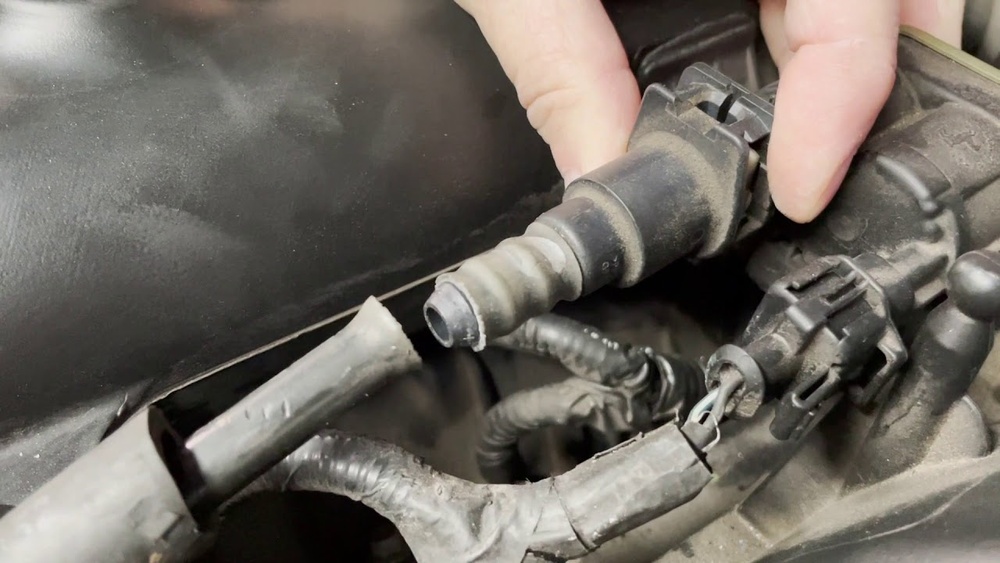
Dirt and oil can block sensor signals. Clean the crankshaft and camshaft sensors carefully. Use a soft cloth and sensor-safe cleaner. Check if the sensors connect tightly to their plugs. Loose connections cause signal errors and trigger the P1391 code.
Replacing Faulty Sensors
Old sensors may stop working properly. Signs include rough idling and stalling. Swap out the bad sensor for a new one. Use parts made for your Jeep model. Replacing faulty sensors often clears the error quickly and improves engine performance.
Repairing Wiring And Connectors
Wiring problems can break sensor signals. Look for cracked wires or loose connectors near the sensors. Fix or replace damaged wires and connectors. Secure all connections. Good wiring helps the sensors send correct data to the engine control unit.
Flywheel Repair Or Replacement
The flywheel works with the crankshaft sensor to track engine speed. Cracks or damage on the flywheel confuse the sensor. Inspect the flywheel closely for cracks or missing teeth. Repair small damages if possible. Replace the flywheel if damage is severe. A healthy flywheel is key for accurate sensor readings.
Common Causes Of P1391
Driving with a P1391 code in your Jeep can cause several issues. This code usually signals a problem with the camshaft or crankshaft position sensor. These sensors help the engine control unit (ECU) time the fuel injection and ignition. When the P1391 code appears, the engine may run poorly or stall. Understanding the risks and how long you can drive with this code helps keep you safe on the road.
Risks And Safety Concerns
Driving with a P1391 code can lead to engine misfires. Misfires reduce engine power and can cause rough idling. The engine might stall unexpectedly, creating a safety hazard while driving. Poor engine timing can also increase fuel consumption. In some cases, the vehicle may not start at all. Ignoring this code can cause further damage to the engine. It is important to avoid long trips until you fix the issue.
How Long To Drive Before Repair
The P1391 code should be addressed quickly. Short drives are possible if the engine runs smoothly. Avoid highway or heavy traffic until the problem is fixed. If the engine misfires or stalls, stop driving immediately. Continuous driving can damage the catalytic converter. This repair can be costly and take longer to fix. Schedule a mechanic visit as soon as possible. Do not delay repairs to ensure your Jeep runs safely and efficiently.
Diagnosing The P1391 Code
Knowing when to seek professional help for a P1391 Jeep code can save time and money. This error code often relates to complex engine sensor issues. While some fixes seem simple, others require expert knowledge and tools. Early professional diagnosis prevents further damage and ensures proper repair.
Complex Diagnostic Tools
Many P1391 issues need advanced diagnostic equipment. Simple code readers cannot detect all underlying problems. Professionals use scanners that read live data from engine sensors. This helps pinpoint exact faults quickly. Complex tools also test sensor signals and electrical connections. Attempting repairs without these tools can lead to wrong fixes and wasted effort.
Repair Costs And Considerations
Repairing a P1391 code may involve sensor replacement or wiring repairs. Costs vary depending on the issue’s complexity. Professionals provide accurate estimates after thorough diagnosis. They also ensure quality parts and proper installation. DIY fixes might cost less upfront but risk incomplete repairs. Professional help offers long-term savings by preventing repeat problems.

Conclusion
The P1391 Jeep code signals a camshaft position sensor problem. This can cause starting issues and engine misfires. Fixing the sensor or its wiring often resolves the code. Ignoring this code may lead to poor engine performance. Regular checks help keep your Jeep running smoothly.
Understanding the P1391 code aids in quick, effective repairs. Stay proactive to avoid costly engine damage later.