If your Jeep’s check engine light just turned on, you’re probably wondering what those flashing codes mean and whether you need to worry. Understanding check engine light codes for your Jeep can save you time, money, and stress by pinpointing the exact problem quickly.
Whether you own a Jeep Wrangler, Grand Cherokee, or another model, knowing how to read and interpret these codes puts you in control of your vehicle’s health. You’ll learn simple ways to check your Jeep’s engine codes—sometimes without any special tools—and discover the most common issues behind those warning lights.
Stick with us, and you’ll soon feel confident tackling your Jeep’s check engine alerts like a pro.

Jeep Check Engine Light Basics
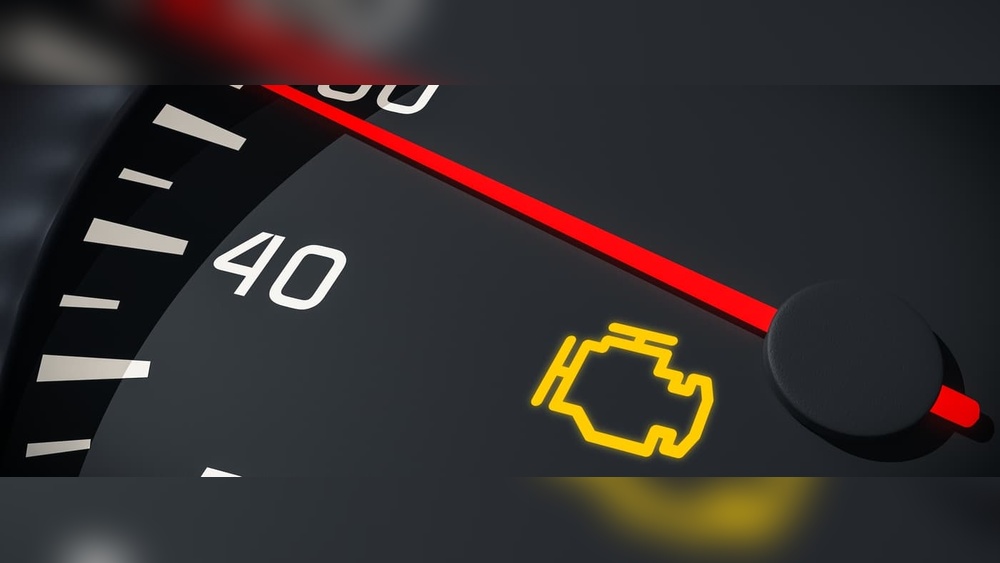
The Jeep check engine light is a key warning on your dashboard. It tells you when the engine or emission system has a problem. Understanding this light helps you act fast and avoid costly repairs.
The light may turn on for many reasons. Some are simple fixes, while others need expert care. Knowing the basics can save time and stress.
What The Light Means
The check engine light signals an issue in your Jeep’s engine or emissions system. It may flash or stay solid. A flashing light means a serious problem. Stop driving and get help immediately. A steady light means a less urgent issue, but still check it soon.
This light comes from the vehicle’s onboard diagnostic system (OBD). It monitors many engine parts. When a fault is detected, the light turns on and stores a trouble code. These codes help mechanics find the problem fast.
Common Scenarios Triggering The Light
A loose or damaged gas cap is a frequent cause. It lets fuel vapors escape and triggers the light. Tightening or replacing the cap often fixes this.
Faulty oxygen sensors can also turn on the light. They measure fuel and air mix. Bad sensors reduce fuel efficiency and increase emissions.
Other causes include misfiring spark plugs, a failing catalytic converter, or issues with the mass airflow sensor. Each problem affects engine performance and emissions.
Minor issues like low oil or coolant levels might also trigger the light. Regular maintenance helps prevent these problems.
Retrieving Jeep Engine Codes
Knowing how to retrieve engine codes from your Jeep helps diagnose issues quickly. These codes give clues about what needs fixing. You can get these codes without expensive tools. Simple methods exist to read your Jeep’s check engine light codes easily.
Using The Ignition Key Method
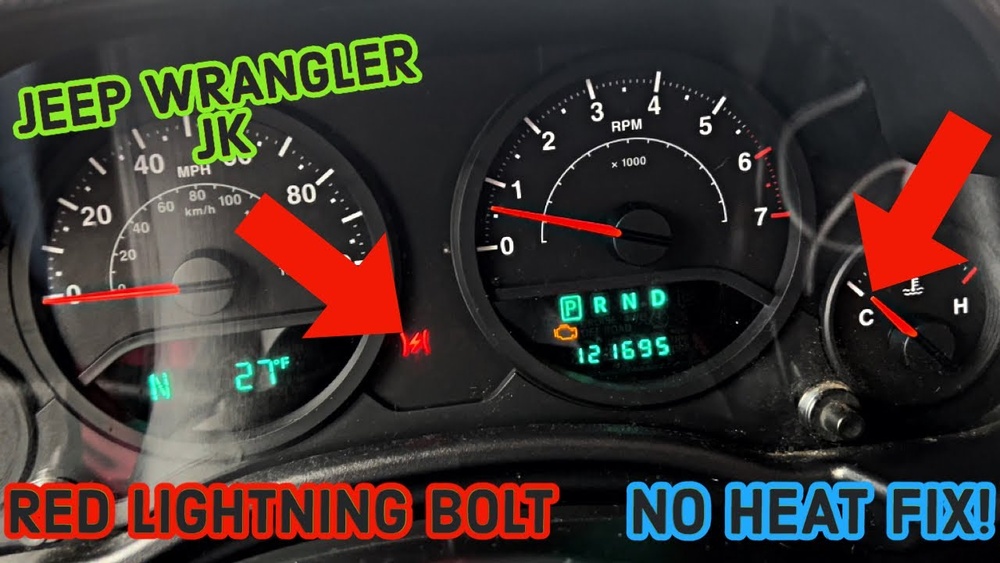
This method works well for older Jeep models like the JK series. Sit in the driver’s seat and close the door. Insert the key into the ignition but do not start the engine. Turn the key to the “On” position, then back to “Off.” Repeat this cycle three times. End with the key in the “On” position without starting the engine.
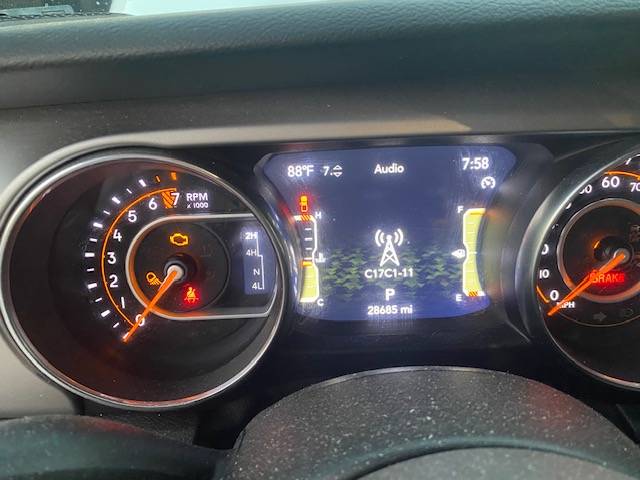
The check engine codes will flash on the dashboard or odometer screen. Each code flashes as a series of numbers. Write down these numbers to look up their meaning later. This method requires no tools or scanners.
Reading Codes On The Odometer
Some Jeep models display engine codes directly on the odometer. After using the ignition key method, the odometer will show flashing numbers. The numbers appear as two-digit codes, separated by pauses. Each code represents a specific engine issue. For example, “12” means no trouble detected.
Counting the flashes carefully helps record the correct codes. You can check your Jeep manual or online guides to understand these codes. This method is simple and does not require special equipment.
Using An Obd-ii Scanner
OBD-II scanners are affordable and easy to use. Locate the OBD-II port under the dashboard on the driver’s side. Plug the scanner into the port with your Jeep’s engine off. Turn the engine on or to the “On” position as instructed by the scanner.
The scanner will communicate with your Jeep’s computer and display any stored trouble codes. Some scanners show code descriptions, while others only show numbers. This tool provides quick and accurate results. It works for most Jeep models made after 1996.
Common Jeep Trouble Codes
Jeep vehicles often display trouble codes that signal specific issues. These codes help identify problems quickly. Knowing common Jeep trouble codes makes diagnosis easier. Each code points to a particular system or fault.
This guide covers frequent Jeep trouble codes. Understanding them helps maintain your Jeep’s health. Learn what each code means and how it affects your vehicle.
P0300: Cylinder Misfire
The P0300 code means random cylinder misfires. This can cause rough engine running or poor fuel economy. Common causes include bad spark plugs or faulty ignition coils. Addressing these issues keeps the engine running smoothly and avoids damage.
P0456: Evap System Leak
P0456 signals a small leak in the EVAP system. The EVAP system captures fuel vapors to reduce pollution. A loose gas cap often triggers this code. Fixing the leak stops fuel vapors from escaping and saves fuel.
P0420: Catalyst Efficiency
The P0420 code means low catalyst efficiency. It shows the catalytic converter is not working well. This part reduces harmful emissions from the exhaust. Replacing a failing converter restores emission control and engine performance.
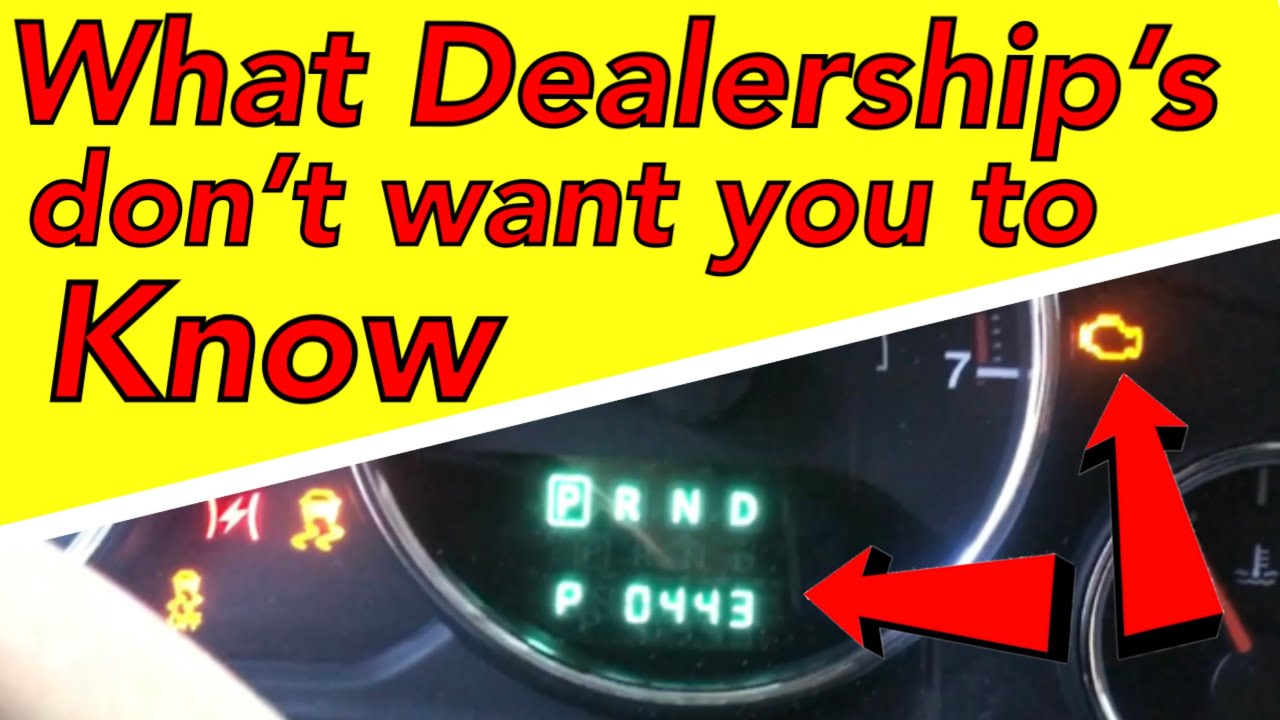
P0443 And Other Frequent Codes
P0443 relates to EVAP system purge control valve issues. It can cause fuel vapor leaks or engine running problems. Other common codes include cooling system faults and air/fuel mixture problems. Each code signals a specific repair need.
Symptoms Linked To Codes
Check Engine Light codes in Jeep vehicles reveal various symptoms your Jeep may show. These symptoms help diagnose issues early, saving time and money. Understanding these signs makes it easier to know what needs fixing. Symptoms often connect directly to specific fault codes stored in the Jeep’s computer system.
Engine Performance Issues
Common symptoms include rough idling and poor acceleration. Your Jeep may stall or hesitate during driving. Misfires can cause shaking or vibration in the engine. Low power or reduced fuel efficiency often signals a problem. These signs usually link to codes like P0300, indicating cylinder misfires. Addressing these helps keep your engine running smoothly.
Emission System Warnings
Emission-related codes trigger warnings about pollution control. You might notice a strong fuel smell or black smoke from the exhaust. The Jeep may fail emission tests or show decreased fuel economy. Codes such as P0420 or P0456 relate to catalytic converter and EVAP system issues. These warnings protect the environment and improve engine health.
Electrical Fault Indicators
Electrical problems show as flickering dashboard lights or erratic gauge behavior. Sometimes, the Jeep’s computer cannot communicate properly with sensors. This causes random error codes or warning lights to appear. Codes linked to electrical faults include issues with the Engine Control Module (ECM). Timely repair prevents further damage to the vehicle’s electrical system.
Basic Fixes For Common Codes
The check engine light on your Jeep signals a problem that needs attention. Some issues are simple and can be fixed at home. Basic fixes often solve the most common trouble codes. These fixes save time and money. They also keep your Jeep running smoothly and safely.
Replacing Spark Plugs And Coils
Misfires cause many engine codes like P0300. Worn spark plugs or bad coils often cause misfires. Replace spark plugs every 30,000 miles or sooner if needed. Coils may fail and need replacement too. New plugs and coils improve engine performance and fuel efficiency. Always use parts made for your Jeep model.
Checking And Tightening Gas Caps
A loose or damaged gas cap triggers codes like P0456. This causes fuel vapor leaks and emissions errors. Check the gas cap after refueling. Tighten it until it clicks. Replace the cap if it is cracked or worn. This fix is easy and prevents costly repairs later.
Thermostat And Cooling System Repairs
Low coolant temperature codes often mean a bad thermostat. The thermostat controls engine heat and coolant flow. A stuck thermostat causes poor engine performance. Replace it to keep the engine at the right temperature. Check hoses and radiator for leaks or blockages. Fixing cooling issues prevents overheating and engine damage.
Catalytic Converter Troubleshooting
Codes like P0420 show catalytic converter problems. The converter reduces harmful gases from the exhaust. A failing converter causes poor fuel economy and emissions. Check for rattling noises under the Jeep. Inspect for damage or clogging. Cleaning or replacing the converter may be needed. Keep the exhaust system in good shape for best results.
Advanced Diagnostic Steps
After retrieving the Check Engine Light codes from your Jeep, advanced diagnostic steps help pinpoint the exact problem. These steps go beyond simple code reading. They involve detailed analysis and tools that provide deeper insight into your vehicle’s condition. Following these steps can save time and money by avoiding unnecessary repairs.
Using Professional Scan Tools
Professional scan tools connect directly to your Jeep’s onboard computer. They read all stored trouble codes and sensor data. These tools show live information like engine speed, temperature, and oxygen sensor readings. This data helps you see how parts work under real conditions. Professional tools also clear codes and reset the system after repairs.
Consulting Repair Manuals And Databases
Repair manuals provide step-by-step instructions for fixing specific codes. They explain what each code means and common causes. Online databases have updated info from Jeep and other users. These resources guide you through testing components and performing repairs. Using manuals reduces guesswork and increases repair accuracy.
When To Seek Professional Help
Some issues require expert knowledge and special tools. Complex problems like transmission faults or deep electrical issues need professional diagnosis. If codes return after repair or you feel unsure, visit a certified Jeep mechanic. Professionals have experience and tools to fix problems safely and efficiently.
Preventing Future Check Engine Lights
Preventing future check engine lights on your Jeep saves time and money. It helps maintain your vehicle’s reliability and safety. By taking simple steps, you can avoid many common engine problems. Regular attention to your Jeep’s systems keeps it running smoothly. Below are key tips to help you prevent check engine lights.
Regular Maintenance Tips
Follow the Jeep’s maintenance schedule closely. Change oil and filters on time. Clean or replace air filters regularly. Check spark plugs and ignition coils for wear. Replace worn parts before they cause trouble. Keep fluids topped up, including coolant and brake fluid. Regular tune-ups improve engine efficiency and reduce faults.
Fuel And Emission System Care
Use high-quality fuel to avoid deposits and clogs. Check the gas cap for tightness after refueling. A loose cap often triggers the check engine light. Inspect fuel injectors and fuel filters for blockages. Clean or replace parts as needed to keep fuel flowing. Monitor the evaporative emission system for leaks. Fix small leaks early to prevent bigger issues.
Monitoring Engine Performance
Pay attention to how your Jeep drives every day. Notice any rough idling, stalling, or loss of power. These signs can indicate engine problems early. Use an OBD-II scanner to check engine codes regularly. Address any issues promptly before they worsen. Keep an eye on fuel economy changes. Sudden drops can signal engine or sensor troubles.
Conclusion
Knowing your Jeep’s check engine light codes helps spot problems early. Codes like P0300 or P0456 point to specific issues you can fix. Simple steps, like checking your gas cap, often solve small problems. Using your key to read codes saves time and money.
Stay aware of these codes to keep your Jeep running smoothly. Regular checks protect your vehicle and give peace of mind. Don’t ignore the check engine light; it’s your Jeep’s way to warn you.