If your Jeep’s check engine light just came on and you found the P0440 code, you’re probably wondering what it means and how it could affect your ride. This code points to a problem in your vehicle’s Evaporative Emission Control System (EVAP), which helps keep fuel vapors from escaping into the air.
Ignoring it might not only harm the environment but could also lead to poor fuel efficiency and more costly repairs down the road. You’ll discover the most common causes behind the P0440 code, simple steps to diagnose the issue, and whether it’s safe to keep driving your Jeep.
Stick with us, and you’ll be back on the road with confidence in no time.

Po440 Code Basics
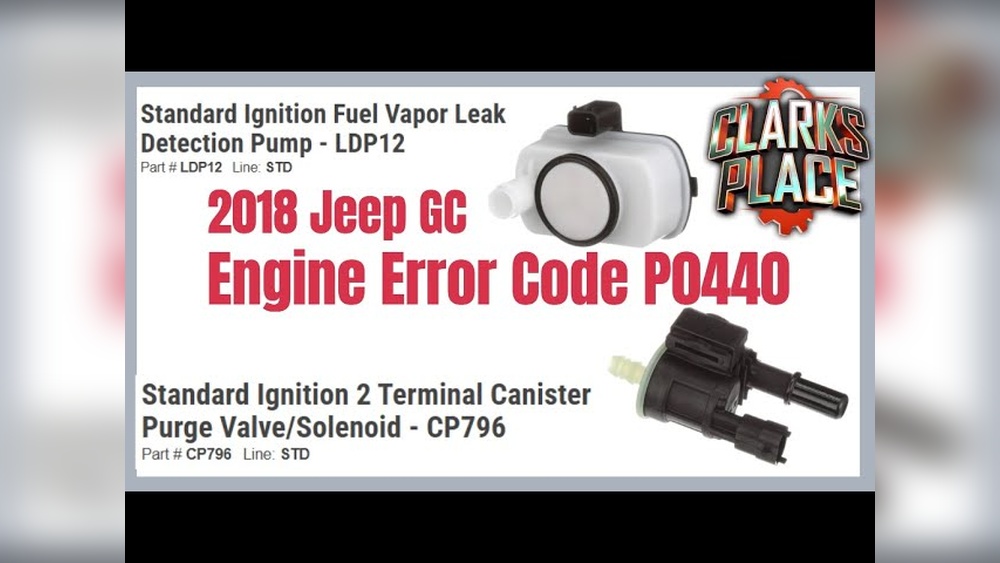
The PO440 code in Jeep vehicles signals a problem in the Evaporative Emission Control (EVAP) system. This system stops fuel vapors from escaping into the air. When this code appears, it means the system has detected a leak or a fault. Understanding the common causes helps in quick diagnosis and repair.
Several parts can cause the EVAP system to fail. These include valves, caps, and canisters. Each plays a role in controlling fuel vapors. Problems in these parts often trigger the PO440 code.
Faulty Purge Valve
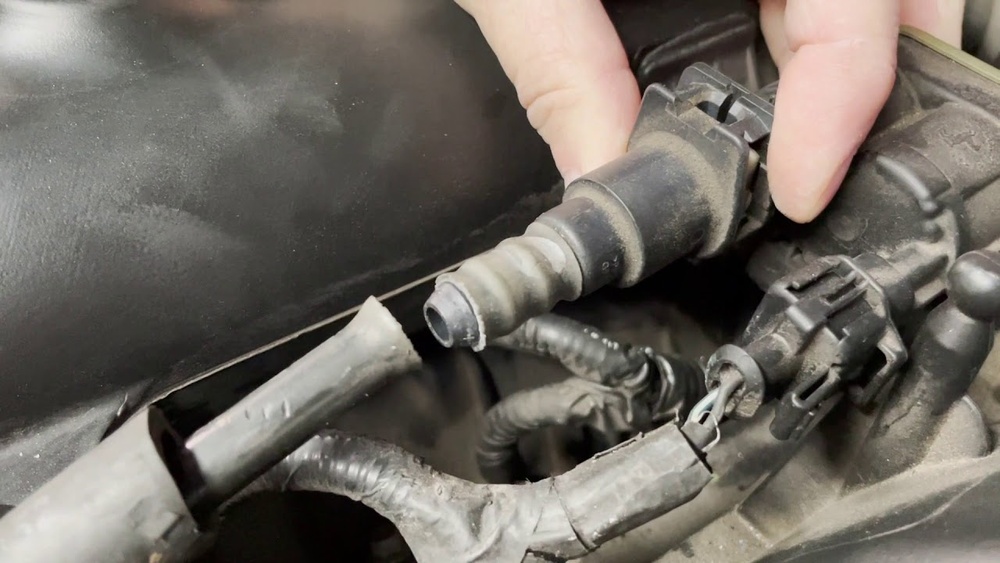
The purge valve controls fuel vapors flowing to the engine. It is near the engine intake manifold. If it sticks open, vapors leak constantly. This leads to the EVAP system error. Testing involves checking if air passes through the valve when unplugged. Easy airflow means the valve is faulty and needs replacement.
Loose Or Damaged Gas Cap
A loose gas cap is a common cause of the PO440 code. It lets fuel vapors escape from the tank. Sometimes, the cap is damaged or worn out. This also breaks the seal and triggers the error. Tightening or replacing the gas cap often clears the code quickly.
Charcoal Canister Issues
The charcoal canister stores fuel vapors from the gas tank. It prevents them from escaping into the air. If the canister cracks or clogs, it fails to hold vapors. This causes leaks in the EVAP system. Replacement is required if the canister is damaged or saturated.
Evaporative Leak Spots
Leaks can happen in many places within the EVAP system. Common spots include hoses, connectors, and seals. Small cracks or holes let vapors escape. These leaks cause the system to detect a fault. Finding and fixing these leaks stops the PO440 code from returning.

Common Causes
Fixing the PO440 code on a Jeep means addressing issues in the EVAP system. This system stops fuel vapors from escaping into the air. The code shows the system is leaking or not working right. Repairing it keeps your Jeep running clean and smooth.
Replacing The Purge Valve
The purge valve controls fuel vapors entering the engine. It can get stuck open or closed. A stuck valve causes the PO440 code. Remove the valve and check if air passes through when unplugged. If air flows freely, replace the valve with a new one. This fixes the vapor flow and clears the code.
Tightening Or Replacing The Gas Cap
A loose or damaged gas cap lets fuel vapors escape. This triggers the PO440 error. First, tighten the gas cap until it clicks. If the code stays, replace the cap. New caps seal better and stop vapor leaks. This simple fix often solves the problem fast.
Repairing Or Replacing The Charcoal Canister
The charcoal canister traps fuel vapors from the tank. It can get clogged or cracked over time. Inspect the canister for damage or blockages. Replace it if broken or full of debris. A good canister keeps vapors inside and prevents error codes.
Sealing Evap System Leaks
Leaks in the EVAP system cause the PO440 code. Check all hoses and connections for cracks or holes. Use smoke or pressure tests to find small leaks. Replace or seal damaged parts tightly. Fixing leaks stops vapor loss and clears the error code quickly.

Conclusion
The P0440 code in a Jeep points to an EVAP system issue. Common causes include a loose gas cap or a faulty purge valve. Simple checks can often fix the problem without much cost. Ignoring the code may lead to higher emissions or fuel loss.
Address the issue early to keep your Jeep running smoothly. Regular maintenance helps prevent EVAP system faults and saves money. Understanding the P0440 code empowers you to handle repairs with confidence.