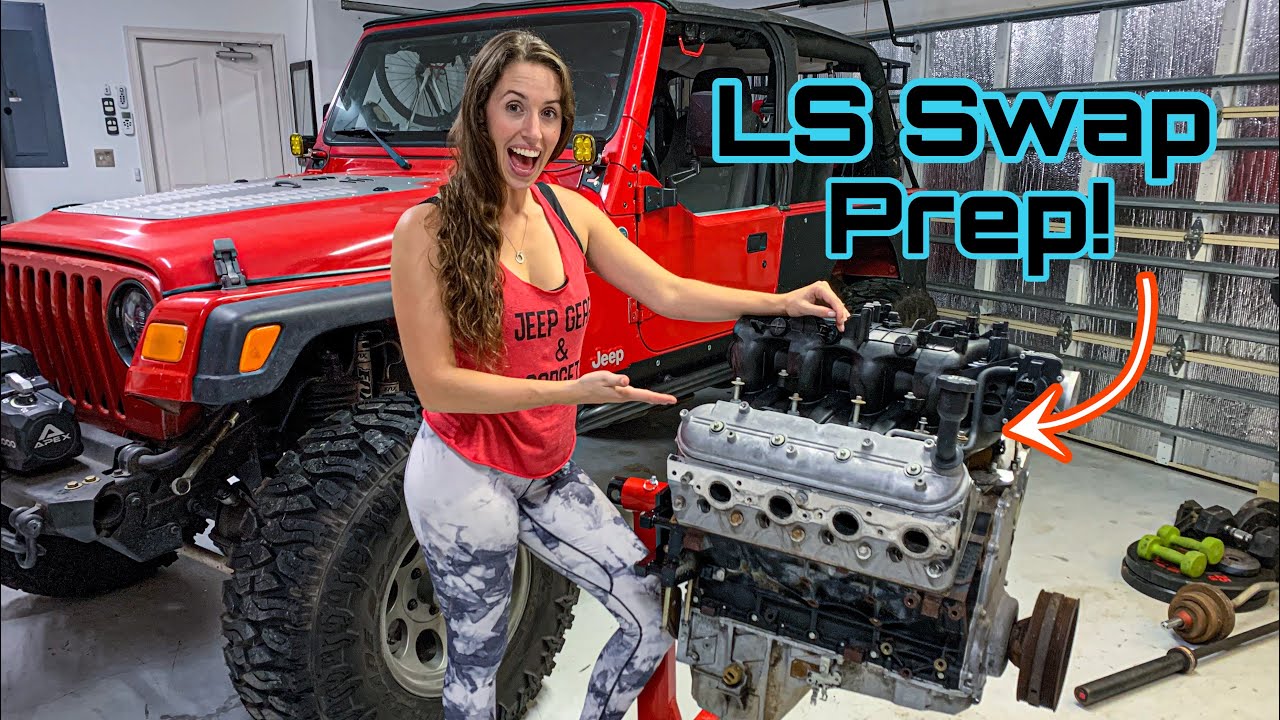
If you’re a Jeep Wrangler owner who loves off-roading, you might have heard about the LS swap. It’s a popular engine swap where people replace the Jeep’s original engine with a Chevrolet LS V8.
But why would someone do this? What does it take to actually perform an LS swap on a Wrangler?
Let’s break down everything you need to know, from reasons, costs, and the process, to common mistakes and expert insights.
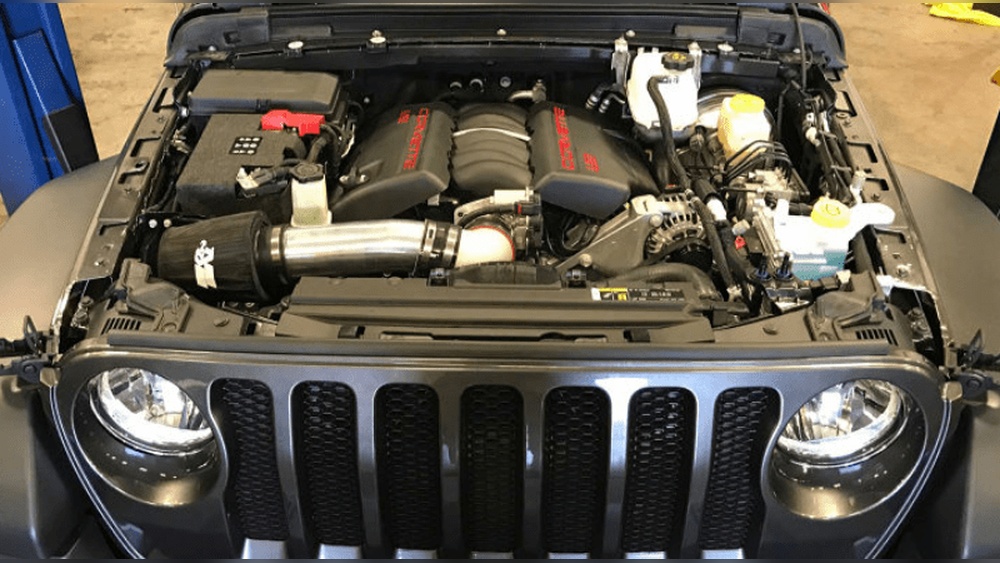
Why Ls Swap A Jeep Wrangler?
The Jeep Wrangler is known for its rugged build and legendary off-road ability. However, its stock engines, especially older models, often lack the power and torque many enthusiasts want. The LS engine family, made by General Motors, is famous for being:
- Lightweight
- Compact
- Reliable
- Easily upgradable
Swapping an LS engine into your Wrangler can transform its performance, making it capable of handling bigger tires, heavy gear, and steep climbs with ease. You get a huge bump in horsepower—often from the 180–210 hp range to anywhere from 300–500+ hp depending on the LS model.
Some also do the swap because LS engines are easy to find in junkyards, and there’s a wide aftermarket support for swap parts.
Which Ls Engines Are Used?
The LS family includes many engines, both iron block (stronger, heavier) and aluminum block (lighter, better for off-roading). The most common LS engines used in Jeep swaps are:
- 5.3L V8 (LM7, L59, LM4, L33)
- 6.0L V8 (LQ4, LQ9)
- 6.2L V8 (LS3)
Here’s a quick comparison of popular LS engines for Jeep swaps:
| Engine Code | Displacement | Horsepower | Block Material | Typical Price (used) |
|---|---|---|---|---|
| LM7 | 5.3L | 270–295 hp | Iron | $800–$1,500 |
| L33 | 5.3L | 310 hp | Aluminum | $1,300–$2,000 |
| LQ9 | 6.0L | 345 hp | Iron | $1,500–$2,500 |
| LS3 | 6.2L | 430 hp | Aluminum | $4,000–$7,000 |
Choosing the right engine depends on your budget, goals, and how you use your Jeep.
What Does The Swap Involve?
Swapping an LS engine into a Jeep Wrangler is not just a simple engine drop-in. It’s a project that touches nearly every part of the drivetrain and electronics.
Main Steps Of An Ls Swap
- Engine Removal: Take out the Jeep’s factory engine.
- Mounting the LS: Use adapter mounts for LS engines. Some fabrication may be needed.
- Transmission Choices: You can keep your Jeep transmission with adapters, or swap to a GM transmission.
- Wiring & Electronics: Integrate the LS engine harness with Jeep’s systems (fuel pump, gauges, etc. ).
- Cooling System: Upgrade the radiator and fans to match LS needs.
- Exhaust Fabrication: Custom or aftermarket headers and exhaust routing.
- Drivetrain Adjustments: Driveshafts, transfer case linkages, and sometimes axles need upgrades.
- Fuel System: Modify or replace the fuel pump and lines for higher flow.
Here’s how LS swaps compare to other popular Jeep engine swaps:
| Swap Type | Avg. HP | Cost Range (parts/labor) | Complexity | Aftermarket Support |
|---|---|---|---|---|
| LS Swap | 300–500+ | $8,000–$20,000 | High | Excellent |
| Hemi V8 Swap | 325–470 | $10,000–$25,000 | Very High | Good |
| Diesel Swap | 150–300 | $9,000–$18,000 | High | Fair |
| 4.0L I6 Rebuild | 180–200 | $3,000–$6,000 | Medium | Excellent |
LS swaps are not the cheapest, but they offer the most flexibility and future potential.
Costs And Budget Planning
A proper LS swap is not cheap. The total cost can range from $8,000 to $20,000 or more depending on:
- Engine and transmission choice (used vs. new, 5.3L vs 6.2L)
- DIY vs. professional labor
- Required upgrades (cooling, drivetrain, suspension)
- Swap kit quality and parts
Sample Cost Breakdown
| Item | Low Estimate | High Estimate |
|---|---|---|
| Used LS Engine | $1,000 | $5,000 |
| Transmission/Adapter | $1,000 | $3,500 |
| Swap Kit (mounts, wiring, etc.) | $2,000 | $5,000 |
| Cooling System | $500 | $1,500 |
| Exhaust Fabrication | $500 | $2,000 |
| Labor (if not DIY) | $2,000 | $5,000+ |
There are also hidden costs: fluids, random hardware, tuning, and sometimes fixing unexpected problems.
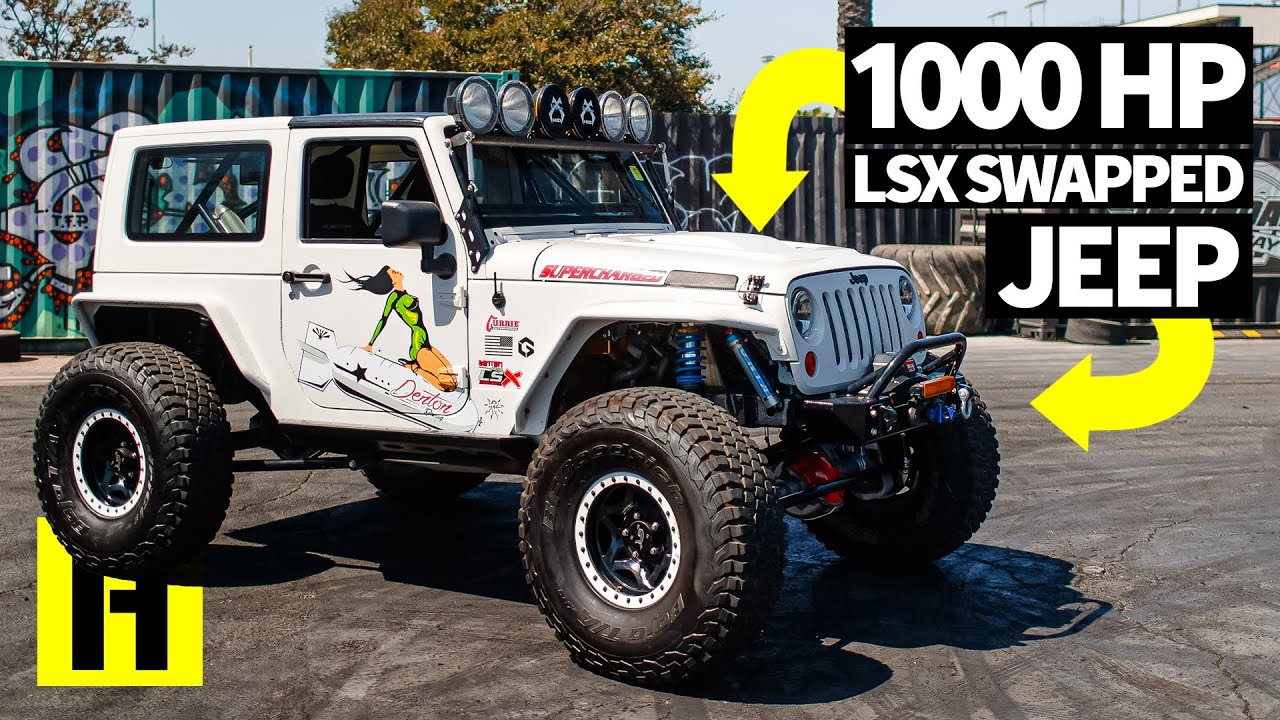
Non-obvious insight: If you plan to go off-roading, budget extra for axle upgrades. The LS’s torque can break stock Jeep axles if you use large tires.
Choosing The Right Transmission
Pairing your LS engine with the right transmission is key for reliability and performance. Many people:
- Use the GM 4L60E or 4L80E automatic transmissions for ease of integration
- Stick with the Jeep’s manual transmission (like the NV3550 or AX15) using adapter kits
Pro tip: The GM automatics are often stronger and more tunable, but require a custom driveshaft and transfer case adapter.
Wiring And Electronics: The Trickiest Part
One of the biggest challenges in an LS swap is wiring. The LS has its own engine control unit (ECU), and you need to connect it to the Jeep’s existing systems. This includes:
- Power distribution
- Gauge cluster signals (oil pressure, water temp, tachometer)
- Check engine light
Many swap kits come with adapter harnesses, but sometimes you’ll need to send your harness out to be reworked, or buy a standalone kit.
Common mistake: Underestimating wiring time. Even with a kit, expect 10–20 hours of wiring, testing, and troubleshooting.
Cooling System Upgrades
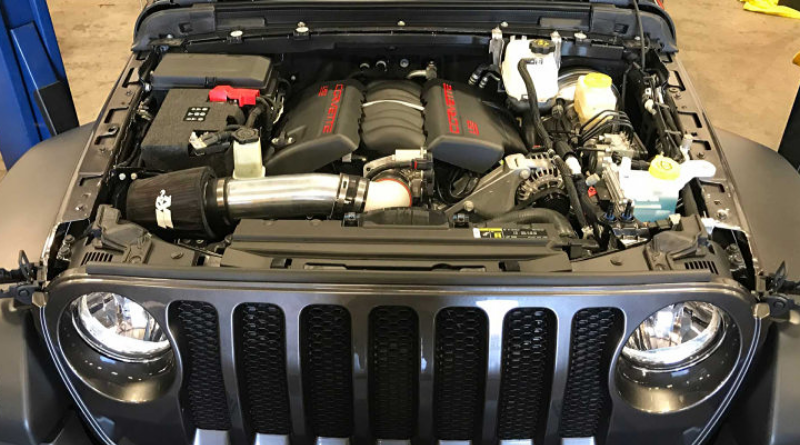
LS engines run hotter and need more cooling. You’ll likely need:
- Aluminum radiator with more capacity
- High-flow electric fans
- Upgraded coolant hoses
Using the original Jeep radiator almost always leads to overheating, especially during slow off-roading or towing.
Exhaust And Emissions
Fitting LS exhaust manifolds or headers in the Wrangler’s tight engine bay can be tricky. You may need:
- Block hugger headers or custom shorty headers
- Custom exhaust routing to clear the transmission and driveshafts
- Catalytic converters to stay street legal in some states
Non-obvious insight: Some states require your swap to meet the emission standards of the engine’s year, not the Jeep’s. Always check your local laws before starting.
Drivetrain And Suspension: Can Your Jeep Handle It?
With twice the horsepower, the rest of your Jeep needs to keep up. Plan to upgrade:
- Axles: Stock Dana 35 or Dana 30 axles won’t last long with 400+ hp, especially with large tires.
- Driveshafts: Custom lengths and stronger joints are often necessary.
- Transfer case: The NP231 is OK for mild builds, but more power may need a stronger case.
Upgrading suspension to handle the extra engine weight and torque is also smart, especially if you off-road hard.
Do-it-yourself Vs. Professional Install
A DIY LS swap can save you $2,000–$5,000, but it requires:
- Solid mechanical skills
- Access to a shop and specialty tools
- Time and patience (expect 80–120 hours of work)
Professional shops can finish faster and guarantee their work, but the cost is much higher.
Tip: Even if you do most of the work yourself, consider having a pro handle the wiring and tuning.
Real-world Performance
An LS swapped Wrangler can feel like a totally new vehicle:
- Acceleration: 0–60 mph in 5–6 seconds (stock Jeep: 9–12 seconds)
- Towing: Up to 5,000+ lbs, compared to 2,000–3,500 lbs stock
- Fuel economy: Similar or slightly worse than stock under normal driving, but much lower if you drive aggressively
You’ll notice instant throttle response, lots of power for highway merging, and effortless rock crawling.
Is An Ls Swap Worth It?
If you want the ultimate all-around Jeep, an LS swap is hard to beat. You get modern reliability, huge power, and a vehicle that can cruise on the highway or tackle any trail. However, it’s a big investment—both in money and time. For many, the smile every time you hit the throttle is worth it.
Still, it’s not for everyone. If you rarely off-road, or you’re happy with your Jeep’s current power, a rebuild or a mild engine upgrade might make more sense.
Frequently Asked Questions
<!– wp:rank-math/faq-block {"questions":[{"id":"faq-question-99f77b5f8333","title":"What Is An Ls Swap?","content":"An LS swap is when you remove the original engine from a vehicle (like a Jeep Wrangler) and replace it with a GM LS series V8 engine. This swap is popular because LS engines are powerful, reliable, and easy to upgrade.
“,”visible”:true},{“id”:”faq-question-7b95d36bbb17″,”title”:”How Much Does An Ls Swap Cost For A Jeep Wrangler?”,”content”:”Most LS swaps cost between $8,000 and $20,000. The final price depends on the engine model, transmission, whether you do it yourself or pay a shop, and how many parts you need to upgrade or replace.
“,”visible”:true},{“id”:”faq-question-525f6edb6c66″,”title”:”Do I Need To Upgrade My Axles After An Ls Swap?”,”content”:”Yes, if you plan to use large tires or do serious off-roading. The stock Jeep axles are not strong enough for the extra power and torque from an LS engine. Upgrading to Dana 44 or stronger axles is highly recommended.
“,”visible”:true},{“id”:”faq-question-36a793a4a6db”,”title”:”Will My Jeep Pass Emissions With An Ls Swap?”,”content”:”It depends on your state and local laws. Some states require the swapped engine to meet the emissions standards of the engine’s year. You may need catalytic converters and proper engine management. Always check before starting your swap. For official info, see the EPA’s guide to vehicle emissions.
“,”visible”:true},{“id”:”faq-question-d7a2585fea51″,”title”:”Is An Ls Swap Reliable For Daily Driving?”,”content”:”Yes, if done properly. LS engines are known for reliability. A well-installed LS swap can be as reliable as a stock Jeep—sometimes even more so. Proper cooling, wiring, and drivetrain upgrades are essential for long-term dependability.
Swapping an LS engine into a Jeep Wrangler is a serious project, but the rewards are huge for those who crave power, versatility, and the thrill of driving something truly unique. If you plan well, use quality parts, and upgrade supporting systems, your LS swapped Wrangler will provide years of fun both on and off the trail.
“,”visible”:true}]} –>What Is An Ls Swap?
An LS swap is when you remove the original engine from a vehicle (like a Jeep Wrangler) and replace it with a GM LS series V8 engine. This swap is popular because LS engines are powerful, reliable, and easy to upgrade.
How Much Does An Ls Swap Cost For A Jeep Wrangler?
Most LS swaps cost between $8,000 and $20,000. The final price depends on the engine model, transmission, whether you do it yourself or pay a shop, and how many parts you need to upgrade or replace.
Do I Need To Upgrade My Axles After An Ls Swap?
Yes, if you plan to use large tires or do serious off-roading. The stock Jeep axles are not strong enough for the extra power and torque from an LS engine. Upgrading to Dana 44 or stronger axles is highly recommended.
Will My Jeep Pass Emissions With An Ls Swap?
It depends on your state and local laws. Some states require the swapped engine to meet the emissions standards of the engine’s year. You may need catalytic converters and proper engine management. Always check before starting your swap. For official info, see the EPA’s guide to vehicle emissions.
Is An Ls Swap Reliable For Daily Driving?
Yes, if done properly. LS engines are known for reliability. A well-installed LS swap can be as reliable as a stock Jeep—sometimes even more so. Proper cooling, wiring, and drivetrain upgrades are essential for long-term dependability.
Swapping an LS engine into a Jeep Wrangler is a serious project, but the rewards are huge for those who crave power, versatility, and the thrill of driving something truly unique. If you plan well, use quality parts, and upgrade supporting systems, your LS swapped Wrangler will provide years of fun both on and off the trail.