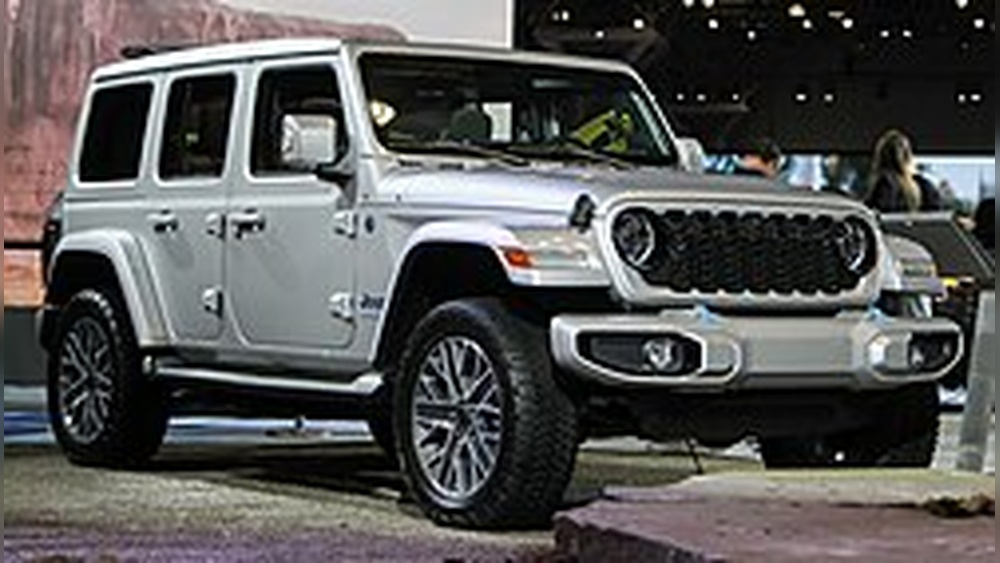
Owning a Jeep Wrangler means enjoying rugged adventures, but it also means caring for your engine. One of the most important things to watch is your coolant temperature.
This simple number can tell you if your engine is healthy or in trouble. Many Jeep owners, especially those new to cars or English, feel confused about what is “normal” for coolant temp.
Let’s clear this up so you can drive with confidence and avoid expensive repairs.
What Is Coolant Temperature?
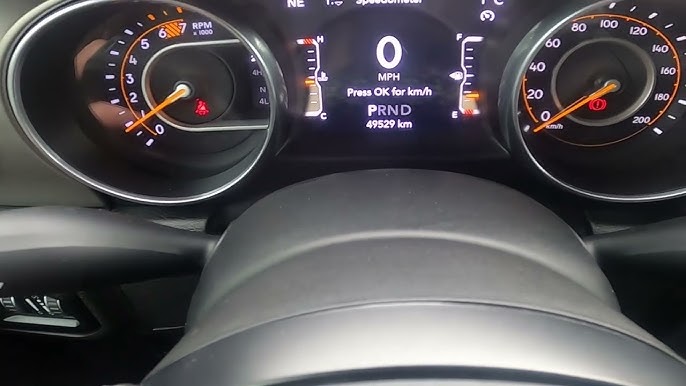
Coolant temperature is the heat level measured in your engine’s cooling system. The coolant absorbs heat from your engine and releases it through the radiator. If the temperature gets too high, your engine can overheat. If it’s too low, your engine may not run efficiently.
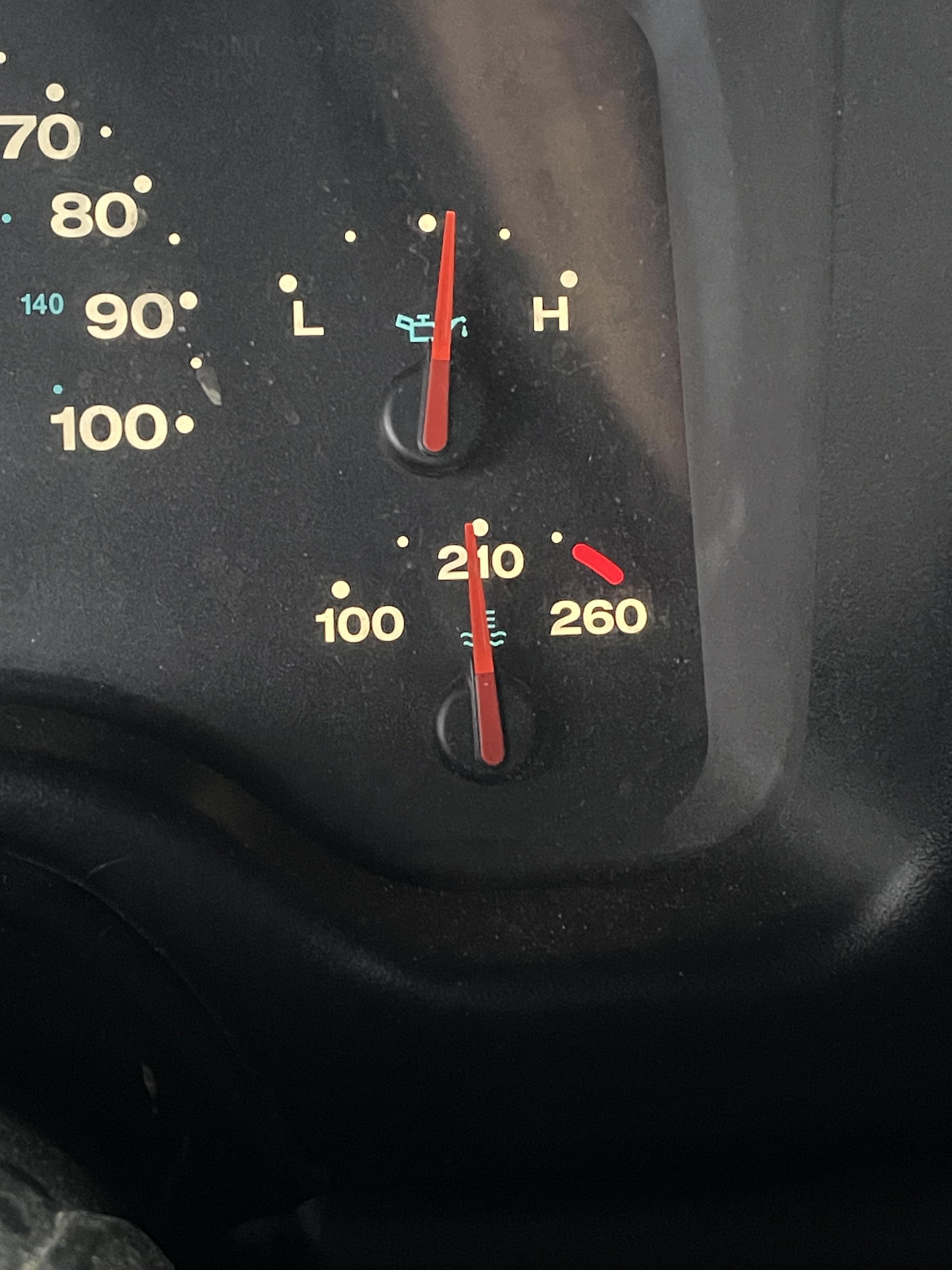
Most modern Jeep Wranglers have a dashboard gauge or digital readout for coolant temp. It usually shows Fahrenheit (°F), sometimes Celsius (°C).
Normal Coolant Temp For Jeep Wrangler
For Jeep Wranglers, the normal coolant temp is usually between 195°F and 220°F (about 90°C to 104°C). This range is safe for most models made after 2000, including the popular JK, JL, and TJ generations.
Older Jeep Wranglers (pre-2000) may run a bit cooler, often around 180°F to 210°F (82°C to 99°C). Always check your owner’s manual for your exact model.
Here’s a quick comparison of normal coolant temps for popular Wrangler generations:
| Model | Year Range | Normal Coolant Temp (°F) | Normal Coolant Temp (°C) |
|---|---|---|---|
| TJ | 1997–2006 | 195–210 | 90–99 |
| JK | 2007–2018 | 200–220 | 93–104 |
| JL | 2018–present | 200–220 | 93–104 |
Why Coolant Temperature Matters
A normal coolant temp means your engine is working well. If the temp is too high, you risk engine overheating, which can cause:
- Warped cylinder heads
- Damaged head gasket
- Engine failure
If the temp is too low, your Jeep may:
- Use more fuel
- Produce more emissions
- Run poorly, especially in cold weather
Watching your coolant temp helps you catch problems early. It’s especially important when off-roading, towing, or driving in hot climates.
Factors That Affect Coolant Temperature
Coolant temperature isn’t always stable. It can change because of:
- Outside Temperature: Hot weather makes engines run warmer. Cold weather can cause lower temps.
- Driving Style: Hard driving, towing, or off-roading creates more heat.
- Coolant Quality: Old or dirty coolant doesn’t cool well.
- Radiator Health: A clogged or broken radiator can cause overheating.
- Thermostat: If it sticks open or closed, your temp will be wrong.
- Cooling Fans: Broken fans mean less airflow and higher temps.
Even a small leak or weak coolant mix can change your readings. Many beginners miss the importance of regular coolant checks.
Signs Of Abnormal Coolant Temperature
Your Jeep Wrangler has warning signs if coolant temp is not normal:
- Gauge in Red Zone: If your dashboard gauge goes into the red, stop driving.
- Warning Lights: Most Wranglers have a “check engine” or “hot engine” light.
- Steam: If you see steam from the hood, your engine is overheated.
- Slow Performance: Engine may run rough or lose power.
If you notice these, fix the problem immediately. Don’t ignore high coolant temp—it can cause expensive engine damage.
How To Check Coolant Temperature
Modern Jeeps make checking coolant temp easy. Most have a digital dashboard display. Older models use a needle gauge.
Steps To Check Coolant Temp
- Start the Engine: Let it run for 5–10 minutes.
- Check the Gauge/Display: Look for the temperature reading.
- Compare With Normal Range: Use the chart above to compare.
If your temp stays above 220°F for long periods, it’s time to investigate.
What To Do If Coolant Temperature Is Too High
High coolant temp means your engine is overheating. Here’s what you should do:
- Pull Over Safely: Stop driving and turn off the engine.
- Let Engine Cool: Wait at least 20–30 minutes before opening the hood.
- Check Coolant Level: After it cools, check the coolant reservoir. Do not open the radiator cap while hot.
- Look for Leaks: Check under the Jeep for any fluid leaks.
- Call for Help If Needed: If you see steam, leaks, or low coolant, call a mechanic.
Many drivers forget to let the engine cool before checking. Opening the radiator cap while hot can cause burns.
Common Causes Of High Coolant Temperature
High coolant temp happens for many reasons. Here are some common causes:
| Cause | Effect | Solution |
|---|---|---|
| Low Coolant | Insufficient cooling | Top off with proper coolant |
| Bad Radiator | Heat not released | Clean or replace radiator |
| Stuck Thermostat | Coolant not circulating | Replace thermostat |
| Broken Fan | Low airflow | Repair or replace fan |
| Blocked Hoses | Restricted coolant flow | Flush system, clear hoses |
Tips To Keep Coolant Temperature Normal
Keeping your Jeep Wrangler’s coolant temp in the safe zone is easy if you follow these tips:
- Check Coolant Level Often: At least once a month, check the reservoir.
- Use Correct Coolant: Always use the coolant type recommended in your owner’s manual.
- Flush System Every 2 Years: Old coolant loses effectiveness.
- Inspect Radiator and Hoses: Look for cracks, leaks, or blockages.
- Watch the Thermostat: Replace it if your engine runs too hot or too cold.
- Clean Cooling Fans: Dirt and debris can block airflow.
A key insight: Many beginners think plain water is a good replacement. In reality, water alone doesn’t protect against freezing or corrosion. Always use a proper mix of coolant and water.
Jeep Wrangler Vs Other Vehicles: Coolant Temp Differences
Jeep Wranglers often run a bit warmer than sedans or small SUVs. This is because:
- Bigger Engines: Wranglers have larger engines that produce more heat.
- Off-Roading: Crawling rocks or mud strains the cooling system.
- Heavy Body: The extra weight means more work for the engine.
Let’s compare Wrangler coolant temps with some other vehicles:
| Vehicle | Normal Coolant Temp (°F) | Notes |
|---|---|---|
| Jeep Wrangler | 195–220 | High due to engine size |
| Toyota Camry | 185–210 | Lower, smaller engine |
| Ford F-150 | 200–215 | Similar, large engine |
| Honda CR-V | 180–205 | Lower, light SUV |
The Role Of Coolant Type And Mixture
Using the right coolant type is important. Jeep Wranglers usually need HOAT (Hybrid Organic Acid Technology) or OAT (Organic Acid Technology) coolant, depending on model year.
A proper mix is 50% coolant and 50% water. This protects against freezing, boiling, and corrosion.
Many owners overlook mix quality. Using too much water or the wrong coolant can cause overheating or rust inside the engine.
How To Change Coolant In A Jeep Wrangler
Changing coolant is not difficult, but you must be careful. Here’s a step-by-step guide:
- Let Engine Cool: Never open radiator cap when hot.
- Drain Old Coolant: Place a pan under the radiator, open the drain plug.
- Flush With Water: Pour distilled water into the radiator, let it drain.
- Add New Coolant: Mix 50/50 coolant and distilled water, pour into radiator.
- Run Engine: Let it run for a few minutes, check for leaks.
- Check Level: After cooling, check the reservoir again.
Always dispose of old coolant safely—it’s toxic for people and animals.
When To Seek Professional Help
If your coolant temp stays high after basic checks, call a mechanic. Signs you need help:
- Repeated Overheating
- Visible Leaks
- Smoke or Steam
- Coolant smells sweet (a sign of leaks)
A mechanic can run tests you can’t do at home. They check for head gasket leaks, radiator blockages, and other hidden problems.
Non-obvious Insights For Jeep Owners
- Altitude Effects: Driving at higher altitudes can change coolant boiling points. Wranglers in mountain regions may see slightly higher readings. This is normal, but keep an eye out for unusual spikes.
- Accessory Impact: Extra lights, winches, or heavy bumpers can block airflow to the radiator. This can cause higher coolant temps, especially in off-road builds. Make sure nothing blocks your radiator.
Frequently Asked Questions
<!– wp:rank-math/faq-block {"questions":[{"id":"faq-question-e366cbc4882c","title":"What Is The Best Coolant For Jeep Wrangler?","content":"The best coolant is usually HOAT for models up to 2012 and OAT for 2013 and newer. Always check your owner’s manual. Using the wrong type can cause corrosion and overheating.
“,”visible”:true},{“id”:”faq-question-018f483f4d92″,”title”:”How Often Should I Check Coolant Temperature?”,”content”:”Check your coolant temperature every time you drive, especially during long trips or off-roading. Also, inspect the coolant level at least once a month.
“,”visible”:true},{“id”:”faq-question-fa91df6b2302″,”title”:”Is It Normal For Coolant Temp To Go Up When Off-roading?”,”content”:”Yes, it’s normal for coolant temp to rise during off-roading or heavy towing. The engine works harder, creating more heat. Short spikes are okay, but if it stays above 220°F, stop and cool off.
“,”visible”:true},{“id”:”faq-question-ca7961dd9946″,”title”:”Can Low Coolant Cause Engine Damage?”,”content”:”Absolutely. Low coolant means your engine can’t cool itself. This can cause overheating, warped parts, and even total engine failure. Always keep coolant at the proper level.
“,”visible”:true},{“id”:”faq-question-722b130fae45″,”title”:”Where Can I Find Official Jeep Wrangler Coolant Specs?”,”content”:”You can find official specs in your owner’s manual or from the manufacturer. For more details, visit Jeep Official Site.
Jeep Wranglers are tough, but their engines need careful attention to coolant temperature. Understanding what’s normal helps you avoid costly repairs and keeps your adventures safe. If you remember to check your coolant temp, use the right mixture, and watch for warning signs, your Wrangler will stay strong for years.
Always consult your manual and never ignore overheating—your Jeep deserves the best care.
“,”visible”:true}]} –>What Is The Best Coolant For Jeep Wrangler?
The best coolant is usually HOAT for models up to 2012 and OAT for 2013 and newer. Always check your owner’s manual. Using the wrong type can cause corrosion and overheating.
How Often Should I Check Coolant Temperature?
Check your coolant temperature every time you drive, especially during long trips or off-roading. Also, inspect the coolant level at least once a month.
Is It Normal For Coolant Temp To Go Up When Off-roading?
Yes, it’s normal for coolant temp to rise during off-roading or heavy towing. The engine works harder, creating more heat. Short spikes are okay, but if it stays above 220°F, stop and cool off.
Can Low Coolant Cause Engine Damage?
Absolutely. Low coolant means your engine can’t cool itself. This can cause overheating, warped parts, and even total engine failure. Always keep coolant at the proper level.
Where Can I Find Official Jeep Wrangler Coolant Specs?
You can find official specs in your owner’s manual or from the manufacturer. For more details, visit Jeep Official Site.
Jeep Wranglers are tough, but their engines need careful attention to coolant temperature. Understanding what’s normal helps you avoid costly repairs and keeps your adventures safe. If you remember to check your coolant temp, use the right mixture, and watch for warning signs, your Wrangler will stay strong for years.
Always consult your manual and never ignore overheating—your Jeep deserves the best care.