The Jeep TJ is a legendary vehicle in the off-road world. Produced from 1997 to 2006, it continues to attract enthusiasts with its simple design, rugged build, and impressive performance.
If you’re curious about the Jeep TJ’s specs, features, and why it stands out among other 4×4 vehicles, this guide will give you everything you need to know. Whether you’re considering buying one, restoring an old TJ, or just want to learn more about its engineering, you’ll find clear answers here.
What Makes The Jeep Tj Unique?
The Jeep TJ replaced the YJ and brought back the round headlights that fans loved from the earlier CJ series. But the TJ wasn’t just about looks. It introduced a coil spring suspension system, making it much more comfortable and capable on rough terrain. The TJ was also the last Wrangler model with a simple, mostly analog dashboard and fewer electronic components, which many off-roaders prefer for reliability.
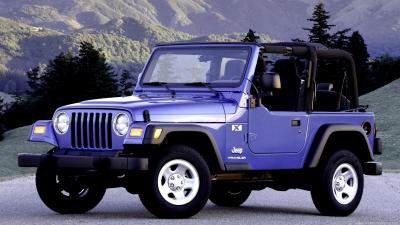
The TJ’s mix of old-school toughness and smart upgrades created a vehicle that’s easy to modify and repair. It’s a favorite for trail driving, rock crawling, and daily driving.
Jeep Tj Engine Options
The heart of the Jeep TJ is its engine. Over its production, it came with several engine choices, each with distinct strengths.
2.5l Inline-4 Engine
- Horsepower: 120 hp @ 5,400 rpm
- Torque: 140 lb-ft @ 3,500 rpm
This was the base engine for most TJs from 1997 to 2002. It’s simple, reliable, and economical for city driving. However, it lacks power for heavy towing or high-speed highway driving.
4.0l Inline-6 Engine
- Horsepower: 181–190 hp @ 4,600 rpm
- Torque: 222–235 lb-ft @ 3,200 rpm
The 4.0L is the most popular and respected TJ engine. Known for its durability and strong low-end torque, it handles off-road work and daily use with ease. Most enthusiasts recommend the 4.0L if you want a true “do everything” Jeep.
2.4l Inline-4 Engine
- Horsepower: 147 hp @ 5,200 rpm
- Torque: 165 lb-ft @ 4,000 rpm
Introduced in 2003 for the SE trim, this engine replaced the 2. 5L. While more modern, it’s still not as powerful as the 4. 0L.
Transmission Choices
Jeep TJ owners could pick between manual and automatic transmissions. Here’s a clear comparison:
| Transmission | Type | Speeds | Availability |
|---|---|---|---|
| AX-5 | Manual | 5-speed | 2.5L, 2.4L engines |
| AX-15 | Manual | 5-speed | 4.0L engine (1997–1999) |
| NV3550 | Manual | 5-speed | 4.0L engine (2000–2004) |
| NSG370 | Manual | 6-speed | 4.0L engine (2005–2006) |
| 32RH | Automatic | 3-speed | 4.0L engine (1997–2002) |
| 42RLE | Automatic | 4-speed | 4.0L engine (2003–2006) |
Manual transmissions are common among off-roaders for their control and reliability. The automatic options are smooth for city driving, but some feel they lack the manual’s responsiveness on rough terrain.
Suspension And Axles
One of the biggest upgrades for the Jeep TJ was its switch to a coil spring suspension system on all four wheels. This was a major change from the older leaf spring setup.
Suspension Advantages
- Better ride comfort on and off the road
- Improved wheel articulation for obstacles
- Easier to lift and customize
Axle Types
Most TJs came with a Dana 30 front axle and a Dana 35 rear axle. The Rubicon model featured a Dana 44 on both ends, which is much stronger for off-roading and larger tires.
Dimensions And Size
Understanding the TJ’s size helps when planning for parking, storage, or choosing modifications.
| Specification | Inches (in) | Millimeters (mm) |
|---|---|---|
| Overall Length | 155.4 | 3,950 |
| Overall Width | 66.7 | 1,695 |
| Overall Height | 70.9 | 1,801 |
| Wheelbase | 93.4 | 2,373 |
| Ground Clearance | 8.7 | 221 |
| Approach Angle | 44.0° | – |
| Departure Angle | 31.0° | – |
These compact dimensions make the TJ easy to maneuver on tight trails. The high ground clearance and sharp approach angles help it climb over rocks and obstacles.
Jeep Tj Trim Levels And Special Editions
Over the years, Jeep offered several TJ trims and special editions. The most popular include:
- SE – Basic trim, 4-cylinder, minimal features
- Sport – 4.0L engine, more standard features
- Sahara – Added luxury touches and unique styling
- X – Mid-level, often with popular options
- Rubicon – Top-tier off-road features
Jeep Tj Rubicon
The Rubicon is the most capable TJ from the factory. It includes:
- Dana 44 axles front and rear
- 4: 1 Rock-Trac transfer case
- Standard locking differentials
- 16-inch wheels and larger tires
- Stronger suspension parts
The Rubicon is highly sought after for serious off-roading.
Interior Features And Comfort
The TJ’s interior is simple but functional. It’s easy to clean after muddy trails, and the controls are straightforward. While not luxurious, the TJ offers everything you need for adventure.
Interior Highlights
- Removable soft top (hardtop optional)
- Fold-and-tumble rear seat
- Simple dashboard with large gauges
- Optional air conditioning and CD player
- Washable rubber flooring (on some trims)
The TJ’s compact cabin fits four people, but rear legroom is limited. Many owners remove the rear seat for extra cargo space.
Off-road Capabilities
The Jeep TJ is famous for its off-road performance. Thanks to its short wheelbase, high ground clearance, and solid axles, it handles rocks, mud, and steep climbs with confidence. Key off-road specs:
- 4WD system with low range (part-time Command-Trac or Rock-Trac on Rubicon)
- Skid plates to protect underbody
- Tow hooks front and rear (on most trims)
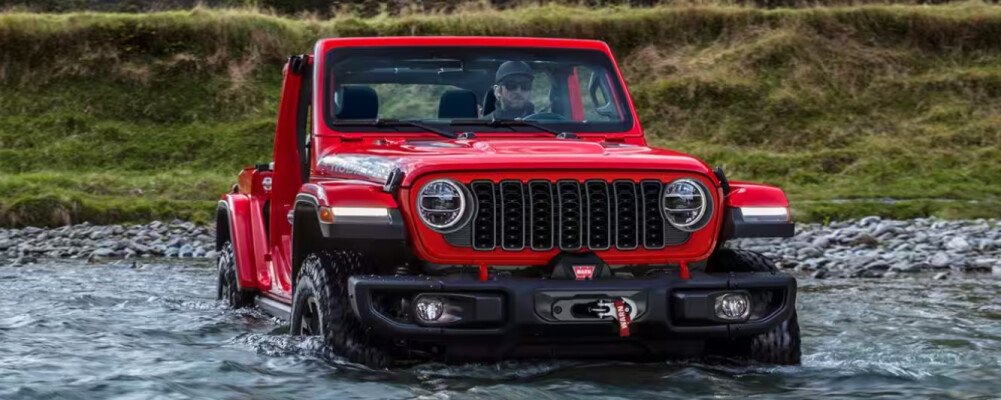
- Excellent water fording up to 19 inches
Many owners upgrade tires, add winches, and install lift kits for even better off-road ability.
Safety And Reliability
The TJ is built to be tough, but its safety features are basic by modern standards.
Safety Features
- Dual front airbags (from 1997)
- Anti-lock brakes (optional on some years)
- Roll bar integrated into the frame
The TJ’s simple design means fewer electronics that can fail. The 4.0L engine especially is known for lasting well beyond 200,000 miles with proper care.
Fuel Economy
Fuel efficiency is not a TJ strong point, but it’s on par with other 4×4 vehicles from its era.
- 2.5L/2.4L engines: 18–20 mpg city, 20–22 mpg highway
- 4.0L engine: 15–16 mpg city, 18–19 mpg highway
Factors like larger tires, lift kits, and roof racks can reduce these numbers.
Towing And Payload
While not a heavy-duty tow vehicle, the TJ can handle light trailers and camping gear.
- Maximum towing capacity: 2,000 lbs (with 4.0L engine and proper equipment)
- Payload: Around 800–900 lbs
If you plan to tow, make sure your hitch and brakes are in good condition.
Common Modifications
The Jeep TJ is one of the most modified vehicles in the world. Here are some common upgrades:
- Lift kits for bigger tires and ground clearance
- Upgraded bumpers with winch mounts
- Rock sliders to protect the body
- Heavy-duty axles for extreme off-roading
- LED lighting for night driving
One beginner mistake is lifting the TJ too high without upgrading the suspension or steering. This can make the Jeep unsafe or uncomfortable. Plan modifications carefully and consider advice from experienced owners.
Jeep Tj Vs. Other Wranglers
How does the TJ compare to other Wrangler generations? Here’s a quick summary:
| Model | Years | Key Features |
|---|---|---|
| YJ | 1987–1995 | Square headlights, leaf springs, basic interior |
| TJ | 1997–2006 | Round headlights, coil springs, updated comfort |
| JK | 2007–2018 | Bigger body, 4-door option, modern electronics |
| JL | 2018–present | More engine choices, advanced safety, luxury |
The TJ stands out for its balance between old-school simplicity and useful modern upgrades. It’s often considered the “sweet spot” for those who want a true Jeep experience without too many electronic systems.
Many new owners overlook a few important points:
- The frame of the TJ is prone to rust, especially in snowy climates where salt is used. It’s smart to inspect the frame carefully and apply rust protection.
- The soft top can leak if not fitted correctly or if the seals are old. Replacing worn seals is a cheap way to keep the interior dry.
- Upgrading to a Dana 44 rear axle is a smart move if you plan to use larger tires or do serious off-roading. The Dana 35 can break under stress.
These details often separate a trouble-free TJ experience from expensive repairs.
Where To Find More Information
For official specifications, manuals, and details, the Wikipedia Jeep TJ page is a reliable source. Online forums and Jeep clubs are also great for real-world advice.
Frequently Asked Questions
<!– wp:rank-math/faq-block {"questions":[{"id":"faq-question-0ec25a9c952b","title":"What Years Was The Jeep Tj Produced?","content":"The Jeep TJ was made from 1997 to 2006. This generation replaced the YJ and was followed by the JK.
“,”visible”:true},{“id”:”faq-question-376aa0ba3e58″,”title”:”What Is The Best Engine For The Jeep Tj?”,”content”:”Most enthusiasts recommend the 4.0L inline-6 engine for its power and long life. It’s the best choice for off-roading and daily driving.
“,”visible”:true},{“id”:”faq-question-db1196f0ab6a”,”title”:”How Do I Tell If My Tj Has A Dana 44 Axle?”,”content”:”Check the rear differential cover. The Dana 44 is more square-shaped, while the Dana 35 is round. The Rubicon models always have Dana 44 axles front and rear.
“,”visible”:true},{“id”:”faq-question-3d10dead72fd”,”title”:”Are Jeep Tjs Reliable For Daily Driving?”,”content”:”Yes, the TJ is known for its reliability, especially with the 4.0L engine. Basic maintenance is simple, but be aware of rust and aging parts.
“,”visible”:true},{“id”:”faq-question-c136a69e7cb4″,”title”:”Can You Fit Larger Tires On A Stock Jeep Tj?”,”content”:”Stock TJs can fit up to 31-inch tires with no lift. For 33-inch tires or bigger, you’ll need a suspension lift and possibly wheel spacers for safe clearance.
The Jeep TJ remains a classic for those who want a true off-road vehicle with simple maintenance and endless customization options. With the right care, it’s a vehicle that will serve you well for many years and adventures.
“,”visible”:true}]} –>What Years Was The Jeep Tj Produced?
The Jeep TJ was made from 1997 to 2006. This generation replaced the YJ and was followed by the JK.
What Is The Best Engine For The Jeep Tj?
Most enthusiasts recommend the 4.0L inline-6 engine for its power and long life. It’s the best choice for off-roading and daily driving.
How Do I Tell If My Tj Has A Dana 44 Axle?
Check the rear differential cover. The Dana 44 is more square-shaped, while the Dana 35 is round. The Rubicon models always have Dana 44 axles front and rear.
Are Jeep Tjs Reliable For Daily Driving?
Yes, the TJ is known for its reliability, especially with the 4.0L engine. Basic maintenance is simple, but be aware of rust and aging parts.
Can You Fit Larger Tires On A Stock Jeep Tj?
Stock TJs can fit up to 31-inch tires with no lift. For 33-inch tires or bigger, you’ll need a suspension lift and possibly wheel spacers for safe clearance.
The Jeep TJ remains a classic for those who want a true off-road vehicle with simple maintenance and endless customization options. With the right care, it’s a vehicle that will serve you well for many years and adventures.