Keeping the right air pressure, or psi, in your Jeep tires is more important than many drivers realize. Whether you drive on highways, rocky trails, or sandy beaches, the correct psi affects how your Jeep handles, the life of your tires, and even your safety.
Many Jeep owners, especially beginners, overlook how much psi impacts every aspect of their ride. Let’s break down how to choose the best psi for Jeep tires and why it matters for every adventure.
Why Jeep Tire PSI Matters
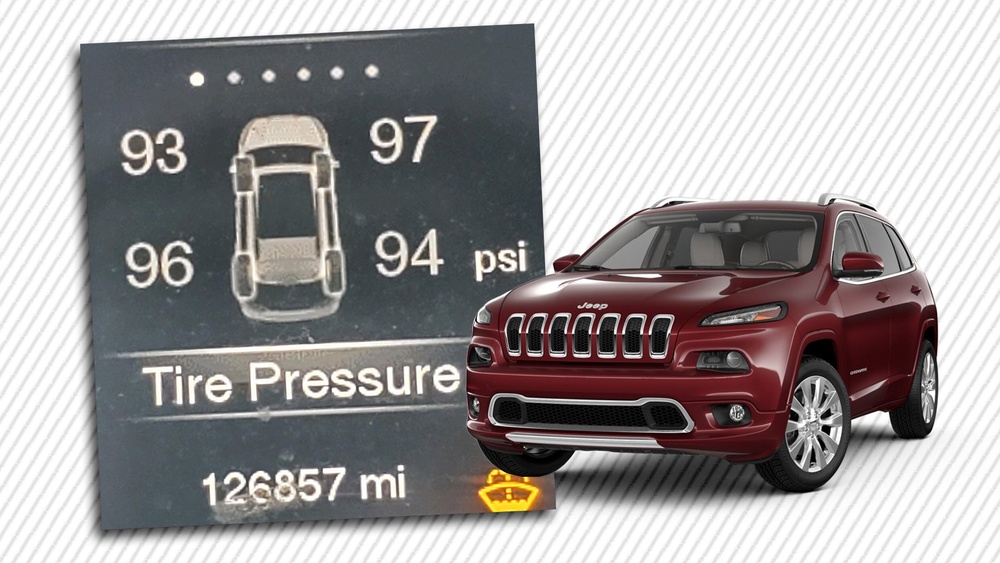
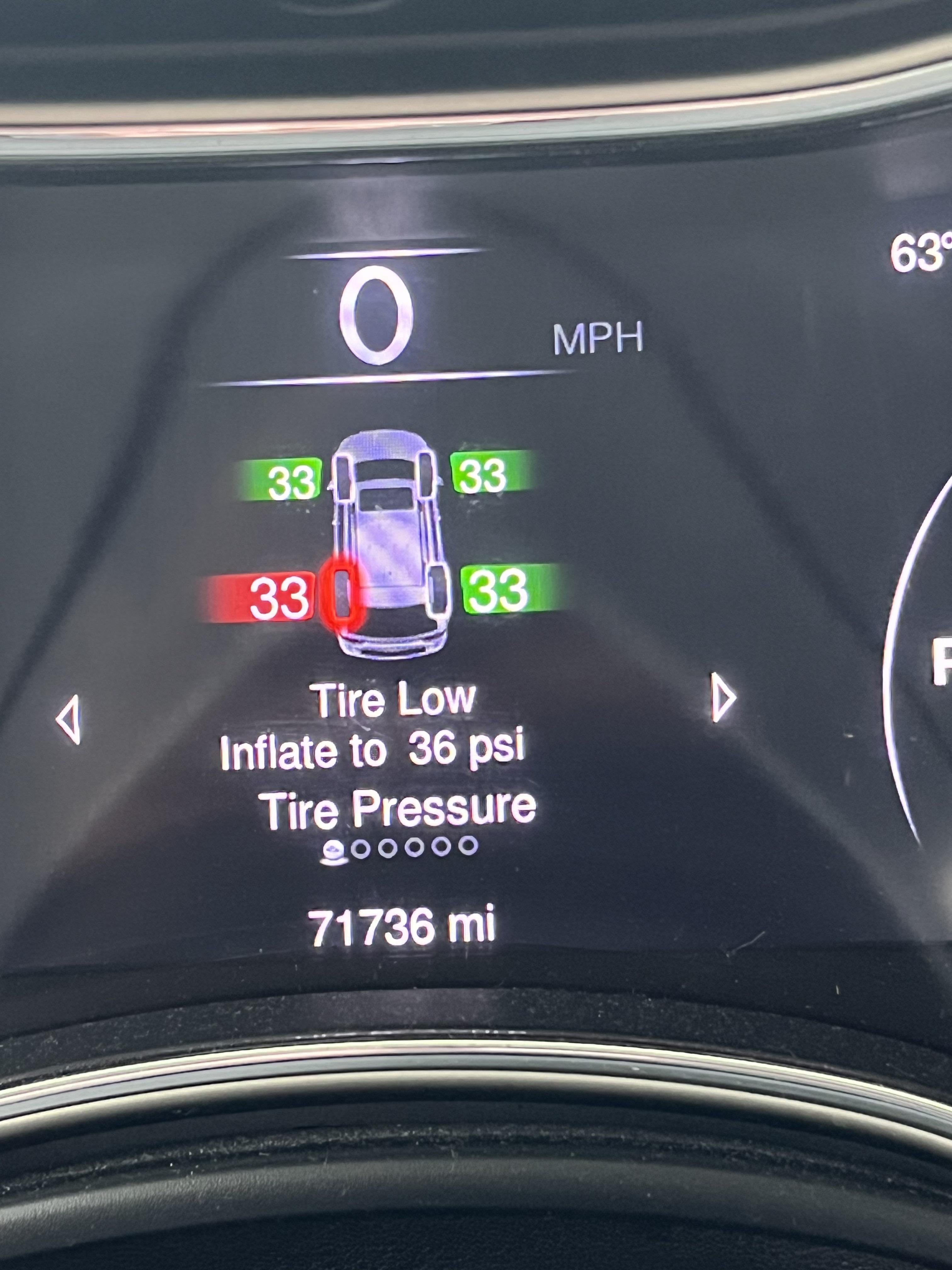
The psi (pounds per square inch) in your Jeep’s tires is not just about avoiding flats. Proper psi is key for:
- Handling: The right pressure keeps your Jeep stable, especially during sharp turns or sudden stops.
- Tire Wear: Too much or too little psi wears your tires unevenly, costing you money and safety.
- Fuel Economy: Underinflated tires increase rolling resistance, making your Jeep use more fuel.
- Off-Road Performance: Lowering psi can help your tires grip rocks or sand, but going too low risks damage.
Most Jeeps use tire psi as a tool, adjusting it for different driving conditions. But what is the right number for your setup?
Recommended PSI for Jeep Tires
The best psi depends on several factors, including your Jeep model, tire size, and where you drive. Here’s a quick look at common Jeep types and their standard tire psi for normal road use.
| Jeep Model | Stock Tire Size | Recommended PSI (Front/Rear) |
|---|---|---|
| Wrangler JK | 225/75R16 | 35 psi / 35 psi |
| Wrangler JL | 245/75R17 | 36 psi / 36 psi |
| Grand Cherokee | 265/60R18 | 36 psi / 36 psi |
| Gladiator | 255/75R17 | 37 psi / 37 psi |
Always check your owner’s manual or the sticker on your driver’s door jamb for the factory recommendation. This number is set for safety, load, and comfort during normal road driving.
Adjusting PSI for Different Terrains
Jeeps are popular for off-road adventures. The best psi for highway driving is not the same as for mud, sand, or rocks. Here’s how you can adjust psi for different conditions:
| Terrain | Suggested PSI Range | Why Lower Psi? |
|---|---|---|
| Highway | 35–37 psi | Safety, tire wear, fuel economy |
| Rocks | 15–20 psi | More grip, better flex |
| Sand | 12–16 psi | Wider footprint, less sinking |
| Mud | 18–22 psi | More traction, less clogging |
| Snow | 15–20 psi | Better floatation |
Important: Always reinflate your tires to the recommended psi before driving back on pavement. Driving at low psi on the road can damage your tires and wheels.
Factors That Affect The Right PSI
Not all Jeeps are the same. Here are key things to consider when choosing psi:
- Tire Size and Type: Larger or aftermarket tires often need lower psi than factory tires for the same load.
- Weight: If you carry heavy gear or have armor/roof racks, you may need to increase psi for safety.
- Temperature: Tire pressure drops in cold weather and rises in heat. Check psi when tires are “cold” (parked for a few hours).
- Valve Stems: Off-roading with very low psi can break standard valve stems. Use metal valve stems for extra safety.
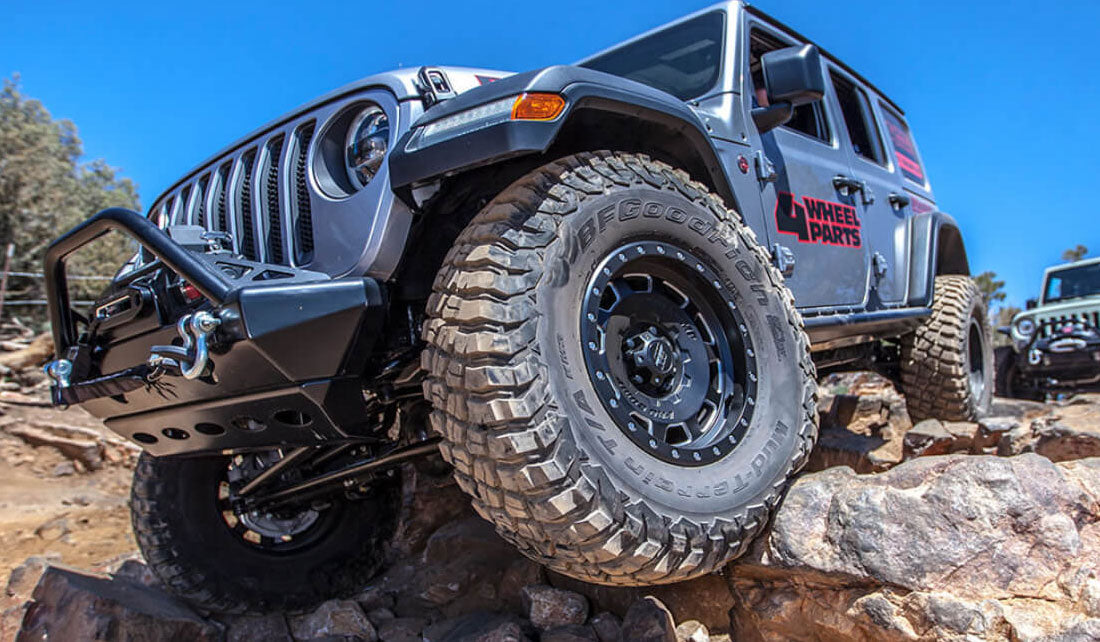
Many beginners miss how much changing tire size affects psi. For example, 35-inch off-road tires may run best at 28 psi on the road, even if your Jeep sticker says 36 psi. Always test and adjust to find the ideal number for your setup.
How To Check And Adjust PSI
Checking and adjusting psi is simple but critical. Here’s the process:
- Buy a quality tire gauge. Digital types are more accurate.
- Check psi when tires are cold. Heat increases pressure readings.
- Adjust with an air compressor or deflator. Many off-roaders carry portable compressors.
- After off-roading, reinflate before driving home. Low psi on highways is dangerous.
Here’s a quick comparison of checking psi with different tools:
| Method | Accuracy | Convenience |
|---|---|---|
| Digital Gauge | High | Easy, quick |
| Pencil Gauge | Medium | Simple, cheap |
| Compressor Gauge | High | Fast, needs power |
Common Mistakes And Pro Tips
Many Jeep owners make similar mistakes with tire psi:
- Ignoring psi after changing tire size. Bigger tires often need less air.
- Not airing down for trails. Higher psi leads to spinning and less control.
- Leaving tires aired down after off-roading. This can destroy tires on the highway.
- Checking psi when tires are hot. Readings will be higher than actual.
Two key insights:
First, always adjust psi in small steps and test drive to feel the difference. Second, keep a log of what psi works best for each terrain and tire—you’ll save time and tires in the long run.
What Is The Best Psi For Jeep Wrangler Tires On The Road?
For most stock Jeep Wranglers, 35–37 psi is ideal for highway use. Always check your owner’s manual or tire placard for the exact number.
How Low Can I Safely Air Down My Jeep Tires For Off-roading?
Most drivers air down to 15–20 psi for rocks and about 12–16 psi for sand. Never go lower unless you have beadlock wheels, which keep the tire from slipping off the rim.
Does Changing Tire Size Affect The Recommended Psi?
Yes, larger tires need less psi to support the same weight. Start 10–20% below the stock recommendation, test drive, and adjust as needed.
Why Does Tire Pressure Change With Temperature?
Air expands when hot and contracts when cold. Psi can change by 1 psi for every 10°F change in temperature, so check tires when cold for the most accurate reading.
Can Incorrect Psi Damage My Jeep?
Yes. Too much psi can cause poor traction and faster wear in the center of the tire. Too little psi can overheat the tire and damage the sidewall or even cause a blowout.
Proper psi keeps your Jeep safe, fuel-efficient, and ready for any terrain. For more details on tire pressure safety, check out the official advice from the National Highway Traffic Safety Administration.
Keeping your Jeep’s tires at the right psi is not just about numbers—it’s about understanding your vehicle, the terrain, and your own driving style. With the right tools and habits, you’ll get the most out of every mile, on or off the road.