The Jeep Renegade is a popular compact SUV known for its rugged style and versatility. One detail that often gets overlooked, yet is crucial for safety and performance, is tire pressure.
Whether you drive your Renegade in the city or take it off-road, keeping the right tire pressure makes a big difference. Many drivers don’t realize how much tire pressure affects handling, fuel efficiency, and even tire lifespan.
Let’s explore everything you need to know about Jeep Renegade tire pressure, including recommended values, how to check and adjust, common mistakes, and practical advice for real-world driving.
Recommended Tire Pressure For Jeep Renegade
The right tire pressure for your Jeep Renegade depends on several factors: model year, tire size, and load. For most Renegade models, the manufacturer recommends 32 psi (pounds per square inch) for both front and rear tires. You can confirm this value by checking the sticker inside the driver’s door or your owner’s manual.
Here’s a quick reference for common Renegade tire sizes:
| Tire Size | Recommended Pressure (psi) | Vehicle Trim |
|---|---|---|
| 215/60R17 | 32 | Sport, Latitude |
| 225/55R18 | 32 | Limited, Trailhawk |
| 235/45R19 | 32 | High Altitude |
If you change your tire size or use aftermarket wheels, always follow the pressure recommended for the new tires, not just the vehicle.
Why Tire Pressure Matters
Proper tire pressure is more than just a number—it affects every drive. Here are some reasons why keeping the correct pressure matters:
- Safety: Underinflated tires can overheat and may fail suddenly. Overinflated tires reduce grip, especially on wet roads.
- Fuel Efficiency: Low tire pressure increases rolling resistance, making your engine work harder and burning more gas.
- Tire Lifespan: Incorrect pressure causes uneven wear. For example, underinflated tires wear out on the edges, while overinflated tires wear in the center.
- Handling: The Renegade is designed for stability. Wrong pressure affects steering response and braking.
A common mistake is to rely only on visual checks. Tires may look fine but still be underinflated by several psi.
How To Check And Adjust Tire Pressure
Checking your tire pressure is simple but often skipped. Here’s how you can do it quickly:
- Use a digital or analog tire gauge. Avoid cheap gauges—they’re often inaccurate.
- Check tire pressure when tires are cold (before driving or after sitting for 3+ hours).
- Remove the valve cap and press the gauge onto the valve stem.
- Compare the reading to the recommended psi.
- If the pressure is low, add air using a compressor. If it’s high, release air until you reach the right value.
Many gas stations have air pumps, but the built-in gauges may not be reliable. It’s better to carry your own gauge in the glovebox.
Tire Pressure Monitoring System (tpms)
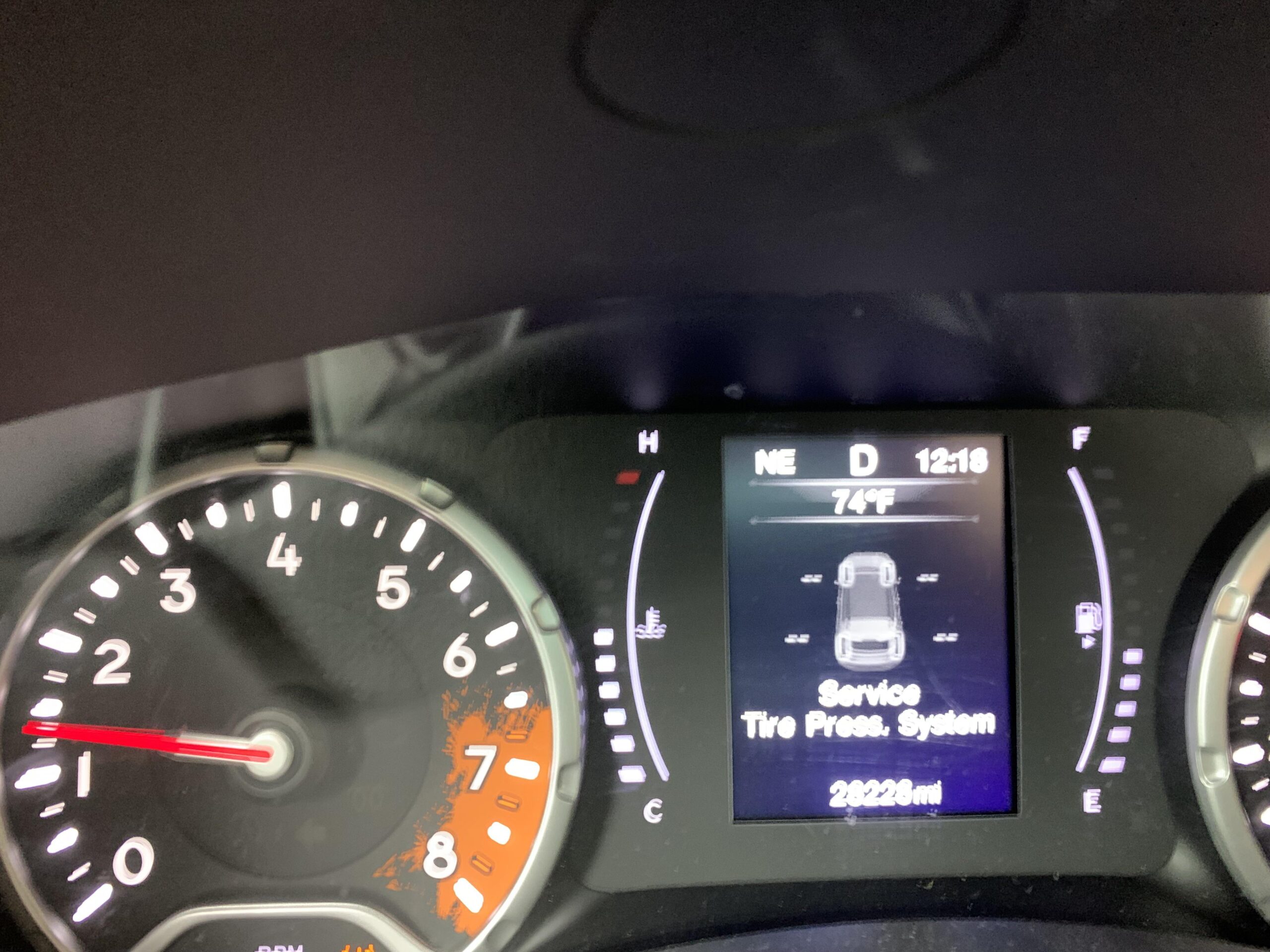
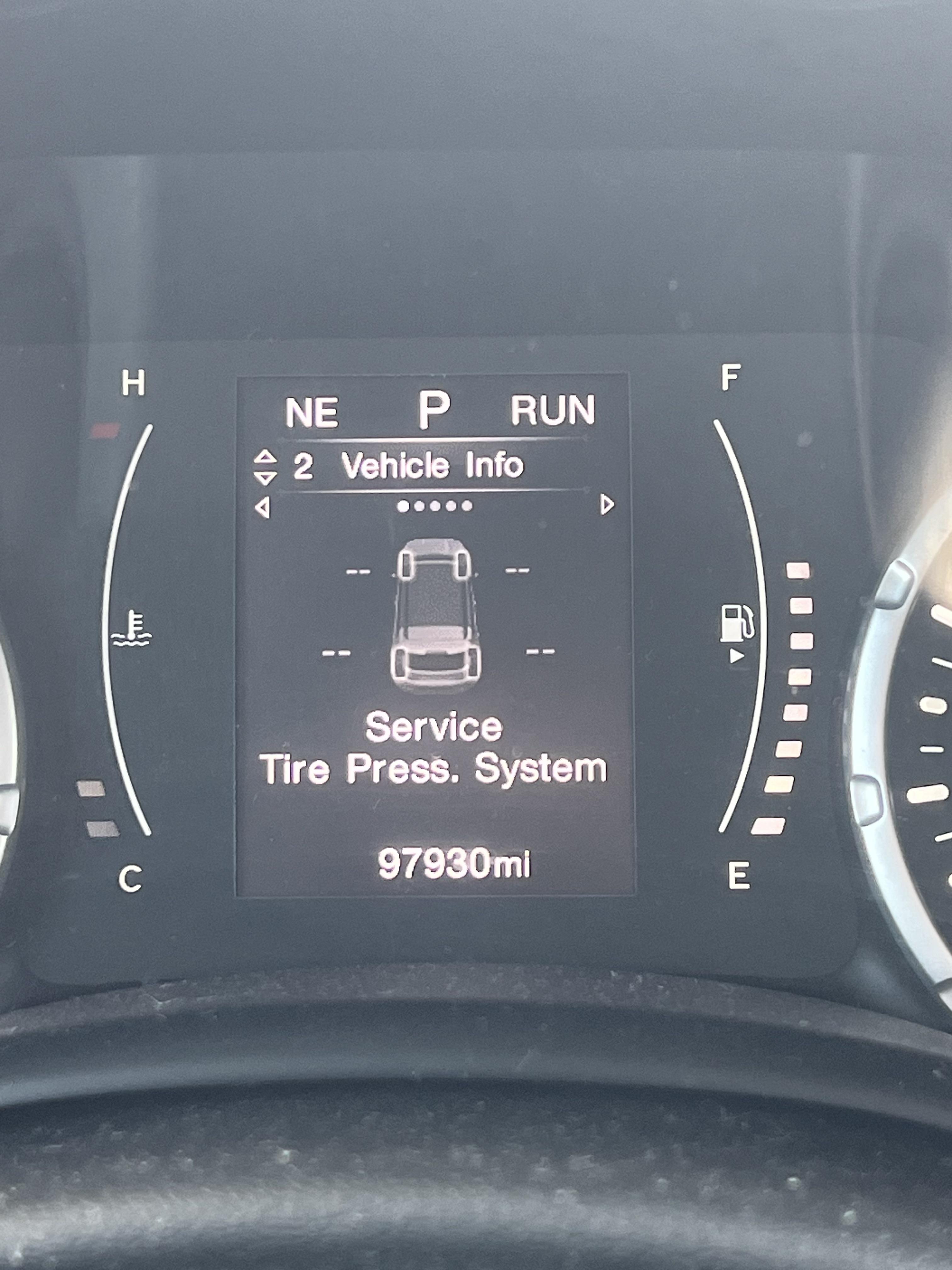
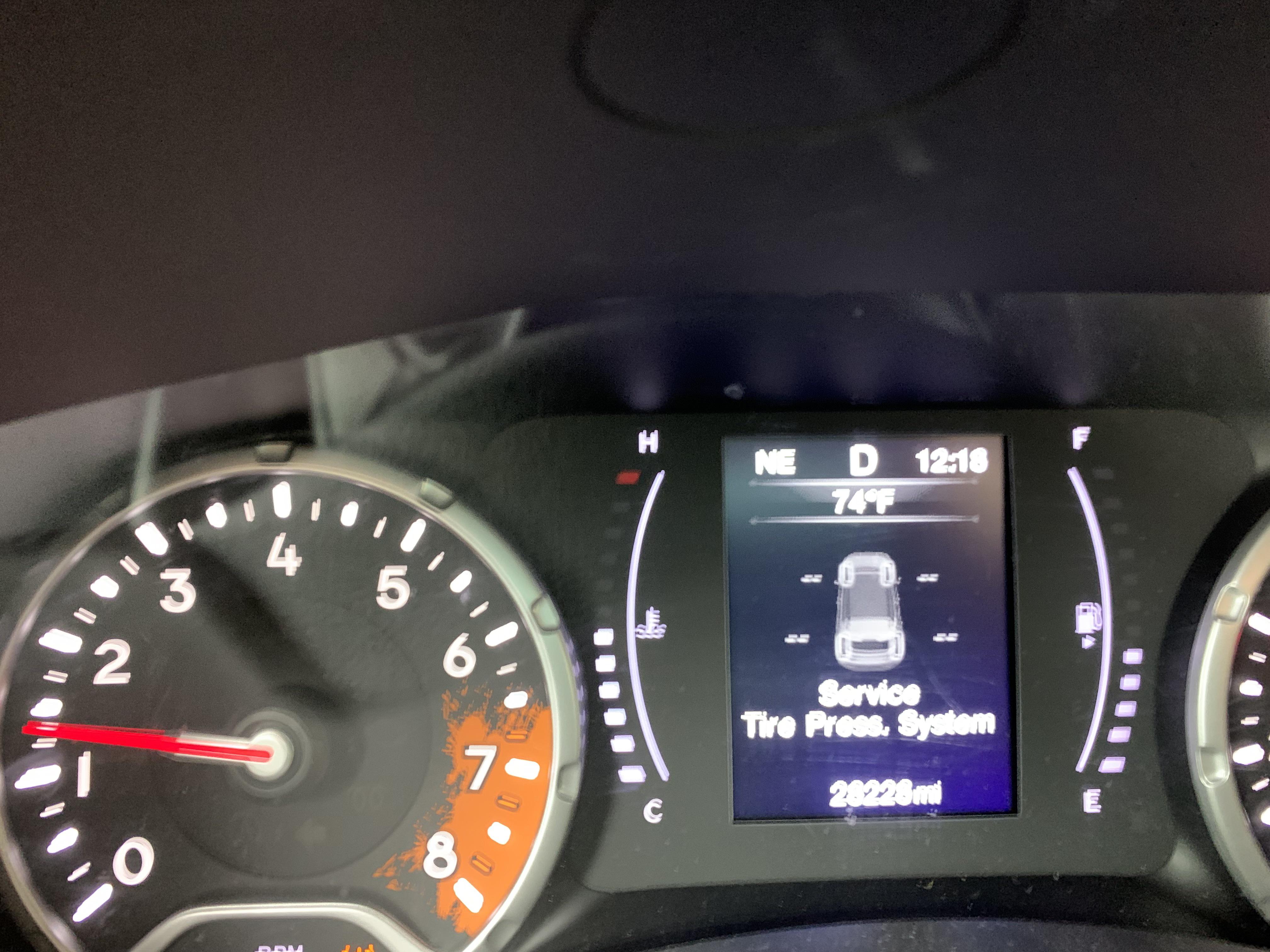
Most Jeep Renegade models have a TPMS. This system warns you if tire pressure drops below a safe level. However, TPMS usually alerts only when the pressure is 25% below the recommended value. You shouldn’t wait for the warning—regular checks are important.
Tire Pressure For Different Conditions
Tire pressure isn’t always a “set it and forget it” number. Adjusting for weather and terrain can help.
| Condition | Recommended Adjustment | Reason |
|---|---|---|
| Cold Weather | Add 1-2 psi | Air contracts, lowering pressure |
| Hot Weather | No adjustment | Air expands, but check after cooling |
| Off-Road Driving | Lower by 2-4 psi | Improves grip on loose surfaces |
| Heavy Load | Follow tire sidewall max | Supports extra weight |
Always return tires to standard pressure after off-road trips or temperature changes.
Common Tire Pressure Mistakes
Many Renegade owners make simple errors. Here are a few:
- Ignoring regular checks: Even new tires lose air over time.
- Using sidewall pressure: The number on the tire sidewall is a maximum, not the recommended value.
- Forgetting the spare: The Renegade often has a compact spare. It needs higher pressure, usually 60 psi.
- Not adjusting for load: Carrying extra passengers or cargo can change tire requirements.
A non-obvious tip: If you notice uneven tire wear, check alignment and rotation schedules, not just pressure.
Signs Of Incorrect Tire Pressure
Your Renegade will “tell” you if the tires aren’t right. Watch for these signs:
- Reduced fuel economy
- Vibrations or poor handling
- Uneven tire wear patterns
- TPMS warning light
- Longer braking distances
If you notice any of these, check your tires immediately.
Practical Tips For Jeep Renegade Owners
- Check tire pressure monthly and before long trips.
- Invest in a quality tire gauge—digital models are easiest to read.
- Adjust pressure for seasonal changes, especially if you live in areas with cold winters.
- Don’t forget to check the spare tire.
- If replacing tires, ask your dealer or mechanic about the right psi for your new tires.
A helpful resource for tire safety is the National Highway Traffic Safety Administration.
Frequently Asked Questions
What Is The Ideal Tire Pressure For My Jeep Renegade?
For most Renegade models, the ideal tire pressure is 32 psi for both front and rear tires. Always check the sticker inside your driver’s door for exact numbers.
How Often Should I Check My Tire Pressure?
It’s best to check tire pressure once a month and before long drives. You should also check after big temperature changes.
Can I Use The Pressure Listed On The Tire Sidewall?
No. The sidewall shows the maximum pressure, not the recommended value. Always use the number from your vehicle’s sticker or manual.
What Happens If My Tire Pressure Is Too Low?
Low pressure causes tires to wear faster, reduces fuel efficiency, and may lead to dangerous blowouts. It also makes the vehicle handle poorly.
How Does Weather Affect Jeep Renegade Tire Pressure?
Cold air causes tire pressure to drop, while hot air can increase it. Adjust your pressure by 1-2 psi in winter to stay within the safe range.
Taking care of your Jeep Renegade’s tire pressure isn’t just about numbers—it’s a key part of safe and enjoyable driving. With regular checks and smart adjustments, you’ll get better performance, longer tire life, and peace of mind on every journey.