The Jeep Patriot is a compact SUV that caught attention for its rugged look and affordable price. But one of the most common questions from buyers is about its miles per gallon (MPG).
Fuel efficiency matters, especially with rising gas prices and daily commuting. If you’re considering a Jeep Patriot or already own one, understanding how MPG works for this model can help you save money and make smarter choices.
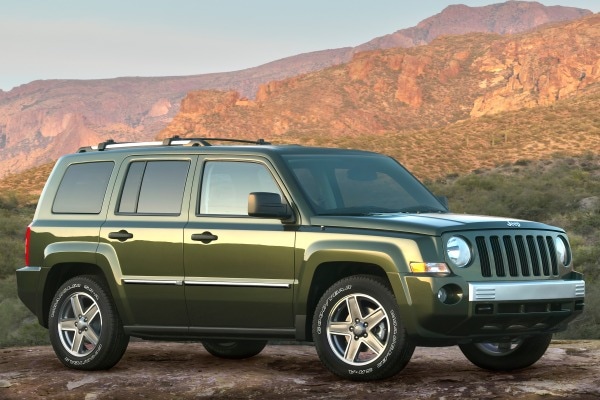
Jeep Patriot MPG: What To Expect
The Jeep Patriot was produced from 2007 to 2017. Across these years, the MPG numbers varied depending on the engine, transmission, and whether the model had 4WD or front-wheel drive (FWD). Generally, the Patriot is not famous for high fuel efficiency, but it’s competitive for its class.
Most Patriots came with two engine choices:
- 2.0L 4-cylinder (mainly FWD)
- 2.4L 4-cylinder (FWD or 4WD)
Here’s a quick comparison of typical MPG ratings:
| Model Year | Engine | Drive Type | City MPG | Highway MPG | Combined MPG |
|---|---|---|---|---|---|
| 2016 | 2.0L | FWD | 23 | 30 | 26 |
| 2016 | 2.4L | FWD | 23 | 29 | 25 |
| 2016 | 2.4L | 4WD | 20 | 26 | 22 |
You’ll notice that FWD Patriots with smaller engines perform better on gas. The 2. 0L engine is the most fuel-efficient, while the 2. 4L 4WD uses more fuel.
Factors That Affect Jeep Patriot MPG
Several things can change how many miles per gallon you get in real life. Here are some important ones:
- Engine Size: The smaller 2.0L engine usually delivers better MPG than the 2.4L.
- Transmission Type: Patriots came with manual, automatic, and CVT (continuously variable transmission). Manuals tend to get slightly better MPG.
- Driving Style: Rapid acceleration, heavy braking, and fast highway speeds can lower your MPG.
- Load and Cargo: Carrying heavy loads or towing reduces fuel efficiency.
- Maintenance: Clean air filters, proper tire pressure, and regular oil changes improve MPG.
- Weather and Terrain: Cold weather and hilly roads can decrease MPG. The Patriot’s boxy shape also affects aerodynamics.
Surprisingly, many drivers don’t realize how much tire pressure matters. Low tires increase friction and can drop your MPG by 1–2 points. Also, using roof racks or carrying gear on top adds wind resistance, costing you more fuel.

Real-world MPG: Owner Experiences
Official EPA numbers are helpful, but real-world results often differ. Most Patriot owners report:
- City driving: About 20–22 MPG
- Highway driving: 24–28 MPG
- Mixed driving: Around 23–25 MPG
Some drivers manage to get slightly higher MPG by keeping speeds steady and avoiding aggressive starts. But the 4WD version almost always gets lower numbers, especially in winter.
Here’s a comparison of fuel costs for an average driver:
| Drive Type | Annual Miles | Average MPG | Fuel Used (Gallons) | Estimated Cost ($3.50/gallon) |
|---|---|---|---|---|
| FWD | 12,000 | 25 | 480 | $1,680 |
| 4WD | 12,000 | 22 | 545 | $1,908 |
Switching from 4WD to FWD could save you over $200 per year in fuel if you drive 12,000 miles.
How The Jeep Patriot Compares To Other SUVs
Is the Patriot’s MPG good compared to other SUVs? It’s about average for older compact SUVs, but newer models now offer much better numbers. Here’s a quick look:
| Model | Year | Combined MPG |
|---|---|---|
| Jeep Patriot (2.0L FWD) | 2016 | 26 |
| Honda CR-V | 2016 | 28 |
| Toyota RAV4 | 2016 | 26 |
| Ford Escape | 2016 | 25 |
| Subaru Forester | 2016 | 27 |
So, the Jeep Patriot is close to rivals like the Toyota RAV4 and Ford Escape for MPG, but it doesn’t match the Honda CR-V or Subaru Forester.
Tips To Improve Your Jeep Patriot MPG
If you want to get the best miles per gallon from your Patriot, try these practical tips:
- Check tire pressure regularly—underinflated tires can lower MPG.
- Drive smoothly—avoid rapid starts and stops.
- Remove unnecessary weight—don’t keep heavy gear in your SUV.
- Limit roof rack use—only use racks when needed to reduce wind drag.
- Keep up with maintenance—change oil, air filters, and spark plugs on schedule.
- Use the right fuel—follow the manual; most Patriots run fine on regular gas.
- Plan routes—avoid high-traffic areas when possible.
One non-obvious tip: keep windows closed at highway speeds. Open windows increase drag, especially in the Patriot’s boxy shape.
What Is The Best Mpg I Can Get With A Jeep Patriot?
The highest official combined MPG is 26 for the 2.0L FWD with manual transmission. Some careful drivers report up to 30 MPG on highways, but most see 23–26 MPG in real life.
Does 4wd Make A Big Difference In Fuel Economy?
Yes, 4WD models usually get 2–4 MPG lower than FWD Patriots. The extra weight and drivetrain create more resistance, especially in city driving.
Using premium gas does not improve MPG or performance for the Jeep Patriot. It’s designed for regular gasoline. Using premium is a waste of money.
Is The Jeep Patriot Fuel-efficient Compared To Newer Suvs?
The Patriot is average for its era, but it’s behind newer SUVs that offer 28–35 MPG combined, especially hybrid models. If fuel efficiency is your top priority, consider newer options.
What Maintenance Helps Mpg The Most?
The most effective steps are keeping tires inflated, changing air filters, and regular oil changes. Also, check spark plugs and keep your engine tuned.
The Jeep Patriot balances affordability with modest MPG. If you drive carefully and keep up with maintenance, you can get decent fuel economy for a compact SUV. For more official data and comparisons, visit Fuel Economy.gov. Overall, the Patriot is not the most fuel-efficient SUV, but it’s reliable and offers good value for those who want capability without breaking the bank.