The Jeep Renegade is a popular compact SUV, loved for its rugged looks and city-friendly size. However, some owners face a troubling problem: a head gasket coolant leak.
This issue can lead to engine damage if not caught early. Understanding what causes it, how to spot it, and what to do next can save you stress, time, and money.
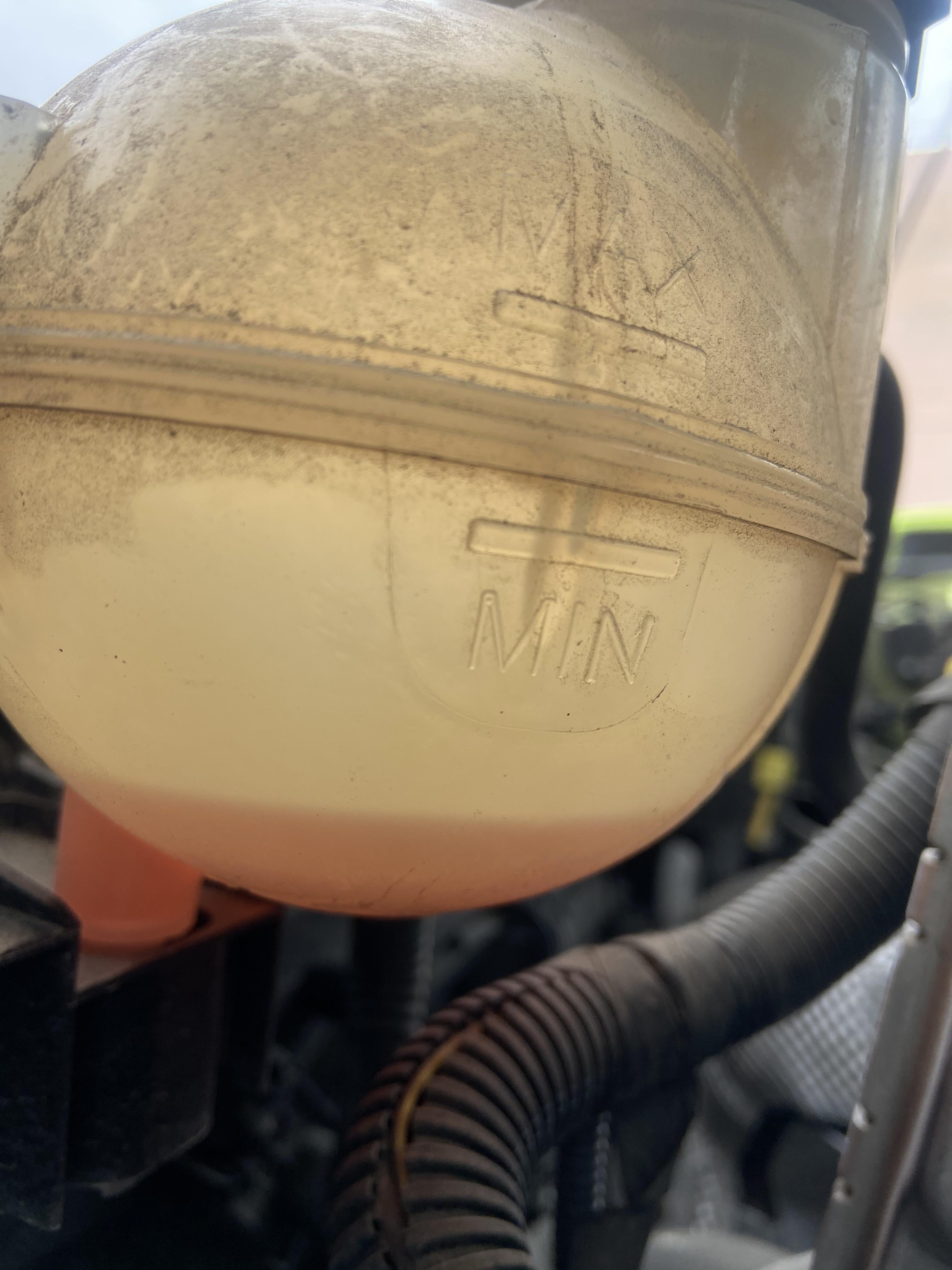
What Is A Head Gasket Coolant Leak?
The head gasket sits between the engine block and cylinder head. Its job is to keep oil, coolant, and combustion gases separate. When the head gasket fails, coolant can leak into places it shouldn’t, like the combustion chamber or outside the engine.
A coolant leak means you may lose engine coolant, which can cause the engine to overheat. In a Jeep Renegade, this problem usually shows up as white exhaust smoke, loss of power, or unexplained coolant loss.
Why Does The Head Gasket Fail?
Several factors can cause a head gasket to fail in the Jeep Renegade:
- Overheating: If the engine gets too hot, it can warp the head gasket and make it leak.
- Manufacturing defects: Some Renegade models have had head gasket issues due to factory problems.
- High mileage: Gaskets wear out over time, especially if maintenance is poor.
- Coolant issues: Using the wrong coolant or not changing it can corrode the gasket.
Signs Of A Head Gasket Coolant Leak In Jeep Renegade
Spotting the early signs of a head gasket leak can prevent major engine damage. Look for these warning signals:
- White exhaust smoke: Often a sign coolant is burning in the engine.
- Bubbles in coolant reservoir: This can mean gases are leaking into the cooling system.
- Milky oil: If oil looks creamy or light brown, coolant may be mixing with it.
- Unexplained coolant loss: If you keep adding coolant with no visible leaks, it could be the head gasket.
- Engine overheating: This often happens when there is not enough coolant.
- Check engine light: Sometimes the car’s computer detects problems from a head gasket leak.
Diagnosing The Problem
Mechanics use several methods to confirm a head gasket coolant leak. Here’s how they compare:
| Diagnostic Method | What It Checks | Cost Range (USD) | Accuracy |
|---|---|---|---|
| Compression Test | Cylinder pressure loss | $50-$100 | High |
| Chemical Block Test | Exhaust gas in coolant | $30-$60 | Very high |
| Visual Inspection | Oil/coolant mixing | Free-$30 | Medium |
A compression test is the most common. However, a chemical block test is more sensitive and can catch smaller leaks.
Repair Options And Costs
Fixing a head gasket leak is not cheap. Here’s what Jeep Renegade owners can expect:
| Repair Option | Typical Cost (USD) | Effectiveness | Time Needed |
|---|---|---|---|
| Head Gasket Replacement | $1,200–$2,000 | Permanent | 1–3 days |
| Stop Leak Additives | $10–$50 | Temporary | 1–2 hours |
| Used Engine Replacement | $2,000–$4,000 | Permanent | 2–5 days |
Head gasket replacement is the most reliable fix but also expensive. Using a stop leak additive can work for minor leaks, but it’s usually a short-term solution and may cause other problems, like clogging the radiator.
Preventing Head Gasket Problems
You can reduce the risk of a head gasket leak in your Jeep Renegade by following a few simple steps:
- Check coolant levels regularly. Low coolant can lead to overheating and gasket failure.
- Use the correct coolant. Always use the type recommended in your owner’s manual.
- Change coolant as recommended. Old or dirty coolant can corrode engine parts.
- Watch your temperature gauge. If the engine gets hot, stop and investigate.
- Fix leaks quickly. Small coolant leaks can turn into bigger problems if ignored.
One thing many owners miss is the importance of cooling system maintenance. Even a stuck thermostat or a weak radiator cap can contribute to overheating, which stresses the head gasket.
Real-world Example
A 2016 Jeep Renegade owner noticed white smoke from the exhaust and a sweet smell after starting the car. The dealer confirmed a head gasket leak. The repair cost was around $1,500, and the car was out of service for three days.
The owner had skipped two coolant changes, which likely contributed to the failure.
Is It Worth Fixing?
This depends on your Jeep’s age, mileage, and condition. If your Renegade is worth less than the repair cost, or if it has other major issues, selling or trading in might be smarter. But if the car is otherwise in good shape, repairing the head gasket can add years to its life.
Here is a quick comparison to help you decide:
| Situation | Recommended Action | Why |
|---|---|---|
| Low mileage, good condition | Fix head gasket | Extends car’s life |
| High mileage, poor condition | Consider selling | Repair may cost more than car value |
| Minor leak, short-term use | Try additive | Cheap temporary fix |
What Happens If I Drive My Jeep Renegade With A Head Gasket Coolant Leak?
Driving with a head gasket leak can lead to engine overheating, warped engine parts, and even total engine failure. It’s risky and often makes repairs much more expensive.
How Long Does A Head Gasket Repair Last?
A proper head gasket replacement can last the life of the vehicle if done well and if you maintain your cooling system. Cheap or rushed repairs often fail sooner.
Are Jeep Renegades Known For Head Gasket Problems?
Some Renegade model years have more reports of head gasket failures, especially when regular maintenance is missed. However, it’s not the most common problem for all Renegades.
Can I Fix A Head Gasket Leak Myself?
Replacing a head gasket is a complex job, usually best left to skilled mechanics. DIY repairs are possible but require special tools and experience.
Where Can I Learn More About Head Gasket Leaks?
A good place to start is the Wikipedia page on head gaskets for detailed technical information.
Catching a head gasket coolant leak early in your Jeep Renegade can save you from a major headache. Stay alert for warning signs, keep up with maintenance, and don’t hesitate to seek expert help if you notice something wrong. A little attention now can mean years of reliable driving ahead.