The Jeep Patriot Tire Pressure Monitoring System (TPMS) is more than just a dashboard warning light; it’s a safety feature every owner should understand. Keeping your tires at the right pressure is critical for safe driving, good fuel economy, and making your tires last longer.
For many drivers, the system can seem confusing or even annoying when the warning light appears. But knowing how the TPMS works, what causes alerts, and how to fix common problems can save you money and prevent dangerous situations on the road.
What Is The Jeep Patriot TPMS?
The TPMS is a built-in electronic system that monitors the air pressure in your tires. If one or more tires become too low, the system alerts you with a yellow light on the dashboard. This feature became standard on U.S. cars after 2007, and the Jeep Patriot is no exception.
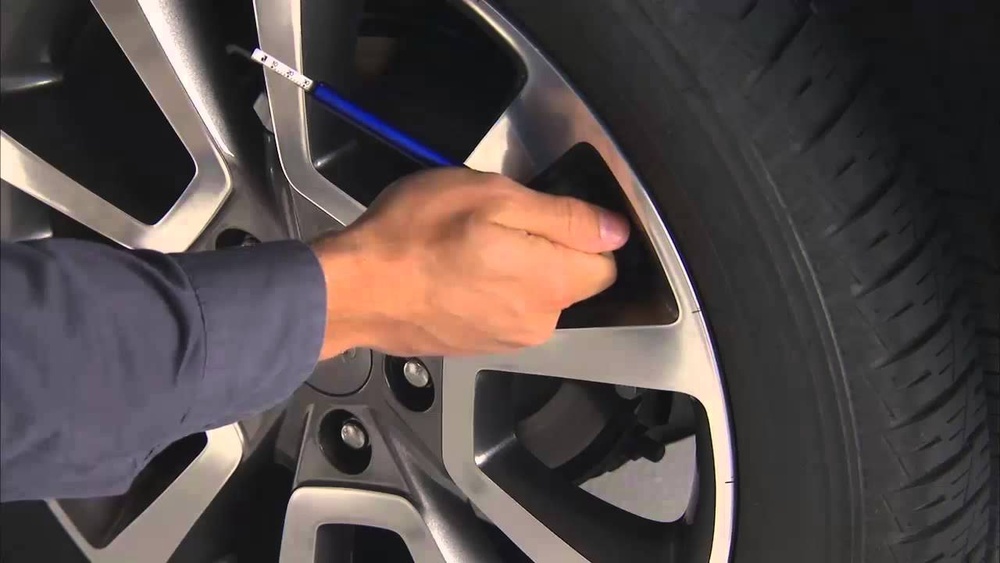
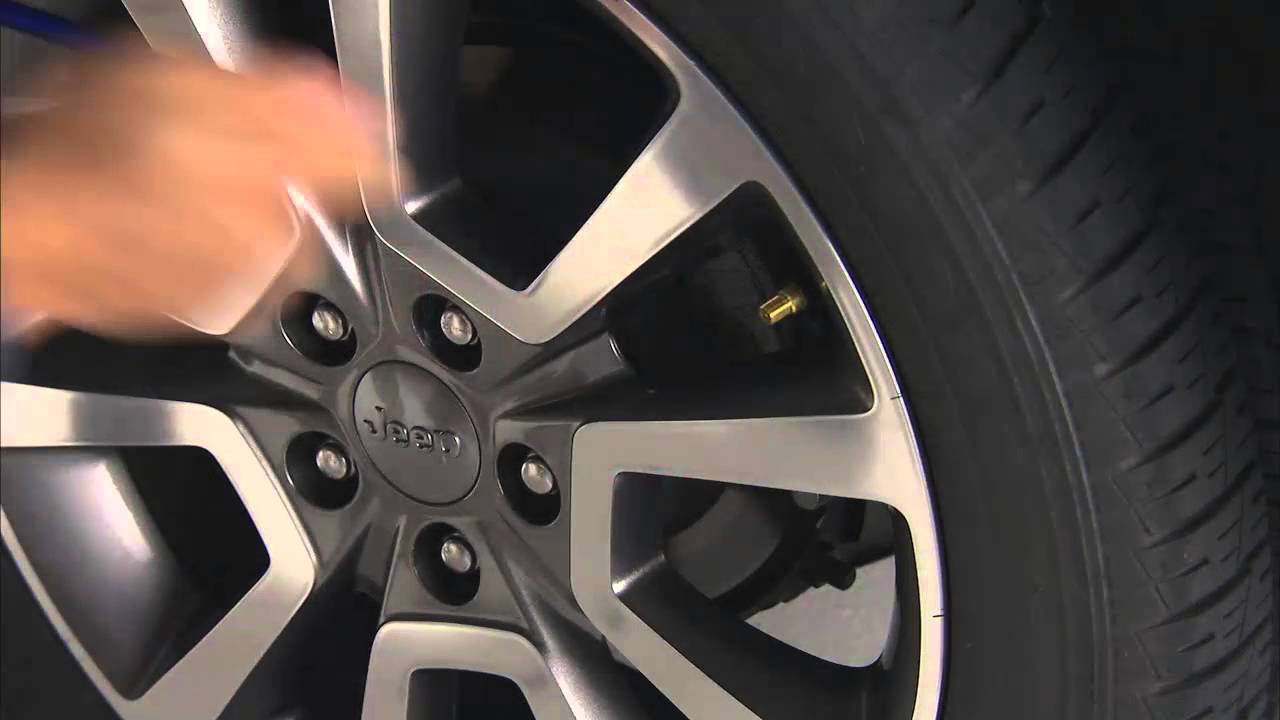
There are two types of TPMS: direct and indirect. The Jeep Patriot uses the direct type, which means each tire has a sensor inside the wheel that sends real-time pressure data to your vehicle’s computer.
How The System Works
Whenever you start your Jeep Patriot, the system checks each tire’s pressure. If the air in any tire drops about 25% below the recommended level, the TPMS light turns on. Here’s a simple breakdown:
Sensors inside wheels measure air pressure.
Data is sent wirelessly to the vehicle’s computer.
If pressure is low, the warning light appears.
It’s important to know that the system doesn’t show the exact pressure for each tire on the dashboard. It only warns you when something is wrong.
Recommended Tire Pressure For Jeep Patriot
You’ll find the recommended tire pressure for your Jeep Patriot on a sticker inside the driver’s door. For most models, it’s:
32 psi (pounds per square inch) for both front and rear tires
This number can be different if you have special tires or wheels. Always check your owner’s manual to be sure.
Why Tire Pressure Matters
Driving with the correct tire pressure is more important than many people realize. Here are a few reasons:
Safety: Under-inflated tires can overheat and may cause blowouts.
Fuel economy: Low pressure increases rolling resistance, wasting gas.
Tire life: Both low and high pressure wear your tires faster.
According to the National Highway Traffic Safety Administration, one in four cars has at least one tire under-inflated by 25% or more. This can be risky, especially at highway speeds.
Common TPMS Warning Light Causes
Seeing the TPMS warning light isn’t always a sign of a serious problem. Here are the most common causes for the light to come on in your Jeep Patriot:
Seasonal temperature changes: Cold weather lowers tire pressure.
Small leaks or punctures: Nails or other objects can cause slow leaks.
Sensor battery failure: TPMS sensors have batteries that last 5-10 years.
Recent tire service: Rotating or changing tires can confuse the sensors.
Sometimes, the light may blink before staying on solid, which can mean a sensor or system problem—not just low air.

What To Do When The TPMS Light Comes On
Don’t Ignore The Warning. Here’s What You Should Do, Step-by-step:
Check all tires with a reliable pressure gauge.
Inflate any tires that are below the recommended psi.
Drive for a few miles to see if the light goes off.
If the light stays on, check for visible damage or slow leaks.
If you can’t find the problem, have a shop inspect your TPMS.
Pro tip: Sometimes the spare tire also has a sensor. If the light won’t turn off, check the spare!
Comparing Tpms Sensors: Oem Vs Aftermarket
When it’s time to replace a TPMS sensor, you can choose between OEM (Original Equipment Manufacturer) and aftermarket parts. Here’s a quick comparison:
Feature | OEM Sensors | Aftermarket Sensors |
|---|---|---|
Compatibility | Guaranteed fit | May need reprogramming |
Cost | More expensive | Less expensive |
Warranty | Usually included | Varies by brand |
Battery Life | 5-10 years | Similar |
OEM sensors are often best if you want zero hassle, but aftermarket sensors can be a good option if you’re on a budget.

Resetting The TPMS In A Jeep Patriot
The Jeep Patriot’s TPMS usually resets itself after all tires are inflated to the right pressure and you drive for a few minutes. But sometimes, the system needs manual help:
Inflate all tires to the recommended psi.
Drive at least 15 mph for 10-20 minutes.
If the light stays on, try disconnecting the battery for a few minutes.
If nothing works, a special TPMS tool or a dealer visit may be needed.
Note: Not all tire shops have the right tool for Jeep Patriots, especially older models. Call ahead to ask.
Diagnosing TPMS Problems
Sometimes, the TPMS light stays on even with perfect tire pressure. Common issues include:
Dead sensor batteries: These can’t be replaced; you need a new sensor.
Sensor damage: Hitting a curb or pothole can break the sensor.
Interference: Some electronic devices can block sensor signals.
A professional can test each sensor using a handheld TPMS tool.
Cost of TPMS Repairs
How much will you pay if something goes wrong? Here’s a general idea:
Service | Typical Cost (USD) |
|---|---|
Sensor replacement (each) | $50 – $120 |
System reset | $20 – $50 |
Full diagnosis | $40 – $100 |
Tip: If you’re replacing tires, ask your shop to check the sensors at the same time. It’s cheaper to do both together.
Tips For Maintaining Your Jeep Patriot Tpms
Check tire pressure monthly, not just when the light comes on.
Avoid using “fix-a-flat” sealants, which can damage sensors.
Rotate your tires regularly and have sensors checked at the same time.
Replace sensors when you get a new set of tires, especially if they’re over five years old.
Beginner insight: Many drivers don’t realize that tire pressure should be checked when the tires are “cold”—before driving, as heat increases pressure and gives a false reading.
Second insight: TPMS is not a replacement for a manual tire gauge. The system can fail without warning, so always keep a gauge in your glove box.
Why Does My TPMS Light Come On Only In The Morning?
Cool temperatures at night lower tire pressure. As you drive and tires warm up, the pressure rises, and the light may turn off. This is normal, but you should still check your tires.
Can I Drive With The TPMS Light On?
You can, but it’s not safe. The light means at least one tire is under-inflated, which increases the risk of a blowout or poor handling.
How Long Do Jeep Patriot TPMS Sensors Last?
Most TPMS sensors last 5 to 10 years or about 60,000 to 100,000 miles. After that, the battery inside the sensor usually dies.
Do I Need To Replace All Sensors At Once?
No, but it’s smart to replace all if they’re the same age. This saves you time and money on future labor costs.
Where Can I Learn More About TPMS?
You can find more details on the Wikipedia TPMS page.
Taking care of your Jeep Patriot Tire Pressure Monitoring System is simple with the right knowledge. Regular checks, quick action when the warning light appears, and understanding how the system works will keep you safe and your vehicle running smoothly.