If you drive a Jeep Cherokee, keeping your engine cool is essential for long-term reliability and performance. The coolant type you use can make a big difference in how your vehicle runs, how much you pay for repairs, and even how long your engine lasts.
Many owners don’t realize that not all coolants are the same, and choosing the wrong one can cause real problems. This guide explains everything you need to know about Jeep Cherokee coolant types, so you can make confident, safe choices for your vehicle.
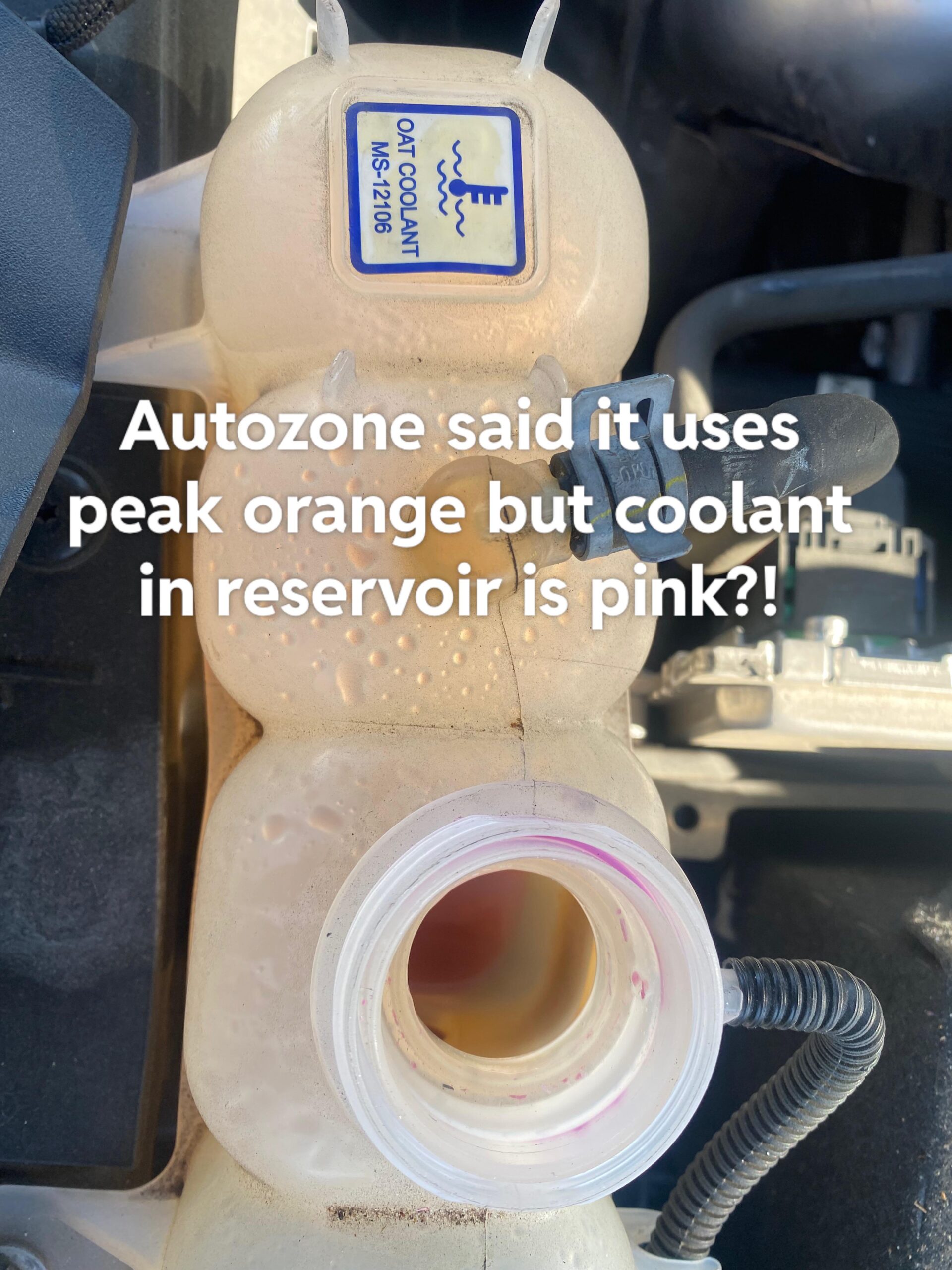
Why Coolant Matters For Your Jeep Cherokee
Coolant, also called antifreeze, keeps your engine from overheating and freezing. It circulates through the engine and radiator, absorbing heat and maintaining the proper temperature. Modern coolants also protect metal parts from corrosion, lubricate water pumps, and help prevent build-up inside the cooling system.
If you use the wrong coolant, it can lead to:
- Corrosion in the radiator and engine block
- Reduced cooling efficiency
- Premature leaks and expensive repairs
These risks are especially high in Jeep Cherokee models, which have aluminum parts sensitive to certain chemicals.
Jeep Cherokee Coolant Types By Model Year
The best coolant for your Jeep Cherokee depends on its model year and engine type. Jeep has changed coolant recommendations over the years to match new materials and designs.
Here is a simple overview:
| Model Year | Recommended Coolant | Color |
|---|---|---|
| 1997–2001 | Green Conventional (IAT) | Green |
| 2002–2012 | HOAT (Hybrid Organic Acid Technology) | Orange/Yellow |
| 2013–Present | OAT (Organic Acid Technology) | Purple |
IAT (Inorganic Additive Technology): Used in older vehicles. Needs changing every 2 years.
HOAT: Combines organic and inorganic additives. Better protection for aluminum parts.
OAT: Longer life (up to 10 years). Best for newer models.
How To Check And Change Your Coolant
Most drivers check coolant only when something goes wrong. But regular inspection can prevent engine failure.
- Wait until your engine is cool.
- Open the hood and locate the coolant reservoir (clear plastic tank).
- Check the level. It should be between “Min” and “Max.”
- Look at the color. If it’s brown, rusty, or cloudy, it’s time to change it.
To change your coolant:
- Drain the old coolant from the radiator.
- Flush the system with clean water.
- Add new coolant (the correct type) mixed with distilled water (usually 50/50).
- Run the engine with the radiator cap off for a few minutes to release air pockets.
Tip: Never mix different coolant types. Mixing can cause gel or sludge, blocking flow and damaging parts.
Choosing The Right Coolant Brand
Many brands make coolant that fits Jeep Cherokee requirements. But not all products are equal. Look for those with clear labeling for your model year and the correct technology.
Here is a comparison of popular brands for Jeep Cherokee:
| Brand | Type | Model Year Compatibility | Average Price (1 Gallon) |
|---|---|---|---|
| Prestone | OAT, HOAT | 2002–Present | $19 |
| Zerex | HOAT, OAT | 2002–Present | $22 |
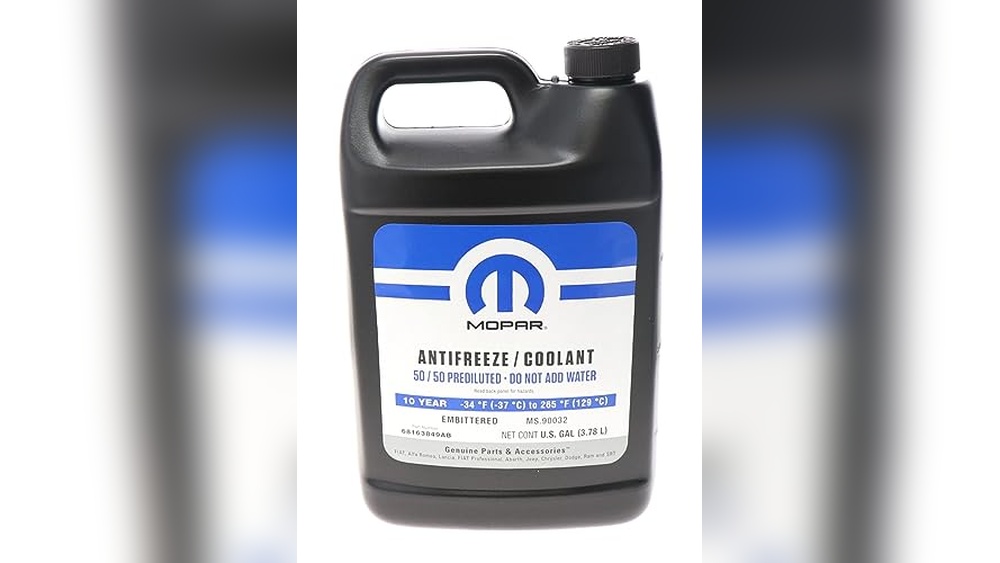
| Mopar | OAT (OEM) | 2013–Present | $25 |
| Peak | IAT | 1997–2001 | $17 |
Mopar is the official Jeep brand, but Prestone and Zerex offer quality alternatives. Always double-check the label for compatibility.
How Often Should You Change Coolant?
Coolant life depends on its type and your vehicle use.
- IAT: Every 24,000 miles or 2 years
- HOAT: Every 5 years or 100,000 miles
- OAT: Every 10 years or 150,000 miles
Extreme heat or cold, heavy towing, or stop-and-go driving can shorten these intervals. If you notice leaks, overheating, or engine warning lights, check coolant right away.
Common Mistakes Jeep Cherokee Owners Make
Many drivers think any coolant will work. This is not true for modern vehicles. Here are mistakes to avoid:
- Mixing coolant types: This can cause thick sludge and ruin your radiator.
- Using tap water: Tap water has minerals that cause buildup. Always use distilled water.
- Ignoring color: Color signals coolant type. Never add purple OAT to an orange HOAT system.
- Skipping flushes: Old coolant contains debris and acids. Flushing removes these.
A less-known problem is buying “universal” coolant. These products often claim to fit all cars, but they rarely offer the right protection for Jeep Cherokees.
Real-world Example: 2015 Jeep Cherokee
Let’s take a 2015 Jeep Cherokee as an example. Jeep recommends OAT coolant, which is purple. If you use HOAT or green IAT, you risk rapid corrosion and clogging. Owners who switched to OAT saw fewer overheating problems and longer water pump life. One owner reported their vehicle ran cooler after a proper flush and refill.
Environmental And Safety Considerations
Coolant is toxic and can harm pets and wildlife. Always dispose of used coolant at a recycling center. Never pour it down drains or on the ground.
Coolant spills can be slippery and dangerous. Clean up spills immediately. Keep coolant containers tightly closed and out of reach of children.
Jeep Cherokee Coolant Capacity
Different engines have different coolant capacities. Here’s a quick reference:
| Engine | Model Year | Capacity (Quarts) |
|---|---|---|
| 2.4L I4 | 2014–Present | 7.0 |
| 3.2L V6 | 2014–Present | 7.0 |
| 4.0L I6 | 1997–2001 | 6.7 |
Double-check your owner’s manual for exact numbers.
Frequently Asked Questions
What Coolant Does A 2020 Jeep Cherokee Use?
A 2020 Jeep Cherokee uses OAT coolant (purple). Mopar OAT is recommended for the best protection.
Can I Mix Different Coolant Colors?
No, mixing coolant types or colors can cause blockages and damage. Use only one type at a time.
How Do I Know When To Change My Coolant?
Check the coolant every 6 months. Change it if it looks dirty, rusty, or cloudy, or if your vehicle overheats.
Is It Safe To Use “universal” Coolant?
Universal coolants do not always meet Jeep standards. Always use the recommended type for your model year.
Where Can I Find Official Coolant Recommendations?
You can find Jeep’s official coolant guidelines at the Jeep Official Website.
Taking care of your Jeep Cherokee’s cooling system is simple when you know what to look for. With the right coolant, regular checks, and careful maintenance, your vehicle will stay reliable and safe on the road for years.