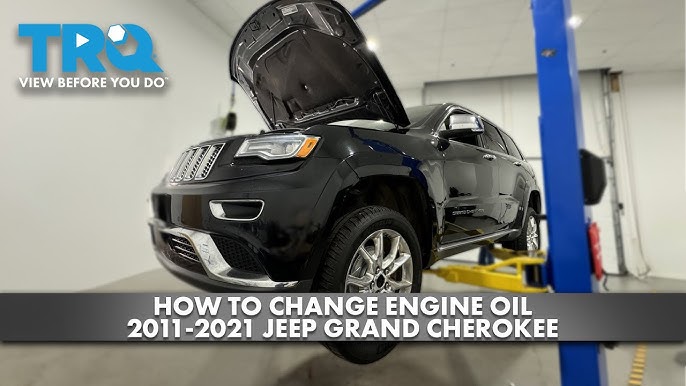
A Jeep oil cooler leak is a common problem for many Jeep owners, especially those with models from the past decade. If you notice oil spots under your Jeep or the oil level keeps dropping, an oil cooler leak could be the cause.
Left untreated, this issue can lead to serious engine problems. Let’s explore why this happens, how to spot it, what you can do, and how to prevent it from happening again.
What Is A Jeep Oil Cooler And Why Does It Leak?
The oil cooler is a small radiator that helps lower the temperature of your engine oil. This keeps your engine running smoothly and prevents overheating. Most modern Jeeps, like the Grand Cherokee, Wrangler, and Cherokee, use an oil cooler to manage the heat produced by their powerful engines.
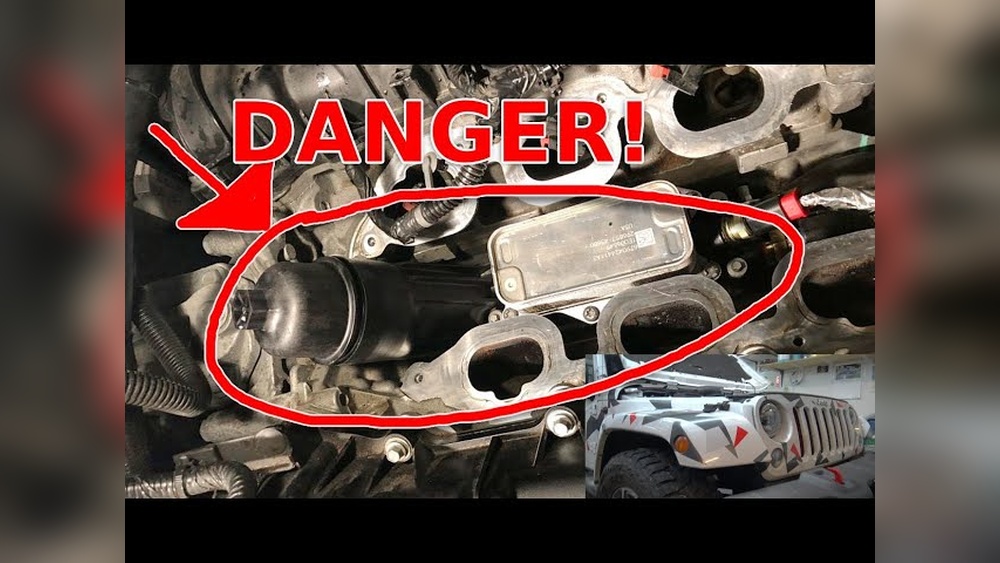
Leaks usually start where the oil cooler attaches to the engine. The common reasons for leaks include:
- Poor gasket design
- Plastic housing cracks
- Heat cycles causing warping
Some Jeep models, especially those with the 3.6L Pentastar V6 engine (2011–2020), are well known for oil cooler leaks. Manufacturers have updated the design in recent years, but many older Jeeps are still at risk.
Common Symptoms Of An Oil Cooler Leak
Spotting an oil cooler leak early can save you money and engine trouble. Here are the main signs to watch for:
- Oil spots under your Jeep – Look for brown or dark puddles after parking overnight.
- Burning oil smell – Oil dripping onto hot engine parts creates a strong, unpleasant odor.
- Low oil level – If you have to add oil often, but see no obvious leaks elsewhere, suspect the oil cooler.
- Check engine light – Sometimes oil leaks trigger sensors, causing the warning light to appear.
- Engine overheating – Without enough oil, your engine may run hotter than usual.
It’s important to check these symptoms quickly. An oil cooler leak can lead to low oil pressure, poor engine performance, and even engine failure if ignored.
Why Do Jeep Oil Cooler Leaks Happen So Often?
Jeep oil cooler leaks are not rare. In fact, they are one of the most reported Jeep engine issues. There are a few reasons for this:
- Plastic oil cooler housing: Many models use plastic housings, which can crack over time.
- Heat cycles: Engines get hot and cool down thousands of times, making materials expand and contract. Plastic and rubber gaskets wear out faster than metal.
- Design flaws: Early Pentastar V6 engines had oil coolers in hard-to-reach spots. This makes leaks more likely and repairs more difficult.
Here is a quick comparison of Jeep models and their oil cooler leak risks:
| Jeep Model | Engine | Leak Risk |
|---|---|---|
| Wrangler (2012-2018) | 3.6L Pentastar V6 | High |
| Grand Cherokee (2011-2019) | 3.6L Pentastar V6 | High |
| Cherokee (2014-2019) | 3.2L V6 | Medium |
| Compass (2017+) | 2.4L I4 | Low |
Diagnosing A Jeep Oil Cooler Leak
Finding the exact source of an oil leak is not always easy. Mechanics use a few methods to confirm an oil cooler leak:
- Visual inspection: Look for fresh oil around the oil cooler area (usually under the intake manifold).
- UV dye test: Special dye is added to the oil, making leaks glow under UV light.
- Pressure test: Mechanics might check the cooling system for leaks if oil mixes with coolant.
Here’s how oil cooler leaks compare to other common Jeep oil leaks:
| Leak Source | Location | Repair Cost | Common in Jeeps? |
|---|---|---|---|
| Oil Cooler | Top of engine | $400–$800 | Yes |
| Oil Pan Gasket | Bottom of engine | $200–$500 | Sometimes |
| Valve Cover Gasket | Top/side of engine | $150–$350 | Yes |
Repair Options And Costs
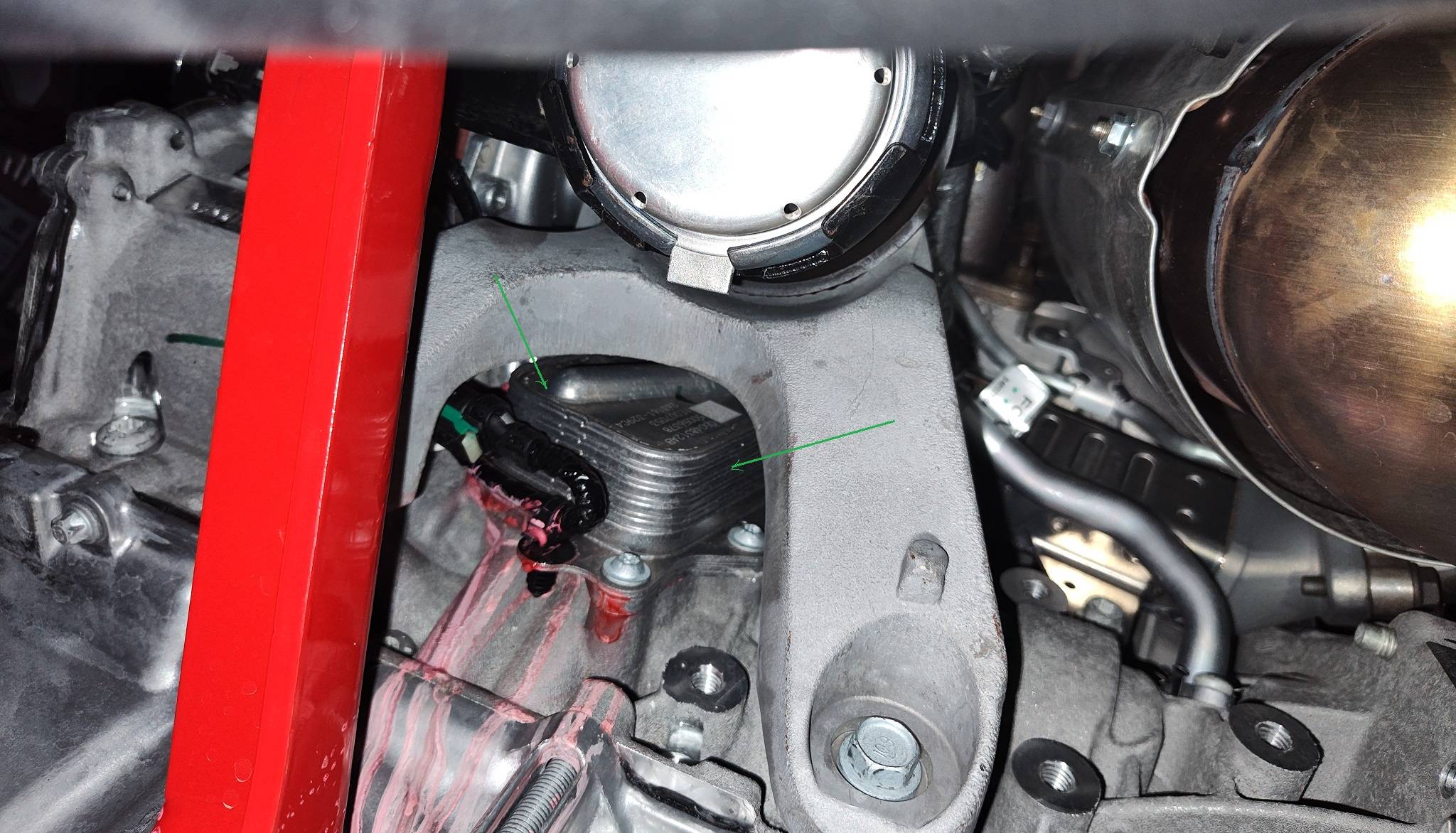
Fixing a Jeep oil cooler leak is not a simple DIY job for most owners. The oil cooler is deep inside the engine bay, often under the intake manifold. Here’s what you need to know:
- Labor costs: Because of the location, repairs can take 3–6 hours of work.
- Parts cost: A replacement oil cooler can cost $100–$300. Some aftermarket kits use aluminum instead of plastic, which lasts longer.
- Total repair cost: Most drivers pay between $400 and $900 at a shop.
If you are a skilled DIYer, you can save money. But be aware: you’ll need special tools and patience. Many beginners miss the need to fully clean the engine after repair. Leftover oil can drip for days, making it look like the leak is still there. This can cause confusion and worry.
Preventing Future Oil Cooler Leaks
While you can’t change Jeep’s design, there are steps to reduce leak risk:
- Regular oil changes: Old, dirty oil breaks down seals faster.
- Check oil level often: A sudden drop may warn you early.
- Use high-quality parts: If you replace the oil cooler, ask for an upgraded aluminum version.
- Inspect during service: Ask your mechanic to check for leaks at every oil change.
Here is a quick comparison of oil cooler materials:
| Material | Durability | Cost |
|---|---|---|
| Plastic | Low | Lower |
| Aluminum | High | Higher |
One thing many Jeep owners miss: after a leak, oil can damage other engine parts or hoses. Always check for soft or swollen rubber hoses when fixing a leak.
When To Seek Professional Help
If you see oil under your Jeep or notice a burning smell, don’t wait. Oil cooler leaks can quickly turn into bigger engine problems. A trusted mechanic can diagnose and repair the issue before it gets worse.
Also, if your Jeep is still under warranty, repairs might be covered. Check with your dealer or see more about recalls and technical bulletins on NHTSA.
Frequently Asked Questions
What Is The Main Cause Of Oil Cooler Leaks In Jeeps?
The main cause is a plastic oil cooler housing that cracks due to heat and age. Gaskets can also fail, letting oil escape.
How Long Does It Take To Fix An Oil Cooler Leak?
Most repairs take 3 to 6 hours at a shop. DIY repairs may take longer, especially for beginners.
Can I Drive My Jeep With An Oil Cooler Leak?
It’s risky. Driving with a leak can cause low oil pressure and severe engine damage. Fix it as soon as possible.
How Do I Know If My Jeep Has An Oil Cooler Recall?
Check your VIN on the NHTSA website or contact your dealer. Some Jeep models have had recalls for oil cooler issues.
Is An Aluminum Oil Cooler Worth The Extra Cost?
Yes. Aluminum oil coolers are much more durable than plastic and may prevent future leaks, saving money over time.
A Jeep oil cooler leak is more than just an inconvenience—it can lead to serious engine trouble if ignored. Stay alert for signs, act quickly, and choose quality parts when repairing. Taking these steps helps you enjoy your Jeep for years to come without costly surprises.