If you own a Jeep JK, you probably love its rugged capabilities. But like any vehicle, it’s not immune to problems.
One issue that many Jeep JK owners face is a radiator leak. This can start as a small drip but quickly lead to overheating, engine damage, and expensive repairs if ignored.
Understanding why radiator leaks happen, how to spot them, and what you can do about it can save you both time and money.
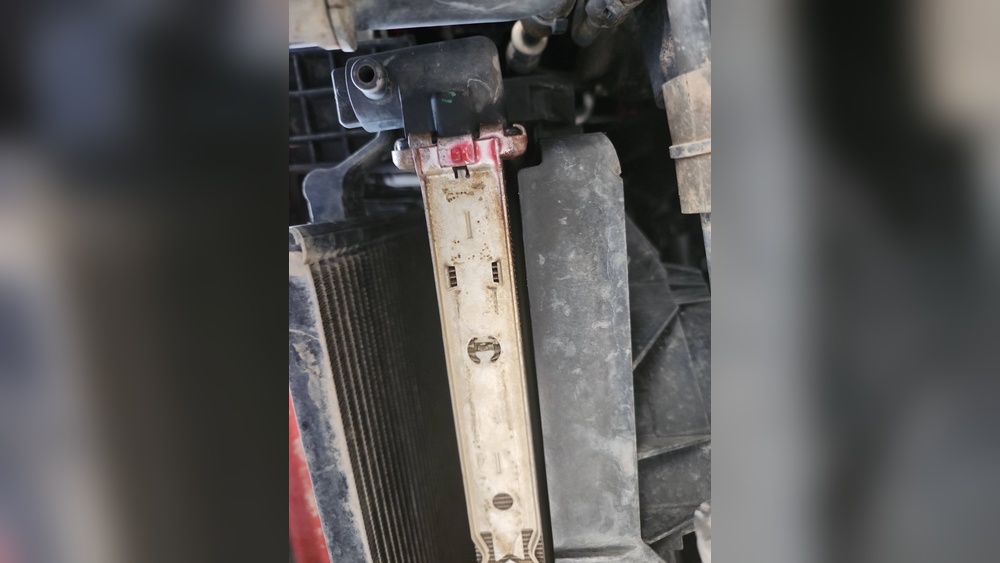
Why Do Jeep Jk Radiator Leaks Happen?
The Jeep JK, produced from 2007 to 2018, has a well-known history of radiator problems. Several factors can cause leaks:
- Plastic End Tanks: Many Jeep JK radiators use plastic end tanks. Over time, these can crack due to heat and pressure.
- Weak Seals: Seals between the radiator core and end tanks may fail, especially after several years.
- Vibration and Off-Roading: Jeeps are built for rough terrain, but constant vibration can loosen connections or create small cracks.
- Coolant Corrosion: Old or wrong coolant can corrode the radiator from the inside, creating pinhole leaks.
A 2018 survey found that about 20% of Jeep JK owners reported radiator leaks within the first 100,000 miles. This is higher than average for similar SUVs.
Signs Of A Radiator Leak
Catching a radiator leak early can prevent bigger problems. Look for these signs:
- Coolant puddles under the Jeep, often green, orange, or pink.
- Sweet smell coming from the engine bay.
- Overheating gauge moving past normal.
- Frequent need to add coolant.
- White smoke or steam under the hood after driving.
If you notice any of these, act quickly. Small leaks can become major failures on a long drive or tough trail.
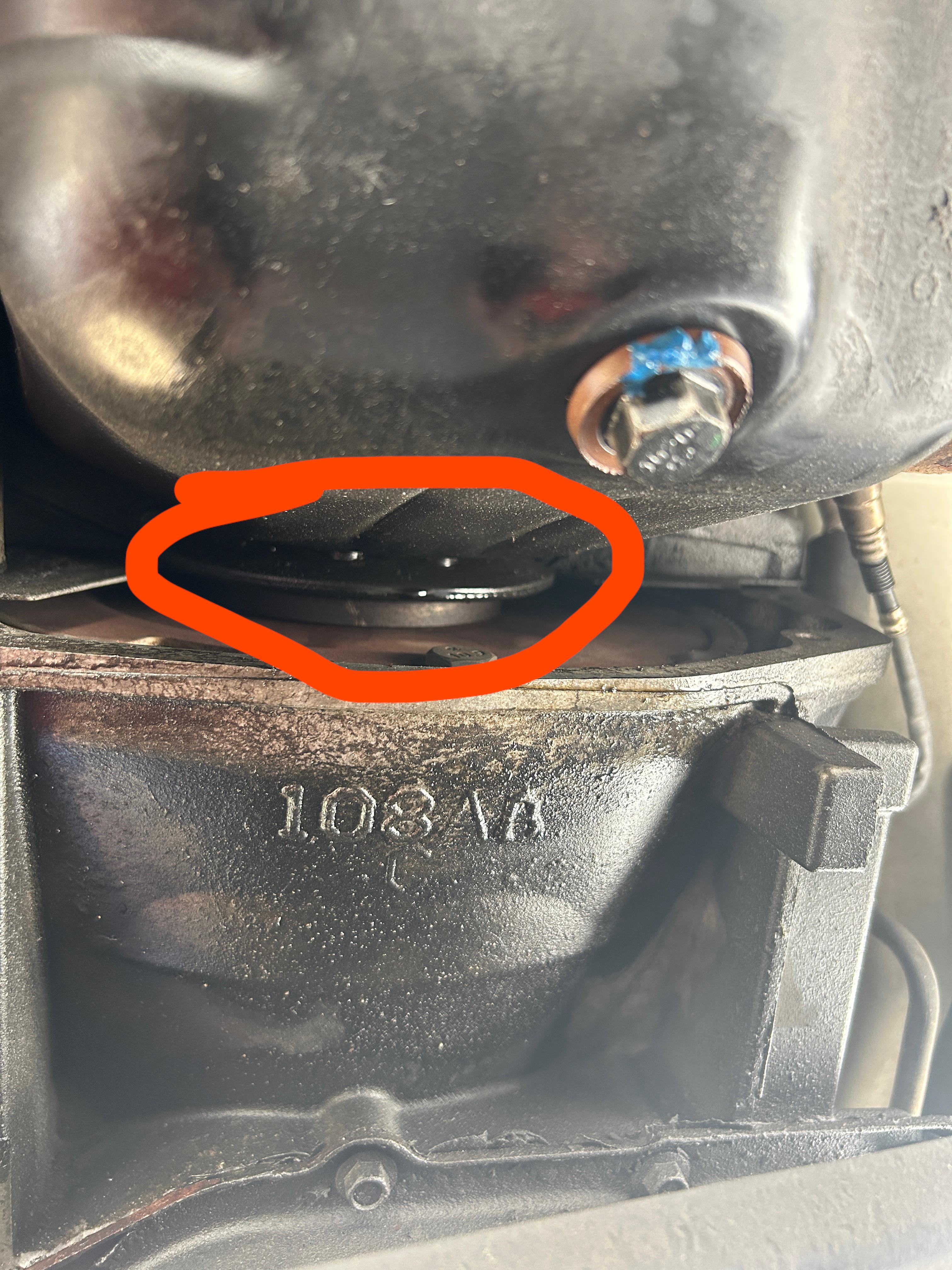
How To Find The Leak
Pinpointing the leak is key. Here’s how you can check:
- Visual Inspection: Open the hood and look for wet spots around the radiator, hoses, and connections.
- Pressure Test: A cooling system pressure tester can help find small leaks by pressurizing the system.
- Check Hoses and Clamps: Sometimes, hoses or clamps—not the radiator—are the problem.
- Look for Cracks: Focus on the plastic end tanks, especially near seams.
- Dye Test: Add UV dye to the coolant and use a black light. Leaks will glow.
Many beginners miss the fact that leaks can travel—coolant may drip far from where the leak actually is. Also, on hot days, leaks can evaporate before you see them. Always check when the engine is cool.
Repair Options For Jeep Jk Radiator Leak
Once you find the leak, you have several options. Your choice depends on the leak’s size, location, and your mechanical skill.
| Repair Method | Cost Estimate | DIY Difficulty | Longevity |
|---|---|---|---|
| Radiator Stop Leak | $10–$20 | Easy | Short-term |
| Plastic Epoxy Repair | $15–$40 | Moderate | Temporary |
| Hose/Clamp Replacement | $10–$50 | Easy | Long-term |
| Radiator Replacement | $250–$800 | Advanced | Permanent |
Radiator stop leak products may help for very small leaks, but they are not a lasting solution. Epoxy repairs can seal cracks in plastic tanks, but these also tend to fail over time. The best fix for most Jeep JK radiator leaks is full radiator replacement.
Choosing A Replacement Radiator
Not all radiators are the same. Here’s a quick comparison to help you decide:
| Type | Material | Cooling Performance | Durability | Price Range |
|---|---|---|---|---|
| OEM | Aluminum/Plastic | Standard | Moderate | $250–$400 |
| All-Aluminum | Aluminum | Improved | High | $300–$600 |
| Performance | Aluminum | Best | Very High | $500–$800 |
All-aluminum radiators are popular for Jeep JKs, especially if you off-road or tow. They handle heat better and are less likely to crack. OEM replacements are cheaper but may develop leaks again after a few years.
A common mistake is choosing the cheapest radiator. Instead, consider your driving style. If you often drive in hot weather or on trails, investing in a high-quality radiator pays off in the long run.
Replacing The Radiator: What To Expect
Radiator replacement can be a DIY job if you have basic tools and patience. Here are the main steps:
- Drain the old coolant into a clean container.
- Remove the fan shroud and disconnect hoses and transmission lines.
- Unbolt and remove the old radiator.
- Install the new radiator, making sure all connections are tight.
- Refill with fresh coolant and bleed the system to remove air.
Expect the job to take 2–4 hours. Always wear gloves and safety glasses. Dispose of old coolant properly—it’s toxic to pets and wildlife.
A practical tip: Replace your radiator cap and thermostat at the same time. These small parts often fail and can cause overheating even with a new radiator.
Preventing Radiator Leaks In The Future
Once you’ve fixed the leak, a little care can help avoid repeat problems:
- Flush coolant every 2–3 years to prevent corrosion.
- Check coolant level monthly.
- Inspect hoses and clamps every oil change.
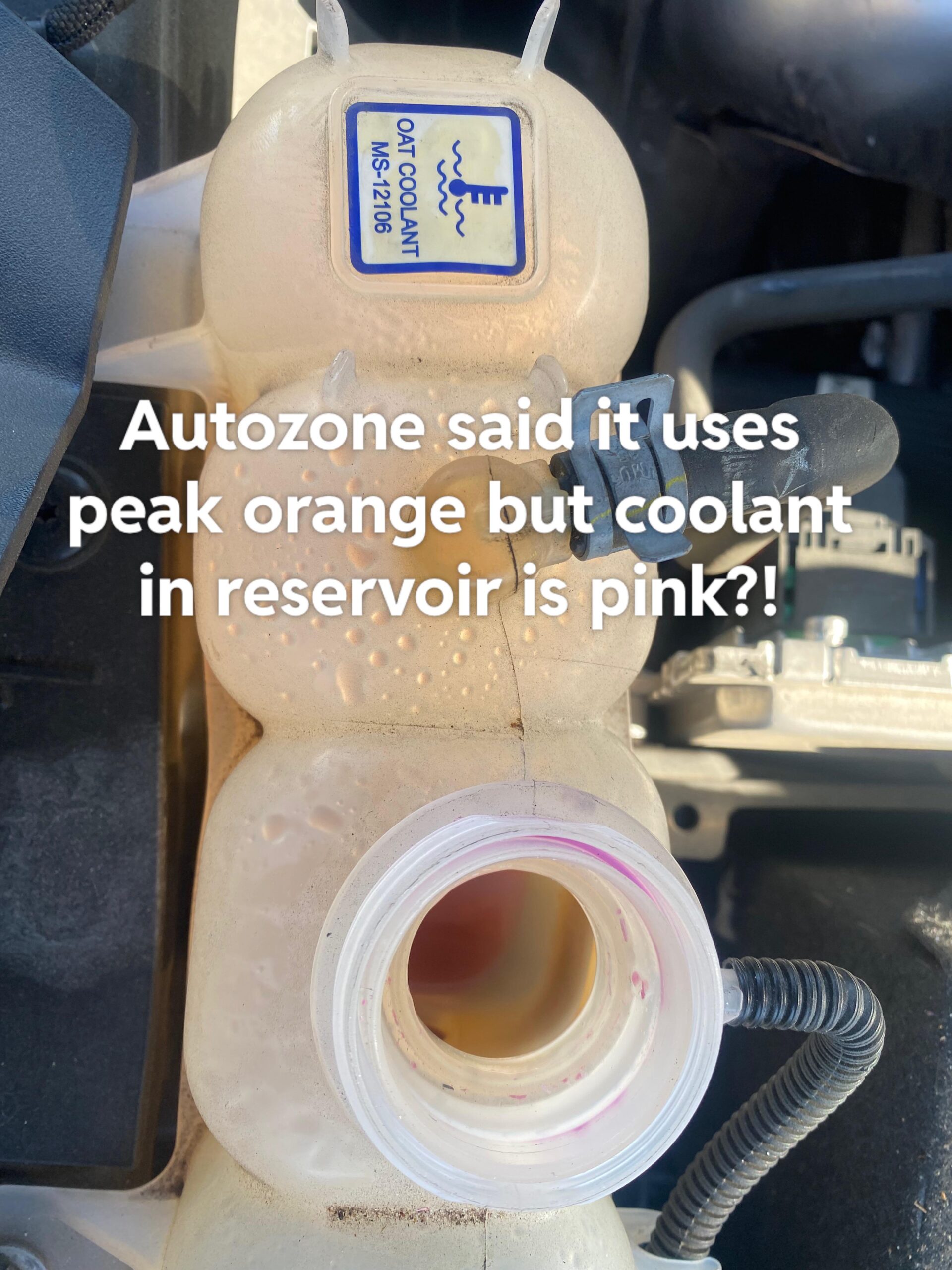
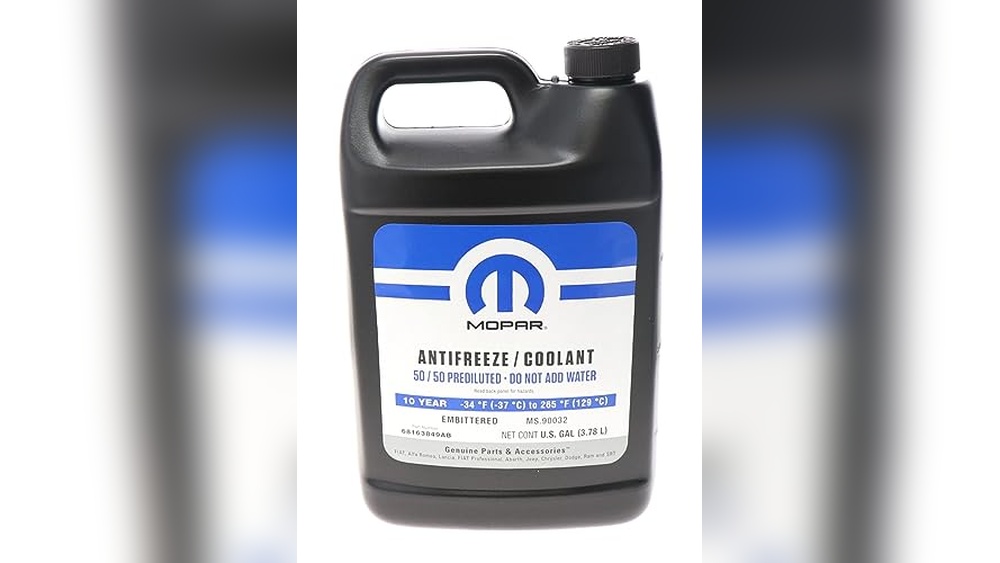
- Use the correct coolant for your Jeep JK—mixing types can cause damage.
- Keep the radiator clean by spraying out dirt and bugs.
Many owners overlook regular coolant flushing. Neglecting this is a leading cause of internal radiator corrosion.
For more guidance on Jeep cooling systems, see this helpful Wikipedia article.
Frequently Asked Questions
How Long Can I Drive With A Radiator Leak?
Driving with a radiator leak is risky. Even a small leak can cause overheating and engine damage quickly. It’s best to repair the leak as soon as possible.
Can I Use Stop Leak Products In My Jeep Jk?
You can use stop leak as a temporary fix for small leaks. However, these products may clog the cooling system and are not a permanent solution.
How Much Does It Cost To Replace A Jeep Jk Radiator?
A typical radiator replacement costs $400–$800, including parts and labor. DIY replacement is cheaper, but be sure you have the right tools.
Are Aftermarket Radiators Better Than Oem?
Many aftermarket radiators, especially all-aluminum models, offer better durability and cooling than OEM plastic/aluminum designs. Choose a reputable brand for best results.
What Coolant Should I Use In My Jeep Jk?
Use the coolant type specified in your owner’s manual. Most Jeep JKs use HOAT (Hybrid Organic Acid Technology) coolant. Mixing types can cause problems.
Taking care of your Jeep JK’s radiator keeps your engine safe, especially during tough drives. Address leaks early, choose quality parts, and your Jeep will stay cool for years to come.