If you’re driving your Jeep and suddenly see a red light on the dash, it’s natural to feel worried. Dash lights are your car’s way of telling you something important.
Not all warning lights mean the same thing, but a red light is almost always a sign that you need to pay attention right away. Ignoring it can lead to bigger problems or even put you in danger.
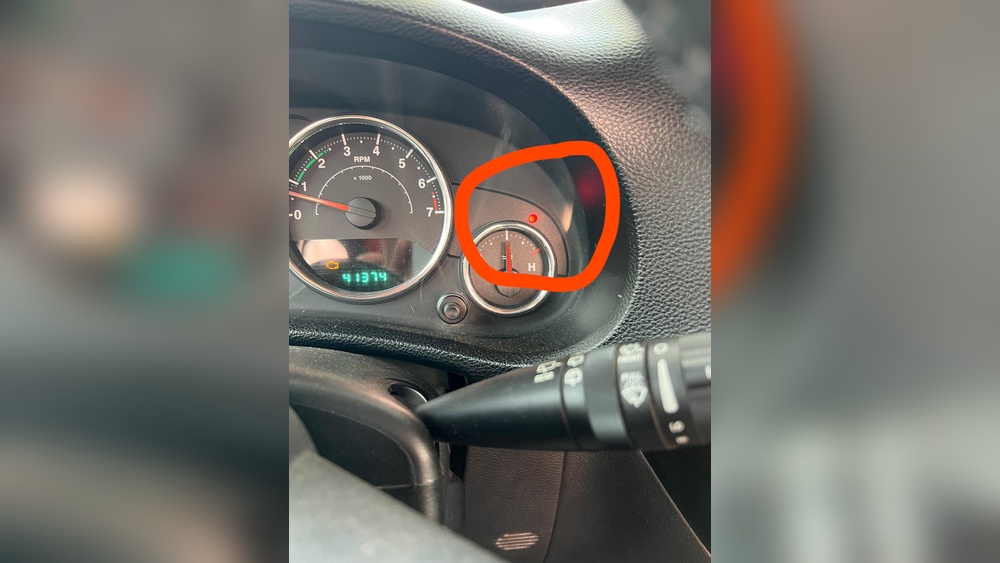
This article explains what a red light on your Jeep’s dashboard can mean, the most common reasons it appears, and what you should do if it comes on while driving.
What Does A Red Light On The Jeep Dashboard Mean?
Most drivers know that dashboard lights come in different colors. Green or blue means normal systems are working, yellow or orange is a warning, but a red dashboard light means urgent action is needed. In a Jeep, red lights usually signal a serious problem with safety, engine, or electrical systems.
Here are some of the most common red warning lights you might see:
Brake warning light
Engine oil pressure light
Battery charge warning light
Seatbelt reminder
Airbag warning light
Coolant temperature warning
Some Jeeps may show other red warnings, but these are the main ones. If you see a red light, stop as soon as it’s safe and check what’s wrong.
Common Red Warning Lights And Their Meanings
Let’s break down what each common red light means and what you should do about it.
Warning Light | Meaning | Immediate Action |
|---|---|---|
Brake Warning | Low brake fluid, worn pads, or brake failure | Stop and check brakes |
Engine Oil Pressure | Engine oil is low or not circulating | Stop engine, check oil |
Battery Charge | Charging system problem | Check alternator and battery |
Seatbelt Reminder | Seatbelt not fastened | Buckle seatbelt |
Airbag Warning | Airbag malfunction | Get checked by mechanic |
Coolant Temperature | Engine overheating | Stop, check coolant |
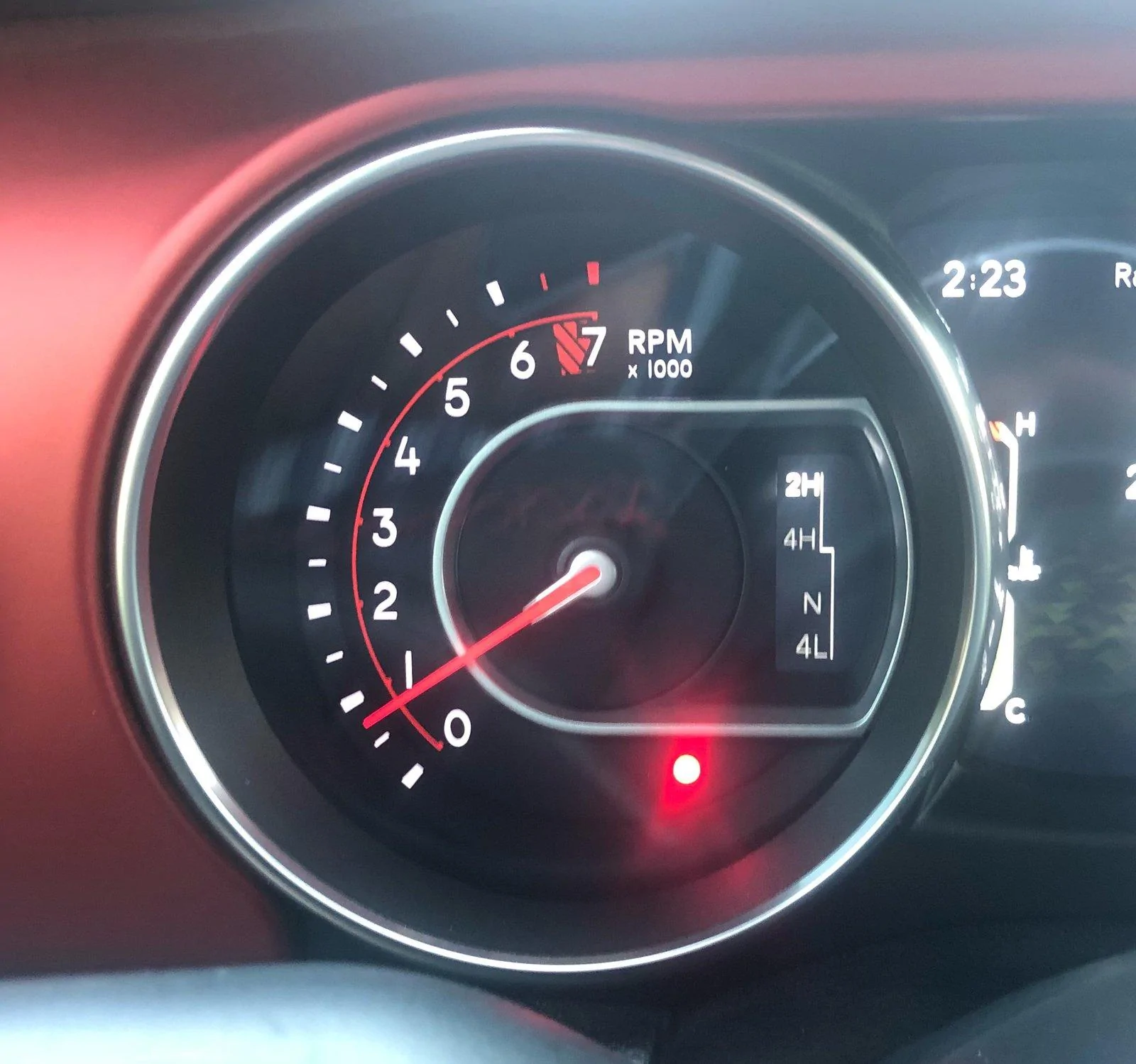
What To Do When A Red Light Appears
Seeing a red light doesn’t always mean you need to panic, but you should act quickly. Here’s what you should do:
Stay calm and look at which warning light is on.
Pull over safely if it relates to the engine, brakes, or overheating.
Check the owner’s manual for your Jeep. It will explain what each light means.
Inspect the area related to the warning. For example, check the oil dipstick if it’s the oil light.
Call for help if you’re unsure, especially if the brake or engine oil light stays on.
Ignoring a red light can cause costly damage. For example, driving with the oil pressure light on can destroy your engine in minutes.
Red Warning Lights: Examples From Real Jeep Drivers
Many Jeep owners have shared their experiences online. Here are a few examples:
A 2018 Jeep Wrangler owner reported the engine oil light turned red. They pulled over, checked the oil, and found it was almost empty. Adding oil fixed the problem.
Another driver saw the brake warning light after driving over rough terrain. The cause was a loose brake fluid cap.
A Jeep Cherokee owner ignored a coolant temperature warning and kept driving. The engine overheated, leading to a $1,200 repair.
These stories show that understanding red lights can save you time and money.
How To Diagnose And Fix Red Lights On Your Jeep
Some red lights need a mechanic, but you can check a few things yourself first.
Basic Checks
Oil Pressure Light: Check the oil level using the dipstick. Add oil if needed.
Coolant Temperature Light: Wait for the engine to cool, then check coolant levels.
Battery Warning Light: Look for loose or corroded battery cables.
When To Get Professional Help
Some problems, like airbag or electrical system issues, aren’t easy to fix at home. If you’re unsure, it’s safer to have a professional look at it. Most mechanics can use a scan tool to read trouble codes from your Jeep’s computer.
Comparison Of Diy Fixes Vs. Professional Repairs
Warning Type | DIY Possible? | Professional Needed? |
|---|---|---|
Oil or Coolant Low | Yes | No (unless leak) |
Airbag Light | No | Yes |
Battery Issue | Yes (battery change) | Maybe (if alternator or wiring) |
Brake Warning | Sometimes (fluid top-up) | Yes (if system fault) |
Preventing Red Warning Lights
Prevention is always better than repair. Here are some tips to help avoid seeing a red light on your Jeep’s dash:
Check fluids (oil, coolant, brake) every month.
Listen for strange noises from the engine or brakes.
Have regular service done by a trusted mechanic.
Replace worn parts before they fail.
Respond to yellow/orange warnings before they turn red.
One insight many beginners miss: even if a red light goes off by itself, the problem could return. Always check the cause, not just the light.
Another tip: extreme weather, like very cold or hot days, can trigger false alarms. If a red light appears and disappears, ask a mechanic to check the system for stored trouble codes.
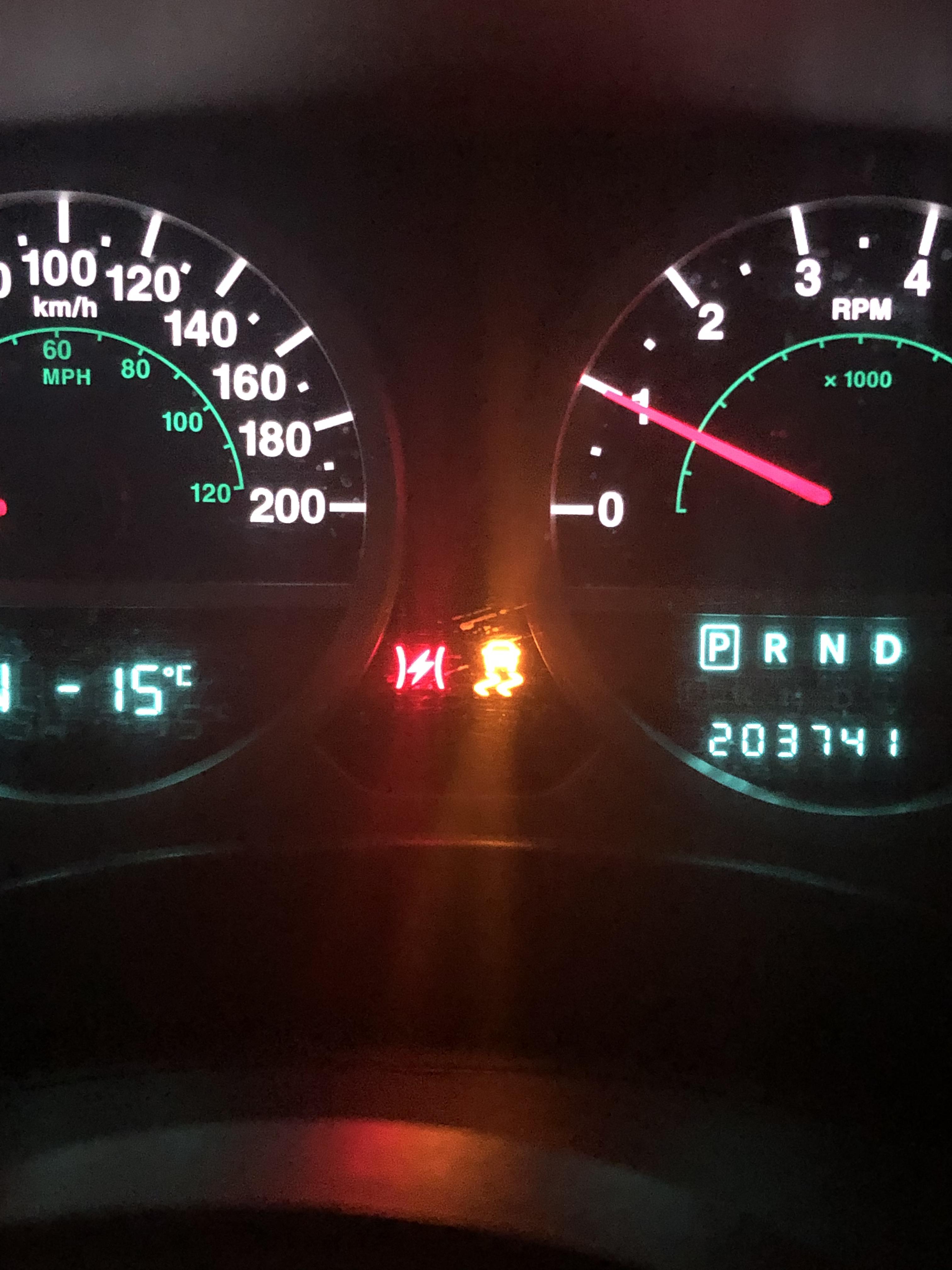
What Is The Most Serious Red Warning Light On A Jeep?
The engine oil pressure and brake warning lights are the most serious. If either comes on, stop driving immediately. Driving with low oil pressure or brake failure can destroy your engine or cause an accident.
Can I Drive My Jeep If A Red Light Appears?
It depends on the warning. For seatbelt or door open lights, you can fix the problem and continue. But for engine, brakes, or overheating, stop as soon as it’s safe.
How Do I Reset A Red Warning Light?
Some lights reset after you fix the problem (like topping up oil). Others need a scan tool or a mechanic to clear them. Check your owner’s manual or ask your mechanic.
Are Red Lights On The Dash Always Accurate?
Most of the time, yes. But sometimes a sensor can fail or give a false alarm, especially after battery changes. If you suspect a false warning, have your Jeep checked with a diagnostic tool.
Where Can I Learn More About Jeep Dashboard Lights?
For a full list of warning lights and their meanings, visit the official Jeep Owner’s Manual website.
If you see a red light on your Jeep’s dash, don’t ignore it. Knowing what it means and how to react can keep you safe and save you money. Take action quickly, and your Jeep will serve you well for many years.