Thinking about buying a Jeep but wondering, “How reliable is Jeep really?” You’re not alone. Jeeps have a legendary reputation for toughness and off-road adventure, but many drivers ask if that rugged image comes with frequent repairs or hidden costs.
You want a vehicle that won’t let you down—whether you’re cruising city streets or tackling rough trails. You’ll discover the truth behind Jeep’s reliability, learn about common issues to watch out for, and find out which models stand out for durability.
Stick with us to get the full picture before making your decision—because your next ride deserves to be both exciting and dependable.
Jeep Brand Reliability
Jeep is a well-known brand with a strong reputation for rugged vehicles. Its cars and SUVs are built for adventure and tough terrains. Many drivers appreciate Jeep’s off-road strength and classic style. Reliability varies across Jeep models and years. Understanding Jeep brand reliability helps buyers make smart choices.
Industry Rankings
Jeep often ranks below average in reliability studies. Consumer Reports and J.D. Power place Jeep in the lower third among mainstream brands. These rankings highlight frequent mechanical issues and higher repair needs. Jeep models typically face more problems than average vehicles. Reliability scores reflect challenges with long-term durability. These ratings help potential buyers assess expected maintenance costs.
Common Mechanical Issues
Jeep vehicles often experience electrical system faults. Suspension problems and engine troubles are frequent complaints. Some models have issues with transmission and fuel systems. Minor rattles and squeaks are common in older Jeeps. Repairs can be costly due to specialized parts. Regular maintenance helps reduce the impact of these issues. Jeep owners should prepare for occasional repairs to maintain performance.
Model-specific Reliability
Jeep’s reliability varies significantly by model. Each model has unique strengths and weaknesses. Understanding these details helps buyers choose wisely. Some models are rugged and durable. Others may need more repairs over time. Let’s explore the reliability of popular Jeep models.
Wrangler Strengths And Weaknesses
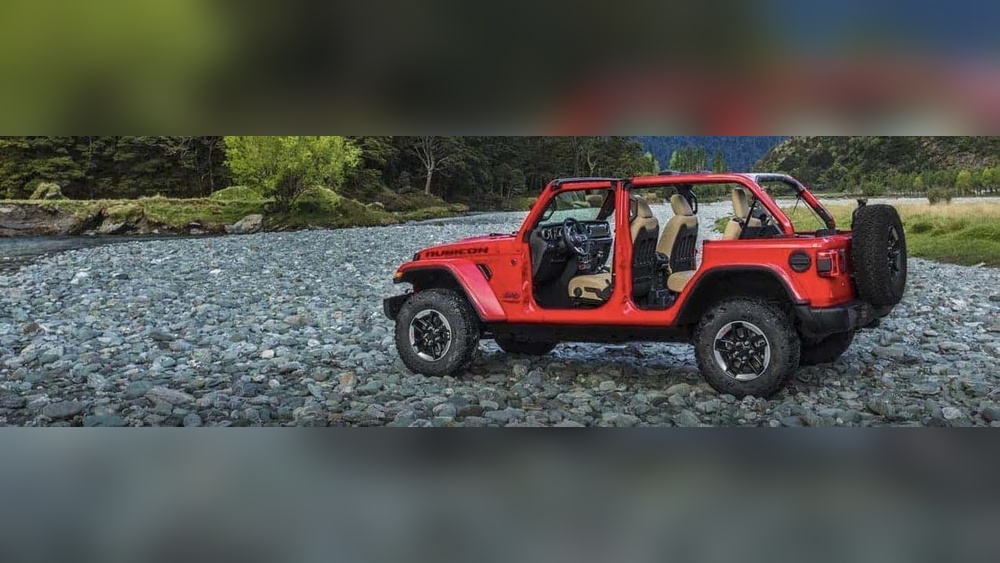
The Jeep Wrangler is famous for off-road ability. It handles tough trails better than most SUVs. Its rugged build stands up well to rough use. Many owners love its classic design and strong frame.
Still, the Wrangler has some issues. Electrical problems are common. Suspension parts often wear out faster than expected. Fuel economy is low, which can be costly. Maintenance can be more frequent than other SUVs.
Grand Cherokee Challenges
The Grand Cherokee offers a comfortable ride and strong engine choices. It feels more like a luxury SUV than a rugged Jeep. Still, it faces some reliability challenges. Engine troubles and transmission failures happen more often.
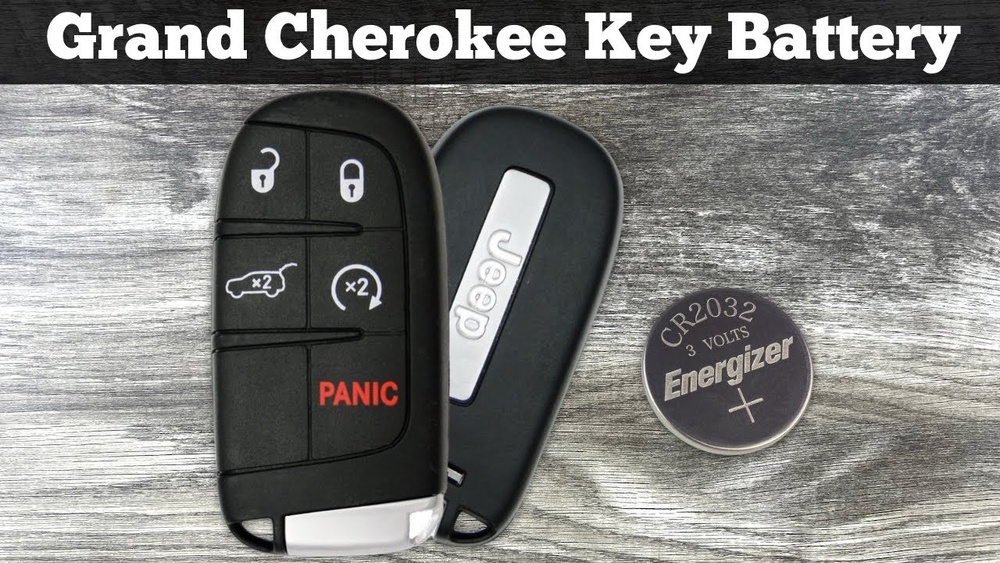
Owners report issues with electronics and sensors. Repair costs can be high for complex problems. Regular maintenance is essential to avoid major repairs. It is less reliable than many competitors in its class.
Cherokee’s Reliability Record
The Jeep Cherokee balances off-road skill with daily driving comfort. It has a solid reputation for durability in moderate use. Some model years perform better than others in reliability tests.
Common problems include transmission glitches and electrical faults. Some owners mention frequent dashboard warning lights. Repair costs tend to be moderate but can add up. Checking specific model year reviews helps pick a better option.
Maintenance And Repair Costs
Maintenance and repair costs affect Jeep’s overall reliability perception. Jeep vehicles often require regular upkeep to handle tough terrains and daily driving challenges. Owners should expect some expenses beyond routine oil changes and tire rotations. Understanding these costs helps in planning your budget and avoiding surprises.
Typical Repair Expenses
Jeep repairs can vary widely by model and usage. Common repairs include suspension work, brake replacements, and electrical fixes. Suspension repairs tend to be frequent due to off-road use. Brake pads and rotors wear out faster on rugged trails. Electrical issues sometimes arise, causing small but annoying problems.
Repair costs for Jeeps are generally higher than average. Parts for models like the Wrangler may cost more because of their specialized design. Labor charges also add to the overall expense since some repairs need expert mechanics. Regular maintenance helps reduce the chance of costly repairs later.
Long-term Ownership Costs
Owning a Jeep long term requires a solid maintenance plan. Over several years, expenses for parts and labor add up. Jeep owners often face higher-than-average costs for repairs and upkeep. This includes replacing worn suspension components and fixing electrical glitches.
Fuel costs can also impact the overall expenses, as many Jeep models have lower fuel efficiency. Tires may wear out quickly if you use your Jeep for off-roading. Budgeting for these costs ensures you keep your Jeep reliable and ready for any adventure.

Reliability Ratings And Data
Reliability ratings and data provide clear insights into Jeep’s performance over time. These ratings help buyers understand how Jeep models fare against competitors. They focus on repair frequency, cost, and owner satisfaction. This section breaks down key reliability sources to offer a balanced view.
Consumer Reports Insights
Consumer Reports ranks Jeep below average in reliability. Common issues include electrical and suspension problems. Some models, like the Wrangler, score higher in off-road durability but still face mechanical challenges. Owners often report frequent repairs and maintenance needs. This affects overall reliability scores and ownership experience.
Repairpal Reliability Index
RepairPal assigns Jeep an average reliability score. The brand’s repair costs tend to be higher than many competitors. Frequent repairs involve the engine, transmission, and electronics. Despite this, Jeep remains popular for its rugged design and strong resale value. RepairPal data shows Jeep owners should expect above-average maintenance expenses.
Common Jeep Problems
Jeep vehicles are popular for their rugged style and off-road power. Yet, they have common issues that affect reliability. Understanding these problems can help owners maintain their Jeep better. Some problems appear more often than others, especially in older models.
Many Jeep owners report issues with the electrical system, suspension, and engine. These problems may lead to costly repairs if not addressed early. Knowing what to expect helps drivers keep their Jeep running smoothly and safely.
Electrical System Issues
Jeep models often face electrical glitches. Problems include faulty wiring, battery drain, and malfunctioning dashboard lights. These electrical faults cause starting difficulties and affect vehicle controls. Sometimes, power windows or locks stop working. Such issues frustrate drivers and require professional diagnosis.
Suspension And Handling Concerns
Suspension problems are common in Jeeps, especially on rough roads. Drivers may notice uneven tire wear, noisy shocks, or a bouncy ride. Poor suspension affects steering and handling, reducing driving comfort. Worn-out suspension parts need replacement to restore performance and safety.
Engine And Powertrain Quirks
Engine issues include rough idling, stalling, or loss of power. Some Jeep engines have oil leaks or overheating problems. Transmission troubles like hard shifting also appear in certain models. These powertrain quirks lower fuel efficiency and may cause breakdowns. Regular maintenance helps avoid serious engine damage.
Why Buyers Choose Jeep
Jeep attracts buyers with more than just its vehicles. The brand represents a lifestyle and a set of values. Buyers often choose Jeep for what it stands for. Adventure, freedom, and ruggedness come to mind. These qualities shape the Jeep experience and draw a loyal following. Each Jeep owner feels part of a community that shares a love for exploration and toughness. The reasons behind Jeep’s popularity go beyond its reliability scores. They reveal what buyers truly value in their vehicles.
Lifestyle And Brand Appeal
Jeep is more than a car brand; it is a symbol. It signals a love for the outdoors and adventure. Many buyers want a vehicle that fits an active lifestyle. Jeep’s image matches that desire perfectly. Its history in military and off-road use adds to its rugged appeal. Drivers feel proud to own a Jeep because it shows they seek freedom. The brand creates a strong emotional bond with buyers.
Off-road Capability
Jeep vehicles are built for tough terrain. Buyers trust them to handle mud, rocks, and steep hills. The off-road skills of models like the Wrangler are well known. This capability is a key reason people pick Jeep. It offers confidence for outdoor trips and challenging conditions. Jeep’s trail-rated vehicles meet high standards for durability. This ruggedness attracts those who want more than just a city car.
Customization And Diy Repairs
Jeep owners enjoy personalizing their vehicles. The brand supports easy customization with many parts available. Buyers can add lifts, tires, and accessories to suit their needs. This flexibility appeals to those who like hands-on vehicle care. Many Jeep owners perform their own repairs and upgrades. It saves money and increases the bond with the vehicle. This DIY culture is a unique part of Jeep ownership.
Best And Worst Jeep Years
Jeep vehicles have a loyal fan base, but reliability can vary widely. Some model years stand out for dependability. Others are known for frequent repairs and issues. Knowing the best and worst Jeep years helps buyers make smart choices. It guides you to find models with fewer problems and better performance over time.
Top Reliable Model Years
Certain Jeep years show strong reliability and owner satisfaction. The 2012 Jeep Grand Cherokee performs well with fewer mechanical problems. The 2015 Jeep Wrangler also ranks high for durability and off-road toughness. The 2018 Jeep Cherokee offers a good balance of comfort and fewer reported issues. These years tend to have better build quality and lower repair costs. They provide peace of mind for daily driving and adventures.
Years To Avoid
Some Jeep model years have more reported problems than others. The 2013 Jeep Grand Cherokee often faces engine and transmission troubles. The 2011 Jeep Wrangler reports suspension and electrical faults. The 2007 Jeep Liberty has frequent issues with the cooling system and brakes. Choosing these years may lead to higher repair bills and more downtime. Avoiding these models helps prevent unexpected maintenance headaches.

Tips For Jeep Owners
Owning a Jeep comes with unique rewards and challenges. Knowing how to care for it ensures better reliability and performance. Simple steps can help you avoid costly repairs and keep your Jeep ready for any adventure.
Understanding your Jeep’s needs helps you enjoy its full potential. Focus on proper maintenance and addressing known issues promptly. These tips help extend your Jeep’s lifespan and improve its dependability.
Maintenance Recommendations
Regular maintenance keeps your Jeep running smoothly. Change the oil every 5,000 miles or as recommended. Check tire pressure and rotate tires often to ensure even wear. Inspect brakes frequently to avoid unexpected failures. Replace air filters every 12,000 miles to improve engine performance.
Use genuine parts for repairs and replacements. Keep an eye on fluid levels, including coolant, transmission, and brake fluids. Clean your Jeep’s undercarriage after off-road trips to prevent rust and damage. Schedule routine check-ups with a trusted mechanic experienced in Jeep models.
Handling Known Issues
Some Jeep models have common problems to watch for. Electrical issues can cause dashboard warning lights or flickering. Address these early by checking battery connections and fuses. Suspension squeaks might appear after rough rides. Lubricate joints and replace worn bushings to fix noise.
Engine overheating can happen if coolant levels drop. Monitor temperature gauges and refill coolant as needed. Rattling noises may come from loose interior or exterior parts. Tighten bolts and inspect mounts regularly. Staying proactive helps avoid bigger repairs and keeps your Jeep reliable.

Frequently Asked Questions
Are Jeeps A Reliable Vehicle?
Jeeps offer strong off-road capability but often rank below average in long-term reliability. They may need frequent maintenance.
What Is The Downside Of A Jeep?
Jeeps often have below-average reliability, with common issues in suspension, electrical systems, and engine parts. Maintenance costs can be high.
What Was The Worst Year For Jeep?
The worst year for Jeep was 2014, marked by frequent engine and electrical problems. Owners reported high repair costs and reliability issues that year.
Does Jeep Still Have Reliability Issues?
Jeep vehicles still experience some reliability issues, including electrical and suspension problems. Maintenance costs tend to be higher than average. Despite this, many buyers value Jeep’s off-road capability and rugged design over minor quirks. Checking Consumer Reports and RepairPal can provide detailed reliability ratings.
Conclusion
Jeep offers strong off-road performance but needs regular upkeep. Some models face electrical and suspension issues often. Repair costs can be higher than average for certain parts. Checking reliability ratings helps make an informed choice. Overall, Jeep suits those who enjoy adventure and don’t mind maintenance.
Keep expectations realistic for long-term ownership and costs. A Jeep can be reliable with proper care and attention.