If you own a Jeep Cherokee, knowing how to put it into 4-wheel drive can make all the difference between getting stuck and conquering tough terrain. Whether you’re driving through mud, snow, or rocky paths, engaging 4-wheel drive gives your Jeep the extra traction and control you need.
But how exactly do you switch your Jeep Cherokee into 4-wheel drive? You might be wondering if it’s as simple as turning a knob, pressing a button, or shifting gears. In this guide, you’ll learn the easy, step-by-step process to activate 4-wheel drive on your Jeep Cherokee.
By the end, you’ll feel confident using your vehicle’s full capability, keeping your ride smooth and safe no matter where the road—or trail—takes you. Keep reading to master this essential skill!
Jeep Cherokee 4wd Basics
The Jeep Cherokee offers a reliable four-wheel drive system. It improves traction on tough roads and slippery surfaces. Understanding how 4WD works helps you drive safer and with confidence.
The 4WD system powers all four wheels at once. It gives better control in mud, snow, or rough terrain. Knowing the basics helps you choose the right mode for your drive.
Types Of 4wd Systems
There are two main types of 4WD in Jeep Cherokees: part-time and full-time. Part-time 4WD lets you switch between two-wheel drive and four-wheel drive. It saves fuel when 4WD is not needed.
Full-time 4WD works all the time. It automatically sends power to the wheels that need it. This system is great for varied road conditions and everyday use.
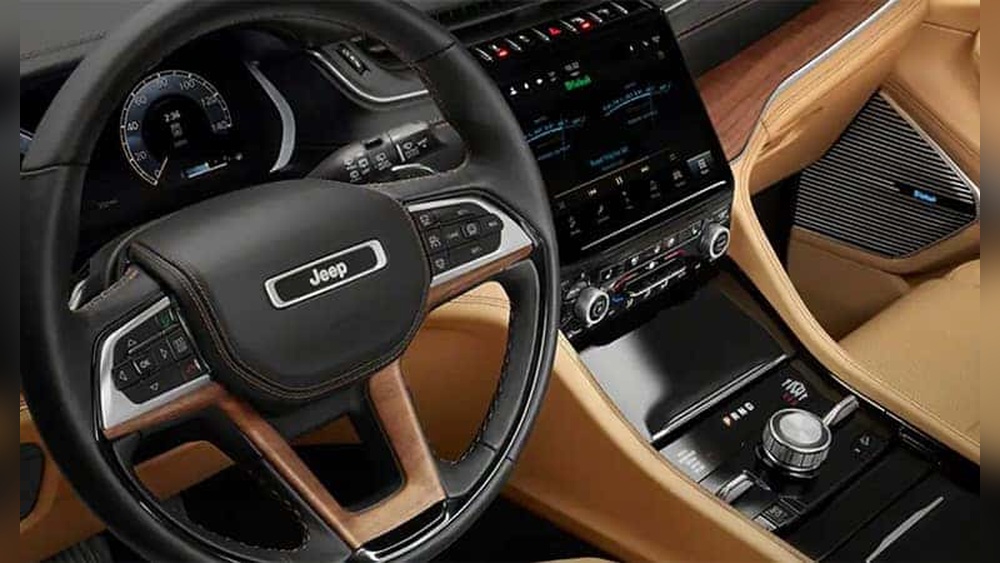
Some Cherokee models include a terrain selection dial. It adjusts the 4WD for snow, mud, or rocks. This feature improves grip and vehicle performance on different surfaces.
When To Use 4wd
Use 4WD on slippery or uneven roads. Snowy, icy, or muddy paths need extra traction. 4WD helps prevent wheel slippage and keeps you moving.
Switch to 2WD on dry, smooth pavement. It reduces wear on the drivetrain and saves gas. Avoid using 4WD on dry roads to prevent damage.
Slow down before engaging 4WD. Sudden shifts may harm the system. Follow your Jeep’s instructions for smooth transitions.
Use 4WD in off-road adventures or tough weather. It gives you better control and confidence behind the wheel.
Locating 4wd Controls
Finding the four-wheel drive (4WD) controls in your Jeep Cherokee is the first step to using this feature. The controls vary by model and year. Most Jeep Cherokees have either a dial selector or a shift lever to switch between 2WD and 4WD modes.
Knowing the exact location of these controls helps you engage 4WD quickly and safely. It also ensures you use the correct method for your vehicle’s setup. Below, learn about the two common types of 4WD controls.
Dial Selector Setup
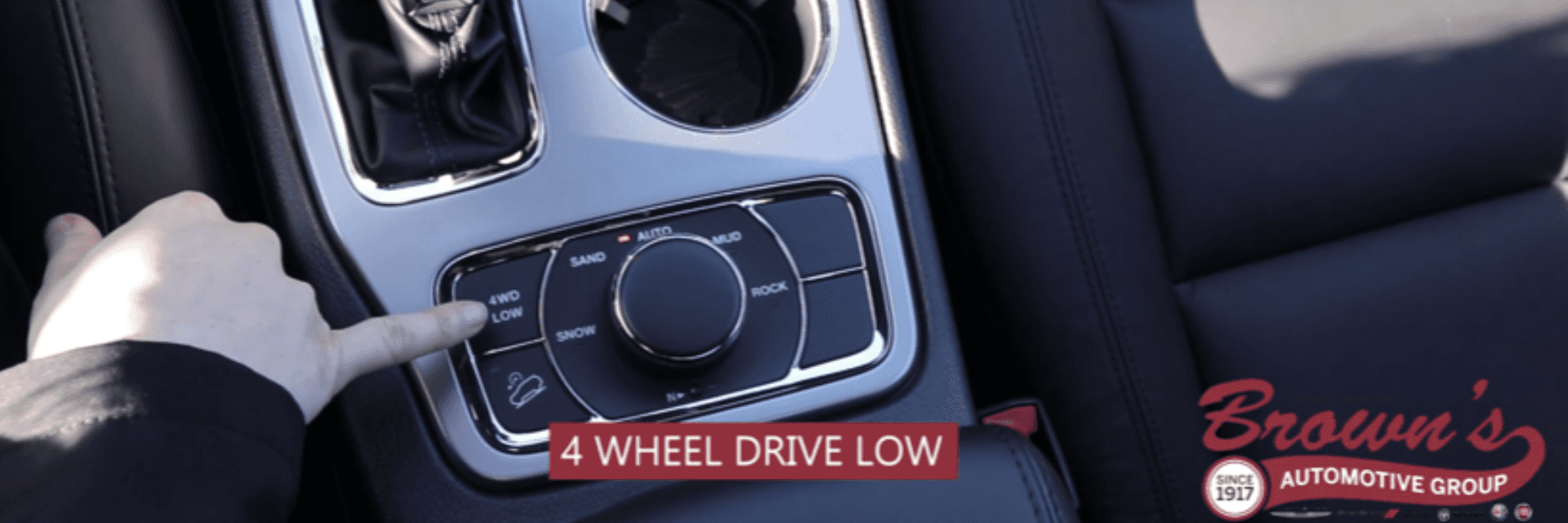
The dial selector is usually placed on the center console near the gear shifter. It is a round knob with labels for different drive modes. Common settings include 2WD, 4WD Auto, 4WD High, and 4WD Low.
To activate 4WD, turn the dial to the desired mode. The system will engage the wheels accordingly. The dial often has a simple, intuitive design for easy use while driving.
Shift Lever Options
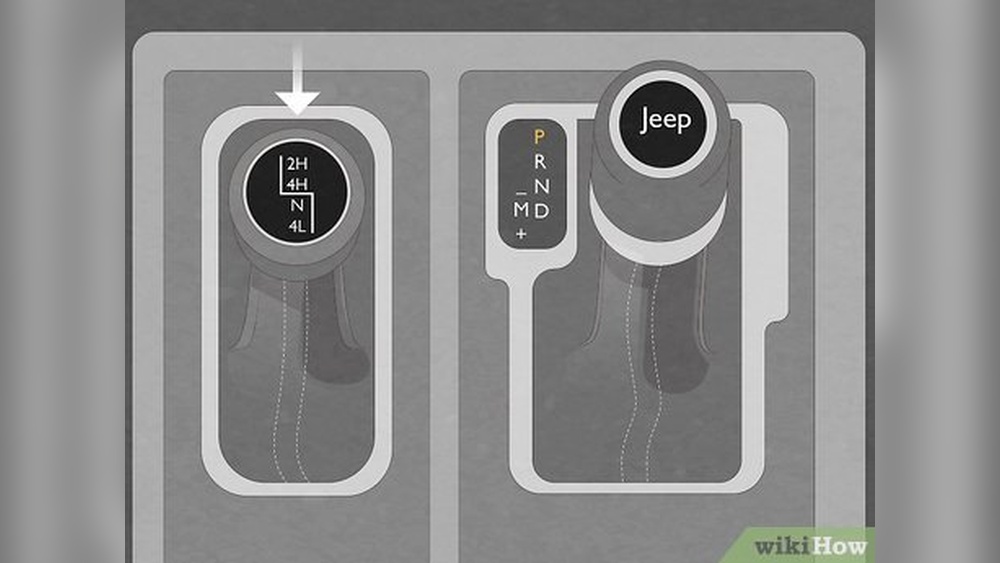
Some Jeep Cherokees use a separate shift lever to control 4WD. This lever is often found close to the main gear shifter. It moves through positions such as 2H (two-wheel drive high), 4H (four-wheel drive high), and 4L (four-wheel drive low).
To switch modes, move the lever firmly into the correct slot. Usually, shifting into 4H or 4L requires the vehicle to be stopped or moving slowly. Check your owner’s manual for exact steps.
Engaging 4wd Step-by-step
Engaging the 4-wheel drive (4WD) on your Jeep Cherokee improves traction and control on rough terrain. This guide walks you through the steps to shift into 4WD smoothly. Follow the instructions carefully to protect your vehicle and enjoy better off-road performance.
Preparing The Vehicle
Start by bringing your Jeep to a complete stop or slow speed. Put the transmission in Neutral (N) if your model requires it. Make sure the tires have good contact with the ground. This helps the system engage properly without causing damage.
Using The Dial To Shift Modes
Many Jeep Cherokees use a dial near the gear shifter for 4WD. Turn the dial to select the desired 4WD mode. Choose from options like 4WD Auto, 4WD High, or 4WD Low depending on driving conditions. The system will engage the mode automatically once you select it.
Manual Lever Operation
Some older or off-road models use a manual lever to switch 4WD modes. Pull the lever gently towards 4WD High or 4WD Low positions. Make sure the vehicle is stopped or moving very slowly for safe shifting. Avoid forcing the lever to prevent damage.
Terrain Mode Selection
The Terrain mode selection on your Jeep Cherokee helps adjust traction for different surfaces. It improves control and safety by adapting the drivetrain settings. Using the terrain dial or button, you pick the mode that best fits the road or off-road conditions.
Each mode changes how power goes to the wheels. This makes driving easier and reduces slipping or getting stuck. Know which mode to use for snow, sand, mud, or rocky terrain to get the best performance.
Snow And Ice Settings
The Snow and Ice mode helps maintain grip on slippery roads. It sends power evenly to all wheels to avoid wheel spin. The system also adjusts throttle response for gentle acceleration. Use this mode on snowy streets or icy patches for safer driving.
This setting reduces sudden power surges. It keeps the Jeep stable and prevents sliding. The brakes also work with the traction control to keep you steady.
Sand And Mud Options
Sand and Mud mode lets the wheels spin more to keep moving. It sends power mostly to the rear wheels but shifts it as needed. The system helps the Jeep not get stuck in soft surfaces. This mode is great for beaches or muddy trails.
The traction control allows some wheel slip to clear sand or mud. The engine power is higher to push through tough spots. This mode keeps your Jeep moving even in loose ground.
Rock And Off-road Modes
Rock and Off-Road modes provide maximum traction on rough terrain. The system sends power to the wheels with the best grip. It controls wheel slip carefully to avoid damage and loss of control. Use this mode on rocky paths or uneven trails.
The suspension may also adjust in some models for better clearance. Slow, steady throttle helps you climb rocks and avoid obstacles. This mode keeps the Jeep stable on the toughest trails.
Troubleshooting 4wd Issues
Troubleshooting 4WD issues in your Jeep Cherokee can save time and prevent further damage. Understanding common problems helps you fix them quickly. This section covers typical activation problems, indicator lights, warnings, and when to get professional help.
Common Activation Problems
Sometimes, the 4WD system does not engage as expected. The shift lever or dial might feel stiff or unresponsive. This can happen if the vehicle is moving too fast or the transmission is not in the right gear. Low fluid levels in the transfer case can also cause activation issues. Dirt and debris can block the system’s components. Regular maintenance and proper use improve 4WD activation.
Indicator Lights And Warnings
Watch the 4WD indicator lights on the dashboard. A blinking light usually means the system is trying to engage. A solid light shows that 4WD is active. Warning lights may signal a fault in the system. Check the owner’s manual to understand each light. Ignoring warning lights can lead to serious problems. Always address dashboard alerts promptly.
When To Seek Professional Help
If 4WD does not engage after several attempts, seek expert help. Strange noises or vibrations during activation require inspection. Warning lights that stay on or flash persistently also need attention. Avoid driving in 4WD if the system is faulty. Professional mechanics have the tools and knowledge to diagnose and fix complex issues safely.

Maintaining Your 4wd System
Keeping your Jeep Cherokee’s 4WD system in top shape ensures it works well when needed. Regular care prevents breakdowns and costly repairs. This section guides you through basic maintenance steps.
Regular Inspections
Check the 4WD system parts often for damage or wear. Look at the driveshaft, axles, and suspension. Make sure all bolts and fasteners are tight. Listen for unusual noises during operation. Early detection of problems saves money and time.
Fluid Checks And Changes
Fluids keep your 4WD system running smoothly. Check transfer case fluid regularly. Look for leaks or dirty fluid. Change the fluid as recommended in your owner’s manual. Fresh fluid prevents overheating and gear damage. Use the correct type of fluid for your model.
Preventive Care Tips
Clean the undercarriage after driving off-road. Remove mud, dirt, and debris from 4WD components. Avoid shifting into 4WD at high speeds. Use 4WD only on slippery or rough surfaces. Store your Jeep in a dry place to prevent rust. Follow these tips to extend the life of your system.
Differences By Cherokee Trim
The Jeep Cherokee offers different 4WD systems depending on the trim. These systems affect how you engage four-wheel drive. Knowing your trim helps you use the controls correctly. This section breaks down those differences.
Each trim may have unique features for 4WD operation. Some trims come with all-wheel drive instead. Others include a terrain selection dial or manual shift levers. Understanding these details ensures safe and effective use.
Awd Vs 4wd Models
Some Cherokee trims come with all-wheel drive (AWD). AWD delivers power automatically to all wheels. It works well on paved roads and light off-road conditions. Drivers do not need to switch modes manually.
Other trims have four-wheel drive (4WD) systems. These allow manual control of power to the front and rear axles. 4WD is best for tougher off-road terrain and low-traction situations. You usually shift into 4WD mode with a lever or dial.
Trim-specific Controls
Lower trims often have simpler controls. They might use a push-button or automatic system to engage AWD. Higher trims include a terrain selection dial. This dial adjusts power distribution based on conditions like snow or mud.
Some trims use a rotary knob near the gear shifter. Turning this knob switches between 2WD, 4WD High, and 4WD Low. Others may use electronic push buttons to change drive modes. Check your owner’s manual for exact steps.

Using 4wd Safely
Using 4WD safely in your Jeep Cherokee is important for your vehicle’s performance and your safety. The four-wheel drive system helps in tough conditions but requires careful handling. Follow simple rules to protect your Jeep and avoid accidents.
Speed Considerations
Drive slower than usual when 4WD is on. High speeds can damage the drivetrain. Keep speed under 45 mph to stay safe. Slow driving improves traction and control. Avoid sharp turns at high speeds to prevent skidding.
Terrain Awareness
Use 4WD on slippery, rough, or loose surfaces. Mud, snow, ice, and gravel are good examples. Avoid using 4WD on dry, smooth roads. It can cause tire wear and strain the system. Watch the road and adjust 4WD mode as needed.
Switching Back To 2wd
Switch to 2WD on dry pavement to save fuel. Stop or slow down before changing modes. Some Jeep models allow shifting on the move, but check your owner’s manual. Make sure the 4WD light turns off to confirm the change.
Frequently Asked Questions
How Do I Turn On My Jeep 4wd?
Shift your Jeep into Neutral, then Drive. Use the 4WD lever or terrain dial to engage four-wheel drive modes.
Do I Put My Jeep In 4h Or 4l For Snow?
Use 4H for driving on snowy roads at normal speeds to improve traction. Choose 4L only for deep snow or slippery, steep terrain requiring maximum torque and control. Always drive slowly and cautiously in 4L to avoid drivetrain damage.
Is A Jeep Cherokee Always In 4wd?
No, a Jeep Cherokee is not always in 4WD. Some models have automatic all-wheel drive, while others offer selectable 4WD modes.
How To Switch Jeep Grand Cherokee To 4×4?
Shift the transmission to Neutral, then back to Drive. Use the terrain dial to select 4×4 mode if available. The system adjusts traction automatically.
Conclusion
Engaging four-wheel drive in your Jeep Cherokee improves traction and control. Follow the steps carefully for a smooth transition. Always check your vehicle’s manual for specific details. Practice using 4WD in safe areas before driving in tough conditions. This simple skill helps keep you safe on slippery or rough roads.
Drive confidently and enjoy your Jeep’s full capabilities.