If you’re thinking about buying a Jeep Cherokee or already own one, you’re probably wondering: how many miles can this SUV really last? Knowing the lifespan of your Jeep Cherokee is key to planning your budget and avoiding unexpected repairs.
The good news is, with the right care, your Jeep can keep running strong for many miles. But what exactly affects how long it lasts? And what should you expect in terms of mileage? Keep reading to get clear, straightforward answers that will help you get the most out of your Jeep Cherokee.
Jeep Cherokee Mileage Expectations
The Jeep Cherokee is known for its rugged design and reliable performance. Many drivers wonder how many miles they can expect from this popular SUV. Understanding mileage expectations helps buyers make smart decisions. It also guides current owners on how to maintain their vehicles for long life.
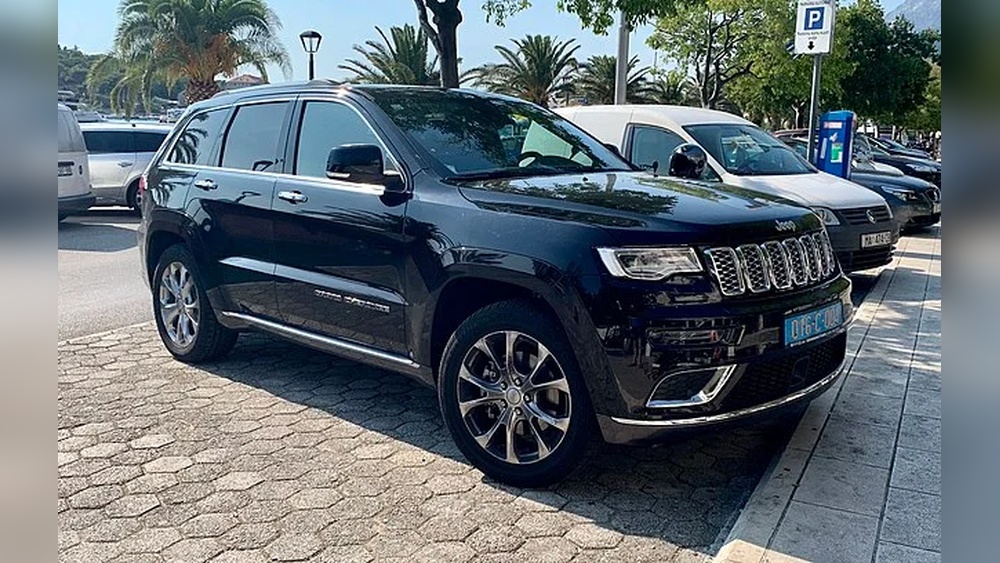
Several factors affect a Jeep Cherokee’s mileage lifespan. These include maintenance habits, driving conditions, and model year. Regular care can extend the vehicle’s life well beyond average numbers. Let’s explore the mileage expectations in detail.
Average Lifespan In Miles
On average, a Jeep Cherokee lasts between 150,000 and 200,000 miles. Proper maintenance is key to reaching these figures. Many owners report driving their Cherokees beyond 200,000 miles with regular servicing. Oil changes, brake checks, and timely repairs keep the engine and parts running smoothly.
High Mileage Thresholds
High mileage for a Jeep Cherokee is usually considered over 200,000 miles. At this point, some components may need replacement or rebuilding. With careful care, some models exceed 250,000 miles. Usage plays a role—highway driving tends to wear parts less than off-road use.
Comparison By Model Year
Older Jeep Cherokee models often have different mileage expectations than newer ones. For example, Cherokees from the 1990s can last up to 200,000 miles if well maintained. Newer models benefit from updated technology and materials, which may improve longevity. Still, the basic maintenance rules apply across all years.

Key Factors Affecting Longevity
Jeep Cherokees have a solid reputation for lasting many miles. Yet, the total distance depends on certain key factors. Understanding these can help owners maximize their vehicle’s life. These factors include maintenance routines, driving habits, and how the vehicle is used.
Routine Maintenance Importance
Regular maintenance keeps a Jeep Cherokee running smoothly. Oil changes, filter replacements, and fluid checks protect the engine. Ignoring these can cause early wear and breakdowns. Scheduled servicing also includes transmission and brake inspections. These small steps prevent costly repairs. They help the vehicle reach higher mileage safely.
Impact Of Driving Habits
Driving style greatly affects Jeep longevity. Gentle acceleration and braking reduce stress on parts. Constant hard stops and fast starts wear brakes and tires quickly. Long highway trips cause less wear than city stop-and-go driving. Avoiding excessive idling and overloading also helps. Smooth driving keeps the engine and transmission healthier for longer.
Effect Of Off-roading And Towing
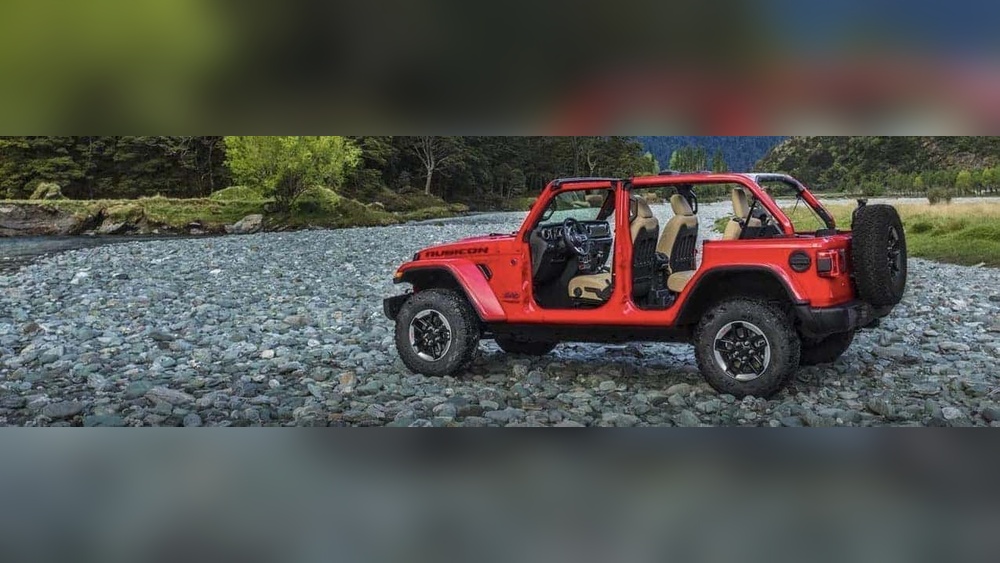
Jeep Cherokees are built for off-road adventures. Still, frequent off-roading strains suspension and drivetrain components. Mud, rocks, and rough terrain increase wear. Towing heavy loads also adds stress to the engine and transmission. Both activities can shorten the vehicle’s lifespan if done often. Owners should inspect and maintain parts after tough trips to keep the Jeep lasting.
Common Mechanical Issues Over Time
Jeep Cherokees are known for their rugged design and off-road capability. Over time, certain mechanical issues tend to appear as the miles add up. Knowing these common problems helps owners maintain their vehicles better. Regular check-ups can catch these issues early and keep the Jeep running longer.
Engine Wear And Tear
The engine is the heart of any Jeep Cherokee. Over many miles, parts like pistons, valves, and gaskets may wear down. Oil leaks and reduced power are common signs of engine wear. Regular oil changes and timely repairs help slow this process. Neglecting engine care can lead to costly damage.
Transmission Problems
Transmission issues often occur after high mileage. Problems may include slipping gears, rough shifts, or delayed engagement. Fluid leaks or low transmission fluid can worsen these issues. Routine transmission fluid changes and inspections improve performance. Ignoring transmission problems can cause total failure.
Suspension And Steering Concerns
The suspension and steering system face constant stress, especially on rough roads. Worn shocks, struts, and bushings cause a bumpy ride and poor handling. Steering components like tie rods and ball joints may also degrade. Regular inspections and timely replacements maintain safe driving. Failing suspension parts reduce control and increase wear on tires.
Maintenance Tips To Extend Life
Maintaining a Jeep Cherokee properly helps it last longer and run better. Simple care routines prevent costly repairs and keep every part working well. Consistent attention to key areas boosts the vehicle’s lifespan and reliability.
Oil Change Schedules
Changing the oil regularly protects the engine from wear. Follow the manufacturer’s recommended intervals, usually every 5,000 to 7,500 miles. Fresh oil lubricates engine parts and removes harmful particles. Neglecting oil changes leads to engine damage and poor performance.
Fluid Flushes And Replacements
Fluids keep the Jeep Cherokee running smoothly and safely. Transmission fluid, brake fluid, and coolant need flushing at set times. Old fluids lose their effectiveness and can cause overheating or brake failure. Check fluid levels often and replace according to the schedule in the owner’s manual.
Tire And Brake Care
Good tires and brakes are essential for safety and vehicle longevity. Rotate tires every 6,000 to 8,000 miles to ensure even wear. Inspect brake pads regularly and replace them before they wear out completely. Proper tire pressure and brake care improve fuel efficiency and handling.
Used Jeep Cherokee Buying Guide
Buying a used Jeep Cherokee can be a smart choice for SUV lovers. These vehicles often offer durability and strong performance. Knowing what to check before buying helps you avoid costly repairs later.
Focus on key areas like mileage, condition, and reliability. This guide will help you make a confident decision. It also highlights which model years to watch out for.
Checking Mileage And Condition
Mileage tells a lot about a vehicle’s life. Lower miles often mean less wear, but condition matters too. Look for signs of rust, leaks, or worn tires. Test the brakes and suspension for smoothness.
Ask for service records. A well-maintained Jeep Cherokee lasts longer. Check the engine for odd noises or smoke. Inspect the interior for damage or heavy wear. These checks reveal how the previous owner cared for the vehicle.
Reliability Ratings And Reviews
Jeep Cherokees have varied reliability scores depending on the year. Some models are praised for their toughness. Others may have common issues like electrical problems or transmission failures.
Read reviews from trusted sources and owner forums. They provide real-world insights. Ratings from sites like Kelley Blue Book can guide you toward more dependable years. Choose a model with good reliability to reduce future headaches.
Model Years To Avoid
Some Jeep Cherokee years show more problems than others. Models from the early 2010s often have transmission troubles. Certain 2014-2016 versions report engine issues and faulty electronics.
Avoid these model years or inspect them very carefully. Consider newer or well-reviewed older models instead. Picking the right year improves your chances of owning a lasting vehicle.

Fuel Efficiency And Mileage
Fuel efficiency and mileage are key concerns for Jeep Cherokee owners. Knowing how far your vehicle can go on a tank helps plan trips better. It also affects your fuel costs over time.
Jeep Cherokees balance power and economy, but mileage varies by model and driving habits. Understanding average miles per gallon and fuel tank range offers a clearer picture. Driving style also plays a big role in real-world fuel efficiency.
Average Miles Per Gallon
Most Jeep Cherokees average between 19 and 26 miles per gallon (MPG). The exact MPG depends on engine type and year. Four-cylinder models typically get better mileage than V6 versions. Newer models often have improved fuel efficiency due to advanced technology.
City driving usually lowers MPG due to stop-and-go traffic. Highway driving tends to increase MPG as the engine runs more steadily.
Fuel Tank Range Estimates
The fuel tank capacity of Jeep Cherokees ranges from 15 to 19 gallons. Combining this with MPG, the driving range is roughly 285 to 494 miles per tank. This range varies by model and driving conditions.
Long trips require planning fuel stops based on your vehicle’s range. Off-road or heavy towing may reduce this range significantly.
Impact Of Driving Style On Mpg
Aggressive driving cuts fuel efficiency. Rapid acceleration and hard braking waste fuel. Smooth and steady driving helps get the best MPG.
Using cruise control on highways can improve mileage. Reducing idle time also saves fuel. Keeping tires properly inflated supports better fuel economy.
Owner Experiences And Insights
Jeep Cherokee owners often share their experiences to help others understand the vehicle’s lifespan. Their insights reveal how far these SUVs can go with proper care. Real stories from real users show the strengths and weaknesses of the Cherokee over time.
These experiences provide practical knowledge beyond factory specs. They include mileage milestones, common issues, and advice to keep the Jeep running longer. Learning from those who drive Cherokees daily gives a clearer picture of what to expect.
Real-world Mileage Reports
Many Jeep Cherokee owners report their vehicles lasting over 200,000 miles. Some even reach 300,000 miles with consistent maintenance. Highway driving tends to produce higher mileage than off-road use. Users often mention that regular oil changes and timely repairs extend engine life.
Older models from the early 2000s frequently hit 150,000 to 200,000 miles. Newer models show similar or better longevity thanks to improved engineering. Several owners share success stories on forums and social media, highlighting durability with proper care.
Common Owner Complaints
Some owners report problems with the transmission after 100,000 miles. Electrical issues and sensor failures are common in high-mileage Cherokees. Suspension parts may wear out faster in vehicles used for off-roading. A few users mention cooling system leaks as the vehicle ages.
These complaints often arise from missed maintenance or harsh driving conditions. Timely repairs and inspections usually prevent major failures. Knowing these issues helps owners prepare and address problems early.
Tips From Jeep Communities
Jeep forums and clubs offer valuable advice to extend Cherokee lifespan. Owners recommend sticking to the maintenance schedule strictly. Using quality oil and parts improves overall reliability. Monitoring fluid levels and replacing worn parts promptly prevents breakdowns.
Many also suggest regular inspections of the drivetrain and suspension. Off-road enthusiasts advise cautious driving to avoid damage. Sharing knowledge in these communities creates a support network for Cherokee drivers.

Frequently Asked Questions
What Is The Average Lifespan Of A Jeep Cherokee?
The average lifespan of a Jeep Cherokee is around 200,000 miles with proper maintenance. Regular servicing and care extend its durability.
What Is Considered High Mileage On A Jeep Cherokee?
High mileage on a Jeep Cherokee typically starts at 150,000 miles. Proper maintenance can extend its lifespan beyond this.
Is 200k Miles A Lot For A Jeep Grand Cherokee?
Yes, 200k miles is high but common for a Jeep Grand Cherokee. Proper maintenance can extend its lifespan beyond this.
Are Jeeps Reliable After 100,000 Miles?
Jeeps can remain reliable after 100,000 miles with proper maintenance and care. Regular servicing prevents major issues. Usage and driving conditions affect longevity too. Many Jeep owners report lasting well beyond this mileage when following recommended maintenance schedules.
Conclusion
Jeep Cherokees can last well over 200,000 miles with proper care. Regular oil changes and timely maintenance keep the engine healthy. Avoiding harsh off-road use helps reduce wear and tear. Driving mostly on highways also extends the vehicle’s lifespan. Remember, each Jeep’s durability depends on how it is treated.
Keeping up with service schedules ensures your Cherokee stays reliable longer. A well-maintained Jeep Cherokee offers great value for many years. Small efforts in care lead to big mileage rewards. Choose wisely and maintain consistently for the best results.