The Jeep Grand Cherokee is known for its comfort and off-road power. But like any vehicle, it can face issues over time.
One common problem is a leaking or damaged oil cooler. This part helps keep your engine oil at a safe temperature.
If it fails, you risk engine damage, overheating, or even a total breakdown. Knowing when and how to replace the oil cooler can save you thousands in repairs.
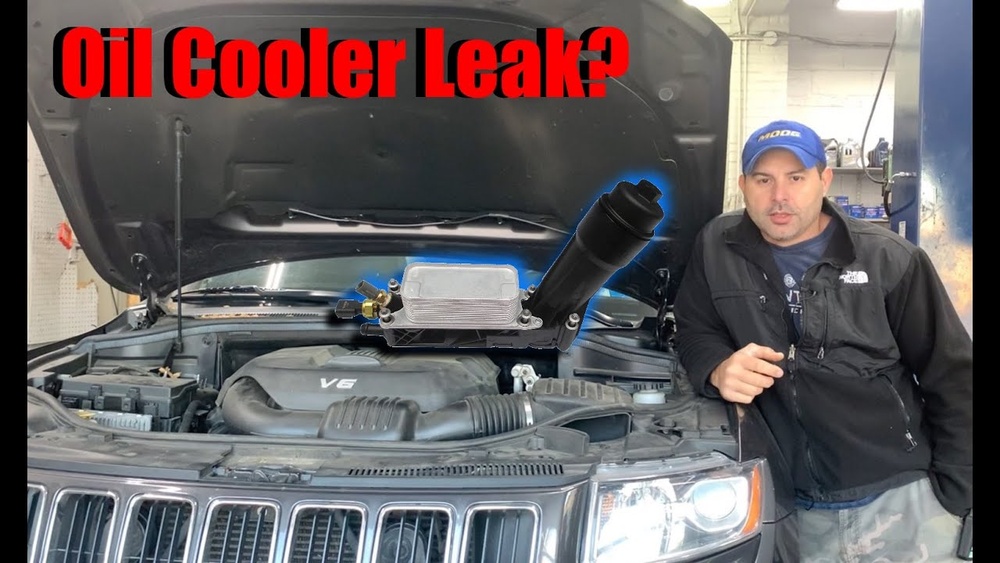
This guide covers symptoms, costs, and step-by-step instructions for a successful oil cooler replacement on a Jeep Grand Cherokee.
What Does The Oil Cooler Do?
The oil cooler is a small radiator that cools the engine oil. It sits between the oil filter and the engine block. As oil passes through, it transfers heat to the air or coolant, depending on the design. Cooler oil protects the engine from wear, overheating, and sludge buildup.
A failed oil cooler can cause:
- High oil temperature
- Oil leaks
- Mixing of oil and coolant
Ignoring these problems can lead to engine failure.
Signs Your Oil Cooler Needs Replacement
Watch for these symptoms in your Jeep Grand Cherokee:
- Visible oil leaks under the vehicle, especially near the oil filter housing.
- Rising oil temperature gauge or warning lights on your dashboard.
- Milky oil (shows water or coolant mixing with oil).
- Engine overheating even when coolant is full.
- Low oil pressure warning.
A leaking oil cooler is a safety risk. If you notice any of these signs, plan for a replacement soon.
Jeep Grand Cherokee Oil Cooler Replacement Cost
The cost to replace the oil cooler depends on your model year, location, and if you use a mechanic or do it yourself.
| Replacement Type | Estimated Cost (USD) |
|---|---|
| DIY (Parts Only) | $120 – $300 |
| Professional Mechanic | $400 – $800 |
Labor is a major part of the cost because the oil cooler is not easy to access on most Grand Cherokee models. Parts are less expensive, but using original equipment (OEM) is wise for reliability.
Tools And Parts Needed
Before starting, gather the following:
- New oil cooler and gaskets (OEM recommended)
- Engine oil (5-7 quarts, based on engine size)
- Oil filter
- Coolant (if oil cooler uses engine coolant)
- Socket set and wrenches
- Torque wrench
- Drain pan
- Shop towels
- Funnel
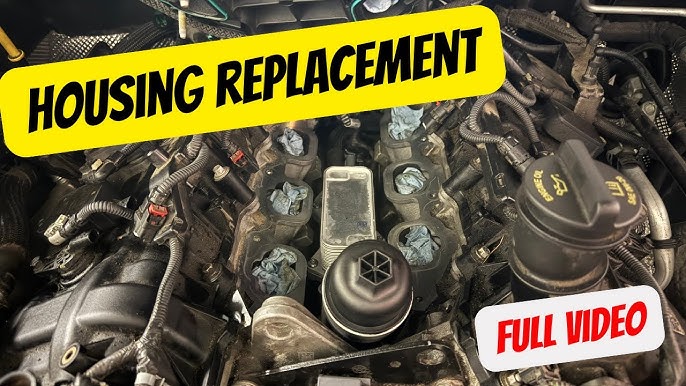
Some Grand Cherokees (especially 2011–2020 models) use a combined oil filter housing/oil cooler assembly, so check your engine type.
Step-by-step: Oil Cooler Replacement
Replacing the oil cooler on a Jeep Grand Cherokee takes about 2–4 hours. Here’s a clear process:
- Park safely. Let the engine cool, disconnect the battery, and raise the vehicle if needed.
- Drain oil and coolant. Place a drain pan under the oil pan and radiator.
- Remove engine cover and air intake to access the oil filter housing.
- Disconnect hoses and sensors from the oil cooler assembly.
- Remove the oil cooler assembly. Take out bolts carefully, noting the order and placement.
- Clean mounting surfaces to remove old gasket material and debris.
- Install new gaskets and oil cooler. Carefully seat the new unit and torque bolts to factory specs.
- Reconnect hoses, sensors, and intake.
- Refill oil and coolant to the correct level.
- Start the engine and check for leaks. Watch oil pressure and temperature gauges.
- Dispose of old oil and coolant following local laws.
Practical Tips
- Take photos as you disassemble parts to help with reassembly.
- Use only factory torque specs for bolts to avoid leaks or damage.
- Replace the oil filter during the job for best results.
- If oil and coolant have mixed, flush both systems to avoid sludge.
Oil Cooler Replacement: Jeep Grand Cherokee Vs. Competitors
How does the Grand Cherokee compare to other popular SUVs in terms of oil cooler issues?
| Model | Common Oil Cooler Issues | Average Repair Cost |
|---|---|---|
| Jeep Grand Cherokee | Leaks, housing cracks | $400 – $800 |
| Ford Explorer | Fewer issues | $300 – $650 |
| Toyota 4Runner | Rare leaks | $250 – $600 |
| Cherokee (not Grand) | Similar to Grand Cherokee | $350 – $750 |
The Grand Cherokee’s oil cooler is more likely to fail than some rivals, especially in models with the Pentastar V6 engine. Early signs and regular checks can prevent bigger problems.
Mistakes To Avoid
Many owners and even some mechanics make errors during oil cooler replacement. Avoid these:
- Skipping the oil and coolant flush: If oil and coolant mix, not flushing can lead to engine sludge.
- Over-tightening bolts: This can crack the aluminum housing.
- Not using OEM parts: Cheap aftermarket coolers often fail early.
- Forgetting to check for leaks after reassembly: Always inspect before driving.
When To Call A Professional
If you are not experienced with engine work, this job may be challenging. The oil cooler is often deep in the engine bay and connected to important sensors. Small mistakes can lead to leaks or engine damage. Paying a trusted mechanic can be worth the cost for peace of mind.
For more detailed technical steps, the official Jeep service manual is a valuable reference.
Frequently Asked Questions
<!– wp:rank-math/faq-block {"questions":[{"id":"faq-question-2aaf33ea4295","title":"How Often Does The Jeep Grand Cherokee Oil Cooler Fail?","content":"Oil cooler failures are more common in 2011–2020 Grand Cherokees with the 3.6L V6. Many owners report leaks between 60,000 and 100,000 miles.
“,”visible”:true},{“id”:”faq-question-9e72e8c77070″,”title”:”Can I Drive With A Bad Oil Cooler?”,”content”:”It is risky. A leaking or failed oil cooler can cause engine overheating, low oil pressure, or even total engine failure. Stop driving and repair as soon as possible.
“,”visible”:true},{“id”:”faq-question-cc5fd462fd55″,”title”:”Do I Need To Replace The Oil Cooler Or Just The Gasket?”,”content”:”If only the gasket is leaking and the cooler is intact, replacing the gasket may fix the issue. However, many Jeep models have the cooler and housing combined, so you may need to replace the whole unit.
“,”visible”:true},{“id”:”faq-question-e6bc63a34109″,”title”:”How Long Does It Take To Replace The Oil Cooler On A Grand Cherokee?”,”content”:”A skilled mechanic can finish in 2–4 hours. DIY replacements may take longer, especially if you are unfamiliar with the engine layout.
“,”visible”:true},{“id”:”faq-question-4684bb6df1e9″,”title”:”Is It Normal For Oil Coolers To Leak On Jeep Grand Cherokees?”,”content”:”Unfortunately, leaks are common on certain Grand Cherokee models, especially with the Pentastar V6. Regular inspections can catch leaks early and prevent engine damage.
Replacing your Jeep Grand Cherokee oil cooler may seem complex, but with careful work and the right parts, you can restore your SUV’s reliability and protect your engine for years to come.
“,”visible”:true}]} –>How Often Does The Jeep Grand Cherokee Oil Cooler Fail?
Oil cooler failures are more common in 2011–2020 Grand Cherokees with the 3.6L V6. Many owners report leaks between 60,000 and 100,000 miles.
Can I Drive With A Bad Oil Cooler?
It is risky. A leaking or failed oil cooler can cause engine overheating, low oil pressure, or even total engine failure. Stop driving and repair as soon as possible.
Do I Need To Replace The Oil Cooler Or Just The Gasket?
If only the gasket is leaking and the cooler is intact, replacing the gasket may fix the issue. However, many Jeep models have the cooler and housing combined, so you may need to replace the whole unit.
How Long Does It Take To Replace The Oil Cooler On A Grand Cherokee?
A skilled mechanic can finish in 2–4 hours. DIY replacements may take longer, especially if you are unfamiliar with the engine layout.
Is It Normal For Oil Coolers To Leak On Jeep Grand Cherokees?
Unfortunately, leaks are common on certain Grand Cherokee models, especially with the Pentastar V6. Regular inspections can catch leaks early and prevent engine damage.
Replacing your Jeep Grand Cherokee oil cooler may seem complex, but with careful work and the right parts, you can restore your SUV’s reliability and protect your engine for years to come.