The Jeep XJ is a classic SUV with a reputation for durability and off-road power. One of the keys to its performance is the front suspension system.
Understanding this system can help owners maintain, upgrade, or troubleshoot their XJ for both daily driving and rugged trails. This article breaks down the Jeep XJ front suspension diagram, explains every main part, and compares different setups.
Whether you’re a beginner or an enthusiast, you’ll learn what really matters and avoid common mistakes.
Jeep Xj Front Suspension: Key Components
A typical Jeep XJ front suspension uses a solid axle and coil spring setup. Each part plays a specific role in handling and comfort.
Main Parts In The Front Suspension
- Axle Assembly: The central part connecting the wheels.
- Coil Springs: Provide ride height and absorb impacts.
- Shock Absorbers: Control bounce and improve stability.
- Control Arms: Upper and lower arms guide axle movement.
- Track Bar: Keeps the axle centered under the vehicle.
- Steering Linkage: Includes tie rods and drag link for steering.
- Sway Bar: Reduces body roll during turns.
- Ball Joints: Allow movement between control arms and axle.
Here’s a simple diagram comparison showing the main parts for stock and lifted setups:
| Component | Stock XJ | Lifted XJ |
|---|---|---|
| Coil Springs | Standard height | Longer, stiffer |
| Shock Absorbers | Factory tuned | Extended travel |
| Control Arms | Short | Long or adjustable |
| Track Bar | Fixed length | Adjustable |
How Each Part Works
Axle Assembly
The Dana 30 axle is most common in the XJ. It handles the weight and force from the wheels. The axle connects to the control arms, which help keep it aligned. Beginners often overlook axle wear—look for leaks or rust to avoid bigger repairs.
Coil Springs And Shock Absorbers
Coil springs support the Jeep’s weight and determine ride height. Shock absorbers dampen movement, keeping the ride smooth. Most XJs use twin-tube shocks. For off-road use, many owners upgrade to monotube or gas-charged shocks for better performance.
Control Arms
The XJ has both upper and lower control arms. These guide the axle’s movement and handle suspension flex. Many aftermarket kits offer adjustable arms, which help correct alignment after lifting the Jeep.
Track Bar
The track bar keeps the axle from moving side to side. If the track bar is loose or worn, steering can feel unstable. Always check for tight bolts and bushings.
Steering Linkage
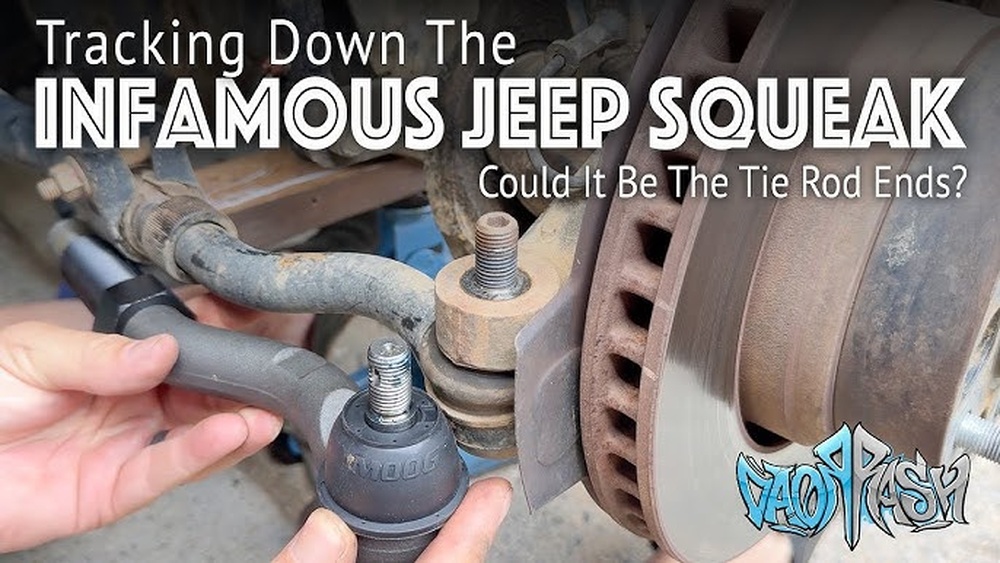
This includes the tie rods and drag link. They connect the steering box to the wheels. Upgrading to heavy-duty linkage is common for off-road builds, as stock parts can bend under stress.
Sway Bar
The sway bar reduces body roll when turning. It connects both sides of the suspension with links. Disconnecting the sway bar is a popular off-road trick for more wheel travel, but remember to reconnect it for safe road driving.
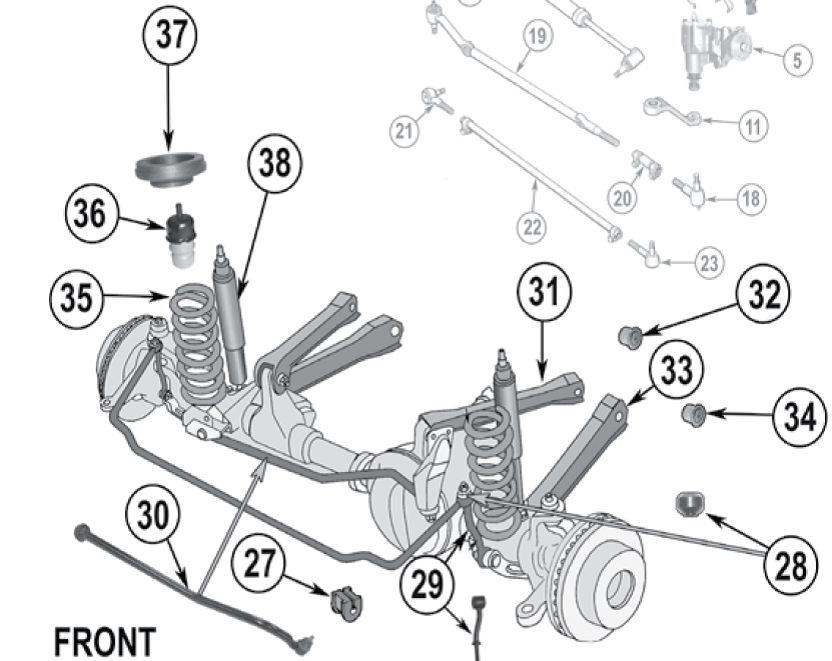
Jeep Xj Front Suspension Diagram: Visual Guide
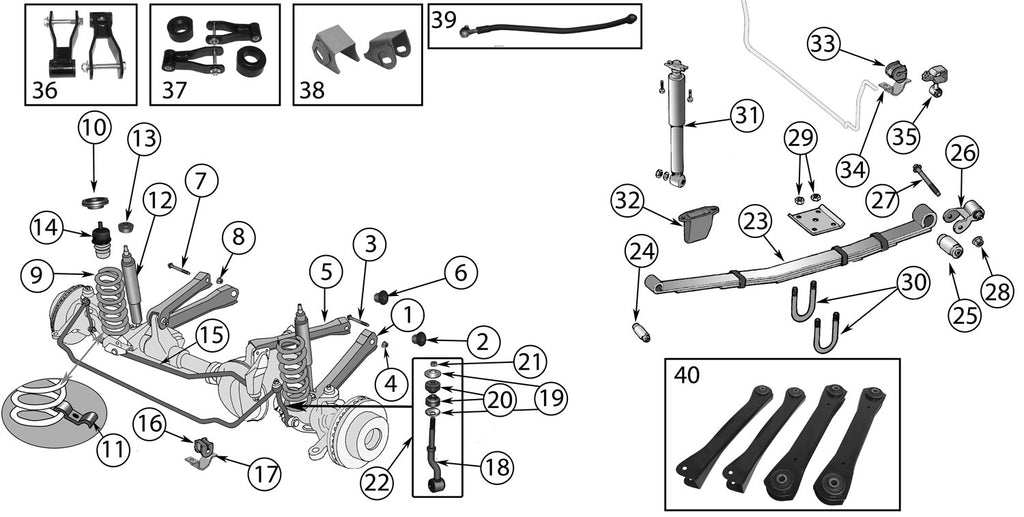
A visual diagram helps connect all the parts. Here’s a basic example showing how the components fit together:
| Position | Component | Function |
|---|---|---|
| Top | Coil Spring | Supports weight |
| Middle | Shock Absorber | Dampens movement |
| Front | Track Bar | Centers axle |
| Sides | Control Arms | Guides axle |
| Lower | Sway Bar | Reduces roll |
| Steering | Steering Linkage | Turns wheels |
Upgrades And Common Issues
Popular Upgrades
Many Jeep XJ owners upgrade the front suspension for off-road strength or better ride quality.
- Lift Kits: Raise the ride height with taller springs and longer shocks. This helps clear bigger tires and obstacles.
- Adjustable Control Arms: Fix alignment problems after lifting.
- Heavy-Duty Track Bar: Reduces steering play.
- Quick Disconnect Sway Bar Links: Allow easy removal for off-roading.
- Upgraded Shocks: Improve ride comfort and handling.
Common Problems
- Loose Track Bar: Causes wandering steering.
- Worn Bushings: Leads to clunking noises and poor handling.
- Bent Control Arms: Usually from hard impacts.
- Leaking Shocks: Makes the ride bouncy and unsafe.
A non-obvious tip: After any suspension work, always check the alignment. Many beginners skip this, leading to uneven tire wear and poor handling.
Choosing The Right Setup: Stock Vs Lifted
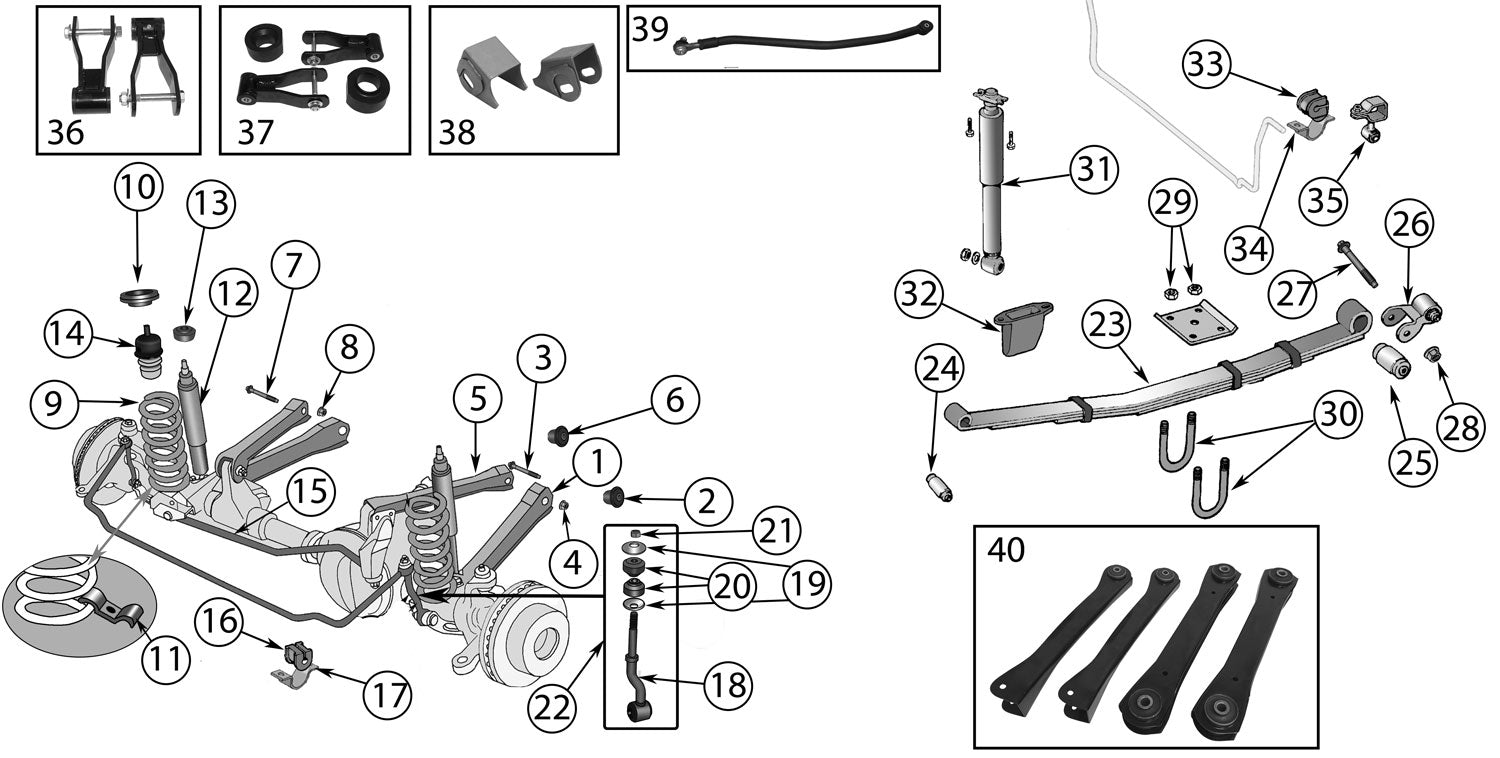
Deciding between a stock or lifted suspension depends on your needs. Here’s a quick comparison:
| Feature | Stock | Lifted |
|---|---|---|
| Ride Height | Standard | Raised |
| Handling | Stable | May feel softer |
| Off-Road | Limited | Better clearance |
| Maintenance | Simple | More frequent |
One mistake beginners make is lifting the Jeep without upgrading control arms or track bar. This can cause poor handling and rapid wear.
Practical Maintenance Tips
- Inspect control arm bushings every 12,000 miles.
- Check track bar bolts after any rough off-roading.
- Replace shock absorbers if you notice leaking or excessive bounce.
- Lubricate steering linkage for smooth turning.
- After lifting, always do a professional alignment.
If you want deep technical details or factory diagrams, check the official Jeep manuals or visit Wikipedia.
Frequently Asked Questions
<!– wp:rank-math/faq-block {"questions":[{"id":"faq-question-8646e3408e8e","title":"What Is The Most Common Front Suspension Type For The Jeep Xj?","content":"The Jeep XJ uses a solid axle with coil springs in the front. This design provides durability and good off-road performance.
“,”visible”:true},{“id”:”faq-question-7848f63978aa”,”title”:”How Do I Know If My Track Bar Is Bad?”,”content”:”Look for loose steering or clunking noises. If your Jeep wanders on the road or you hear knocks, the track bar may need inspection or replacement.
“,”visible”:true},{“id”:”faq-question-06ecaa95b9d0″,”title”:”Is It Necessary To Upgrade Control Arms After Installing A Lift Kit?”,”content”:”Yes, adjustable control arms help correct alignment and prevent rapid tire wear. They also improve handling after lifting your XJ.
“,”visible”:true},{“id”:”faq-question-92e258cebbdb”,”title”:”Can I Drive With The Sway Bar Disconnected?”,”content”:”You can drive off-road with the sway bar disconnected, but for safe on-road driving, always reconnect it. Driving without it on pavement increases roll and can be unsafe.
“,”visible”:true},{“id”:”faq-question-2b91449ab0e9″,”title”:”What’s The Best Way To Improve Ride Comfort In My Jeep Xj?”,”content”:”Upgrade to quality shocks and replace worn bushings. Also, make sure your tires are balanced and suspension parts are properly aligned.
The front suspension is the heart of your Jeep XJ’s ride and handling. With the right knowledge and care, you’ll keep your XJ safe, comfortable, and ready for adventure. If you’re new to working with suspension, start small, check each part carefully, and don’t hesitate to seek expert help.
“,”visible”:true}]} –>What Is The Most Common Front Suspension Type For The Jeep Xj?
The Jeep XJ uses a solid axle with coil springs in the front. This design provides durability and good off-road performance.
How Do I Know If My Track Bar Is Bad?
Look for loose steering or clunking noises. If your Jeep wanders on the road or you hear knocks, the track bar may need inspection or replacement.
Is It Necessary To Upgrade Control Arms After Installing A Lift Kit?
Yes, adjustable control arms help correct alignment and prevent rapid tire wear. They also improve handling after lifting your XJ.
Can I Drive With The Sway Bar Disconnected?
You can drive off-road with the sway bar disconnected, but for safe on-road driving, always reconnect it. Driving without it on pavement increases roll and can be unsafe.
What’s The Best Way To Improve Ride Comfort In My Jeep Xj?
Upgrade to quality shocks and replace worn bushings. Also, make sure your tires are balanced and suspension parts are properly aligned.
The front suspension is the heart of your Jeep XJ’s ride and handling. With the right knowledge and care, you’ll keep your XJ safe, comfortable, and ready for adventure. If you’re new to working with suspension, start small, check each part carefully, and don’t hesitate to seek expert help.