If you own a Djeep lighter, you know how handy it is for everyday use. But what happens when it runs out of fuel?
Instead of tossing it away or buying a new one, you can easily refill your Djeep lighter and keep it going strong. In this guide, you’ll learn simple, step-by-step instructions to refill your lighter safely and correctly. Whether you’re new to refilling or just want to avoid common mistakes, this article will give you the confidence to get it done right.
Keep reading and discover how to bring your Djeep lighter back to life in no time!
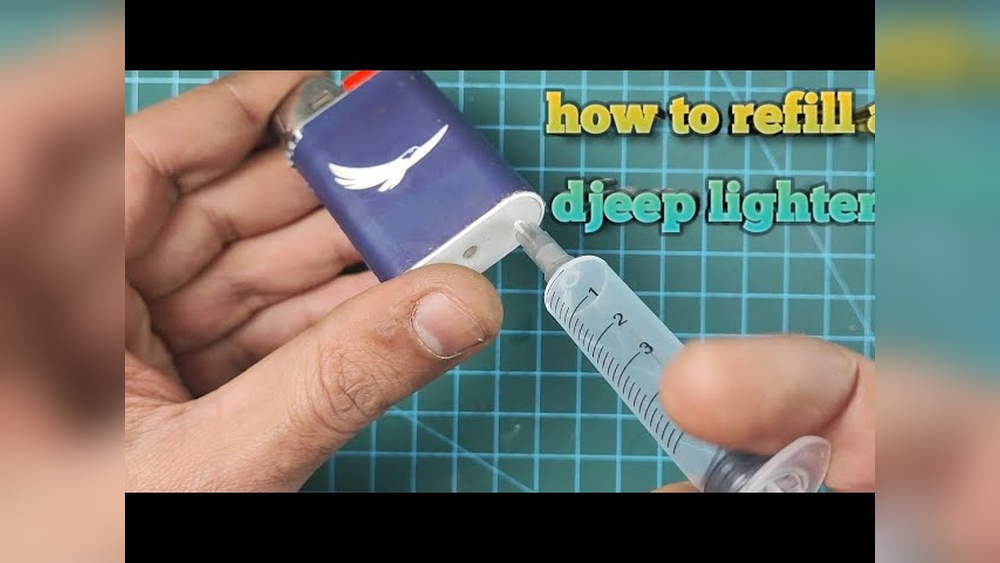
Identify Your Djeep Lighter Model
Knowing your Djeep lighter model helps you refill it properly. Different models have different refill methods. Identifying your lighter saves time and prevents damage. Follow simple steps to recognize your lighter type quickly.
Start by checking the bottom of the lighter. Look for specific features that show if it is refillable or not. This helps to avoid mistakes during refilling.
Check For Refillable Valve
Most refillable Djeep lighters have a small metal valve at the bottom. This valve is where you insert the butane gas nozzle. It looks like a tiny round hole or slot. If you find this valve, your lighter can be refilled with butane.
Use a flashlight to see clearly under the lighter. Some valves are hidden or small. If there is no valve, the lighter is likely not refillable.
Distinguish Disposable Vs Refillable Types
Disposable Djeep lighters are sealed and have no refill valve. They are designed for one-time use and then thrown away. These lighters often have a plastic body without metal parts at the bottom.
Refillable Djeep lighters usually have a metal base and a valve. The Djeep Turbo model is a common refillable type. It uses butane gas and can be refilled many times. Knowing the difference helps you decide if refilling is possible.

Gather Necessary Tools And Materials
Gathering the right tools and materials is the first step to refill your Djeep lighter properly. Using correct items ensures safety and smooth refilling. Avoid using incorrect gas or tools that can damage the lighter.
This section covers selecting suitable butane gas and preparing refill tools. Both are essential for a successful refill process.
Select Suitable Butane Gas
Choose high-quality butane gas made for refillable lighters. Avoid cheap or low-grade gas to prevent clogging and poor flame.
Look for refined butane that is clean and free from impurities. This type burns cleaner and helps your lighter last longer.
Use gas with a small nozzle that fits the Djeep lighter’s refill valve. This ensures a tight seal and prevents leaks during refilling.
Prepare Refill Tools
Gather a small screwdriver or pin to release air from the lighter’s tank. This step prevents pressure buildup inside.
Have a clean cloth ready to wipe any spills or excess gas. This keeps the lighter and your hands safe during refilling.
Ensure you work in a well-ventilated area away from open flames or sparks. Safety is key when handling butane gas.
Prepare The Lighter For Refilling
Preparing your Djeep lighter for refilling is an essential step for a smooth process. It ensures that the lighter fills properly with butane gas and works efficiently. Taking time to prepare avoids leaks and sputters after refilling. Follow these simple steps before adding gas.
Purge Remaining Air
Use a small tool like a pen or push pin to press the refill valve. This valve is located at the bottom of the lighter. Pressing it releases trapped air and old gas. Purging air prevents pressure build-up inside the lighter. It also helps the new butane fill the tank fully. Do this gently to avoid damage.
Position The Lighter Properly
Hold the lighter upside down during refilling. This position allows liquid butane to flow into the tank. Keep the lighter steady and vertical. Avoid tilting it sideways or upright. Proper positioning reduces air pockets in the tank. It also stops fuel from leaking out. Make sure the refill valve aligns with the butane can nozzle.
Refill The Lighter Step-by-step
Refilling your Djeep lighter keeps it ready for use and saves money. Follow these steps carefully to refill it safely. The process is simple and quick once you know how.
Handle the lighter and butane canister gently. Avoid rushing to prevent damage or leaks. Here is the detailed guide to refill your Djeep lighter step-by-step.
Locate The Refill Port
Turn your lighter upside down. Look for a small metal valve at the bottom. This is the refill port. Some Djeep models do not have this port and cannot be refilled.
Make sure the lighter is empty before refilling. Press the valve gently with a small tool to release trapped air. This prepares the tank for new butane gas.
Insert Butane Canister Correctly
Hold the lighter firmly in one hand. Take the butane canister and place its nozzle on the refill port. Keep the lighter and canister vertical for best results.
Push the canister nozzle into the port. Press down slowly to release gas. You will feel the gas entering the lighter’s tank. Keep the pressure steady and controlled.
Control Gas Flow To Avoid Overfilling
Refill for about 5 to 10 seconds only. Overfilling causes gas to leak and the lighter to sputter. Stop pressing the canister once you feel resistance.
Wait a few minutes before lighting. This lets excess gas evaporate and stabilizes the pressure inside. Your lighter is now ready to use safely.
Check For Proper Fuel Level
Checking the proper fuel level is a key step in refilling your Djeep lighter. Too little fuel may cause weak flame or no ignition. Too much fuel can lead to leaks and sputtering. It is important to fill the lighter just right for safe and efficient use.
This step ensures your lighter works smoothly and lasts longer. Let’s explore how to identify the signs of a full tank. Also, learn how to avoid common overfill issues that can damage your lighter.
Identify Signs Of Full Tank
Look closely at the lighter’s fuel window if it has one. The liquid butane should reach near the top but not overflow. If the lighter feels heavy, it may be full. A full tank often shows no air bubbles inside the fuel chamber. After filling, wait a few minutes to let the fuel settle. This helps avoid misjudging the fuel level.
Remember, a lighter filled correctly will ignite easily and have a steady flame. If the flame is weak or sputters, the fuel level might be low or uneven.
Avoid Common Overfill Issues
Do not rush the refilling process. Overfilling causes pressure build-up inside the lighter. This can make the lighter leak fuel or spit flames unexpectedly. Avoid filling the tank until fuel spills out of the valve. Stop filling once you notice resistance or fuel near the valve opening.
Use a quality butane refill canister with a proper nozzle. This helps control the fuel flow and prevents spills. After refilling, allow the lighter to rest for a minute before lighting. This lets excess gas evaporate safely.

Test And Adjust The Flame
Testing and adjusting the flame is a crucial step after refilling your Djeep lighter. This ensures the lighter works properly and safely. A well-adjusted flame burns steadily and lasts longer.
Check the flame size and strength right after refilling. Avoid a flame that is too high or too low. Both can cause problems while using the lighter.
Ignite The Lighter Safely
Hold the lighter away from your face and clothes. Press the ignition button to light the flame. Watch the flame closely as it appears. A proper flame should be steady and blue at the base.
If the flame flickers or sputters, do not use it yet. Allow the lighter to rest for a moment. This helps the butane gas settle inside the tank.
Adjust Flame Height If Needed
Locate the flame adjuster, usually a small screw or lever near the refill valve. Turn it slowly to increase or decrease the flame height. Use a small tool or your fingernail for this.
Set the flame to a medium height for safe and efficient use. Avoid making the flame too large, which can be dangerous. Also, a very small flame may not ignite properly.
Test the flame again after adjustment. Repeat the process until the flame burns steadily and at a safe size.
Troubleshoot Common Problems
Troubleshooting common problems helps keep your Djeep lighter working well. Simple fixes can solve most issues quickly. Understanding typical problems saves time and frustration. Follow easy steps to address common faults. Maintain your lighter’s performance and enjoy reliable use every time.
Fix Sputtering Or Spitting Flames
Sputtering flames often mean the lighter has air trapped inside. Press the refill valve gently to release extra air. Use a small tool like a pin for this. After purging air, refill the lighter slowly with butane gas. Avoid overfilling, as this causes spitting flames too.
Check the flame height after refilling. Adjust the flame control wheel if needed. Keep the flame steady and smooth by cleaning the nozzle. Dirt or debris can block the flame flow and cause sputtering.
Handle Refill Valve Issues
The refill valve at the lighter’s bottom can get clogged or stuck. Clean it with a soft cloth or compressed air. Avoid using sharp objects that might damage the valve. If the valve is damaged, replacement may be necessary.
Ensure the refill valve is fully closed after refilling. A loose valve can leak gas and stop the lighter from working. Check for leaks by listening for hissing sounds or smelling gas. Tighten or replace parts as needed to fix leaks.
Maintain Your Djeep Lighter
Maintaining your Djeep lighter helps it work better and last longer. Simple care keeps the flame strong and reliable. A clean lighter lights up every time. Regular upkeep avoids common problems like clogging or weak sparks.
Regular Cleaning Tips
Start by wiping the lighter’s surface with a soft cloth. Remove dust and dirt from the ignition area. Use a small brush to clear out debris near the flame. Avoid using water or harsh chemicals that can damage parts. Clean the air holes gently to keep the flame steady. Let the lighter dry completely before refilling.
Replace Flint And Other Parts
Check the flint regularly to ensure a strong spark. If the spark is weak or missing, replace the flint. Unscrew the lighter’s bottom to access the flint tube. Remove the old flint and insert a new one carefully. Some Djeep models also allow replacing the spring and wheel if worn out. Using original parts keeps your lighter working smoothly.

Frequently Asked Questions
Can You Refill A Djeep Torch Lighter?
Yes, you can refill a DJEEP torch lighter if it has a refill valve at the bottom. Use butane gas and release air first.
Do Djeep Lighters Use Butane?
Yes, DJeep Turbo lighters use butane gas. They have a refill port located at the bottom for easy refilling. Standard DJeep soft-flame models are usually disposable and do not use butane. Always check your lighter model before refilling.
How Do I Fill Up A Refillable Lighter?
To fill a refillable lighter, locate the refill valve at the bottom. Release air by pressing the valve with a small tool. Insert the butane can nozzle into the valve and press firmly. Fill until you see butane overflow. Avoid overfilling to prevent sputtering.
Let it rest before use.
How Long Does A Djeep Lighter Last?
A DJEEP lighter lasts several weeks with regular use. Refillable models extend lifespan by allowing butane refills. Disposable ones last until fuel runs out. Proper refilling and maintenance maximize longevity.
Conclusion
Refilling a Djeep lighter is simple and saves money. Always check your lighter’s model first. Use the correct butane fuel and refill carefully. Avoid overfilling to keep it working well. With patience and the right steps, your lighter will shine again.
Keep practicing, and the process will feel natural. Enjoy a reliable flame whenever you need it.