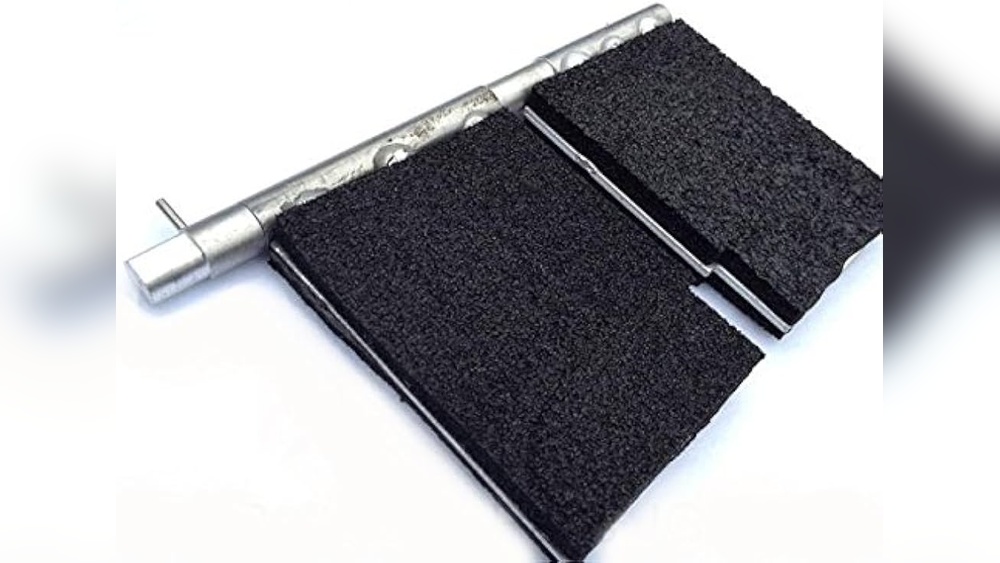
When your Jeep Grand Cherokee starts to leak transmission fluid or shift poorly, the problem often lies in the transmission cooler lines. These lines carry hot transmission fluid to the cooler and back, helping to keep your transmission at a safe temperature.
Replacing these lines is not always simple, and many owners want to know: how long does it take to replace them, and what should you expect during the process? This article explains the labor time, what affects it, and what you need to know before scheduling a repair.
What Are Transmission Cooler Lines?
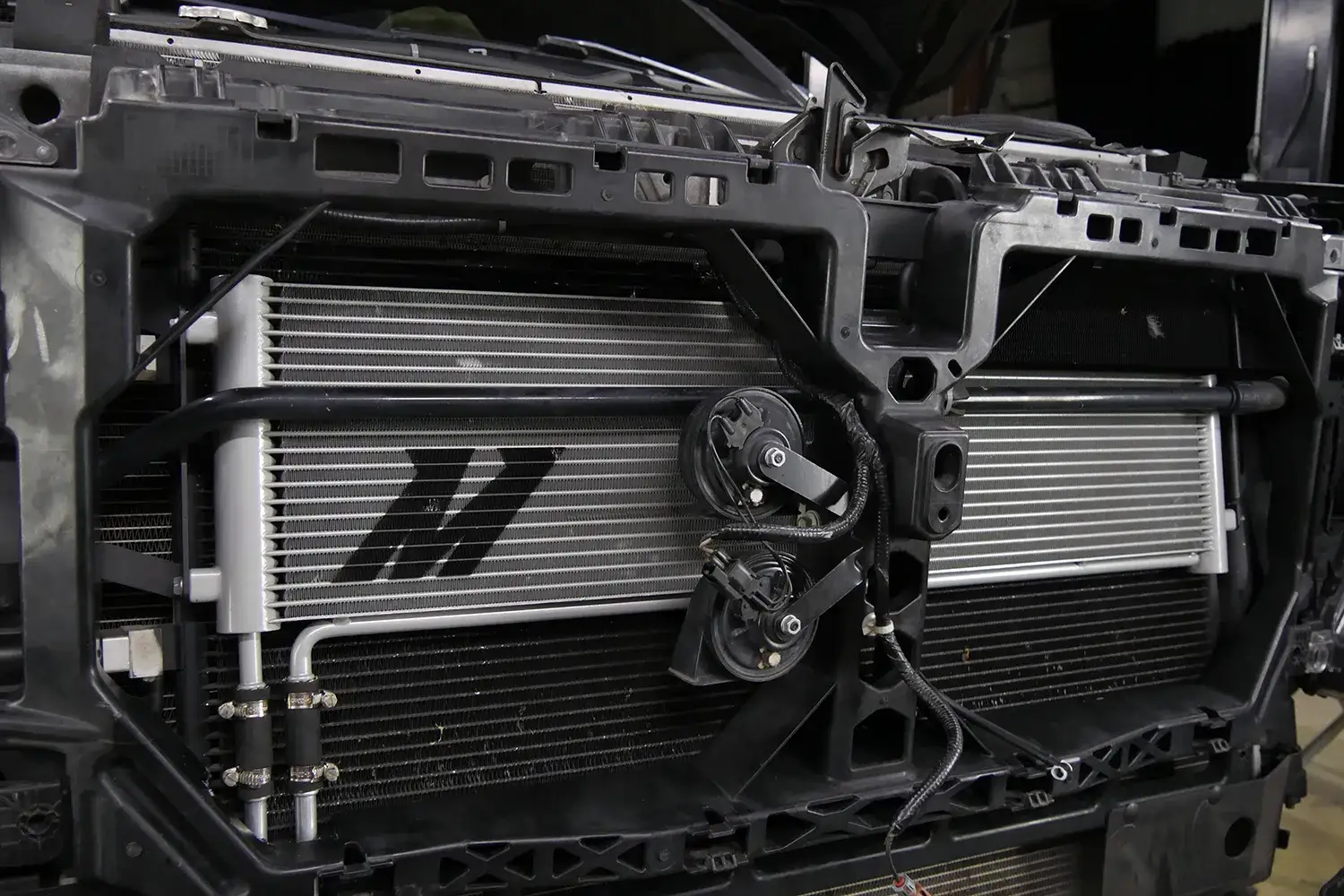
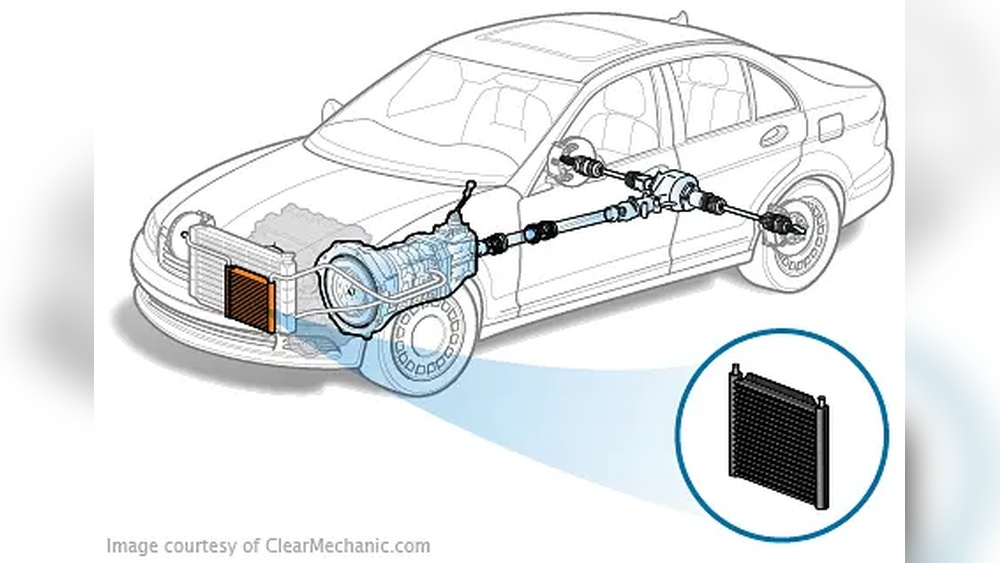
Transmission cooler lines are hoses or metal pipes that connect your transmission to the cooler, usually located near the radiator. Their main job is to move the fluid so it can cool down, protecting your transmission from overheating.
If these lines fail, you might see:
- Red or pink fluid under your Jeep
- Slipping gears
- Burnt smell from the transmission
Ignoring these signs can damage the transmission, leading to much higher repair costs.
Typical Labor Time For Replacement
For most Jeep Grand Cherokee models, the labor time to replace transmission cooler lines is between 1.5 to 3 hours. This range depends on the model year, engine type, and how easy it is to reach the lines.
Here’s a comparison of estimated labor times for different Jeep Grand Cherokee years:
| Model Year | Labor Time (Hours) | Difficulty |
|---|---|---|
| 2011-2026 | 2.0 – 2.5 | Moderate |
| 2005-2010 | 1.5 – 2.0 | Easy |
| 1999-2004 | 2.5 – 3.0 | Challenging |
Pro insight: Many beginners overlook that 4WD models or those with skid plates may need extra time, as more components must be removed for access.
Factors That Affect Labor Time
Not every replacement is the same. Several things can add time to the job:
- Corrosion or rust – Older Jeeps often have rusted fittings, which are hard to remove.
- Aftermarket modifications – If you have a lift kit or custom parts, access may be blocked.
- Fluid leaks – If fluid has sprayed on other parts, extra cleaning is needed.
- Transmission type – Some automatic transmissions have lines in tight spaces, making work slower.
Here’s how these factors can impact labor time:
| Condition | Extra Labor Time |
|---|---|
| Heavy rust | +0.5 hour |
| Aftermarket skid plates | +0.3 hour |
| Fluid-soaked parts | +0.2 hour |
Non-obvious tip: If your Jeep is used in cold climates, frozen fittings can add even more time. Mechanics sometimes need to heat bolts, which isn’t included in “standard” labor times.
Steps In Transmission Cooler Line Replacement
Replacing the transmission cooler lines is more than just pulling off old hoses and installing new ones. Here’s a breakdown of the steps:
- Raise the vehicle safely and remove any guards or covers.
- Drain transmission fluid as needed to prevent spills.
- Disconnect lines at the transmission and at the cooler.
- Remove old lines – sometimes they are routed behind other engine parts.
- Install new lines and check for proper fit.
- Reconnect everything and refill any lost fluid.
- Test drive to confirm there are no leaks.
Mechanics also check for signs of contamination in the fluid, which could signal a bigger transmission issue.
Cost Breakdown: Labor Vs. Parts
The labor time directly affects what you pay. Here’s a typical cost breakdown:
| Item | Cost Range (USD) |
|---|---|
| Labor (1.5–3 hours @ $90/hour) | $135–$270 |
| Cooler lines (parts) | $60–$180 |
| Transmission fluid (refill) | $20–$60 |
| Total | $215–$510 |
Key insight: Many owners focus only on parts price, but labor is often the bigger part of the bill. Also, if you delay repair and fluid leaks onto other parts (like belts or sensors), you may face extra cleaning fees.
Diy Or Mechanic: Making The Right Choice
Some Jeep Grand Cherokee owners try to replace the cooler lines themselves. While this saves money, there are important risks:
- Tools needed: Line wrenches, ramps or jack stands, and fluid catch pans.
- Skill level: Intermediate. Getting the lines off without damaging the transmission can be tricky.
- Common mistake: Not seating the new lines fully, leading to leaks.
Experience tip: If you lack experience with fluid lines, it’s safer to have a mechanic do the work. Small mistakes can lead to big leaks and future transmission failure.
For more on DIY vs. professional repair, visit the Jeep official maintenance site.
Signs Of A Quality Repair
After the work is done, you should check for:
- No fresh leaks under the Jeep after driving
- Smooth shifting with no delay or slipping
- Fluid at correct level and bright red color
If you notice any issues, return to the shop right away. Poor installation can cause major transmission damage.
Frequently Asked Questions
<!– wp:rank-math/faq-block {"questions":[{"id":"faq-question-4dfd3051094e","title":"How Do I Know If My Transmission Cooler Lines Need Replacement?","content":"Look for red fluid puddles under your vehicle, slipping gears, or a burning smell. These signs usually mean the lines are leaking or clogged.
“,”visible”:true},{“id”:”faq-question-01fea34e3b7b”,”title”:”Can I Drive With Leaking Transmission Cooler Lines?”,”content”:”It’s not safe. Low fluid can quickly damage your transmission. You risk a breakdown and expensive repairs if you keep driving.
“,”visible”:true},{“id”:”faq-question-b4181024c3d1″,”title”:”How Much Transmission Fluid Will I Lose During Replacement?”,”content”:”Typically, you’ll lose 1–2 quarts during the process. Always check and refill with the correct type after the repair.
“,”visible”:true},{“id”:”faq-question-81733848f5d4″,”title”:”Are Aftermarket Cooler Lines Better Than Oem?”,”content”:”OEM lines fit perfectly and last long, but some aftermarket brands offer higher durability. Make sure any aftermarket part is rated for your specific Grand Cherokee.
“,”visible”:true},{“id”:”faq-question-325162c1d45d”,”title”:”What Else Should Be Checked During Cooler Line Replacement?”,”content”:”Ask your mechanic to check for fluid contamination and inspect the cooler itself for blockages. These can prevent future issues and keep your transmission healthy.
A transmission cooler line replacement on a Jeep Grand Cherokee isn’t a minor job, but knowing the labor time, costs, and key details helps you plan and avoid surprises. Whether you choose DIY or a trusted mechanic, keep an eye on your transmission’s health—your Jeep will thank you with years of reliable driving.
“,”visible”:true}]} –>How Do I Know If My Transmission Cooler Lines Need Replacement?
Look for red fluid puddles under your vehicle, slipping gears, or a burning smell. These signs usually mean the lines are leaking or clogged.
Can I Drive With Leaking Transmission Cooler Lines?
It’s not safe. Low fluid can quickly damage your transmission. You risk a breakdown and expensive repairs if you keep driving.
How Much Transmission Fluid Will I Lose During Replacement?
Typically, you’ll lose 1–2 quarts during the process. Always check and refill with the correct type after the repair.
Are Aftermarket Cooler Lines Better Than Oem?
OEM lines fit perfectly and last long, but some aftermarket brands offer higher durability. Make sure any aftermarket part is rated for your specific Grand Cherokee.
What Else Should Be Checked During Cooler Line Replacement?
Ask your mechanic to check for fluid contamination and inspect the cooler itself for blockages. These can prevent future issues and keep your transmission healthy.
A transmission cooler line replacement on a Jeep Grand Cherokee isn’t a minor job, but knowing the labor time, costs, and key details helps you plan and avoid surprises. Whether you choose DIY or a trusted mechanic, keep an eye on your transmission’s health—your Jeep will thank you with years of reliable driving.