If you’re considering buying a Jeep Grand Cherokee or already own one, you’re probably wondering: how long can this SUV really last? You want a vehicle that stays reliable, handles your daily drives, and stands strong on your adventures for years to come.
The good news is, with the right care, a Jeep Grand Cherokee can offer impressive longevity. But what does that actually mean in miles or years? And what should you watch out for to keep your Grand Cherokee running smoothly?
Keep reading, because understanding these key details will help you get the most life and value out of your Jeep.
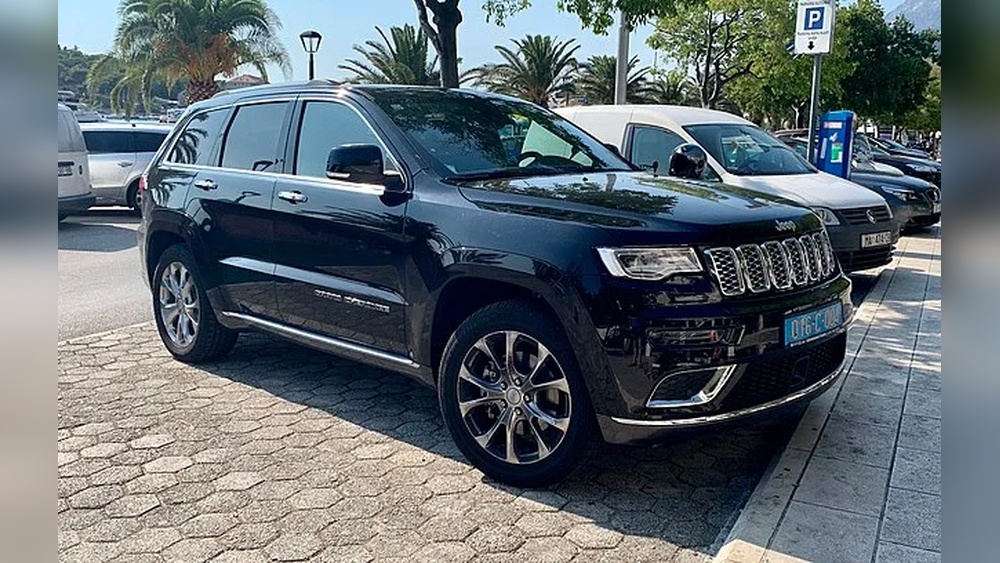

Jeep Grand Cherokee Lifespan
The way you use a Jeep Grand Cherokee greatly affects its lifespan. Different activities put varying stress on the vehicle’s parts. Careful use can help the SUV last longer. Rough use can speed up wear and cause early issues.
Heavy-duty tasks like towing or off-roading demand more from the engine and suspension. Daily driving on smooth roads is less harsh. Understanding these usage effects helps owners maintain their Grand Cherokee better. It also guides buyers on what to expect from a used model.
Towing And Off-road Effects
Towing heavy loads strains the engine, transmission, and brakes. Over time, this can cause parts to wear out faster. The cooling system works harder to prevent overheating. Suspension and tires also face extra pressure.
Off-roading exposes the Jeep to rough terrain, mud, and water. This can damage the undercarriage, shocks, and wheel bearings. Dirt and debris can clog sensors and filters. Regular cleaning and inspections are essential after off-road trips.
Common Wear And Tear Areas
Suspension components like shocks and bushings wear out with use. Brake pads and rotors need frequent replacement, especially after towing. The transmission can develop issues from heavy loads or poor maintenance.
Electrical sensors may fail due to dirt or water exposure. Tires wear unevenly if alignment is off or if used on rough roads. Engine parts such as belts and hoses also degrade over time and require checks.

Maintenance Tips
The year model of a Jeep Grand Cherokee plays a big role in how long it lasts. Some years have better reliability records and fewer problems. Knowing which year to choose helps you get a Jeep that will last longer with fewer repairs.
Older models may have more wear and tear, while newer ones often have updated parts and technology. Yet, not all recent models are problem-free. Careful selection based on year can save money and frustration.
Best Years For Reliability
Certain year models of the Jeep Grand Cherokee stand out for their strong reliability. Models from 2011 to 2013 are well-known for solid engine performance and fewer mechanical issues. These years benefit from improved design and better quality control.
The 2014 and 2015 Grand Cherokees also score high in reliability. They have enhanced safety features and more durable components. Owners of these models report fewer problems with the transmission and electrical systems.
Going back to the late 1990s, the 1999 and 2000 models are noted for their ruggedness and simple mechanics. These older Jeeps can last long if maintained well, especially in basic trims without complex electronics.
Years To Avoid
Some Jeep Grand Cherokee years are linked to frequent repairs and common faults. The 2014 model, despite some improvements, had issues with its transmission. This caused many owners to face costly repairs early on.
Years from 2005 to 2007 show a pattern of electrical problems and engine failures. The 2006 model, in particular, has reports of cooling system leaks and sensor malfunctions. These faults can shorten the Jeep’s lifespan.
Models from 2018 and later may have complex technology that sometimes fails. Problems with advanced driver aids and infotainment systems occur more often. These glitches can be expensive to fix and affect daily use.
Usage Impact
Evaluating a used Jeep Grand Cherokee is key to making a smart purchase. This SUV can last a long time, but its condition varies by owner and use. Careful inspection helps avoid costly repairs and surprises. Focus on its history, maintenance, and any hidden damage. These steps reveal the true state of the vehicle.
Checking Vehicle History
Start by obtaining a detailed vehicle history report. Services like Carfax provide records of accidents, title status, and previous owners. Confirm the odometer reading to avoid fraud. Check for any recalls or safety notices. A clean history means fewer hidden problems.
Service Records Importance
Service records show how well the Jeep was maintained. Look for regular oil changes and scheduled maintenance. Transmission and brake services are crucial for longevity. A well-documented service history indicates responsible ownership. Lack of records may signal neglect or undisclosed issues.
Signs Of Previous Damage
Inspect the Grand Cherokee for signs of past accidents. Uneven gaps between body panels or mismatched paint can suggest repairs. Look under the vehicle for rust or frame damage. Check the tires for uneven wear, which may indicate alignment problems. These signs affect safety and vehicle life.
Common Repairs Over Time
Jeep Grand Cherokee owners share many stories about the vehicle’s lifespan. Their experiences reveal how long these SUVs can last with proper care. Some owners report driving their Jeeps for hundreds of thousands of miles. Others mention issues they faced along the way. These real-life accounts help paint a clear picture of ownership. They show what to expect in terms of durability and common problems.
High Mileage Success Stories
Many Jeep Grand Cherokee owners have reached over 200,000 miles. Some report even higher mileages without major engine failure. Regular maintenance plays a key role in these success stories. Owners often mention timely oil changes and fluid checks. They also replace worn parts before they cause damage. These steps help keep the vehicle running smoothly for years. High mileage Grand Cherokees prove the SUV’s strong build and reliability.
Common Complaints
Owners also talk about problems they face over time. Suspension issues are common, especially with older models. Some experience transmission problems after 100,000 miles. Electrical system faults and sensor failures appear in owner reports too. Cooling system troubles are another frequent complaint. These issues often arise due to heavy use or lack of maintenance. Knowing these common problems helps buyers prepare better for ownership.
Longevity Without Major Issues
Many Jeep Grand Cherokees run well past 150,000 miles without serious trouble. These vehicles often require only routine maintenance. Oil changes, brake pad replacements, and tire rotations keep the SUV in good shape. Owners who avoid harsh off-roading report fewer repairs. Gentle driving habits also extend the vehicle’s life. Longevity without major issues depends on how well owners care for their Jeep.
Year Models To Consider
Extending the life of your Jeep Grand Cherokee requires care and attention. Small daily habits and regular checkups can add years to your vehicle’s service. Knowing when to act keeps the Jeep running smoothly and avoids costly repairs. Focus on smart driving, scheduled maintenance, and timely part replacements to keep your Jeep reliable on every trip.
Driving Habits To Adopt
Drive smoothly without sudden stops or fast starts. Avoid aggressive acceleration and hard braking. Use low gears when climbing hills or towing heavy loads. Limit driving on rough roads to reduce wear on suspension and tires. Warm up your engine for a few minutes before driving in cold weather. These habits reduce stress on the engine and drivetrain.
Preventive Maintenance Strategies
Follow the manufacturer’s maintenance schedule strictly. Change engine oil and filters regularly to keep the engine clean. Check and replace fluids like coolant, brake fluid, and transmission fluid on time. Inspect belts, hoses, and spark plugs every service. Keep tires properly inflated and rotate them frequently. Regular inspections catch small issues before they become big problems.
When To Replace Parts
Replace brake pads when you hear squeaking or feel reduced braking power. Change the timing belt every 60,000 to 100,000 miles as recommended. Swap out worn suspension parts if you notice poor handling or noises. Replace the battery every 3 to 5 years to avoid sudden failure. Monitor the cooling system and replace the thermostat and radiator as needed. Timely part replacement keeps the Jeep safe and efficient.
Frequently Asked Questions
What’s The Average Lifespan Of A Jeep Grand Cherokee?
The average lifespan of a Jeep Grand Cherokee ranges from 200,000 to 250,000 miles with proper maintenance. Regular oil changes and timely repairs extend its durability. Usage like towing or off-roading may reduce longevity. Consistent care ensures many years of reliable performance.
What Year To Stay Away From A Jeep Grand Cherokee?
Avoid Jeep Grand Cherokee models from 2011 to 2013 due to frequent transmission and electrical issues. These years show lower reliability and higher repair costs.
Are Jeeps Reliable After 100,000 Miles?
Jeeps can remain reliable after 100,000 miles with proper maintenance and care. Regular oil changes and inspections prevent major issues. Off-roading and towing may increase wear, requiring more repairs. Always check service history before buying a high-mileage Jeep to ensure reliability.
Will A Jeep Grand Cherokee Last 200,000 Miles?
A Jeep Grand Cherokee can last 200,000 miles with regular maintenance and careful driving. Proper care extends its lifespan significantly.
Conclusion
A Jeep Grand Cherokee can last well over 200,000 miles. Regular maintenance keeps it running smoothly. Avoid neglecting oil changes and fluid checks. Driving habits also affect its lifespan greatly. Off-roading and towing add extra wear and tear. Checking a used model’s history helps avoid surprises.
Many owners enjoy reliable performance for years. Proper care extends the life of this SUV. It offers solid value for the miles it covers. A well-maintained Grand Cherokee can be a great long-term vehicle.