The Jeep Grand Cherokee WJ, produced from 1999 to 2004, is a favorite among off-road fans and daily drivers. Its blend of rugged design and comfort made it popular. But not all WJ years are equal. Some models have costly problems that can make ownership stressful and expensive.
If you’re thinking about buying a used WJ, knowing which years to avoid can save you time, money, and frustration.
Understanding The Jeep Wj
The Jeep WJ is the second generation of the Grand Cherokee. Jeep launched it to improve comfort, technology, and capability. The WJ came with two main engines: the 4.0L inline-six and the 4.7L V8. Both engines have loyal fans. The WJ also introduced features like Quadra-Drive four-wheel-drive and more luxurious interiors.
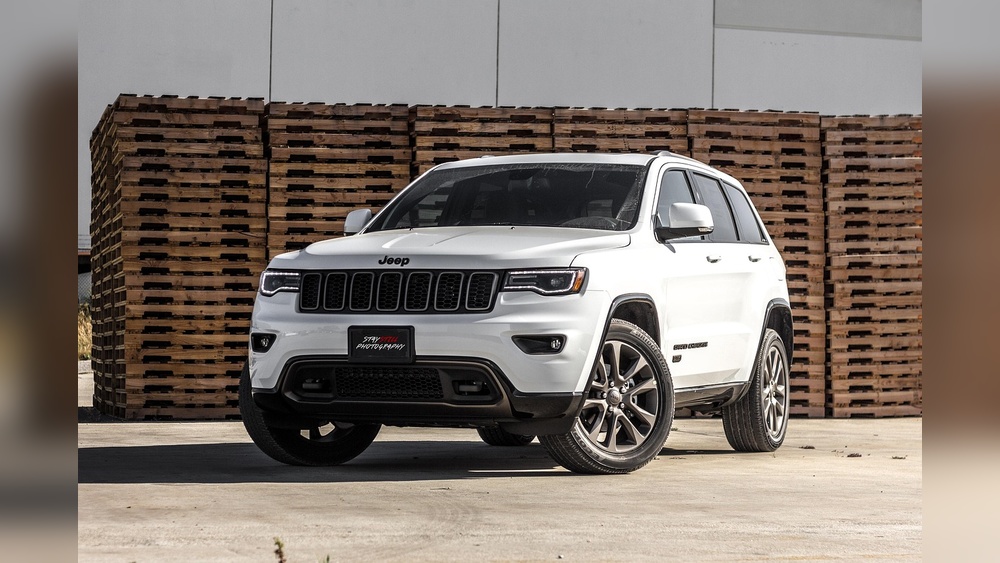
Despite these advances, some model years had major reliability issues. These could lead to frequent repairs, high costs, and safety concerns.
Jeep Wj Years To Avoid
Not every WJ is trouble-free. Owners and experts point to certain years that are more likely to have problems. Here are the years you should be most careful with:
| Model Year | Main Problems | Notes |
|---|---|---|
| 1999 | Electrical issues, window regulator failures, transmission problems | First year, more bugs |
| 2000 | Heater core leaks, transmission, electrical faults | Early production issues |
| 2001 | Heater blend doors, brake system issues | Some improvements, but still risky |
1999: The Debut Year
The 1999 WJ looks attractive because it’s often priced lower. But many owners report electrical problems, such as power windows and locks failing. The window regulators break often, leaving windows stuck. Early transmission faults are also common, which can lead to expensive repairs.
2000: Persistent Faults
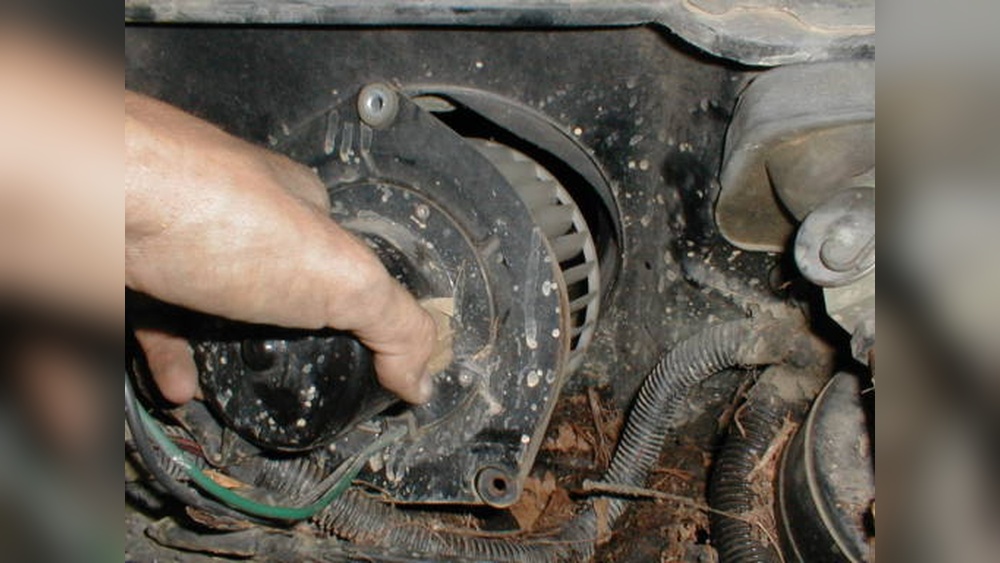
The 2000 model still suffered from transmission issues and started showing heater core leaks—a complicated and costly fix. Electrical faults, such as malfunctioning dash lights, were also frequent.
2001: Mid-cycle Troubles
By 2001, some improvements arrived, but blend door failures in the HVAC system became widespread. This often means you lose heat in winter or AC in summer. The brake system also saw more complaints, especially about soft pedals and reduced stopping power.

Why These Years Struggle
The first years of any new car generation can have problems as factories work out new designs and suppliers. The WJ was no different. Early models had new technology that wasn’t fully tested in real-world driving. For example, the Quadra-Drive system was advanced, but its sensors and actuators sometimes failed.
Another issue: plastic parts inside the doors and dashboard often break. Window regulators and HVAC blend doors were made with weak plastic. They fail more in early WJs, especially in hot or cold climates.
Better Years For The Jeep Wj
Not every WJ is risky. Later years saw many improvements. Here’s a quick look at the better options:
| Model Year | Main Improvements | Why They’re Better |
|---|---|---|
| 2002 | Upgraded HVAC parts, improved electrical systems | Fewer blend door and window failures |
| 2003 | Refined engines, updated sensors | Better reliability |
| 2004 | Last year, most bugs fixed | Best choice for used buyers |
2004 is often the most recommended year. By then, Jeep had solved most major WJ problems. These models also hold their value better and tend to have fewer serious complaints.
Common Problems Across All Wj Years
Even the best WJs need regular care. Some issues appear in all model years:
- Heater blend door failure – Loss of heat or AC, repair requires dash removal.
- Window regulator failure – Windows fall down or get stuck, especially in hot regions.
- Rear tailgate issues – Latch and wiring problems are frequent.
- Rust – Check the rocker panels and underbody, especially in snowy areas.
- Suspension wear – Ball joints, bushings, and track bars may need early replacement.
Two Insights Beginners Miss
Many new buyers focus only on mileage. But maintenance history matters more than odometer numbers. A high-mile WJ with good records is often better than a low-mile, poorly maintained one.
Another missed detail: the 4.0L six-cylinder is more reliable and cheaper to fix than the V8. The V8 offers more power but can cost much more if things go wrong.
What To Look For When Buying A Used Wj
Before you buy, inspect the following areas:
- Heater and AC operation – Test all settings; blend door repairs are expensive.
- Power windows and locks – Make sure all work smoothly.
- Transmission shifting – Listen for clunks, slips, or rough shifts.
- Check for rust – Look under the vehicle, especially in the rear.
- Look for leaks – Engine, transmission, and under the dash (heater core).
A full test drive is essential. Listen for odd noises and pay attention to how the car shifts and stops.
Cost Comparison: Repairs Vs. Purchase Price
Buying a cheaper WJ may cost more in the long run if you need major repairs. Here’s a rough comparison:
| Repair | Typical Cost (USD) | Years Most Affected |
|---|---|---|
| Heater Blend Door | $700–$1,200 | 1999–2001 |
| Window Regulator | $200–$400 per window | 1999–2002 |
| Transmission Overhaul | $1,800–$3,000 | 1999–2000 |
Summary
If you want a used Jeep WJ, avoid 1999, 2000, and 2001 unless you’re ready for repairs. Later years, especially 2004, are much more reliable. Always check the car’s history and inspect key areas before buying. With patience and smart shopping, the right WJ can be a fun, dependable ride.
Frequently Asked Questions
<!– wp:rank-math/faq-block {"questions":[{"id":"faq-question-3332c673569b","title":"What Is The Most Reliable Jeep Wj Year?","content":"2004 is considered the best year, as most problems were fixed by then.
“,”visible”:true},{“id”:”faq-question-36cbbb88959e”,”title”:”Are Jeep Wjs Expensive To Maintain?”,”content”:”Maintenance can be higher than average, especially if you buy an early model or one with no service history. Later models are more affordable to keep running.
“,”visible”:true},{“id”:”faq-question-1384eafb82e5″,”title”:”Is The 4.0l Or 4.7l Engine Better?”,”content”:”The 4.0L inline-six is more reliable and less expensive to repair. The 4.7L V8 offers more power but can be costly if major repairs are needed.
“,”visible”:true},{“id”:”faq-question-d5ac6e3f5a9e”,”title”:”What Are Signs Of Heater Blend Door Failure?”,”content”:”Loss of heat or AC, clicking noises from the dash, or air only coming out of some vents are common signs.
“,”visible”:true},{“id”:”faq-question-c30e55425906″,”title”:”Where Can I Find More Details On Jeep Wj Problems?”,”content”:”For in-depth technical information, you can visit the Wikipedia page on Jeep Grand Cherokee (WJ).
“,”visible”:true}]} –>What Is The Most Reliable Jeep Wj Year?
2004 is considered the best year, as most problems were fixed by then.
Are Jeep Wjs Expensive To Maintain?
Maintenance can be higher than average, especially if you buy an early model or one with no service history. Later models are more affordable to keep running.
Is The 4.0l Or 4.7l Engine Better?
The 4.0L inline-six is more reliable and less expensive to repair. The 4.7L V8 offers more power but can be costly if major repairs are needed.
What Are Signs Of Heater Blend Door Failure?
Loss of heat or AC, clicking noises from the dash, or air only coming out of some vents are common signs.
Where Can I Find More Details On Jeep Wj Problems?
For in-depth technical information, you can visit the Wikipedia page on Jeep Grand Cherokee (WJ).