If you own or work on a Jeep Grand Cherokee, understanding its electrical diagram can save you time, money, and frustration. Modern vehicles like the Grand Cherokee rely heavily on electronics for everything from starting the engine to powering headlights and infotainment systems.
Even a simple electrical fault can leave you stranded or facing expensive repairs. With the right knowledge, you can read the diagram, pinpoint issues, and even do basic repairs yourself.
What Is A Jeep Grand Cherokee Electrical Diagram?
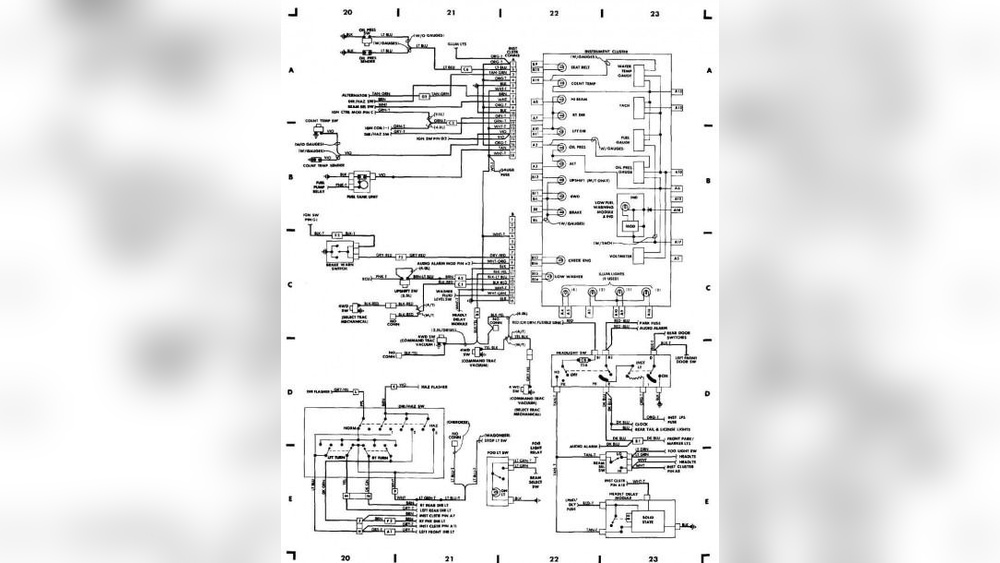
An electrical diagram is a visual map of the vehicle’s wiring system. It shows how the wires, fuses, relays, and components connect and interact. For a Grand Cherokee, the diagram covers everything from the engine control unit to small things like interior lights.
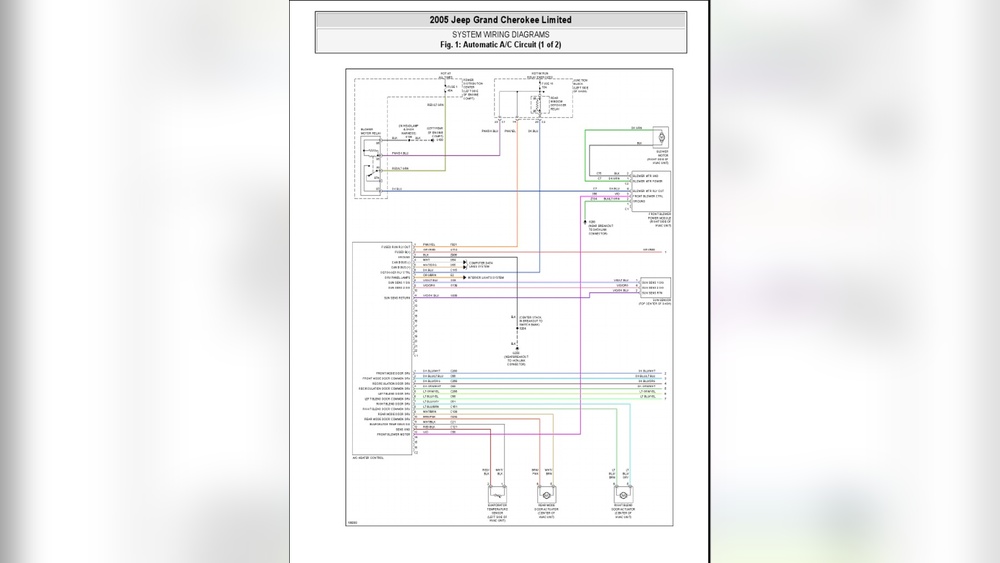
There are three main types of diagrams used:
- Wiring diagrams: Focus on how wires connect between components.
- Block diagrams: Show the main systems and how they interact.
- Schematic diagrams: Provide detailed paths and functions, including symbols for switches, grounds, and connectors.
Knowing which diagram to use depends on your problem. If your radio isn’t working, a block diagram can show you the affected area. For a broken window motor, a wiring diagram helps you follow each wire.
Key Components In The Jeep Grand Cherokee Wiring System
A modern Grand Cherokee (especially models after 2011) includes dozens of electrical components. Here are some of the most important:
- Battery: Powers the vehicle when the engine is off.
- Alternator: Charges the battery and powers electronics when running.
- Fuse box: Protects circuits from overloads.
- Relays: Control high-power devices with low-power switches.
- Body Control Module (BCM): The “brain” for non-engine electronics.
- Ground connections: Provide safe paths for current to return.
Each component’s wiring is shown in the electrical diagram. Missing a ground or a bad relay is a common source of headaches.
Example: Common Circuits
A few circuits stand out as frequent trouble spots:
- Power window circuit: Motor, switches, relay, fuse, ground
- Headlight circuit: Switch, relay, fuse, bulb, ground
- Starter circuit: Ignition switch, starter relay, fuse, battery, ground
How To Read A Jeep Grand Cherokee Electrical Diagram
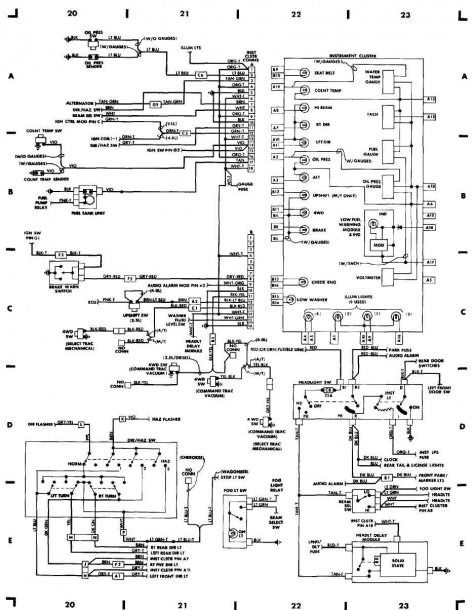
At first glance, an electrical diagram can look overwhelming. Here’s a step-by-step way to make sense of it:
- Identify the legend: Every diagram uses symbols. Check the legend for what each one means.
- Locate the problem area: For example, if your tail light is out, find the tail light section.
- Trace the wires: Follow the wire from the battery through fuses, relays, switches, and finally to the component.
- Check connectors and grounds: These are common failure points.
- Look for color codes: Wires are color-coded. For example, black is often ground, red is power.
Here’s a simple comparison of wire colors and their usual meanings:
| Wire Color | Typical Function |
|---|---|
| Red | Power/Positive |
| Black | Ground/Negative |
| Yellow | Ignition/Switched Power |
| Green | Signal/Accessory |
Tip: Not all Jeeps use the same color codes. Always check the diagram for your specific model and year.
Practical Uses For The Diagram
Many Jeep owners use the electrical diagram for:
- Diagnosing dead circuits: If your horn, lights, or wipers don’t work, the diagram helps you check fuses, relays, and wiring.
- Adding accessories: Want to add fog lights or a new stereo? The diagram shows safe connection points.
- Fixing electrical shorts: Shorts can drain the battery or blow fuses. By tracing the circuit, you can spot the problem area.
Here’s a quick look at how a fuse box layout can help:
| Fuse Number | Component Protected | Amperage |
|---|---|---|
| F1 | Headlights | 15A |
| F2 | Radio | 10A |
| F3 | Power Windows | 20A |
| F4 | AC Compressor | 10A |
Knowing which fuse protects which part can save hours of guesswork.
Common Mistakes When Using The Diagram
Many beginners make these errors:
- Using the wrong diagram year: Jeep changes wiring every few years. Always use the diagram for your exact model and year.
- Ignoring connector numbers: Each connector has a number. Mixing them up leads to confusion.
- Not checking grounds: Many electrical issues are due to bad grounds, not broken wires.
One insight many miss: Some circuits have hidden fuses or relays. For example, a power seat might have a separate inline fuse not shown in the main fuse box. Always scan the diagram for extra protection points.
Where To Find A Jeep Grand Cherokee Electrical Diagram
You can find accurate diagrams in several places:
- Owner’s manual: Basic diagrams, sometimes limited detail.
- Service manuals: Full wiring diagrams, available from Jeep or online.
- Trusted websites: Forums and tech sites often share diagrams. Only use well-reviewed sources for accuracy.
For the most reliable diagrams and up-to-date information, check the official Mopar Owner Site.
Sample: Power Window Circuit Diagram
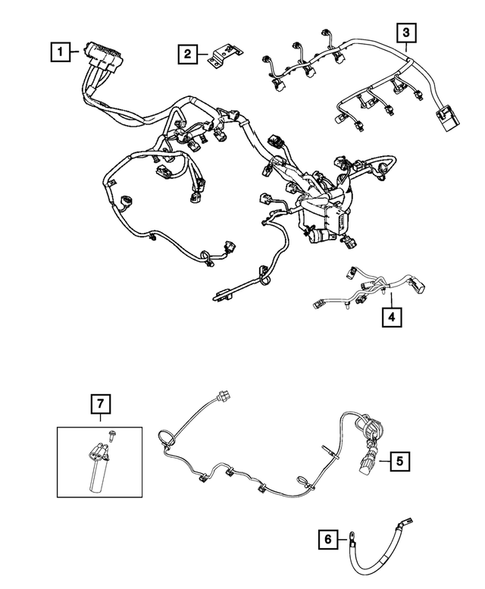
Let’s look at a simplified example of a power window circuit:
| Component | Wire Color | Function |
|---|---|---|
| Window Switch | Yellow/Red | Activates motor |
| Window Motor | Blue/White | Moves window up/down |
| Fuse (F3) | Red | Protects circuit |
| Ground | Black | Completes circuit |
If the window doesn’t work, check each part in this chain. Often, a blown fuse or faulty switch is to blame.
Final Thoughts
Learning to read a Jeep Grand Cherokee electrical diagram gives you control over your vehicle’s reliability and repair costs. Even if you never plan to do major repairs, knowing how to trace a wire or check a fuse can get you out of a tough spot. Always double-check your diagram source, pay attention to wire colors and connector numbers, and don’t ignore grounds. With practice, you’ll solve electrical issues faster and more confidently.
Frequently Asked Questions
<!– wp:rank-math/faq-block {"questions":[{"id":"faq-question-e48c2617aae3","title":"How Do I Know Which Diagram Fits My Jeep Grand Cherokee?","content":"Check your model year and trim. Electrical systems change even between similar years. Use your VIN or manual to find the correct diagram.
“,”visible”:true},{“id”:”faq-question-e3f0f642a34f”,”title”:”Why Are Grounds So Important In Wiring Diagrams?”,”content”:”A bad ground can cause many weird problems—flickering lights, dead electronics, or random failures. Always check grounds first when troubleshooting.
“,”visible”:true},{“id”:”faq-question-b564948bf66f”,”title”:”Can I Use A Diagram From A Similar Jeep Model?”,”content”:”It’s risky. Even small changes in wiring can cause big issues. Always use a diagram for your exact model and year.
“,”visible”:true},{“id”:”faq-question-00359f2c6c4e”,”title”:”Where Is The Main Fuse Box In A Jeep Grand Cherokee?”,”content”:”Most Grand Cherokees have the main fuse box under the hood, near the battery. Some models also have a smaller box inside, often by the driver’s knee.
“,”visible”:true},{“id”:”faq-question-3881604c6e8f”,”title”:”Are There Free Resources For Jeep Wiring Diagrams?”,”content”:”Yes, forums and owner sites often share diagrams. For the most accurate and complete diagrams, visit the official Mopar Owner Site.
“,”visible”:true}]} –>How Do I Know Which Diagram Fits My Jeep Grand Cherokee?
Check your model year and trim. Electrical systems change even between similar years. Use your VIN or manual to find the correct diagram.
Why Are Grounds So Important In Wiring Diagrams?
A bad ground can cause many weird problems—flickering lights, dead electronics, or random failures. Always check grounds first when troubleshooting.
Can I Use A Diagram From A Similar Jeep Model?
It’s risky. Even small changes in wiring can cause big issues. Always use a diagram for your exact model and year.
Where Is The Main Fuse Box In A Jeep Grand Cherokee?
Most Grand Cherokees have the main fuse box under the hood, near the battery. Some models also have a smaller box inside, often by the driver’s knee.
Are There Free Resources For Jeep Wiring Diagrams?
Yes, forums and owner sites often share diagrams. For the most accurate and complete diagrams, visit the official Mopar Owner Site.