The Jeep Grand Cherokee 5. 7 is a popular SUV known for its power and reliability.
However, like any vehicle, some parts wear out over time. The alternator is one of those parts you may need to replace, especially if you notice issues with charging or electrical components.
Replacing the alternator might sound challenging, but with the right guidance, tools, and patience, you can do it yourself or know exactly what to expect at the shop. This article walks you through the alternator replacement process for the Jeep Grand Cherokee 5.
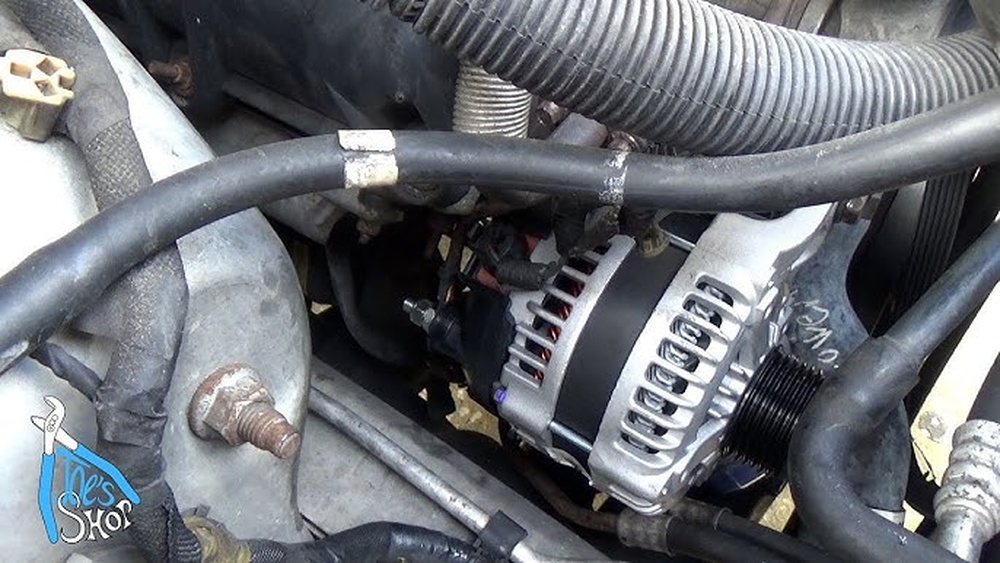
7, highlighting the five key steps, common mistakes, and practical advice for a smooth experience.
Understanding The Alternator In Jeep Grand Cherokee 5.7
The alternator is the heart of your vehicle’s charging system. It converts mechanical energy into electrical energy, keeping the battery charged and powering accessories like lights, radio, and air conditioning. In the Jeep Grand Cherokee 5.7, a failing alternator can lead to dim headlights, battery warning lights, and even engine stalling.
Here’s a quick comparison of symptoms and their possible causes:
| Symptom | Possible Cause |
|---|---|
| Dim headlights | Weak alternator |
| Battery warning light | Charging issue |
| Engine stalls | Dead battery or alternator |
Many owners miss early signs of alternator failure, thinking it’s just a battery issue. But the alternator is often the real culprit.
Five Steps To Replace The Alternator
Replacing the alternator involves five clear steps. Each step is essential, and skipping one can cause problems.
1. Disconnect The Battery
Always start by disconnecting the negative battery cable. This prevents electrical shock and protects the vehicle’s electronics.
- Use a wrench to loosen the cable clamp.
- Move the cable away from the battery post.
- Wait a few minutes before moving to the next step.
If you skip this, you risk damaging sensitive components or hurting yourself.
2. Remove The Serpentine Belt
The serpentine belt drives the alternator and other parts. You need to remove it to reach the alternator.
- Locate the belt tensioner (usually a spring-loaded pulley).
- Use a socket wrench to relieve tension and slip the belt off.
- Inspect the belt for wear. If it’s cracked or frayed, replace it.
A common mistake is forgetting the belt routing. Take a photo before removal for easy reinstallation.
3. Disconnect Electrical Connections
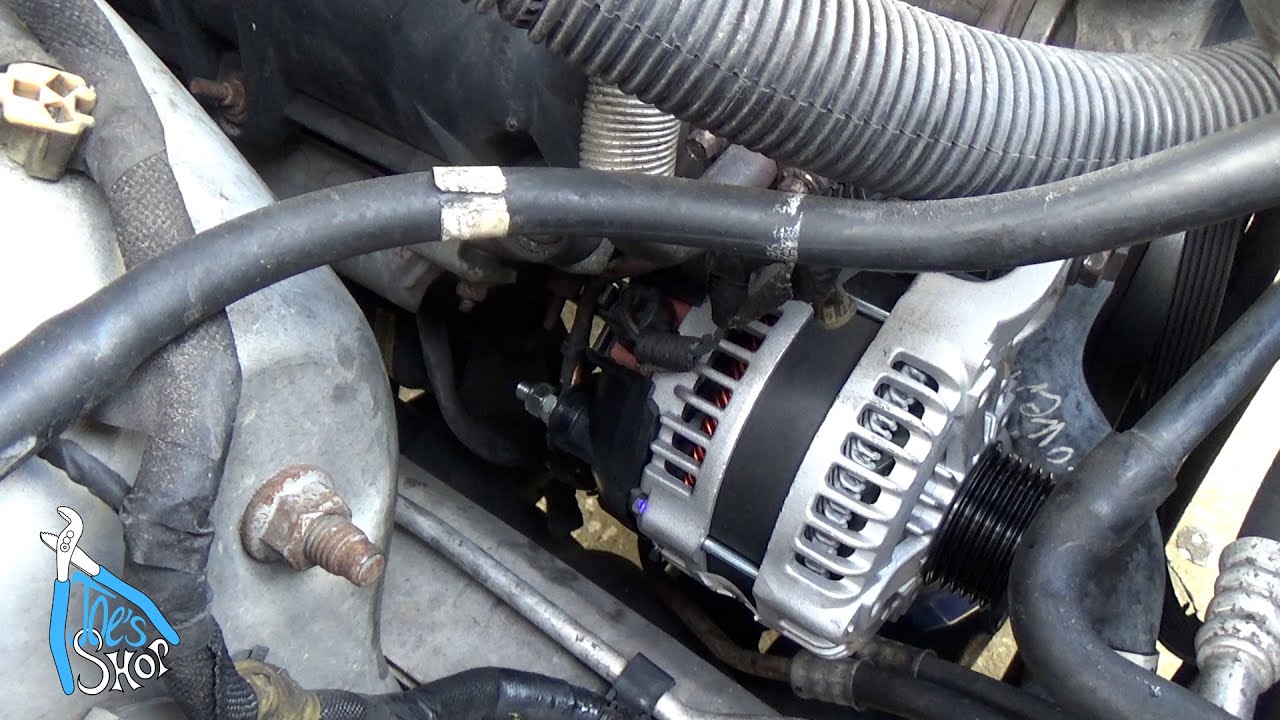
The alternator has two main connections: a power cable and a control plug.
- Use a socket or screwdriver to remove the nut securing the power cable.
- Unplug the control connector by pressing the tab and pulling.
- Avoid pulling wires directly; this can cause damage.
Some connectors are tight and may require gentle wiggling. Don’t force them.
4. Remove The Alternator
Now, you’re ready to remove the alternator itself.
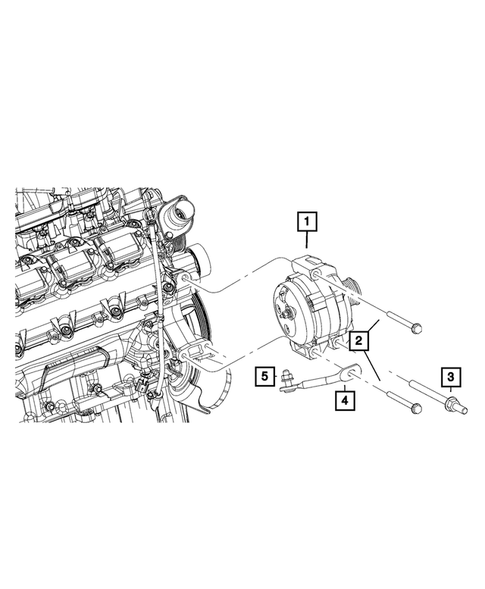
- Locate and remove the mounting bolts (usually two or three).
- Carefully lift the alternator out. It might be snug, so wiggle gently.
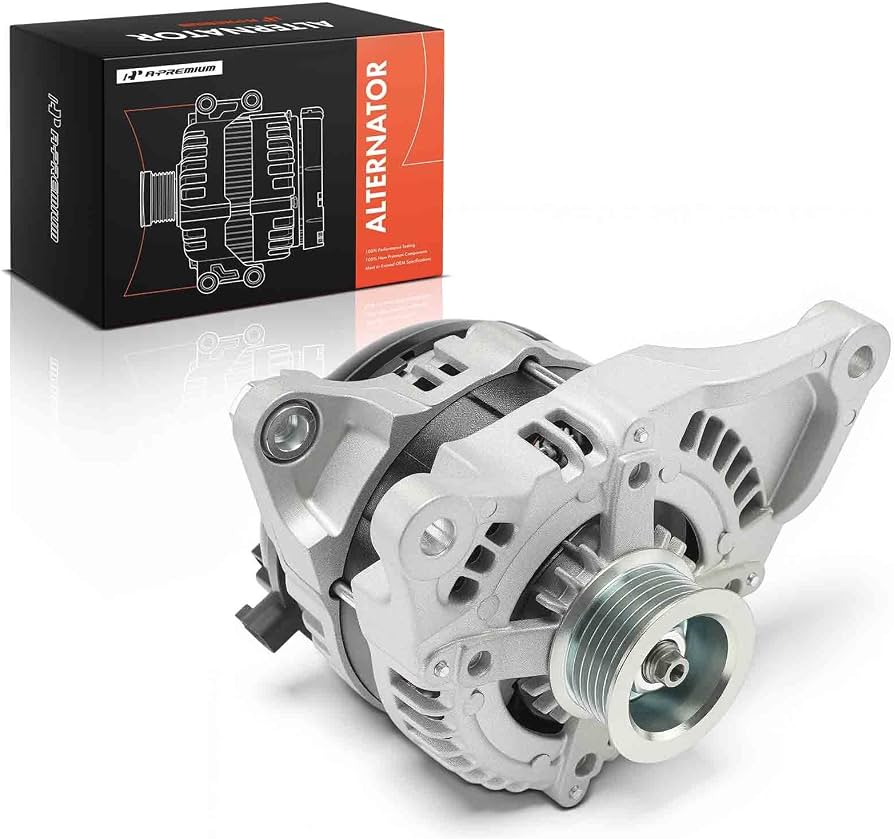
- Compare the old alternator to the new one to ensure they match.
Here’s a quick comparison table for alternator specifications:
| Specification | Old Alternator | New Alternator |
|---|---|---|
| Amperage | 130A | 130A |
| Mounting holes | 3 | 3 |
| Plug type | 2-pin | 2-pin |
Matching the new alternator prevents fitment issues, a problem many beginners overlook.
5. Install And Test The New Alternator
Installing the new alternator is the reverse of removal.
- Bolt the alternator in place.
- Reconnect the electrical connections.
- Reinstall the serpentine belt, following your photo for routing.
- Reconnect the battery cable.
Start the engine and check the battery light. Use a voltmeter to measure charging voltage (should be 13. 5–14. 5 volts). If the voltage is low or the battery light stays on, double-check your connections.
Tips For A Successful Alternator Replacement
Changing the alternator is easier with the right tools and preparation. Here are some practical tips:
- Use quality tools. Cheap wrenches can slip and cause injury.
- Have a helper. Some bolts need extra hands.
- Take photos. Document steps for reference.
- Label connectors. Prevents confusion during reinstallation.
- Check for codes. If your Jeep has warning lights after replacement, scan for error codes.
Many beginners forget to clear diagnostic codes after replacement, leading to unnecessary worry.
Cost And Time Estimates
Alternator replacement can cost differently depending on where you live and whether you do it yourself. Here’s a breakdown:
| Method | Estimated Cost | Time Required |
|---|---|---|
| DIY | $150–$300 (parts only) | 1–2 hours |
| Shop | $400–$700 (parts & labor) | 2–3 hours |
Labor costs are higher at shops but can save you effort. Always ask for a warranty on new parts.
Common Mistakes To Avoid
- Skipping battery disconnect can cause short circuits.
- Wrong alternator model leads to fitment issues.
- Loose connections result in charging problems.
- Ignoring belt routing makes reinstallation harder.
- Not checking voltage after install risks battery drain.
Double-check every step before starting the engine.
Where To Find Quality Parts
Finding a reliable alternator is important. Look for OEM (Original Equipment Manufacturer) parts or reputable aftermarket brands. Online stores, local auto shops, and official Jeep dealers are good options. For more details, see the Jeep Official Owners Site.
Frequently Asked Questions
<!– wp:rank-math/faq-block {"questions":[{"id":"faq-question-43c90c2c9797","title":"How Do I Know If My Alternator Is Bad?","content":"Common signs include dim lights, battery warning light, and electrical failures. Testing with a voltmeter can confirm if the alternator is charging the battery correctly.
“,”visible”:true},{“id”:”faq-question-0ebf9e6132cf”,”title”:”Can I Drive My Jeep With A Bad Alternator?”,”content”:”Driving with a faulty alternator risks battery drain and engine shutdown. It’s best to replace the alternator as soon as possible.
“,”visible”:true},{“id”:”faq-question-a933ddacc04e”,”title”:”What Tools Do I Need For Alternator Replacement?”,”content”:”Basic tools include socket wrenches, screwdrivers, and belt removal tool. Having a voltmeter for testing is also helpful.
“,”visible”:true},{“id”:”faq-question-9ac780733587″,”title”:”Is It Necessary To Replace The Serpentine Belt When Changing The Alternator?”,”content”:”It’s not always required, but if the belt shows signs of wear or cracks, it’s smart to replace it at the same time.
“,”visible”:true},{“id”:”faq-question-89dc5a02d457″,”title”:”How Long Does Alternator Replacement Take?”,”content”:”For most DIYers, the process takes 1–2 hours. Shops may need more time due to other checks and paperwork.
Replacing the alternator in your Jeep Grand Cherokee 5. 7 is a manageable job with careful preparation. By following the five key steps and avoiding common mistakes, you can save money and keep your SUV running smoothly. If you’re unsure, always seek help from a professional or consult the Jeep Owners Site for trusted advice.
“,”visible”:true}]} –>How Do I Know If My Alternator Is Bad?
Common signs include dim lights, battery warning light, and electrical failures. Testing with a voltmeter can confirm if the alternator is charging the battery correctly.
Can I Drive My Jeep With A Bad Alternator?
Driving with a faulty alternator risks battery drain and engine shutdown. It’s best to replace the alternator as soon as possible.
What Tools Do I Need For Alternator Replacement?
Basic tools include socket wrenches, screwdrivers, and belt removal tool. Having a voltmeter for testing is also helpful.
Is It Necessary To Replace The Serpentine Belt When Changing The Alternator?
It’s not always required, but if the belt shows signs of wear or cracks, it’s smart to replace it at the same time.
How Long Does Alternator Replacement Take?
For most DIYers, the process takes 1–2 hours. Shops may need more time due to other checks and paperwork.
Replacing the alternator in your Jeep Grand Cherokee 5. 7 is a manageable job with careful preparation. By following the five key steps and avoiding common mistakes, you can save money and keep your SUV running smoothly. If you’re unsure, always seek help from a professional or consult the Jeep Owners Site for trusted advice.