The fuse box in your 2004 Jeep Grand Cherokee is a small but essential part of the vehicle’s electrical system. It acts like the control center, protecting your car from electrical problems that could cause major damage.
If you’re dealing with electrical issues, blown fuses, or simply want to understand your vehicle better, knowing how the fuse box works is key.
Location And Layout
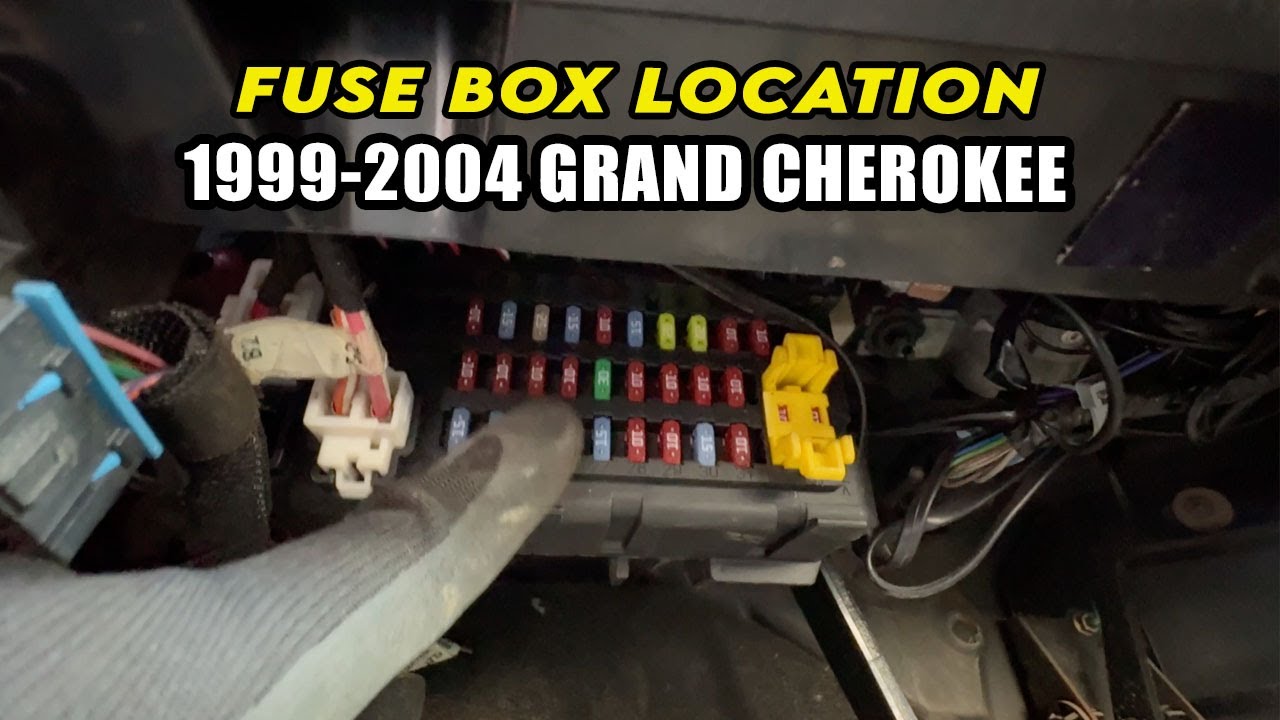
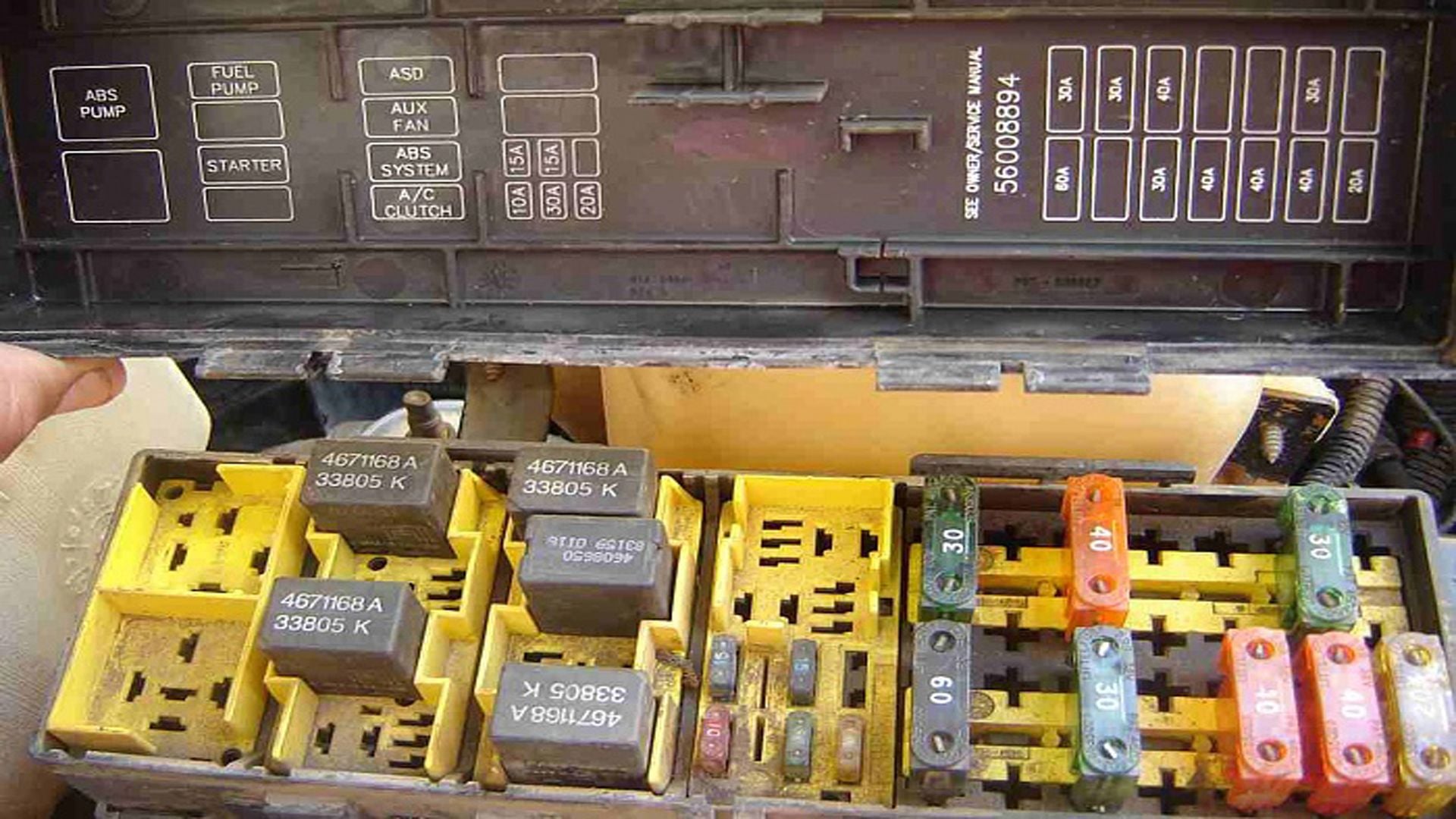
The fuse box in the 2004 Jeep Grand Cherokee is located under the hood, on the passenger side, near the battery. When you open the black plastic cover, you’ll see a grid of fuses and relays, each with a specific job. The inside of the cover usually has a diagram showing the layout, but these can be hard to read if faded or dirty.
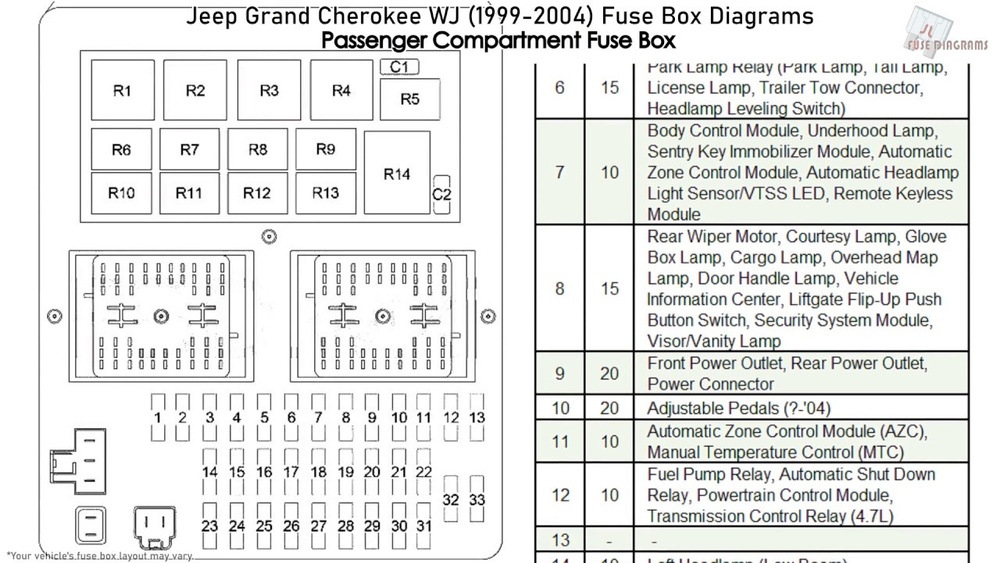
Most models have a single main fuse box under the hood. There is no interior fuse panel under the dashboard for this year and model, making it simpler to find and check fuses.
Fuse Types And Ratings
Your fuse box contains mini blade fuses and a few larger maxi fuses. Each fuse is color-coded and marked with an amperage rating, such as 10A, 15A, or 20A. It’s important to replace blown fuses with the same rating to prevent electrical fires or damage.
Common Fuse Ratings
- 10A (red): Common for small accessories
- 15A (blue): Used for lighting circuits
- 20A (yellow): Powers larger equipment like the radio or windows
- 30A (green): Often for the fuel pump or ABS
Fuse Functions And Assignments
Each fuse in the box controls a different system or feature in your Jeep. Here are some of the main circuits protected by fuses:
- Headlights
- Tail lights
- Horn
- Radio
- Power windows
- Sunroof
- Heater/AC blower
- Fuel pump
- Wipers
- ABS module
- Cigarette lighter
- Engine control module (ECM)
- Transmission control module (TCM)
- Parking lights
- Cooling fan
Not every Jeep Grand Cherokee has every feature listed, but all models will have a fuse for essential systems. Always check your owner’s manual for the specific fuse layout for your trim.
How To Check And Replace A Fuse
- Turn off the engine and remove the key.
- Open the hood and locate the fuse box.
- Remove the cover and use the diagram inside as a guide.
- Pull out the suspect fuse using the provided plastic tool or needle-nose pliers.
- Hold the fuse up to the light. If the metal strip inside is broken, the fuse is blown.
- Replace with a new fuse of the same amperage rating.
Never use a higher-rated fuse, as this can allow too much current and damage wiring or components.

Troubleshooting Common Electrical Issues
If a device in your Jeep stops working, the fuse is often the first thing to check. For example, if your radio suddenly goes silent or your power windows stop moving, a blown fuse may be to blame.
Example: Power Windows Not Working
- Locate the fuse for power windows in the box diagram.
- Remove and inspect it.
- If blown, replace and test the windows.
- If the new fuse blows immediately, there may be a short circuit or faulty motor.
Practical Tips For Fuse Box Maintenance
- Keep a spare fuse kit in your glove box with common ratings (10A, 15A, 20A).
- Check fuses regularly if you notice flickering lights or intermittent electrical problems.
- Clean the fuse box area to prevent moisture and dirt from causing corrosion.
- Never bypass a fuse by using wire or foil—this is a fire hazard.
Comparison Of Common Fuse Locations And Functions
To help you quickly identify which fuse does what, here’s a comparison:
| Fuse Number | Location in Box | Protected Circuit | Amperage |
|---|---|---|---|
| 6 | Top Left | Headlights | 15A |
| 9 | Middle Row | Radio | 20A |
| 12 | Bottom Right | Fuel Pump | 30A |
What To Do If Fuses Keep Blowing
Repeatedly blown fuses signal a bigger problem, such as a short circuit or damaged component. Do not keep replacing the fuse—find and fix the root cause.
Possible Causes
- Frayed or exposed wiring touching metal
- Water leaks into the fuse box
- Faulty aftermarket accessories
If you can’t find the problem, it’s best to see a professional mechanic.
Signs Of A Bad Fuse Box
Sometimes the problem isn’t the fuse, but the fuse box itself. Here are signs your fuse box may need attention:
- Burnt smell from the fuse box
- Melted plastic or terminals
- Multiple fuses blowing for no reason
- Electrical systems failing even with good fuses
A failing fuse box is rare but serious. Replacing it is a job for a professional, as it involves complex wiring.
Fuse Box Replacement: What To Expect
If your 2004 Jeep Grand Cherokee’s fuse box needs replacement, expect to pay between $300 and $700 for parts and labor. The job usually takes 1–2 hours. After replacement, all fuses and relays must be transferred to the new box. Make sure the new box matches your vehicle’s exact year and model.
Data On Common Fuse Issues In 2004 Jeep Grand Cherokee
Here’s a quick look at reported electrical problems by frequency:
| Problem | Frequency (per 100 vehicles) |
|---|---|
| Power window failure | 12 |
| Radio not working | 8 |
| Blower motor stops | 6 |
When To Get Professional Help
If you’ve checked and replaced fuses but still have issues, or if you see signs of damage, it’s time to call a professional. Some electrical problems can cause fires or make your Jeep unsafe to drive.
For more details, you can check the official Jeep Grand Cherokee page.
Taking care of your fuse box is simple but important for your 2004 Jeep Grand Cherokee. A little attention can prevent big problems and keep you safe on the road.
Frequently Asked Questions
<!– wp:rank-math/faq-block {"questions":[{"id":"faq-question-657c78614d32","title":"What Fuse Controls The Radio In A 2004 Jeep Grand Cherokee?","content":"The radio fuse is usually a 20A fuse located in the under-hood fuse box. Check the diagram on the cover for the exact position.
“,”visible”:true},{“id”:”faq-question-8cb8fdf91e66″,”title”:”Can I Use A Higher-amp Fuse If I Don’t Have The Right Size?”,”content”:”No. Always use the same amperage as the original. Using a higher-amp fuse can cause electrical fires or damage components.
“,”visible”:true},{“id”:”faq-question-1f9873671025″,”title”:”How Do I Know If A Fuse Is Blown?”,”content”:”A blown fuse will have a broken metal strip inside or may look blackened. If you’re unsure, test it with a multimeter.
“,”visible”:true},{“id”:”faq-question-c01dbc3b4009″,”title”:”Are All 2004 Jeep Grand Cherokees Fuse Boxes The Same?”,”content”:”Most are similar, but some trims or engine types may have slight differences. Always check your owner’s manual for details.
“,”visible”:true},{“id”:”faq-question-5c50fb57ba8a”,”title”:”Is It Safe To Replace A Fuse Myself?”,”content”:”Yes, replacing a fuse is safe if you follow the steps. Always turn off the vehicle first and never use metal tools that can touch other fuses.
“,”visible”:true}]} –>What Fuse Controls The Radio In A 2004 Jeep Grand Cherokee?
The radio fuse is usually a 20A fuse located in the under-hood fuse box. Check the diagram on the cover for the exact position.
Can I Use A Higher-amp Fuse If I Don’t Have The Right Size?
No. Always use the same amperage as the original. Using a higher-amp fuse can cause electrical fires or damage components.
How Do I Know If A Fuse Is Blown?
A blown fuse will have a broken metal strip inside or may look blackened. If you’re unsure, test it with a multimeter.
Are All 2004 Jeep Grand Cherokees Fuse Boxes The Same?
Most are similar, but some trims or engine types may have slight differences. Always check your owner’s manual for details.
Is It Safe To Replace A Fuse Myself?
Yes, replacing a fuse is safe if you follow the steps. Always turn off the vehicle first and never use metal tools that can touch other fuses.