Replacing the front struts on a Jeep Cherokee can transform your ride quality and improve handling. Many drivers notice their Cherokee feels unstable, bounces excessively, or makes clunking noises.
These are signs your front struts may be worn out. Struts play a critical role in absorbing shocks and keeping your tires planted firmly on the road.
If you have basic tools, some patience, and follow clear steps, you can safely replace the front struts yourself and avoid costly labor charges.
What Are Front Struts And Why Replace Them?
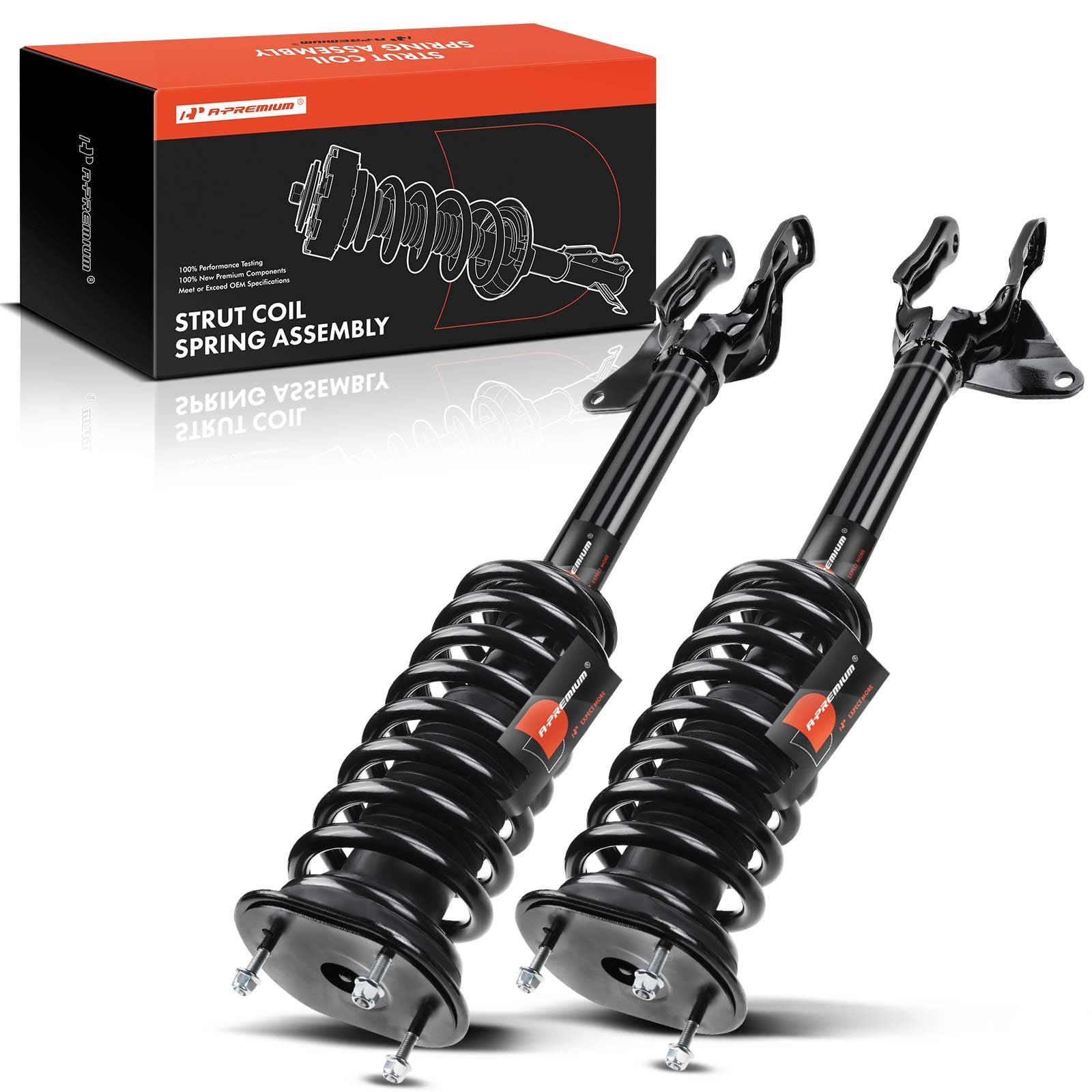
Front struts combine a shock absorber and a coil spring in one unit. They support the vehicle’s weight and help control movement. When struts are worn, your Jeep may:
- Bounce more after hitting bumps
- Lean excessively during turns
- Have uneven tire wear
- Make knocking noises
Replacing old struts improves safety, restores comfort, and helps tires last longer. Most experts recommend replacement every 50,000–70,000 miles, but rough roads can shorten this interval.
Tools And Parts Needed
Before starting, gather these items:
- New front struts (check compatibility for your Cherokee model year)
- Socket and wrench set
- Jack and jack stands
- Torque wrench
- Spring compressor (essential for safety)
- Flathead screwdriver
- Penetrating oil
- Wheel chocks
Without a spring compressor, do NOT attempt this job. The coil spring is under high tension and can cause injury.
Step-by-step Replacement Guide
Follow these steps to replace your Jeep Cherokee front struts efficiently.
1. Preparation
- Park on a level surface and engage the parking brake.
- Place wheel chocks behind the rear tires.
- Loosen front lug nuts slightly, but do not remove.
2. Lift And Secure The Vehicle
- Use a jack to lift the front of the Cherokee.
- Position jack stands under the frame and lower the vehicle onto them.
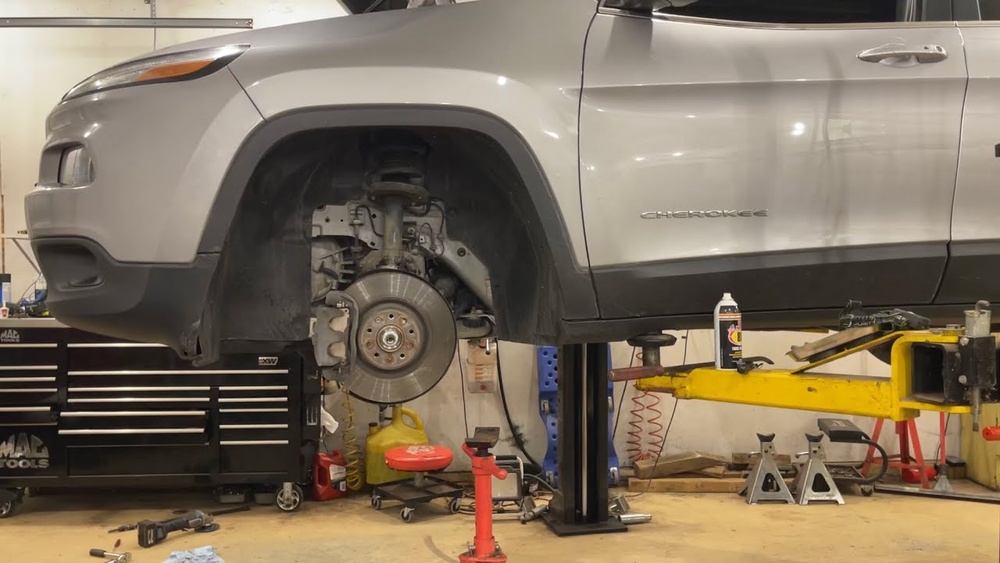
- Remove front wheels completely.
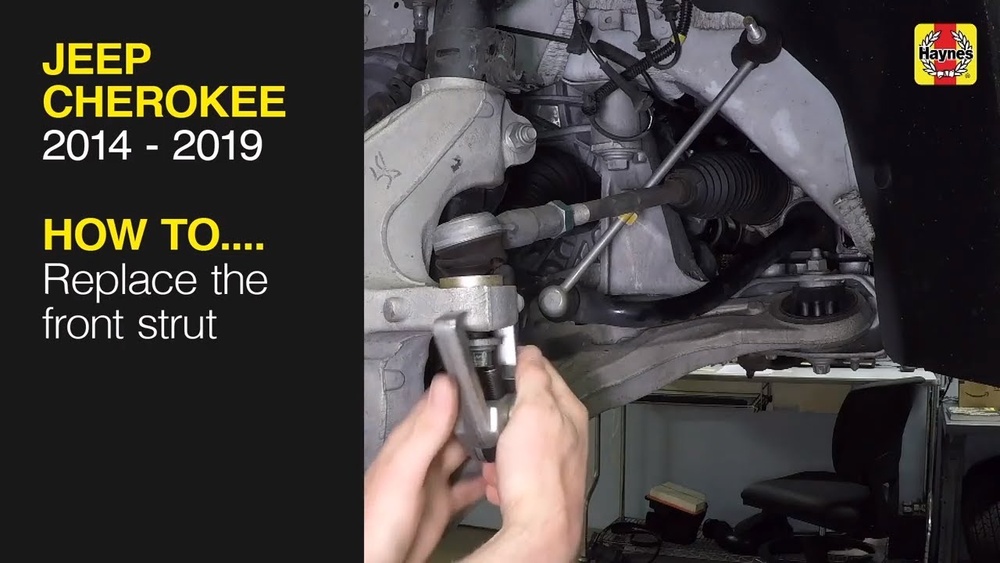
3. Remove Old Strut Assembly
- Spray penetrating oil on strut bolts and let sit for 5–10 minutes.
- Locate the strut tower under the hood. Remove the nuts holding the strut top to the tower.
- Under the wheel well, disconnect the bolts at the bottom of the strut (usually at the steering knuckle).
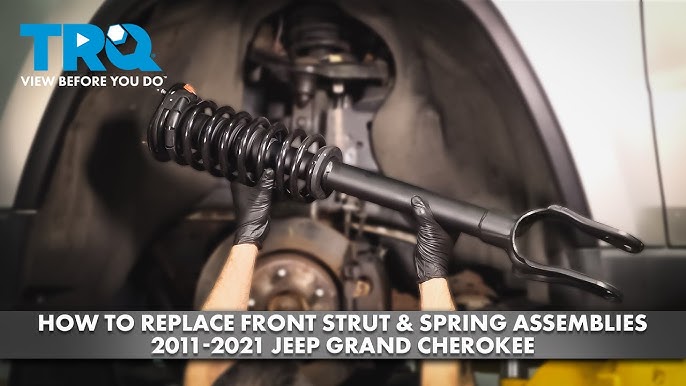
- Carefully remove the strut assembly from the vehicle.
4. Compress Spring And Swap Strut
- Attach the spring compressor to the coil spring. Tighten slowly and evenly until the spring is compressed enough to remove tension from the strut.
- Remove the nut holding the strut and spring together.
- Separate the spring from the old strut.
- Install the spring onto the new strut and secure with the nut.
- Release the spring compressor gradually.
5. Install New Strut Assembly
- Position the new strut assembly back into place.
- Secure the top of the strut to the strut tower with nuts.
- Attach the bottom to the steering knuckle and tighten bolts.
- Repeat the process for the other front strut.
6. Reassemble And Check
- Reinstall wheels and hand-tighten lug nuts.
- Lower the vehicle carefully to the ground.
- Tighten lug nuts fully in a star pattern.
- Double-check all bolts are torqued to manufacturer specs.
- Test drive the Jeep at low speed to ensure everything feels normal.
Cost Comparison: Diy Vs Professional
Doing the job yourself can save money, but let’s compare costs:
| Option | Parts Cost | Labor Cost | Total Cost |
|---|---|---|---|
| DIY Replacement | $120–$250 | $0 | $120–$250 |
| Professional Shop | $120–$250 | $200–$400 | $320–$650 |
Labor is the biggest cost factor. However, professional shops offer warranties and alignment services.
Strut Brands: Which Should You Choose?
Not all struts are equal. Quality matters for durability and ride comfort.
| Brand | Warranty | Ride Quality | Estimated Lifespan |
|---|---|---|---|
| Monroe | Limited Lifetime | Comfortable | 60,000 miles |
| KYB | Limited Lifetime | Sporty, Firm | 70,000 miles |
| Bilstein | Limited Lifetime | Performance | 75,000 miles |
Monroe struts are popular for comfort, while KYB suits drivers who want tighter handling. Bilstein is best for off-road and performance needs.
Practical Tips For Success
- Always replace both front struts at the same time for balanced handling.
- Mark strut positions before removal to help with alignment.
- Avoid over-tightening bolts; use a torque wrench.
- If you notice uneven tire wear, get a wheel alignment after replacement.
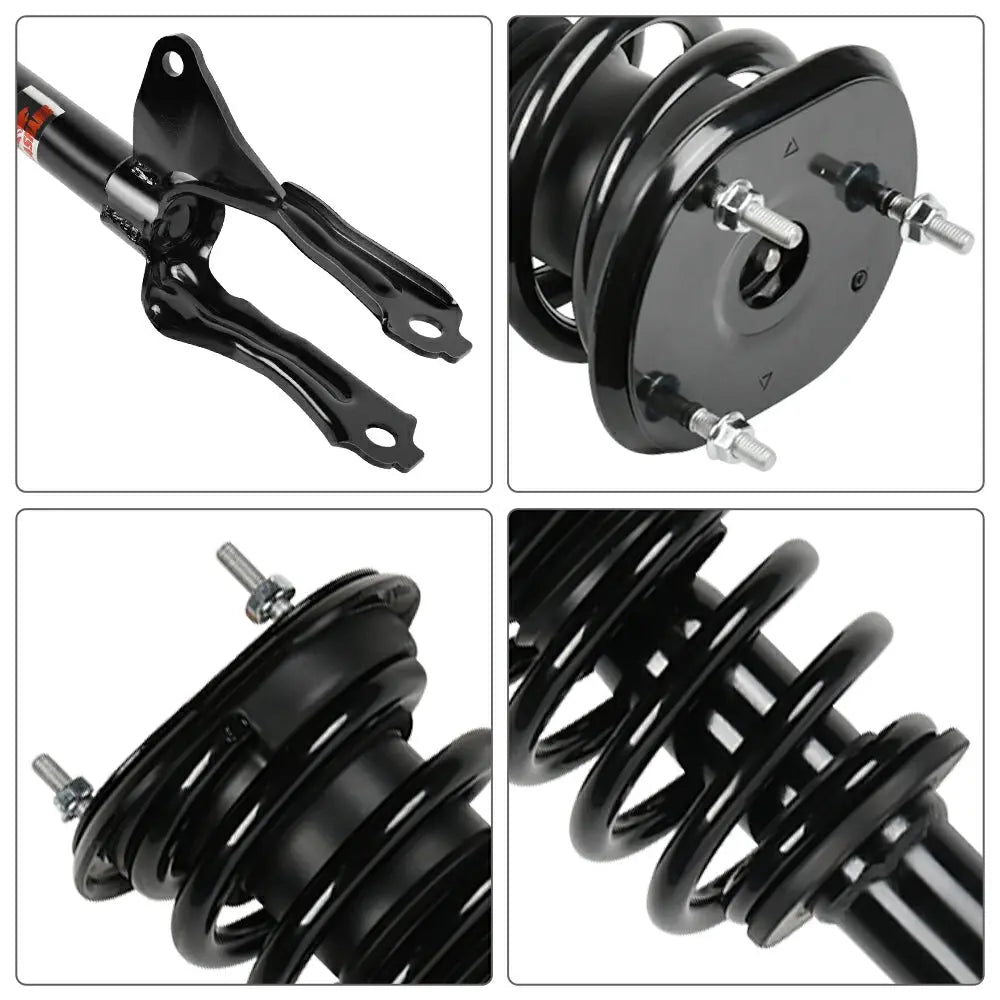
- Consider buying a strut assembly with the spring already installed if you want easier installation.
Many beginners forget to check for additional worn suspension parts. If you see damaged bushings or mounts, replace them along with the struts.
Common Mistakes To Avoid
- Forgetting to use a spring compressor: This is dangerous and can cause injury.
- Skipping alignment after replacement: This leads to uneven tire wear and poor handling.
- Not checking torque specs: Loose bolts can cause noise or even strut failure.
- Replacing only one strut: This creates an imbalance and reduces safety.
Signs Your Jeep Cherokee Needs New Struts
Here are some clear indicators:
- Excessive bouncing after bumps
- Clunking or rattling noises from the front
- Vehicle nose dives when braking
- Steering feels loose or unstable
- Uneven tire wear
If you notice two or more signs, inspect your struts as soon as possible.
Frequently Asked Questions
<!– wp:rank-math/faq-block {"questions":[{"id":"faq-question-35813cb987fa","title":"How Long Does A Jeep Cherokee Front Strut Replacement Take?","content":"For beginners, replacing both front struts usually takes 3–5 hours. Experienced mechanics can finish in 2 hours. Allow extra time if you need to compress springs yourself.
“,”visible”:true},{“id”:”faq-question-3bedebde8f4f”,”title”:”Is It Safe To Drive With Worn Front Struts?”,”content”:”No. Worn struts reduce control and increase stopping distance. This can lead to accidents, especially on rough roads or during sudden stops.
“,”visible”:true},{“id”:”faq-question-5d8d66e18917″,”title”:”Do I Need A Wheel Alignment After Replacing Struts?”,”content”:”Yes. Strut replacement can change suspension geometry. A wheel alignment helps prevent uneven tire wear and ensures safe handling.
“,”visible”:true},{“id”:”faq-question-37fbd0a5ccd8″,”title”:”Can I Use Aftermarket Struts Instead Of Oem?”,”content”:”Yes. Many aftermarket struts offer equal or better performance than OEM. Just check fitment for your Cherokee’s model year. Some brands, like KYB and Monroe, are trusted worldwide.
“,”visible”:true},{“id”:”faq-question-36a1398c17d3″,”title”:”Where Can I Find Official Installation Specs?”,”content”:”Always check your Jeep’s manual or visit the official Jeep website. You can also find reliable info at Jeep Official Site.
Replacing the front struts on your Jeep Cherokee is a practical project for anyone with basic tools and patience. It improves safety, ride comfort, and tire life. If you follow the steps carefully and avoid common mistakes, you can save money and enjoy a smoother drive.
Always use quality parts and get an alignment after finishing the job.
“,”visible”:true}]} –>How Long Does A Jeep Cherokee Front Strut Replacement Take?
For beginners, replacing both front struts usually takes 3–5 hours. Experienced mechanics can finish in 2 hours. Allow extra time if you need to compress springs yourself.
Is It Safe To Drive With Worn Front Struts?
No. Worn struts reduce control and increase stopping distance. This can lead to accidents, especially on rough roads or during sudden stops.
Do I Need A Wheel Alignment After Replacing Struts?
Yes. Strut replacement can change suspension geometry. A wheel alignment helps prevent uneven tire wear and ensures safe handling.
Can I Use Aftermarket Struts Instead Of Oem?
Yes. Many aftermarket struts offer equal or better performance than OEM. Just check fitment for your Cherokee’s model year. Some brands, like KYB and Monroe, are trusted worldwide.
Where Can I Find Official Installation Specs?
Always check your Jeep’s manual or visit the official Jeep website. You can also find reliable info at Jeep Official Site.
Replacing the front struts on your Jeep Cherokee is a practical project for anyone with basic tools and patience. It improves safety, ride comfort, and tire life. If you follow the steps carefully and avoid common mistakes, you can save money and enjoy a smoother drive.
Always use quality parts and get an alignment after finishing the job.