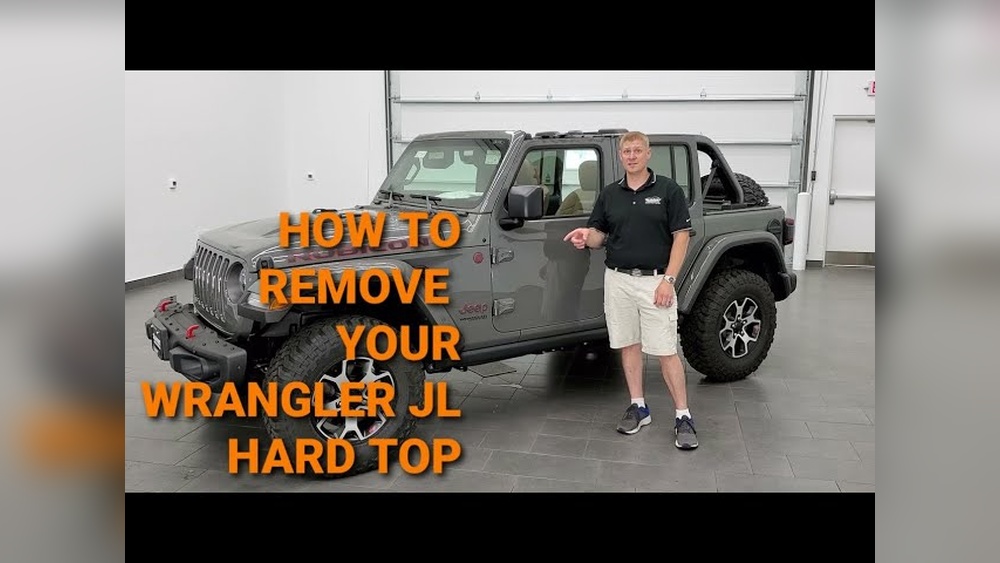
Thinking about taking the hard top off your Jeep Wrangler but not sure where to start? You’re in the right place.
Removing your Jeep’s hard top can seem tricky if you’ve never done it before, but with the right steps, you’ll have it off in no time—ready for that open-air adventure you crave. In this guide, you’ll discover simple, clear instructions that anyone can follow, whether you’re working alone or with a friend.
By the end, you’ll feel confident handling your Jeep’s hard top like a pro, making the switch from closed roof to open skies quick and hassle-free. Ready to get started? Let’s dive in.
Prepare Your Jeep
Preparing your Jeep Wrangler before removing the hard top is a key step. It makes the process smooth and safer. Taking some time to get your Jeep ready avoids damage and frustration.
Start by making sure everything inside the Jeep is set to help with easy removal. Also, clear the outside area so you have enough space to work without obstacles.
Open Doors And Fold Sun Visors
Open all the doors of your Jeep Wrangler. This gives you better access to the hard top and more room to move around.
Next, fold down the sun visors inside. They can block your movements or get damaged if left up. Folding them keeps the interior safe and provides extra space.
Clear The Area Around The Jeep
Remove any objects near your Jeep. This includes tools, chairs, or other vehicles. You need clear space to lift and move the hard top safely.
Check the ground is flat and stable. A level surface helps prevent accidents while handling the hard top. Keep your work area tidy for easy and safe removal.

Unlock Hardtop Clamps
Removing the hard top from your Jeep Wrangler starts with unlocking the hardtop clamps. This step is essential to safely detach the roof without causing damage. Each clamp holds the hardtop securely in place and must be properly released. Follow these steps carefully to ensure a smooth removal process.
Locate L-shaped Clamps
First, find the three L-shaped clamps on the hardtop. These clamps are usually positioned on the inside edges near the door frames. They secure the hardtop to the body of the Jeep. Look closely along the top edges for these metal clamps.
Turn Clamps To Open Position
Next, turn each L-shaped clamp to the open position. The clamps have arrows or markings that guide you. Rotate them until they are fully unlocked. This action releases the grip on the hardtop, allowing it to be lifted off.
Release Header Latches
Finally, release the header latches above the windshield frame. These latches hold the front part of the hardtop. Lift them up carefully to free the panel from the roof. With the clamps open and latches released, the hardtop is ready to be removed.
Remove Side Panels
Removing the side panels is a key step in taking off your Jeep Wrangler hard top. These panels secure the sides of the roof and must be handled carefully. Proper removal prevents damage and makes the process smoother. Follow the steps below to remove each side panel safely and efficiently.
Lift Driver’s Side Panel First
Start with the driver’s side panel to ease the removal process. Locate the latches inside the vehicle near the top of the door frame. Release each latch by turning it to the open position. Gently lift the panel upward to detach it from the body. Take care not to force it, as the panel connects to weather seals. Once free, pull the panel out slowly to avoid scratching the paint.
Remove Passenger Side Panel
Next, move to the passenger side panel. Repeat the same process of unlocking the latches. Lift the panel carefully, keeping it level to avoid bending. This side panel may feel a bit tighter, so be patient and check for any clips holding it in place. Detach it fully before pulling it away from the Jeep. Handle with caution to keep the panel intact.
Store Panels Safely
After removing both side panels, store them in a safe place. Use a soft surface like a blanket or foam to lay the panels flat. Avoid stacking heavy items on top to prevent warping or cracking. Proper storage protects the panels from damage and keeps them clean. This care ensures they stay ready for reinstallation when needed.
Disconnect Wiring And Hoses
Before removing the Jeep Wrangler hard top, disconnecting the wiring and hoses is essential. This step prevents damage to electrical components and fluid lines. It also makes the removal process smoother and safer. Follow these clear steps to handle wiring and hoses properly.
Open Swing Gate
Start by opening the swing gate fully. This access point allows you to reach the wiring harness and washer fluid hose easily. Make sure the gate stays open during the process. Use a prop or have someone hold it steady to avoid any sudden closures.
Unplug Wiring Harness
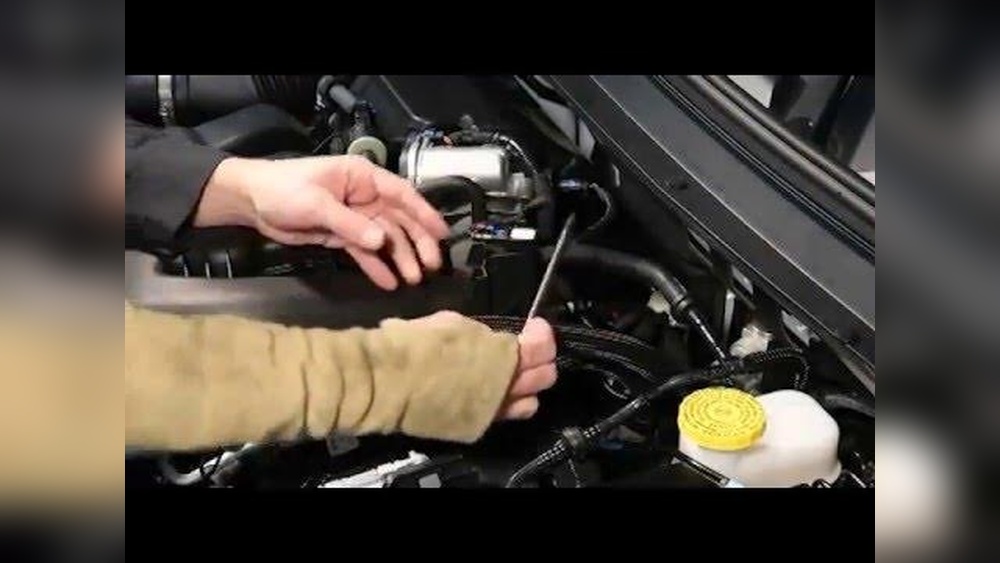
Locate the wiring harness connected to the hard top. Gently unplug the connector by pressing the release tab. Pull the harness apart carefully to avoid damaging the wires. Set the wiring aside so it does not get caught or stretched during removal.
Disconnect Washer Fluid Hose
Find the washer fluid hose attached to the hard top. Pinch the clamp and slide it back to loosen the hose. Pull the hose off the nozzle with a gentle twist. Keep the hose ends clean and free from dirt to prevent clogging.
Secure Loose Components
After unplugging wires and hoses, secure any loose parts. Use tape or zip ties to bundle wires neatly. Tuck hoses away from sharp edges or moving parts. This step protects your components and avoids accidents during removal.
Store Bolts And Screws
Storing bolts and screws properly is crucial when removing your Jeep Wrangler hard top. Loose hardware can easily get lost or mixed up, making reassembly difficult. Organizing these small parts keeps everything safe and ready for the next install.
Locate Bolt Drop Compartments
Your Jeep Wrangler hard top has special compartments to catch bolts and screws. These are usually near the latches or hinges. Check these areas carefully during removal. Using these compartments helps prevent bolts from falling onto the ground. It saves time searching for missing hardware later.
Keep Hardware Organized
Use small containers or labeled bags to sort bolts and screws by type. Grouping similar pieces together avoids confusion. Mark each container with the part location or step number. This method keeps all hardware in one place and easy to find. It also protects bolts from damage or loss during storage.
Lift And Remove Hardtop
Removing the hardtop from your Jeep Wrangler requires careful handling. The process starts with lifting and then removing the hardtop safely. This step needs attention to prevent damage to your vehicle or the hardtop itself.
Using help is important because the hardtop is heavy. Moving it slowly and steadily ensures safety for you and the Jeep.
Close Rear Window And Tailgate
Before lifting, make sure the rear window is fully closed. Also, close the tailgate to avoid any interference. This keeps the hardtop stable and ready to be lifted without obstructions.
Lift Top With Assistance
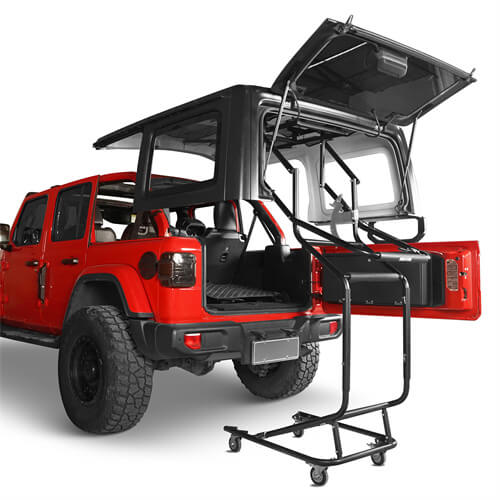
Ask a friend to help you lift the hardtop. Grasp the sides firmly and lift straight up. Avoid twisting or tilting the hardtop. Keep movements smooth to prevent damage.
Walk Top Back Over Spare Tire
Once lifted, carefully walk the hardtop backward. Move it over the spare tire without hitting it. Place the hardtop on a soft surface to avoid scratches. This step requires slow, controlled motions to protect your Jeep and the top.
Tips For Safe Removal
Start by unlatching all locks on the hard top, following the arrows to open them. Clear the sun visor and lift the header latch above the windshield. Use steady, even force to lift the top off without damaging the seals or paint.
Have At Least Two People
Removing the Jeep Wrangler hard top is not a one-person job. The panels are heavy and awkward to handle. Having two people makes the process safer and easier. One person can lift while the other supports and guides. This teamwork prevents dropping or injury. It also helps keep the hard top steady and balanced.
Use Storage Bags For Panels
Use storage bags designed for Jeep hard top panels. These bags protect the panels from dust, dirt, and scratches. They also make carrying and storing the panels simpler. When not in use, keep the panels inside these bags. This keeps them clean and ready for the next install.
Avoid Scratches And Damage
Place soft blankets or foam pads on the ground before setting down the hard top. Avoid placing it on rough or uneven surfaces. Handle the panels gently to prevent dents or scratches. Use clean hands or gloves to avoid transferring grease or dirt. Taking these steps keeps your hard top looking new longer.

Storing Your Hardtop
Storing your Jeep Wrangler hardtop properly protects it from damage and extends its life. Taking time to store it carefully keeps it clean and ready for your next adventure. Follow these tips to keep your hardtop in great shape during storage.
Choose A Safe Storage Spot
Pick a dry, cool place to store your hardtop. Avoid direct sunlight to prevent fading. Keep it away from areas with high moisture to stop mold and rust. A garage or covered shed works best. Make sure the spot is free from sharp objects that can scratch the surface.
Use Protective Covers
Cover your hardtop with a soft, breathable cover. This protects it from dust and dirt. Avoid plastic covers that trap moisture. Use a cover made for vehicle tops or a clean cloth. Secure the cover so it does not blow away in the wind. This keeps your hardtop clean and scratch-free.
Maintain Hardtop Condition
Clean your hardtop before storing it. Use mild soap and water to remove dirt. Dry it completely to avoid water spots. Check seals and latches for damage and fix them if needed. Apply a UV protectant to keep the paint from fading. Regular care keeps your hardtop looking new.
Frequently Asked Questions
How Do You Take The Hardtop Off Of A Jeep Wrangler?
Open both doors and fold down sun visors. Twist all L-shaped clamps to unlock. Lift header latches above the windshield. Remove the driver’s side panel first, then the passenger side. Disconnect wiring harness and washer fluid hose. Store panels safely to avoid damage.
Which Jeep Engine Is The Most Reliable?
The 4. 0L inline-six engine is the most reliable Jeep engine, known for durability and low maintenance. It performs well in various Jeep models.
Where Do Jeeps Rust The Most?
Jeeps rust most on the undercarriage, door hinges, frame edges, wheel wells, suspension parts, and exhaust system brackets. These areas face moisture and road salt exposure. Regular cleaning and rust-proofing help prevent corrosion in these vulnerable spots.
What Brand Of Oil Does Jeep Recommend?
Jeep recommends Mopar MaxPro oil for its vehicles. The oil type varies by engine size and type. Mopar ensures top engine performance and meets Jeep’s high standards. Always check your owner’s manual for the specific oil grade suitable for your Jeep model.
Conclusion
Removing your Jeep Wrangler hard top takes patience and care. Follow each step slowly to avoid damage. Keep all parts in a safe place for easy reassembly. Ask a friend to help with heavy lifting when needed. Regular practice makes the process quicker and safer.
Enjoy the open-air feeling once the hard top is off. Your Jeep will be ready for new adventures.