If you’re thinking about buying a Jeep Grand Cherokee, you probably want to know one thing: how reliable is it really? You want a vehicle that won’t leave you stranded or drain your wallet with constant repairs.
The truth is, Jeep Grand Cherokees have a mixed reputation when it comes to reliability. Some owners love their rugged performance and comfort, while others face frustrating issues that pop up over time. You’ll get a clear look at the most common problems, which model years to avoid, and tips to keep your Jeep running smoothly.
Keep reading to find out if the Grand Cherokee is the right fit for your needs—and how to make the smartest choice when buying one.
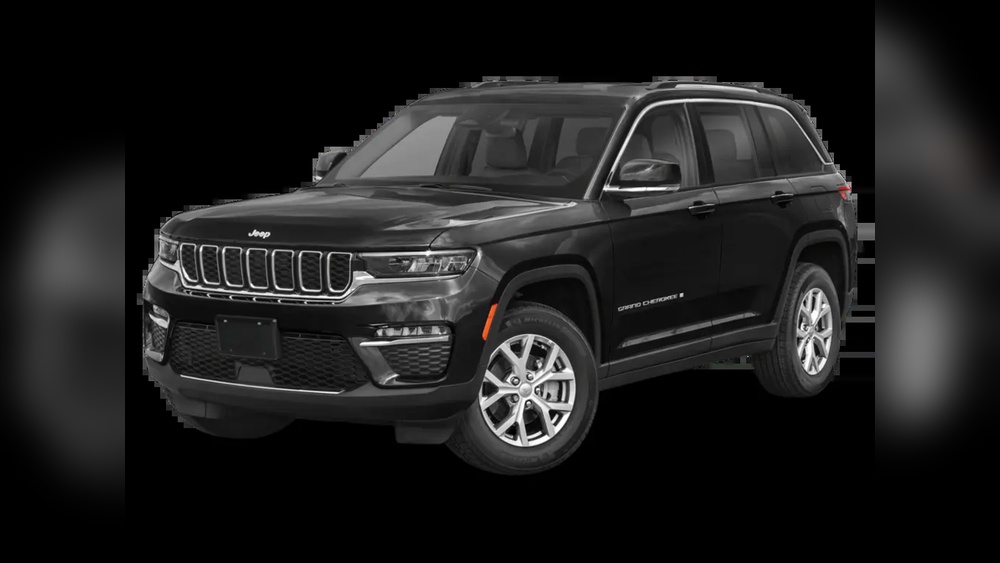
Jeep Grand Cherokee Reliability Overview
The Jeep Grand Cherokee holds a solid place among midsize SUVs. It balances daily comfort with strong off-road skills. Reliability falls around the average mark in its class. Owners enjoy its rugged design but face some challenges with maintenance.
Some Grand Cherokees show issues with electrical parts and suspension systems. Regular upkeep helps reduce problems and extend vehicle life. Knowing common concerns aids in making a smart purchase choice.
Reliability Breakdown
The Grand Cherokee ranks near the middle for reliability. Reports show it performs well in normal driving conditions. Certain model years have fewer mechanical problems than others. Choosing the right year matters for long-term satisfaction.
Most Common Issues To Watch For
Electrical system faults occur in some models. Battery drains and digital gauge cluster failures happen frequently. Air suspension systems on higher trims can break down. Repairs for the Quadra-Lift suspension may cost a lot. Brake wear and oil leaks also appear in older vehicles.
Owner Experiences And Tips
Online communities like the Jeep Grand Cherokee Reddit group share real owner stories. These insights reveal practical issues and fixes. Running a vehicle history report is wise before buying. Checking prices with Kelley Blue Book ensures fair deals. This research helps avoid costly surprises later.

Yearly Reliability Breakdown
The Jeep Grand Cherokee’s reliability varies significantly by model year. Some years have fewer issues and stand out for durability. Others face frequent repairs and common problems. Understanding these yearly differences helps buyers make smarter choices.
This yearly reliability breakdown highlights the best and worst years to guide your decision. It focuses on reported problems and owner experiences across different model years.
Most Reliable Years
Several Jeep Grand Cherokee model years earned praise for solid performance and fewer repairs. The 2014 and 2015 models show strong reliability scores. These years have improved engines and fewer electrical issues. The 2017 model also performs well, with fewer transmission complaints. These models often require less maintenance and cost less to own.
Owners of these years report fewer breakdowns and better overall satisfaction. Regular upkeep keeps these vehicles running smoothly for many miles.
Years To Avoid
Some model years have higher rates of problems and repairs. The 2011 and 2012 Jeep Grand Cherokees are known for transmission troubles and electrical failures. The 2005 and 2006 models show frequent suspension and oil leak issues. These years may lead to costly repairs and frequent visits to the mechanic.
Buyers should be cautious with these years. High repair costs and lower reliability scores make them less desirable options.
Common Mechanical Issues
Jeep Grand Cherokees have a few common mechanical issues that buyers should know. These problems can affect the vehicle’s performance and cost of ownership. Understanding these issues helps in making better decisions about maintenance and repairs.
Many owners report similar concerns across different model years. Paying attention to these areas can improve the driving experience and reliability of the SUV.
Transmission Problems
Transmission troubles are among the most reported issues. Some models show rough shifting or slipping gears. This problem can cause poor acceleration and higher fuel consumption. Early diagnosis and repair can prevent more serious damage.
Suspension Wear And Air Suspension Failures
The suspension system may wear out over time, especially in older vehicles. Models with air suspension often face costly failures. The air bags or compressors might leak or stop working. This can lead to a rough ride and uneven vehicle height.
Oil Leaks And Engine Concerns
Oil leaks are common in some Jeep Grand Cherokee engines. Leaks usually come from gaskets or seals that wear out. Engine performance may drop if oil levels get too low. Regular oil checks and changes are essential to avoid engine damage.
Brake Wear
Brakes on the Grand Cherokee can wear faster than expected. Frequent driving in city traffic or rough terrain adds to brake wear. Worn brakes reduce stopping power and increase safety risks. Timely brake pad and rotor replacements keep the vehicle safe.
Electrical System Challenges
The Jeep Grand Cherokee faces several electrical system challenges. These issues affect daily use and overall reliability. Owners often report problems that can be frustrating and costly to fix.
Understanding these electrical challenges helps buyers make informed decisions. It also aids current owners in spotting problems early. Two major electrical concerns are battery drain and digital gauge cluster failures.
Battery Drain Issues
Battery drain is a common problem in Jeep Grand Cherokees. The vehicle may lose power overnight or after short stops. This happens because some electrical components stay on or malfunction. It can leave owners stranded with a dead battery.
Detecting battery drain early is vital. A professional can test for parasitic drain to find the source. Common culprits include faulty modules or wiring shorts. Replacing or repairing these parts usually solves the issue.
Digital Gauge Cluster Failures
The digital gauge cluster in many Grand Cherokees can fail. This cluster shows speed, fuel level, and warning lights. Failure can cause gauges to freeze, flicker, or go blank. It creates confusion and safety risks while driving.
Owners report these failures mostly in older models or high-mileage vehicles. Fixing the cluster often requires replacing the entire unit. This repair can be expensive and time-consuming but is necessary for safe operation.
Engine Variants And Reliability
The Jeep Grand Cherokee offers several engine options across its model years. Each engine has a different track record for reliability. Understanding which engines perform well helps buyers make smart choices. Some engines run smoothly with fewer problems. Others may have common issues that affect long-term use. This section breaks down the key engines to consider and those to avoid.
Engines To Consider
The 3.6L Pentastar V6 is one of the most reliable engines in the Grand Cherokee lineup. It delivers good power and fuel efficiency. Regular maintenance keeps it running strong for many miles. The 5.7L HEMI V8 also has a solid reputation. It offers more power for towing and off-road driving. Many owners report few major problems with this engine.
Diesel fans appreciate the 3.0L EcoDiesel V6. This engine provides excellent torque and fuel economy. It tends to last long with proper care. These engines have fewer recalls and common faults reported by owners. Choosing these variants often means fewer surprises and lower repair costs.
Engines To Avoid
The 4.7L V8 engine, used in older Grand Cherokees, has a mixed reliability record. It may develop oil leaks and head gasket problems. Repairs can become expensive over time. The 3.7L V6 engine is another option to be cautious about. Some owners report rough idling and early spark plug failures.
The 3.6L engine in early model years faced issues with the timing chain and cooling system. These problems affected engine longevity and performance. Avoiding these earlier versions reduces the risk of costly repairs. Researching the engine variant and year can prevent future headaches.
Maintenance Tips For Longevity
Maintaining your Jeep Grand Cherokee properly helps extend its lifespan. Simple upkeep keeps the vehicle running smoothly and avoids costly repairs. Understanding key maintenance tasks improves reliability and performance.
Following a regular maintenance schedule ensures all parts work well. Ignoring small issues can lead to bigger problems over time. Taking care of your Jeep regularly protects your investment and keeps it safe on the road.
Routine Maintenance Importance
Regular oil changes keep the engine clean and efficient. Check fluid levels often, including brake, transmission, and coolant fluids. Replace air and fuel filters as recommended to maintain performance.
Inspect tires for proper pressure and tread wear to improve safety and fuel economy. Brake pads need checking and replacing to avoid damage to rotors. Pay attention to warning lights and strange noises early.
Scheduled inspections help spot suspension or electrical issues before they become serious. Following the manufacturer’s maintenance guide prevents unexpected breakdowns. Routine care reduces repair costs and keeps your Jeep reliable.
Extended Warranty Benefits
An extended warranty covers repairs beyond the basic warranty period. It provides peace of mind against expensive mechanical failures. Many plans include parts and labor for covered repairs.
Choosing an extended warranty can save money on major repairs like transmission or electrical system fixes. It helps maintain your Jeep without worrying about sudden costs. Extended coverage supports long-term vehicle ownership.
Check warranty details carefully to understand what is included. Some plans offer roadside assistance and rental car services. An extended warranty is a smart option for protecting your Jeep Grand Cherokee.
Owner Insights And Community Feedback
Owner insights and community feedback reveal the real reliability of Jeep Grand Cherokees. These perspectives come from actual users and trusted sources. They help paint a clear picture of what to expect from ownership. This section covers feedback from Reddit, Consumer Reports, and RepairPal to give a well-rounded view.
Reddit Owner Experiences
Reddit hosts a large Jeep Grand Cherokee community. Owners share honest stories about their vehicles. Many praise the SUV’s off-road capability and comfort. Some report issues with electrical systems and air suspension. Maintenance costs can vary widely depending on the model year. Users suggest regular checkups to avoid costly repairs. Overall, the community offers practical advice and solutions.
Consumer Reports Ratings
Consumer Reports ranks Jeep Grand Cherokees below average in reliability. The SUV scores lower than many midsize SUVs. Common problems include transmission and electrical failures. Some model years show more issues than others. Consumer Reports advises careful research before buying. Their ratings reflect long-term owner surveys and repair data. This helps buyers gauge potential ownership costs.
Repairpal Reliability Scores
RepairPal gives the Jeep Grand Cherokee a reliability score near average. It rates the SUV’s repair frequency and cost. RepairPal highlights common repairs like brake and suspension work. The air suspension system is a known expensive fix. Repair costs tend to rise as the vehicle ages. RepairPal’s data helps owners prepare for future expenses. Their scores assist buyers in comparing reliability across brands.
Buying Used Jeep Grand Cherokees
Buying a used Jeep Grand Cherokee can be a smart choice for many SUV enthusiasts. This vehicle offers strong off-road ability and a comfortable ride. Yet, used models show a wide range in reliability. Careful research and inspection help avoid costly problems. Knowing what to check and which models perform best makes the process easier. Here are key points to consider when buying a used Jeep Grand Cherokee.
Vehicle History And Inspection
Start by checking the vehicle history report. Look for accidents, title issues, and service records. Regular maintenance is vital for Jeep Grand Cherokees. A well-documented service history usually means fewer surprises. Have a trusted mechanic inspect the SUV. Focus on the electrical system and suspension. These areas often show wear or hidden faults. Test all electronics, including the digital gauge cluster. Inspect the air suspension if present, as repairs can be costly. A thorough check can reveal problems early and save money later.
Pricing And Market Value
Research the market value before buying. Use tools like Kelley Blue Book to find fair prices. Prices vary by model year, mileage, and condition. Older models with high mileage often cost less but may need repairs. Newer or well-maintained Jeeps command higher prices. Compare listings in your area to spot good deals. Avoid sellers asking much less than market value; this could signal hidden issues. Paying a fair price reduces risk and helps with resale value.
Best Models For Used Purchase
Some Grand Cherokee models have better reliability records. The 2014 to 2016 trims generally offer a good balance of features and dependability. V6 engine options often have fewer problems than V8s. Avoid models with known transmission or electrical issues. The 2017 and newer models improved in build quality but cost more. Older models, especially before 2011, may require more repairs. Prioritize models with solid maintenance history and fewer recalls. Choosing the right year and trim can lead to a more reliable ownership experience.
Off-road Capability Vs Reliability
The Jeep Grand Cherokee is known for its strong off-road abilities. It climbs steep hills, crosses rocky paths, and handles rough terrain with ease. These features attract drivers who want adventure and ruggedness. But with off-road capability comes questions about reliability. Tough terrain can test a vehicle’s parts and systems. Some drivers worry that using the Grand Cherokee off-road might lead to more repairs or breakdowns. Understanding how its design balances off-road skills and long-term reliability helps buyers make smart choices.
Quadra-lift Air Suspension Benefits And Risks
The Quadra-Lift air suspension system improves off-road performance and ride comfort. It raises the vehicle for better ground clearance on rough trails. It also lowers the Jeep on highways for better fuel efficiency and handling. This system adapts to different driving conditions quickly and smoothly.
Still, the air suspension has downsides. It is complex and has many parts that can wear out or fail over time. Repairs can be expensive. Older models often face issues with leaks or compressor failures. Drivers who use their Jeep mainly on paved roads may find this system more trouble than it is worth. Regular checks and maintenance help avoid costly problems.
Balancing Comfort With Durability
The Grand Cherokee offers a smooth, comfortable ride inside a tough, off-road-ready body. Its suspension and build quality aim to absorb shocks from uneven roads without breaking down. Jeep engineers try to balance comfort features with durable components that last in harsh conditions.
Still, some comfort upgrades, like electronic controls and advanced suspension, add complexity. These parts can fail more often than simple mechanical systems. Drivers seeking a highly reliable Jeep might choose older or base models with fewer electronic features. Maintenance and gentle use improve the vehicle’s lifespan and keep it reliable on and off the road.

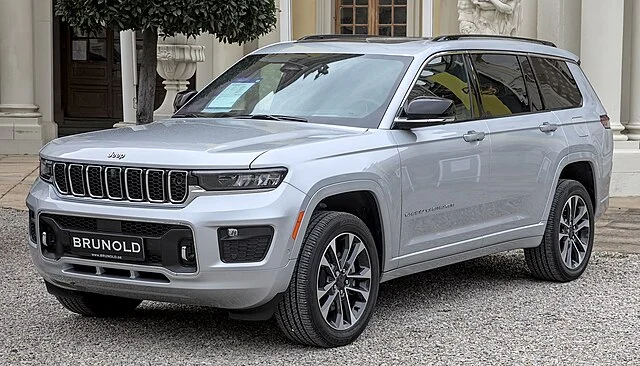
Frequently Asked Questions
What Are The Biggest Issues With Jeep Grand Cherokees?
The biggest issues with Jeep Grand Cherokees include transmission problems, electrical faults, suspension wear, oil leaks, and brake wear. Older models often face these challenges. Regular maintenance can help reduce these issues and improve reliability over time.
What Years To Avoid For A Jeep Grand Cherokee?
Avoid Jeep Grand Cherokee models from 2011 to 2013 due to transmission and electrical issues. Also, 2005 and 2006 have reported suspension and engine problems. These years often require costly repairs and show below-average reliability. Always check vehicle history before buying.
What Years Of Grand Cherokee Are Most Reliable?
The 2014-2018 Jeep Grand Cherokee models are the most reliable, with fewer reported issues and better performance. Regular maintenance enhances their longevity and dependability.
Which Jeep Engine To Stay Away From?
Avoid Jeep’s 3. 7L V6 engine found in some older models due to frequent overheating and timing chain issues.
Conclusion
Jeep Grand Cherokees offer decent reliability for daily driving. Some model years show more issues than others. Common problems include electrical and suspension troubles. Regular maintenance helps keep these SUVs running smoothly. Researching specific years can save you from costly repairs.
Overall, they balance comfort with off-road capability. Knowing what to expect leads to smarter buying decisions. Choose wisely, and enjoy your Jeep Grand Cherokee’s strengths.